Where Can I Weigh My Car Find Nearby Scale Locations
Finding a place to weigh your car is easier than you think. Whether you need to check your vehicle weight for safety, legal compliance, or travel planning, multiple options exist near you. From truck stops and CAT scales to public weighbridges and portable scales, this guide covers every way to weigh your car accurately and affordably.
Key Takeaways
- Truck stops and travel centers offer the most convenient and widely available car weighing options.
- CAT scales are a trusted choice for accurate vehicle weight readings at competitive prices.
- Public weighbridges provide a reliable option for those who need certified weight certificates.
- Portable car scales are a great investment if you weigh your vehicle frequently.
- Farm supply stores and dump stations often allow public access to their vehicle scales.
- Always know your vehicle’s gross vehicle weight rating before heading to a scale.
- Weighing your car regularly helps prevent overloading fines and improves fuel efficiency.
📑 Table of Contents
Why Knowing Your Car’s Weight Matters
Your car has a weight limit. It might sound obvious, but many drivers never think about how much their vehicle actually weighs. Understanding your car weight matters more than most people realize. It affects your safety on the road. It impacts your fuel economy. And it keeps you on the right side of the law.
When you carry too much weight, your brakes wear out faster. Your tires can overheat. Your suspension takes a beating. Overloading a vehicle is also illegal in most states and can lead to serious fines. That is why knowing where to weigh your car is so important.
The gross vehicle weight rating, or GVWR, is the maximum weight your car can safely handle. This number includes the weight of the vehicle itself plus passengers, cargo, and fuel. You can usually find this information on a sticker inside the driver door frame. If you are unsure, check your owner manual.
Some people need to weigh their car for work reasons. Farmers often need to know their load weight for deliveries. RV owners want to make sure they are not overloading their trailers. Ride-share drivers need to stay within limits. No matter your reason, finding a reliable scale nearby is the first step.
Best Places to Weigh Your Car
You have more options than you might think when it comes to finding a place to weigh your car. Let us walk through the most common and reliable locations.
Truck Stops and Travel Centers
Truck stops are hands down the most popular option. Places like Pilot Flying J, Love’s Travel Stops, and TA Travel Centers often have scales open to the public. You do not need to be a truck driver to use them. Most truck stop scales charge a small fee, usually between ten and fifteen dollars.
Here is why truck stops work so well:
- They are easy to find. There are thousands of truck stops across the country.
- The scales are well maintained. These companies rely on accurate readings for their business.
- You get a printed weight ticket. This can serve as proof if needed.
- Restrooms, food, and fuel are all available on-site.
Just pull up to the scale, follow the signs, and an attendant will guide you through the process. It usually takes less than five minutes. Some truck stops allow you to weigh your vehicle for free if you buy fuel, but this varies by location. Always call ahead to confirm.
CAT Scales
CAT scales are another excellent choice. CAT, short for Caterpillar, is a trusted name in heavy equipment. Their scales are known for being highly accurate. Many CAT scale locations are open to the public, and they can be found at truck stops, freight terminals, and dedicated weigh stations across the country.
CAT scale locations often charge around ten to fifteen dollars per weigh. Some offer a weight ticket with your vehicle weight broken down by axle. This is very useful if you need to know how your weight is distributed. You can find CAT scale locations on their website or through their mobile app.
Public Weighbridges
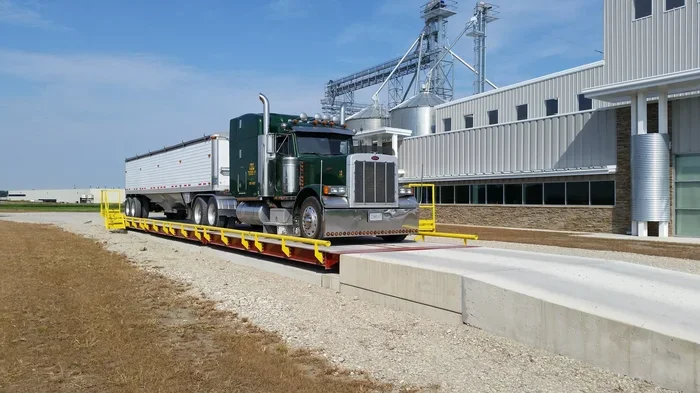
A public weighbridge is a large platform scale designed for vehicles. These are often found near industrial areas, ports, and logistics hubs. Public weighbridges are ideal if you need a certified weight certificate for legal or commercial purposes.
Unlike truck stops, weighbridges are designed specifically for weighing vehicles. They tend to be very accurate and are often certified by local weights and measures authorities. The downside is that they may not be as conveniently located as truck stops. You might need to drive a bit out of your way to find one.
Here are some tips for using a public weighbridge:
- Call ahead to check their hours of operation.
- Ask about their fee structure before arriving.
- Bring your vehicle registration in case they need it.
- Some weighbridges offer digital weight certificates you can print or email.
Farm Supply Stores and Agricultural Centers
Many farm supply stores have large vehicle scales on their property. Stores like Tractor Supply or local feed mills often allow the public to use their scales. These locations can be a hidden gem if you live in a rural area.
The scales at farm supply stores are typically designed for agricultural vehicles, but they work great for cars, trucks, SUVs, and RVs. The fees are often lower than truck stops, sometimes as low as five dollars. Just walk in and ask at the counter. Most staff are happy to help.
Dump Stations and Waste Facilities
This might surprise you, but some dump stations and waste disposal facilities have public scales. These are often used by people who need to weigh trailers, campers, and trucks. If you have a waste or recycling facility nearby, it is worth calling to ask if they allow public use of their scale.
Keep in mind that these facilities may have restrictions. Some only allow commercial vehicles during certain hours. Others may charge a higher fee. Always check their policies before visiting.
Portable Car Scales
If you weigh your car often, a portable car scale might be the best investment. These are compact, digital scales that you place under each wheel. They connect to a small display unit that shows your weight reading.
Portable scales are great because:
- You can use them anywhere. No need to drive to a specific location.
- They are reusable and long-lasting. A good quality portable scale can last for years.
- They pay for themselves if you weigh your vehicle regularly.
Popular brands include Ironmaster, Rollbar, and AccuWeigh. Prices range from about one hundred to four hundred dollars depending on the model and capacity. If you travel with an RV or frequently haul heavy loads, a portable scale is a smart purchase.
How to Prepare for Weighing Your Vehicle
Getting an accurate weight reading is easier when you are prepared. A little prep work goes a long way. Here is what you should do before heading to a scale.
Know Your Vehicle’s Weight Limits
Before you go, find out your vehicle’s GVWR and curb weight. Curb weight is the weight of the empty vehicle. GVWR is the maximum safe weight. The difference between the two is your payload capacity. Write these numbers down and bring them with you.
Load Your Vehicle as You Normally Would
If you want to know your real-world weight, load the vehicle the way you normally do. Put in your usual cargo, passengers, and fuel level. If you weigh your car empty and then fully loaded, you can calculate the difference to find your actual payload.
Check Your Tire Pressure
This sounds like a small detail, but it matters. Underinflated tires can affect your weight reading slightly. Make sure your tires are at the recommended pressure before you drive to the scale.
Bring the Right Documents
Most scale locations will ask for your vehicle registration. Some may ask for your driver’s license. Having these ready saves time and keeps the process smooth.
Plan for a Few Minutes
Weighing your car is quick, but there may be a short wait. Truck stops can get busy during peak travel times. If you want to avoid lines, try visiting early in the morning or on weekdays.
How to Find a Scale Near You
Finding a car scale location near you is simpler than it used to be. Here are the best ways to search.
Use Online Directories
Websites like the CAT Scale locator, TruckStop.com, and Pilot Flying J’s site let you search for nearby scales by zip code. You can filter by scale type and see user reviews. This is the fastest way to find a reliable option close to home.
Use Google Maps
Open Google Maps on your phone and search for truck scale near me or weigh station near me. You will see a list of nearby options with ratings, hours, and contact information. This is a great method when you are already on the road and need a quick solution.
Call Local Freight Terminals
Freight terminals and logistics companies often have scales that are available for a fee. Call around to terminals in your area and ask if they allow public access. Many will say yes, especially if you are polite and explain your needs.
Check with Local Government Offices
Your county or state weights and measures office can often point you to certified public scales in your area. They maintain lists of approved weighing stations. This is especially helpful if you need an official weight certificate.
Common Mistakes People Make When Weighing Their Car
Even with the best intentions, people make mistakes when weighing their vehicles. Here are the most common ones and how to avoid them.
Forgetting to Account for Fuel Weight
A full tank of gas adds weight. A half tank weighs less. If you want an accurate reading, note your fuel level and factor it in. A gallon of gasoline weighs about six pounds. So a full 20-gallon tank adds roughly 120 pounds.
Weighing Only One Axle
Some people weigh just one set of wheels and assume that is the total weight. This is not accurate. Always weigh all axles and add them together for your true gross weight. Most scale locations will provide an axle-by-axle breakdown on the weight ticket.
Ignoring the Tongue Weight on Trailers
If you have a trailer, the tongue weight matters. This is the downward force the trailer puts on the hitch. Too much tongue weight can make your vehicle hard to control. Weigh your trailer separately and calculate the tongue weight to stay safe.
Using an Uncalibrated Scale
Not all scales are created equal. Old or poorly maintained scales can give inaccurate readings. Stick to well-known locations like truck stops, CAT scales, or certified public weighbridges. If you are using a portable scale at home, make sure it is calibrated regularly.
Overlooking the Payload of Aftermarket Additions
Added accessories like lift kits, larger tires, or roof racks add weight. These small additions can push you closer to your weight limit without you realizing it. Always factor in any modifications when calculating your total vehicle weight.
Expert Tips for Accurate Car Weighing
Getting the most out of your weigh-in comes down to a few simple habits. Here are some expert-backed tips to help you get the best results every time.
Weigh your car with and without cargo. This gives you a clear picture of your payload. Subtract the curb weight from your loaded weight to see exactly how much you are carrying.
Visit the same scale each time for consistency. Different scales can have slight variations. Using the same location helps you track trends over time and compare readings more accurately.
Keep a log of your weigh-ins. A simple notebook or spreadsheet can help you monitor your vehicle weight over weeks and months. This is especially useful for RV owners and fleet managers.
Consider a wheel weigh scale for home use. These small digital scales fit under each wheel and give you a quick reading. They are not as precise as a full platform scale, but they are convenient for regular checks.
Always double-check your numbers. If a reading seems off, re-weigh your vehicle. Sometimes simple things like uneven ground or a misaligned vehicle can affect the result.
Stay within your payload limit. Your payload capacity is not just about avoiding fines. It is about safety. Overloaded vehicles handle poorly, take longer to stop, and are more prone to mechanical failures.
Frequently Asked Questions
Can I weigh my car at any truck stop for free?
Some truck stops offer free weighing if you purchase fuel, but this is not universal. Most charge a small fee of around ten to fifteen dollars. Call the specific truck stop ahead of time to ask about their policy and any associated costs.
How much does it cost to weigh a car?
Weighing a car typically costs between five and twenty dollars depending on the location and type of scale. Truck stops and CAT scales usually fall in the ten to fifteen dollar range. Farm supply stores and agricultural centers often charge less, sometimes around five dollars.
Can I use a portable scale to weigh my car at home?
Yes, portable car scales work well for home use. They are placed under each wheel individually and give you a digital reading. While they are not as precise as a full platform scale, they are very convenient for regular weight checks and are reasonably affordable.
Do I need a special permit to weigh my car at a public weighbridge?
No special permit is needed for most public weighbridges. They are open to the general public. You simply drive up, pay the fee, and get your weight reading. However, some commercial or industrial weighbridges may have restrictions on public access, so it is always a good idea to call ahead.
What is the difference between curb weight and gross weight?
Curb weight is the weight of your empty vehicle with standard fluids and no passengers or cargo. Gross weight is the total weight of your vehicle when fully loaded with passengers, cargo, and fuel. The difference between the two is your payload capacity, which tells you how much additional weight you can safely carry.
Why is my vehicle weight important for towing?
Your vehicle weight directly affects your towing capacity. If your car is already heavy with passengers and cargo, you have less capacity left for a trailer. Staying within your gross vehicle weight rating ensures safe towing, better braking, and improved fuel economy. Overloading can also cause serious damage to your engine, transmission, and suspension.
Conclusion
Knowing where to weigh your car is a simple but powerful step toward safer and smarter driving. Whether you choose a truck stop, a CAT scale, a public weighbridge, or a portable scale for home use, the options are plentiful and affordable. The key is to weigh your vehicle regularly, especially before long trips or heavy hauls.
Understanding your vehicle weight helps you avoid overloading fines. It keeps your family safe on the road. And it can even improve your fuel economy, saving you money at the pump. Take a few minutes to find a reliable scale near you and make weighing your car part of your routine.
With the tips and locations covered in this guide, you have everything you need to get an accurate weight reading. Do not wait until a problem arises. Take control of your vehicle weight today and drive with confidence tomorrow.