Why Is My Truck Running Hot And What Causes This Problem
Why Is My Truck Running Hot is a common problem that every truck owner should understand. The main causes include a broken thermostat, coolant leaks, a failing water pump, or a bad radiator fan. Ignoring these signs can lead to serious engine damage and costly repairs. This guide walks you through the top reasons, easy fixes, and when to call a mechanic. Read on to keep your truck running cool and safe.
Have you ever been driving down the road and noticed your temperature gauge climbing into the red zone? That sinking feeling in your stomach is something every truck owner knows too well. Why Is My Truck Running Hot is a question that brings thousands of drivers to repair shops every single week. The good news is that most causes are simple and easy to fix if you catch them early. In this guide, we will walk you through the real reasons your truck overheats, the warning signs you should never ignore, and the steps you can take to solve the problem today.
Your truck is a machine that runs hot by design. The engine produces a lot of heat during normal operation, and the cooling system works hard to keep things at a safe temperature. But when something goes wrong in that system, the heat builds up fast. A truck overheating situation can turn from a minor annoyance into a major engine problem in just a few minutes. Understanding the root causes helps you act quickly and avoid expensive damage.
Whether you drive a Ford F-150, a Chevy Silverado, a Ram, or any other make, the reasons behind an overheating engine are often the same. This article breaks down each cause in plain language so you can understand what is happening under the hood. We will also share practical tips and expert insights that make it easy for anyone to take action. By the end, you will know exactly what to check, what to fix, and when it is time to call in a professional.
Key Takeaways
- Thermostat failure is the #1 cause: A stuck thermostat blocks coolant flow and makes your engine heat up fast.
- Coolant leaks are sneaky: Even a small leak can drop your coolant level and cause overheating within miles.
- Low oil matters more than you think: Oil does more than lubricate, it also helps pull heat away from the engine.
- Radiator fans are essential: A broken cooling fan means your truck overheats especially at low speeds or in traffic.
- Act fast when you see steam: Driving while overheating can warp engine parts and lead to a blown head gasket.
- Regular maintenance prevents most problems: Simple checks on coolant levels, hoses, and belts save you from big breakdowns.
📑 Table of Contents
Common Reasons Your Truck Is Running Hot
The cooling system in your truck has several parts that all work together. When just one part fails, the whole system suffers. Here are the most common reasons why your truck is running hot and what you can do about each one.
Thermostat Problems
The thermostat is a small valve that controls the flow of coolant through your engine. It opens and closes based on the engine temperature. When the thermostat works correctly, it keeps your engine at the perfect operating temperature. But when it gets stuck, big problems follow.
A thermostat stuck in the closed position is the most common thermostat issue. When this happens, coolant cannot flow to the radiator, and the heat has nowhere to go. Your engine temperature climbs quickly, and you may notice steam coming from under the hood. The good news is that replacing a thermostat is one of the cheapest and easiest truck engine repair jobs you can do.
On the other hand, a thermostat stuck open can also cause problems. It keeps coolant flowing all the time, which means the engine takes too long to warm up. This can hurt fuel economy and increase wear on engine parts over time.
Quick Tip: If your temperature gauge acts strangely, jumping from normal to hot in seconds, a stuck thermostat is a likely cause. Have it checked right away.
Coolant Leaks
A coolant leak is one of the top reasons trucks overheat. Coolant, also called antifreeze, is the liquid that carries heat away from the engine. When the level drops too low, there is not enough coolant to do its job. Even a tiny leak can cause big trouble over time.
Common places where coolant leaks happen include:
- Radiator hoses: These rubber hoses carry coolant between the engine and the radiator. They crack and wear out over time, especially in hot weather.
- Water pump gasket: The water pump pushes coolant through the system. A worn gasket lets coolant seep out slowly.
- Radiator itself: Rust or road debris can poke holes in the radiator, causing a visible drip or puddle under your truck.
- Heater core: This small unit inside your dashboard also uses coolant. A leak here can fog up your windows and leave a sweet smell inside the cab.
- Coolant reservoir: The plastic tank that holds extra coolant can crack or develop loose connections.
Check your coolant reservoir regularly. If the level is below the minimum line, top it off and then look for the source of the leak. A bright green, orange, or pink puddle under your truck is a clear sign of a coolant problem.
Water Pump Failure
The water pump is the heart of your cooling system. It uses a spinning impeller to push coolant through the engine block and hoses. When the water pump fails, coolant stops moving, and heat builds up fast.
Water pump failure can happen for several reasons. The most common cause is a worn or broken serpentine belt. This belt drives the water pump, and when it snaps or slips, the pump stops working. Corrosion inside the pump is another frequent culprit, especially in older trucks that have seen a lot of miles.
Signs of a water pump failure include a grinding noise near the front of the engine, coolant dripping from the front of the pump, and steam coming from the engine bay. Replacing a water pump is more involved than a thermostat swap, but it is still a manageable repair when caught early.
Radiator Fan and Cooling Fan Issues
Your radiator fan kicks on when the truck slows down or sits idle. At highway speeds, air naturally flows through the radiator and cools the coolant. But at low speeds, stop-and-go traffic, or when idling, the fan takes over. When the fan does not work, your truck can overheat quickly in these situations.
A cooling fan problem can stem from a few different sources. The fan motor itself may be burned out. The fan relay or fuse could be blown. Or the temperature sensor that tells the fan to turn on may be faulty. In some trucks, the fan blades are damaged or bent, reducing their ability to pull air through the radiator.
Quick Tip: A simple test is to watch your temperature gauge when you are sitting in traffic or at a red light. If the needle starts climbing, the fan is likely not turning on when it should.
Warning Signs Your Truck Is Overheating
Catching the signs of truck overheating early can save you from a total engine breakdown. Your truck gives you plenty of warning before things get serious. Here are the key signs you should never ignore.
Temperature Gauge Spikes Into the Red
The most obvious sign is the temperature gauge on your dashboard. When the needle moves into the red zone or the hot warning light comes on, something is wrong. Do not ignore this. Pull over safely and turn off the engine. Let the truck cool down for at least 15 to 20 minutes before you open the hood.
Sometimes the gauge may fluctuate between normal and hot. This often points to an air pocket in the cooling system or a failing thermostat. Either way, it is worth getting checked out before the problem gets worse.
Steam or Smoke Coming From Under the Hood
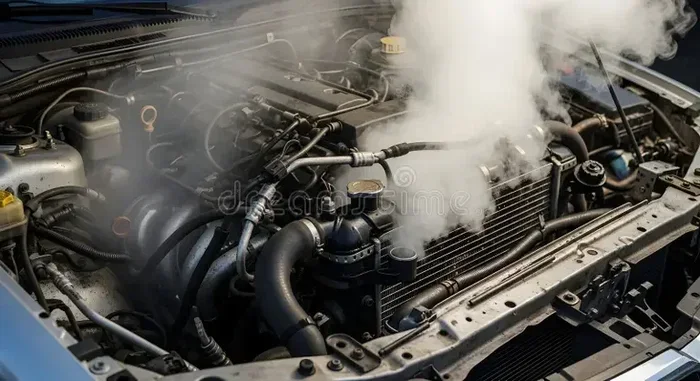
If you see steam or white smoke billowing from under the hood, your engine is running too hot. The steam comes from coolant hitting hot engine parts and boiling off. This is a serious sign that should never be ignored.
Do not pop the hood immediately. The steam can burn you. Instead, pull over, turn off the engine, and wait for the steam to clear. Once it is safe, check the coolant level and look for obvious leaks.
Unusual Smells and Sounds
Your nose can be a powerful diagnostic tool. A sweet, syrupy smell often means coolant is leaking onto hot engine parts. A burning or rubbery smell could point to a slipping serpentine belt or an overheating component.
Strange sounds are also red flags. A bubbling or gurgling noise from the engine bay can mean air is trapped in the cooling system. A grinding or whining sound near the front of the engine could signal a failing water pump or a damaged serpentine belt.
Heater Not Working Properly
This one surprises a lot of people. If your heater suddenly stops blowing hot air or blows cold air, it could mean your coolant level is low. The heater core uses hot coolant to warm the cab. When the flow drops, so does the heat. A sudden change in heater performance is an early warning sign that your coolant flow is compromised.
The Cooling System And How It Works
To understand why is my truck running hot, it helps to know how the cooling system works in the first place. The system is designed to move heat away from the engine and release it into the air. Here is how the main parts work together.
Radiator And Cooling Fans
The radiator is the big metal unit at the front of your truck. It has hundreds of thin passages inside that allow hot coolant to flow through while air passes over the outside. This process pulls heat out of the coolant and releases it into the air.
The radiator cap plays an important role too. It seals the system and maintains pressure, which raises the boiling point of the coolant. A weak or faulty cap can cause coolant to boil at lower temperatures and escape through the overflow hose.
The cooling fans sit behind or in front of the radiator. They pull air through the radiator when the truck is not moving fast enough for natural airflow. Electric fans turn on and off based on temperature sensors. Mechanical fans are driven by a belt and clutch. Both types are essential for keeping your engine cool in hot weather or heavy traffic.
Coolant Flow And Hoses
Coolant travels in a loop through the engine and the radiator. The upper radiator hose carries hot coolant from the engine to the radiator. The lower hose brings cooled coolant back to the engine. These hoses are made of rubber and metal, and they endure a lot of heat and pressure over the years.
Over time, hoses can become hard, cracked, or swollen. A hose that bursts while driving can drain the entire cooling system in seconds. This is why it is smart to inspect your hoses during every oil change. Look for cracks, soft spots, or coolant stains around the connections.
The thermostat sits between the engine and the radiator. It opens when the engine reaches operating temperature, allowing coolant to flow to the radiator. It closes when the engine is cold, helping it warm up faster. A healthy thermostat is essential for proper engine temperature regulation.
Can Low Oil Make Your Truck Run Hot
Many people forget that oil plays a big role in managing engine heat. While the cooling system handles most of the heat removal, the oil also helps pull warmth away from critical engine parts. When your oil level is too low, those parts absorb more heat than they can handle.
Dirty or old oil loses its ability to flow and transfer heat effectively. Sludge builds up, and the oil cannot reach all the places it needs to go. This is one of the most overlooked engine overheating causes. A simple oil change can sometimes make a surprising difference in your engine temperature.
Keep an eye on your oil level between changes. If you notice your truck is burning oil or the level drops quickly, have a mechanic check for leaks or internal engine wear. Maintaining the right oil level is one of the easiest ways to help prevent your truck from running hot.
Step By Step Fixes For An Overheating Truck
If your truck is running hot right now, here is what you should do in order. These steps can help you identify the problem and, in many cases, fix it yourself.
- Pull over and turn off the engine. Do not keep driving if the temperature gauge is in the red. Continuing to drive can cause the engine block to warp or crack.
- Wait for the engine to cool. Give it at least 15 to 20 minutes. Opening the hood too soon can release hot steam and cause burns.
- Check the coolant level. Once the engine is cool, open the coolant reservoir cap carefully. If the level is low, top it off with the right type of coolant for your truck.
- Look for visible leaks. Check under the truck for puddles. Look at the hoses, radiator, and water pump for drips or stains.
- Inspect the radiator fan. Start the engine and let it idle until the temperature gauge rises. Watch to see if the fan turns on. If it does not, check the fuse, relay, and fan motor.
- Check the serpentine belt. A loose or broken belt can cause the water pump and cooling fan to stop working. Look for cracks, fraying, or a belt that is clearly worn.
- Test the thermostat. This is a simple and inexpensive part to replace. If you suspect the thermostat is stuck, swapping it out is a great first step.
- Flush the cooling system. Old coolant can become contaminated and lose its effectiveness. A full flush and refill can restore proper cooling performance.
Quick Tip: Always use the type of coolant recommended by your truck manufacturer. Mixing different coolant types can cause chemical reactions that clog the system and damage the radiator.
When To Call A Mechanic For Help
Some overheating problems are easy to fix on your own. But others require professional tools and expertise. Here are the situations where you should call a mechanic right away.
If you notice a blown head gasket, do not try to drive the truck any further. A blown head gasket happens when the seal between the engine block and the cylinder head fails. This allows coolant to leak into the combustion chambers or oil passages. Signs include white smoke from the exhaust, a milky residue on the oil dipstick, and persistent overheating even after you add coolant.
A head gasket repair is one of the most expensive fixes for an overheating truck. The sooner you catch it, the less damage it can do. Ignoring a blown head gasket can lead to a cracked engine block, which means a full engine replacement.
You should also call a mechanic if you have checked all the common causes and your truck is still overheating. Sometimes the problem is deeper, such as a cracked cylinder head, a blocked radiator internal passage, or a failing water pump impeller. These issues need professional diagnosis and repair.
Regular maintenance is your best defense against overheating. Stick to the service schedule in your truck owner’s manual. Have the cooling system inspected at least once a year, especially before summer or before any long road trips. A little prevention goes a long way toward avoiding a roadside breakdown.
Conclusion
Why Is My Truck Running Hot is a question with many possible answers, but the good news is that most causes are fixable. From a simple thermostat replacement to a more involved water pump repair, understanding the root cause helps you take the right action. The cooling system in your truck is a team effort, and every part plays a role in keeping the engine at a safe temperature.
Pay attention to the warning signs. Do not ignore a rising temperature gauge, strange smells, or steam from under the hood. These signals are your truck telling you it needs help. Address the problem quickly, and you will save yourself from a much bigger and more expensive repair down the road.
Keep up with regular maintenance. Check your coolant level, inspect your hoses and belts, and change your oil on schedule. These simple habits go a long way in preventing truck overheating and keeping your engine healthy for years to come. Your truck works hard for you, and with a little care, it will keep running strong and cool mile after mile.
Frequently Asked Questions
What Are The Most Common Reasons Why My Truck Is Running Hot?
The most common reasons include a stuck thermostat, a coolant leak, a failing water pump, and a broken radiator fan. Low oil levels and a clogged radiator can also cause your truck to overheat. These issues are all fixable when caught early.
How Do I Know If My Truck Is Overheating?
The main signs are a temperature gauge in the red zone, steam or smoke from under the hood, a sweet smell from coolant, and strange gurgling noises from the engine bay. Your heater may also stop blowing hot air if the coolant level is low.
Can I Keep Driving My Truck If It Is Running Hot?
No, you should not keep driving an overheating truck. Continuing to drive can cause the engine block to warp, the head gasket to blow, or other serious and expensive damage. Pull over safely, turn off the engine, and let it cool down.
How Much Does It Cost To Fix A Truck That Is Running Hot?
The cost depends on the cause. A thermostat replacement is usually inexpensive, while a water pump or head gasket repair can be more costly. A simple coolant flush is affordable, but ignoring the problem can lead to engine replacement, which is very expensive.
What Should I Do If My Truck Starts Overheating On The Highway?
Turn on the heater to full blast. This helps pull heat away from the engine. Pull over safely as soon as you can, turn off the engine, and let it cool. Do not open the radiator cap until the engine has cooled completely.
How Often Should I Check My Truck’s Cooling System?
You should check your coolant level at least once a month and before any long trips. Have the entire cooling system inspected by a professional once a year. Flushing and replacing the coolant according to your manufacturer’s schedule helps prevent buildup and keeps the system working properly.