Why Isnt My Forklift Starting When You Need It Most
Forklift starting problems can shut down your entire operation in minutes. Whether it’s a dead battery, faulty starter motor, or fuel system issue, this guide walks you through every common reason your forklift won’t start. You’ll learn practical fixes, expert tips, and prevention steps to keep your lift running smoothly.
There’s nothing worse than stepping up to your forklift on a busy morning, turning the key, and hearing nothing. Or maybe you hear a click, but the engine refuses to turn over. Forklift starting problems can bring a busy warehouse to a standstill fast.
Whether you run a small distribution center or a large manufacturing plant, a forklift that won’t start costs you time, money, and productivity. The good news is that most forklift starting issues have simple causes and even simpler fixes. This guide breaks down every common reason your forklift won’t start, gives you step-by-step troubleshooting tips, and shows you how to prevent problems before they happen.
Let’s get your lift back on the road.
Key Takeaways
- Battery issues cause most forklift starting failures: Corroded terminals, low charge, or a worn battery are the top culprits.
- Fuel and air problems block engine ignition: Clogged filters, empty tanks, or air leaks prevent proper forklift starting.
- Electrical components wear out over time: Starter motors, solenoids, and ignition switches fail with regular use.
- Cold weather creates extra starting challenges: Diesel and electric forklifts struggle in low temperatures.
- Regular maintenance prevents most starting issues: Simple daily checks save hours of downtime.
- Safety must come first: Always follow lockout/tagout procedures before troubleshooting.
- Know when to call a professional: Some problems need expert forklift repair services.
📑 Table of Contents
- Common Reasons Why Your Forklift Won’t Start
- Cold Weather and Forklift Starting Challenges
- How to Troubleshoot Forklift Starting Problems
- Preventing Forklift Starting Problems
- When to Call a Professional for Forklift Starting Issues
- Cost Considerations for Forklift Starting Repairs
- Key Takeaways
- Conclusion
Common Reasons Why Your Forklift Won’t Start
Forklift starting problems usually fall into a few clear categories. Understanding these categories helps you narrow down the cause quickly. Most issues trace back to the battery, fuel system, electrical components, or engine mechanics.
Before you start digging into any repairs, make sure you follow basic safety protocols. Turn off the ignition, engage the parking brake, and remove the key. If you work on electric forklifts, disconnect the battery cable first. Safety always comes before speed.
1. Battery Problems
The battery is the heart of forklift starting. Without a strong charge, nothing else matters. Battery issues account for more failed starts than any other single cause.
Here are the most common battery-related forklift starting problems:
- Dead or weak battery: Batteries lose charge over time, especially if the forklift sits unused for days. A fully charged 12-volt battery should read around 12.6 volts.
- Corroded terminals: White or blue-green buildup on battery terminals blocks the electrical connection. This is one of the easiest problems to spot and fix.
- Damaged cables: Frayed or loose battery cables prevent power from reaching the starter motor.
- Old battery: Most forklift batteries last three to five years. Beyond that, they lose their ability to hold a full charge.
Quick fix: Clean the terminals with a wire brush and baking soda solution. Check cable connections and tighten them securely. If the battery is old, replace it.
2. Starter Motor and Solenoid Issues
The starter motor is what actually cranks the engine. When you turn the key, the solenoid sends power to the starter motor, which turns the engine over. If either part fails, your forklift starting attempt will result in nothing or just a single click.
Signs of a bad starter motor include:
- A single loud click when you turn the key
- No sound at all when turning the key
- Grinding noises during startup
- The engine cranks slowly or weakly
Starter motors wear out from regular use, especially in heavy-duty operations. The solenoid can also fail, cutting off the power supply to the starter. Replacing a starter motor or solenoid is a common forklift repair job that a trained technician can handle quickly.
3. Fuel System Failures
For internal combustion forklifts, the fuel system delivers the energy your engine needs to run. When something blocks or breaks this system, forklift starting becomes impossible.
Common fuel system problems include:
- Empty fuel tank: Sounds obvious, but it happens more than you’d think. Always check your fuel gauge before assuming something is broken.
- Clogged fuel filter: A dirty filter restricts fuel flow to the engine. Replace the filter on a regular maintenance schedule.
- Faulty fuel pump: The pump pushes fuel from the tank to the engine. A failing pump means fuel never arrives.
- Water in the fuel: Condensation can build up in the tank, especially in humid environments. Water in the fuel system causes poor combustion or no start at all.
- Blocked fuel lines: Debris or sediment can clog the lines that carry fuel to the engine.
For diesel forklifts, glow plug failure is another major cause of cold-starting problems. Glow plugs heat the combustion chamber to help diesel fuel ignite in cold conditions. When they fail, your diesel forklift won’t start, especially in winter.
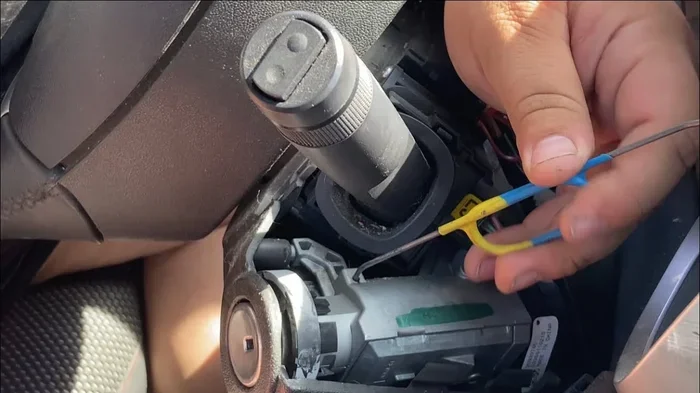
4. Ignition Switch and Electrical Connections
The ignition switch is the gateway between your key turn and the entire starting process. A worn or faulty ignition switch can prevent power from flowing to the starter motor, solenoid, and fuel system.
Signs of a bad ignition switch:
- The forklift doesn’t respond when you turn the key
- Dashboard lights don’t come on
- The engine starts intermittently or not at all
- The key feels loose or won’t turn smoothly
Electrical connections throughout the forklift can also loosen or corrode over time. A broken connection anywhere in the starting circuit will stop forklift starting dead in its tracks. Regular inspection of all wiring and connectors helps catch these issues early.
5. Electric Forklift-Specific Issues
If you run electric forklifts, your starting problems may look different. Electric forklifts rely on a controller, a large traction battery pack, and a DC motor to operate. The starting process is simpler than a diesel engine, but unique problems can still arise.
Common electric forklift starting issues include:
- Low battery charge: Electric forklift batteries need regular charging. A deeply discharged battery won’t provide enough power to start the controller.
- Faulty contactor: The contactor is an electrical switch that delivers power from the battery to the motor. A worn contactor prevents the forklift from starting.
- Controller failure: The controller manages all electrical functions. When it fails, the entire system goes dark.
- Interlock switch problems: Safety interlocks prevent the forklift from starting unless the seat belt is engaged or the parking brake is set. A broken interlock stops the starting sequence.
Regular battery maintenance and charging habits go a long way toward preventing electric forklift starting problems.
Cold Weather and Forklift Starting Challenges
Cold weather is a forklift operator’s enemy. Low temperatures affect every system in your lift, from the battery to the fuel. If your forklift starts fine in summer but struggles in winter, the temperature is likely the culprit.
Here is how cold weather impacts forklift starting:
- Battery capacity drops in cold weather: A battery that holds a full charge at 80°F may lose 30 to 50 percent of its capacity at 32°F. This makes forklift starting much harder in winter.
- Diesel fuel gels in cold temperatures: Paraffin wax in diesel fuel solidifies at low temperatures, clogging fuel lines and filters. Using winter-grade diesel or adding anti-gel additives helps prevent this.
- Engine oil thickens in the cold: Thick oil creates more resistance, making the starter motor work harder to turn the engine over.
- Hydraulic fluid becomes sluggish: Cold hydraulic fluid slows down the entire hydraulic system, which can indirectly affect engine performance.
Quick tip: Keep your forklifts in a heated warehouse or use block heaters for diesel engines during cold months. These simple steps dramatically improve cold-weather forklift starting success.
How to Troubleshoot Forklift Starting Problems
When your forklift won’t start, a systematic approach saves you time and frustration. Follow these steps in order to isolate the problem.
Step 1: Check the Battery
Start with the battery because it causes the most forklift starting failures. Use a multimeter to check the voltage. A reading below 12.4 volts means the battery needs charging or replacement. Inspect the terminals for corrosion and clean them if needed. Make sure all cable connections are tight and secure.
Step 2: Listen for Sounds
When you turn the key, what do you hear? A single click usually points to a bad solenoid or starter motor. No sound at all often means an ignition switch problem or dead battery. A grinding noise suggests a worn starter gear. The sound your forklift makes gives you a big clue about the root cause.
Step 3: Check the Fuel Level and Quality
Verify that you have enough fuel in the tank. Check the fuel filter for clogs. Look for water contamination in the fuel. For diesel forklifts, inspect the glow plugs and make sure they are working properly.
Step 4: Inspect the Ignition Switch
Check if the dashboard lights come on when you turn the key. If nothing happens, the ignition switch or a safety interlock may be the problem. Test the key itself for wear and tear.
Step 5: Call a Professional if Needed
If you have checked all the common causes and your forklift still won’t start, it is time to call in a professional. Some problems, like internal engine damage or controller failure, require specialized tools and expertise. A qualified forklift technician can diagnose the issue quickly and get your lift back in service.
Preventing Forklift Starting Problems
Prevention is always better than repair. A solid maintenance routine keeps your forklift starting reliably every single day. Here is what you should do regularly.
Daily Checks
Every operator should perform a quick pre-shift inspection. This includes checking the battery charge level, inspecting the fuel gauge, looking for visible damage to cables and connections, and testing the dashboard lights. These simple daily checks catch small problems before they become big forklift starting failures.
Weekly Maintenance
Once a week, clean the battery terminals and check the fluid levels. For diesel forklifts, inspect the air filter and fuel filter. Look under the forklift for any fluid leaks. Keep a maintenance log to track every check and repair.
Scheduled Professional Service
Follow the manufacturer’s recommended service schedule for your specific forklift model. Professional technicians can spot problems that daily checks miss. Regular service keeps the entire forklift starting system in top shape and extends the life of your equipment.
Operator Training
Well-trained operators reduce wear and tear on the forklift. Proper shutdown procedures, correct charging habits for electric models, and prompt reporting of unusual sounds all contribute to reliable forklift starting performance.
When to Call a Professional for Forklift Starting Issues
Not every forklift starting problem is a DIY fix. Some issues require the skills and tools of a trained technician. Here are clear signs that you should call for professional forklift repair:
- The forklift produces a strong smell of burning or electrical insulation
- You see smoke or steam coming from the engine compartment
- The starter motor spins but the engine does not turn over
- Your forklift has been in an accident or sustained impact damage
- Multiple electrical systems are failing at the same time
- You have checked all common causes and the forklift still won’t start
Trying to fix complex electrical or engine problems without the right training can cause more damage and create safety hazards. A professional forklift service team has the diagnostic equipment and expertise to solve the problem right the first time.
Cost Considerations for Forklift Starting Repairs
The cost of repairing forklift starting problems varies widely depending on the cause. Simple fixes like cleaning battery terminals or replacing a fuse cost very little. But more complex repairs can add up quickly.
Here is a rough cost comparison for common forklift starting repairs:
- Battery cleaning and terminal replacement: $20 to $50
- Starter motor replacement: $300 to $800
- Solenoid replacement: $150 to $400
- Ignition switch replacement: $200 to $600
- Fuel pump replacement: $400 to $1,200
- Glow plug replacement (diesel): $150 to $500
- Controller replacement (electric): $800 to $2,500
Regular maintenance dramatically reduces these costs by catching problems early. A small investment in preventive care saves thousands in major repairs and lost productivity.
Key Takeaways
- Battery issues cause most forklift starting failures: Corroded terminals, low charge, or a worn battery are the top culprits.
- Fuel and air problems block engine ignition: Clogged filters, empty tanks, or air leaks prevent proper forklift starting.
- Electrical components wear out over time: Starter motors, solenoids, and ignition switches fail with regular use.
- Cold weather creates extra starting challenges: Diesel and electric forklifts struggle in low temperatures.
- Regular maintenance prevents most starting issues: Simple daily checks save hours of downtime.
- Safety must come first: Always follow lockout/tagout procedures before troubleshooting.
- Know when to call a professional: Some problems need expert forklift repair services.
Conclusion
Forklift starting problems are frustrating, but they are almost always solvable. The key is to stay calm, follow a systematic troubleshooting process, and address the root cause. Most forklift starting issues come down to a few common sources: the battery, the starter motor, the fuel system, or electrical connections.
By understanding these systems and performing regular maintenance, you can prevent the majority of forklift starting failures. Daily checks, weekly upkeep, and scheduled professional service keep your forklift running reliably and your operations moving smoothly.
When a forklift won’t start, don’t panic. Work through the checklist in this guide. If the problem is beyond your expertise, call a qualified forklift technician. The right approach gets your forklift back to work and protects your investment for years to come.
Keep this guide handy in your maintenance binder. The next time your forklift won’t start, you will know exactly what to do.
Frequently Asked Questions
Why does my forklift click but not start?
A single click usually means the solenoid is engaging but the starter motor is not turning. This points to a weak battery, a faulty starter motor, or a bad solenoid. Check the battery voltage first, then inspect the starter and solenoid for damage or wear.
How long does a forklift battery last before causing starting problems?
A forklift battery typically lasts three to five years depending on usage and maintenance. As the battery ages, it loses its ability to hold a full charge, leading to forklift starting failures. Regularly testing battery voltage helps you replace it before it leaves you stranded.
Can cold weather prevent my forklift from starting?
Yes, cold weather significantly impacts forklift starting. Batteries lose capacity in low temperatures, diesel fuel can gel, and engine oil thickens. Keeping your forklift in a heated area and using winter-grade fuel helps prevent cold-weather starting issues.
What should I do if my electric forklift won’t start?
Start by checking the battery charge level and the charging connections. Inspect the contactor and controller for visible damage. Make sure all safety interlocks are engaged properly. If these checks don’t reveal the problem, contact a professional forklift technician for diagnosis.
How often should I maintain my forklift to prevent starting problems?
Perform daily pre-shift checks, weekly battery and fluid inspections, and follow the manufacturer’s recommended service schedule for professional maintenance. Consistent upkeep catches small issues before they turn into forklift starting failures.
Is it safe to troubleshoot a forklift starting problem myself?
Basic checks like inspecting battery terminals and fuel levels are safe for most operators. However, electrical repairs, engine work, and hydraulic system troubleshooting should be left to trained professionals. Always follow lockout/tagout procedures and your workplace safety guidelines before any inspection or repair.