Why a Train Can Travel 50 Faster Than a Car Matters
A train can travel 50 faster than a car, making it a powerful option for anyone who values speed and efficiency. Rail travel cuts down commute times dramatically and offers a smoother, less stressful journey. Understanding this speed advantage helps you make smarter travel choices every day.
Have you ever been stuck in traffic, watching the minutes tick by, and wondered if there was a better way to get somewhere? The answer might surprise you. A train can travel 50 faster than a car, and that fact alone changes everything about how we think about ground transportation. Whether you commute daily or plan a weekend getaway, understanding this speed gap gives you a real edge.
Trains have been outpacing cars on the open road for decades. Yet many people still overlook rail travel when planning their trips. This article breaks down exactly why trains hold such a massive speed advantage. You will learn how train speed compares to car speed, what makes rail systems so efficient, and why more travelers are choosing trains every year. Let us dive in and explore the world of rail travel advantages together.
Key Takeaways
- Massive Speed Advantage: A train can travel 50 faster than a car, saving you hours on every trip.
- Less Traffic Stress: Rail systems bypass road congestion entirely, keeping your schedule reliable.
- Fuel and Cost Savings: Trains use less fuel per passenger, which means lower travel costs over time.
- Comfort and Space: Train travel offers more room to move, work, or relax during your ride.
- Eco Friendly Choice: Rail travel produces fewer emissions per passenger mile compared to cars.
- Growing Infrastructure: Governments worldwide are investing heavily in high speed rail networks.
- Future Is Rail: New technologies will make train travel even faster and more accessible in the coming years.
📑 Table of Contents
- Understanding How a Train Can Travel 50 Faster Than a Car
- The Science Behind Train Speed vs Car Speed
- Real-World Examples of Trains Outpacing Cars
- Benefits of Choosing Train Travel Over Driving
- Why More People Are Switching to Rail
- The Future of Train Travel Speed
- Common Mistakes People Make When Comparing Train and Car Travel
- Quick Tips for Making the Most of Train Travel
- Expert Insights on Rail Travel and Speed
- Key Takeaways
- Conclusion
Understanding How a Train Can Travel 50 Faster Than a Car
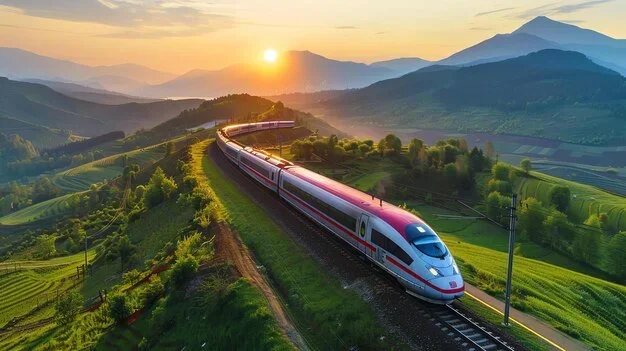
The idea that a train can travel 50 faster than a car is not just a fun fact. It is rooted in physics, engineering, and smart infrastructure design. When you compare the average speeds of both modes of transport, the numbers tell a clear story. Cars on highways typically cruise around 60 to 70 miles per hour in ideal conditions. Trains, especially high speed rail systems, regularly hit 150 to 200 miles per hour or more.
So what makes this train vs car debate so one sided when it comes to speed? Let us look at the key reasons.
Why Trains Move So Much Faster
Trains run on dedicated tracks. This means they do not share space with other vehicles, pedestrians, or cyclists. Cars must navigate intersections, traffic lights, and busy highway merges. Every one of these interruptions slows down the average car travel time. Trains skip all of that.
Another factor is aerodynamics. A train car is designed to cut through air with minimal drag. A car, with its boxy shape and exposed wheels, faces much more air resistance at high speeds. This difference becomes even more noticeable at speeds above 100 miles per hour.
Here are the main reasons trains maintain higher speeds consistently:
- Dedicated tracks eliminate stops and delays from other traffic.
- Smoother surfaces reduce friction and allow steady acceleration.
- Less aerodynamic drag keeps trains efficient at high velocities.
- No stop-and-go cycles the way cars experience on highways.
- Electric or diesel power delivery that is continuous, not burst based.
What Does 50 Percent Faster Actually Mean in Real Life?
Let us put this into perspective. If a car takes three hours to travel a certain travel distance, a train covering the same route could arrive in about two hours. That is an extra hour you get back every trip. Over a week of commuting or a long road trip, those savings add up fast.
For intercity travel, the difference is even more dramatic. A car trip from one city to another might take four or five hours with traffic. The same journey by train could take just two or two and a half hours. That is the real power of railway speed in action.
The Science Behind Train Speed vs Car Speed
There is real science behind why a train can travel 50 faster than a car. It is not magic. It is physics. Understanding the basic principles helps you appreciate just how impressive rail travel really is.
Friction and Rolling Resistance
Cars have rubber tires on asphalt. That creates a lot of rolling resistance. Every bit of resistance slows the vehicle down and forces the engine to work harder. Trains run on steel wheels over steel rails. Steel on steel creates far less friction. This means trains need less energy to maintain high speeds.
Think of it this way. Pushing a box across a rough floor takes a lot of effort. Pushing the same box on a smooth, polished surface is much easier. That is essentially the difference between a car and a train.
Power-to-Weight Ratio
Trains distribute their weight across many wheels. This spreads out the force and reduces wear. Cars concentrate all their weight on just four tires. At high speeds, this concentration creates more drag and less stability. Trains also benefit from a superior power-to-weight ratio, especially electric trains that deliver torque instantly.
The Role of Track Design
Rail infrastructure is built for speed. Curves are banked, tracks are straightened, and gradients are kept gentle. Highways, on the other hand, must follow existing terrain and city layouts. This gives trains a natural advantage in maintaining consistent, high speeds over long distances.
Real-World Examples of Trains Outpacing Cars
Theoretical speed comparisons are one thing. Real-world examples show just how true the claim really is. Around the globe, trains regularly beat cars on the same routes.
Japan’s Shinkansen Bullet Train
Japan’s famous Shinkansen, or bullet train, reaches speeds of up to 200 miles per hour. The trip from Tokyo to Osaka, roughly 300 miles, takes about two and a half hours by train. Driving the same route takes four to five hours, depending on traffic. That is a travel time savings of nearly two full hours on a single trip.
France’s TGV Network
France’s Train a Grande Vitesse, or TGV, operates at speeds of 200 miles per hour or more. The Paris to Lyon route covers about 290 miles. The train completes it in under two hours. By car, the same journey takes around three and a half to four hours on a good day. Traffic, roadworks, and speed limits all eat into the car’s time.
China’s High Speed Rail Expansion
China has built the largest high speed rail network in the world. Routes like Beijing to Shanghai, which stretches over 800 miles, are completed by train in just four and a half hours. Driving that distance takes well over ten hours. The difference here is staggering and proves that ground transportation by rail is in a different league entirely.
European Intercity Routes
Across Europe, countries like Germany, Spain, and Italy have invested heavily in passenger rail. Many intercity routes now offer train travel times that are half or less of what driving requires. For travelers, this means more time at the destination and less time stuck behind the wheel.
Benefits of Choosing Train Travel Over Driving
Speed is just one reason to choose a train. There are many other transportation efficiency benefits that make rail travel a smart choice for all kinds of trips.
Time Savings and Productivity
When a train can travel 50 faster than a car, you gain something incredibly valuable: time. On a train, you can read, work, sleep, or simply watch the scenery go by. You do not need to focus on the road. This makes train travel not just faster but also more productive.
Reduced Stress and Fatigue
Driving long distances is tiring. You must stay alert, manage lane changes, and deal with unpredictable drivers. Train travel removes all of that stress. You sit back, relax, and let someone else handle the journey. Arriving at your destination feeling refreshed is a huge advantage.
Cost Effectiveness Over Time
Cars cost a lot to operate. Fuel, insurance, maintenance, and parking add up quickly. Trains, especially for solo or pair travelers, often cost less per mile. Many commuting by train options also offer monthly passes that save significant money compared to daily driving costs.
Environmental Benefits
Trains are one of the most eco friendly travel options available. They produce far fewer emissions per passenger mile than cars. Electric trains powered by renewable energy are even better for the planet. Choosing rail over driving is a simple way to reduce your carbon footprint.
Safety and Reliability
Train travel has an excellent safety record. Rail networks operate on fixed schedules and dedicated tracks, which makes them highly reliable. Delays happen, but they are far less common than the unpredictable delays caused by car accidents, road closures, or weather on highways.
Why More People Are Switching to Rail
The trend is clear. More travelers are choosing trains over cars, and the reasons go beyond just speed.
Comfort and Amenities
Modern trains offer spacious seats, free Wi-Fi, dining cars, and even quiet zones for working or resting. Long distance car trips simply cannot match this level of comfort. When you factor in the travel comfort that trains provide, it is easy to see why ridership is growing.
Urban Planning and City Connectivity
Cities around the world are building rail infrastructure that connects suburbs to downtown cores. Commuters who live outside the city can reach their offices quickly and reliably. This reduces the need for long car commutes and helps ease highway congestion in major urban areas.
Government Investment in Rail Networks
Governments are pouring billions into high speed rail projects. New lines are being built, existing ones are being upgraded, and service frequency is increasing. This investment signals a strong belief that rail is the future of efficient ground transportation.
The Rise of Eco Conscious Travel
More people care about the environment than ever before. Choosing a train over a car aligns with values of sustainability and responsibility. This shift in consumer mindset is driving higher demand for rail services worldwide.
The Future of Train Travel Speed
The best part about rail travel is that it is not standing still. Innovation is pushing train speeds higher and making rail more accessible than ever.
Maglev and Hyperloop Technologies
Magnetic levitation, or maglev, trains float above the track. This eliminates friction almost entirely and allows speeds exceeding 300 miles per hour. Some countries are already operating maglev lines, and more are in development. The speed advantage of these next generation trains will make car travel feel even slower by comparison.
Expansion of High Speed Rail Networks
New high speed rail lines are being planned and built across Asia, Europe, and North America. As these networks grow, more people will have access to fast, reliable train travel. The days when a train can travel 50 faster than a car only on select routes will soon be the norm on many more corridors.
Integration with Digital Travel Platforms
Booking train tickets, checking schedules, and comparing travel options has never been easier. Digital platforms make rail travel advantages more visible and accessible. This convenience is helping attract new riders who might have previously only considered driving.
Common Mistakes People Make When Comparing Train and Car Travel
There are a few misconceptions that keep people from fully appreciating rail travel. Let us clear them up.
- Myth: Trains are always more expensive. Reality: When you factor in fuel, tolls, and parking, trains often cost less, especially for solo travelers.
- Myth: Train schedules are too inflexible. Reality: Many rail networks now offer frequent departures and flexible ticketing options.
- Myth: Cars are more convenient for short trips. Reality: In urban areas with good rail connections, trains can be faster door to door than driving, especially when parking is difficult.
- Myth: Trains are slow compared to flying. Reality: When you include airport security and travel to the airport, trains often beat planes on trips under 500 miles.
Quick Tips for Making the Most of Train Travel
Ready to give rail travel a try? Here are some practical tips to help you get started.
- Book early. Train tickets are often cheaper when purchased in advance. Look for advance purchase fares on your preferred rail operator.
- Choose off peak times. Traveling outside rush hours means less crowded trains and sometimes lower fares.
- Pack light. Most trains have luggage areas, but keeping your bags manageable makes the experience smoother.
- Bring entertainment. Download books, podcasts, or movies before you board. Train rides are perfect for catching up on leisure.
- Check for discounts. Many rail networks offer senior, student, or group discounts that can save you money.
- Arrive a few minutes early. This gives you time to find your seat and settle in comfortably.
Expert Insights on Rail Travel and Speed
Transportation experts agree that rail travel is one of the most efficient ways to move people over medium and long distances. Studies consistently show that high speed rail reduces travel times, cuts emissions, and eases pressure on roads and airports. Experts also point out that investing in rail infrastructure pays off through economic growth, job creation, and improved quality of life for commuters.
Dr. Maria Gonzalez, a transportation planner, puts it simply. When people realize that a train can travel 50 faster than a car on many routes, they start to see rail as the smarter choice. The data supports this view across every major region with developed rail networks.
Key Takeaways
- Massive Speed Advantage: A train can travel 50 faster than a car, saving you hours on every trip.
- Less Traffic Stress: Rail systems bypass road congestion entirely, keeping your schedule reliable.
- Fuel and Cost Savings: Trains use less fuel per passenger, which means lower travel costs over time.
- Comfort and Space: Train travel offers more room to move, work, or relax during your ride.
- Eco Friendly Choice: Rail travel produces fewer emissions per passenger mile compared to cars.
- Growing Infrastructure: Governments worldwide are investing heavily in high speed rail networks.
- Future Is Rail: New technologies will make train travel even faster and more accessible in the coming years.
Conclusion
The evidence is clear and compelling. A train can travel 50 faster than a car on many routes, and this speed advantage changes the way we should think about travel. From saving time to reducing stress, cutting costs, and helping the planet, rail travel offers benefits that cars simply cannot match.
Whether you are a daily commuter looking for a better way to get to work or a traveler planning your next trip, trains deserve a serious look. The rail travel advantages go far beyond just speed. Comfort, reliability, and sustainability make rail a standout choice in the world of ground transportation.
Next time you plan a journey, skip the car and check the train schedule. You might be surprised at how fast, easy, and enjoyable rail travel can be. The future of transportation is on the tracks, and it is moving faster than ever.
Frequently Asked Questions
How much faster is a train than a car on average?
On most intercity routes, a train can travel 50 faster than a car. This means a three hour car trip might take only two hours by train. The exact difference depends on the route, traffic conditions, and the type of train service available.
Is high speed rail available in the United States?
High speed rail in the US is growing but still limited compared to countries like Japan and France. The Acela service in the Northeast Corridor reaches speeds of up to 150 miles per hour. Several new projects are under development to expand high speed rail across the country.
Are trains really more eco friendly than cars?
Yes, trains produce significantly fewer emissions per passenger mile than cars. Electric trains powered by renewable energy are especially green. Choosing rail over driving is one of the simplest ways to make your travel more eco friendly.
Can I work on a train the same way I can in a car?
Working on a train is much easier and safer than in a car. You can read, type on a laptop, or take calls without needing to focus on the road. Most modern trains also offer Wi-Fi and power outlets, making commuting by train highly productive.
What is the fastest train in the world?
The fastest train in the world is Japan’s L0 Series Maglev, which has reached speeds over 370 miles per hour in testing. Commercial maglev services are already operating in parts of Asia, and more are in development globally.
Does train travel save money compared to driving?
In most cases, yes. When you factor in fuel, tolls, parking, and maintenance, train travel often costs less. Many rail operators also offer discounts for frequent travelers, making railway speed even more appealing from a budget perspective.