What Car Brand Lasts the Longest and Why It Matters
What Car Brand Lasts the Longest? The answer might surprise you. Toyota and Honda consistently top the charts for vehicle longevity, but other brands like Subaru and Mazda also deliver impressive durability. In this guide, we break down the top-performing brands, explore why they outlast the competition, and share practical tips to help your own car run longer.
When you buy a car, you want it to last. Nobody enjoys shopping for a new vehicle every few years. The good news is that some car brands simply build vehicles that go the distance. If you have ever wondered what car brand lasts the longest, you are in the right place.
In this article, we will explore the top car brands known for their vehicle longevity. We will look at real data, expert opinions, and practical tips. Whether you are buying a new car or shopping for a used one, understanding which brands deliver the best car reliability can save you thousands of dollars over time.
The truth is, what car brand lasts the longest depends on several important factors. Engineering quality, maintenance habits, and driving conditions all play a role. But some brands clearly stand out from the rest. Let us dive into the details and find out which manufacturers deserve your trust.
Key Takeaways
- Toyota and Honda lead the pack: These two brands consistently earn the highest marks for long-lasting vehicles and low repair costs.
- Build quality matters more than price: Expensive cars do not always last longer. Affordable models from reliable brands often outperform luxury vehicles over time.
- Regular maintenance is the number one factor: How well you care for your car has a bigger impact on longevity than the brand alone.
- High-mileage cars are still valuable: A well-maintained vehicle can easily surpass 200,000 miles with the right care and attention.
- Resale value reflects durability: Long-lasting brands hold their value better, saving you real money when it is time to sell or trade in.
- Your driving habits count: Gentle driving, regular oil changes, and timely repairs all extend your car’s lifespan significantly.
- Fuel efficiency supports longevity: Cars that are efficient with miles per gallon often have well-engineered engines that also last longer.
📑 Table of Contents
The Top Car Brands That Last the Longest
Not all cars are created equal. Some brands have built a reputation for producing vehicles that keep running long after the warranty expires. Here are the brands that consistently rank at the top for longest-lasting car brands.
Toyota — The Undisputed Champion
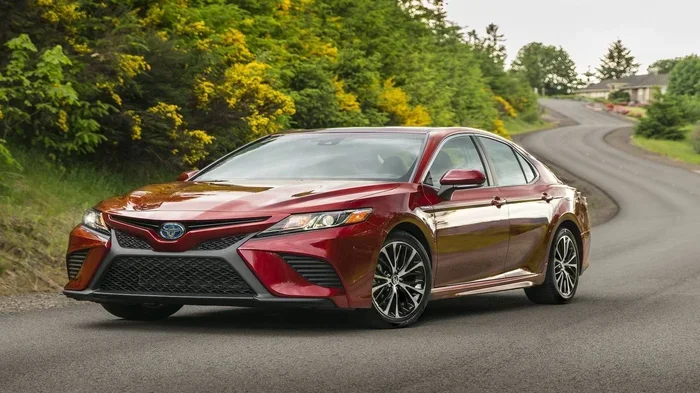
When people talk about car reliability, Toyota is almost always the first name that comes up. The Japanese automaker has earned its reputation through decades of consistent quality. Models like the Toyota Camry, Corolla, and Tacoma regularly appear on lists of the most durable vehicles on the road.
Toyota vehicles are known for their engine durability. The company uses proven technology rather than chasing every new trend. This conservative approach means fewer surprises and lower car repair costs over time. Many Toyota owners report crossing the 200,000-mile mark without major issues. Some even reach 300,000 miles with basic care.
What makes Toyota stand out even more is its global presence. The company builds cars for every climate and terrain. From the scorching heat of Arizona to the icy roads of Canada, Toyotas hold up remarkably well. This kind of car build quality does not happen by accident. It comes from years of research, testing, and refinement across different markets.
The Toyota Camry has been a best-selling sedan for decades, and longevity is a big reason why. The Corolla is another standout. It is affordable, efficient, and incredibly dependable. The Toyota Tacoma pickup truck is also a legend in the high mileage cars category. These trucks are workhorses that keep going year after year.
Honda — The Reliable Performer
Honda deserves a spot right next to Toyota on any list of best car brands for durability. The brand has a long history of producing engines that just keep running. Honda vehicles are famous for their high mileage cars status, and for good reason.
The Honda Accord and Civic are two of the most popular sedans in America, and longevity is a big reason why. These cars are designed with simplicity in mind. Fewer complicated parts mean fewer things that can go wrong. This philosophy keeps car ownership costs low over the life of the vehicle.
Honda also excels in car maintenance. Their engines are relatively easy to work on, which means mechanics can fix problems faster and cheaper. The Honda Odyssey minivan is another overlooked gem. Families rely on it for years of dependable service. If you are looking for a reliable car model that will serve you for years, Honda should be at the top of your list.
Honda’s focus on miles per gallon efficiency also plays a role in longevity. Efficient engines tend to run cleaner and experience less internal stress. This means fewer repairs and a longer overall vehicle lifespan.
Subaru — The Underrated Durability Leader
Subaru often flies under the radar when people discuss vehicle longevity. But this brand has a loyal following for good reason. Subaru vehicles, especially the Outback and Forester, are built to handle tough conditions. Their standard all-wheel drive system adds to their durability and versatility.
Subaru engines are known for being flat and horizontally opposed. This design gives them a lower center of gravity and better balance. It also reduces wear and tear over time. Many Subaru owners share stories of their vehicles reaching 250,000 miles or more with proper care.
The brand also focuses on car safety, which ties into longevity. Safer cars often have stronger frames and better materials. This means they can withstand impacts and daily wear better than less robust alternatives. Subaru proves that you do not need a luxury badge to build a lasting vehicle.
Mazda — Fun and Long-Lasting
Mazda has made huge strides in car reliability over the past decade. The brand combines sporty driving dynamics with solid build quality. Models like the Mazda3 and CX-5 are gaining popularity among buyers who want both fun and longevity.
Mazda focuses on what they call the “Jinba Ittai” philosophy. This means the horse and rider as one. This concept applies to how the company designs its vehicles. Every part works together seamlessly, reducing strain and extending the overall vehicle lifespan. Mazda may not top every reliability survey, but it is climbing fast.
The Mazda CX-5 is a great example of a crossover that combines efficiency with durability. It delivers strong miles per gallon numbers while maintaining a solid reputation for lasting quality. Mazda shows that you do not have to sacrifice fun for reliability.
Other Brands Worth Mentioning
Several other brands deserve recognition for producing durable vehicles. Lexus, Toyota’s luxury division, inherits the parent company’s reliability DNA. Lexus vehicles offer premium comfort without sacrificing the durability that Toyota is known for. Hyundai has improved dramatically in recent years. Many models now offer impressive car warranty coverage that reflects their confidence in build quality.
Even mainstream American brands have specific models that are known for lasting a long time. The Ford F-150 and Chevrolet Suburban are examples of trucks and SUVs that keep running for hundreds of thousands of miles. The car brand comparison is not always about who is the absolute best. It is about finding the right fit for your needs, budget, and driving style.
A brand that excels in trucks might not be the best choice for a daily commuter. And a brand known for sedans might not suit a family that needs an SUV. Think about your lifestyle and choose accordingly.
Why Certain Car Brands Last Longer Than Others
Understanding why some cars last longer helps you make a smarter buying decision. It is not just about luck or magic. There are real, measurable reasons behind vehicle durability. Let us break down the key factors.
Engineering and Build Quality
The foundation of any long-lasting car is its engineering. Brands that invest in quality materials and smart design produce vehicles that age better. Engine durability is a huge factor. Cars with simpler, well-tested engines tend to outlive those packed with complex technology that can fail over time.
Think of it this way. A straightforward engine with fewer electronic components has fewer points of failure. This does not mean modern technology is bad. It just means that brands like Toyota and Honda have mastered the balance between innovation and proven simplicity. Their vehicles use technology where it matters but avoid over-complicating things.
Car build quality also includes the chassis, suspension, and body. Brands that use high-grade steel and proper welding techniques create frames that resist rust and structural fatigue. This is why some cars look great after 15 years while others fall apart after five. The materials and manufacturing process matter more than most buyers realize.
Cost of Ownership and Maintenance
One of the biggest advantages of buying from a longest-lasting car brand is the lower cost of ownership. Reliable brands design their vehicles with affordable parts and accessible service networks. When something does need fixing, the repair is usually straightforward and reasonably priced.
Compare this to some luxury brands where a simple sensor replacement can cost hundreds of dollars. Over a 10-year ownership period, the difference in car repair costs between a reliable brand and a finicky one can be tens of thousands of dollars. This is why car ownership costs are such an important factor to consider before you buy.
Insurance costs also play a role. Reliable, safe vehicles often qualify for lower insurance premiums. Over time, these savings add up significantly. When you calculate the total cost of owning a car, durability directly impacts your wallet in more ways than one.
Resale Value and Depreciation
Car depreciation is the loss of value over time. Not all cars depreciate at the same rate. Vehicles from reliable car brands tend to hold their value much better. This is because buyers in the used market trust these names.
If you plan to sell or trade in your car after five or six years, a Toyota or Honda will lose less money than a brand with a questionable reliability record. Car resale value is a real financial benefit that many buyers overlook. Choosing a durable brand is essentially choosing to protect your investment.
A car that holds its value also makes it easier to upgrade. You can trade in your current vehicle and put more money toward your next one. This cycle works in your favor when you choose a brand known for lasting quality.
How to Make Your Car Last Longer
Even the most reliable brand needs proper care. You can own a Toyota, but if you never change the oil, it will still break down. Here are practical steps to maximize your vehicle’s lifespan.
Follow the Maintenance Schedule
Every car comes with a manufacturer-recommended maintenance schedule. This is not just a suggestion. It is a roadmap to keeping your car healthy. Regular oil changes, tire rotations, and brake inspections prevent small problems from becoming expensive ones.
Set reminders on your phone for each service interval. Keep a log of all maintenance work. This record not only helps you stay on track but also increases the value of your car if you decide to sell it later. A well-documented maintenance history is a powerful selling point.
Drive with Care
How you drive has a massive impact on vehicle longevity. Aggressive acceleration, hard braking, and speeding put extra stress on the engine, transmission, and brakes. Gentle driving extends the life of every component in your car.
Try to warm up your engine gently in cold weather. Avoid hauling heavy loads that exceed your vehicle’s capacity. These simple habits can add years to your car’s life. Think of your car as a long-term partner. Treat it well, and it will serve you faithfully for many years.
Address Problems Early
One of the biggest mistakes car owners make is ignoring warning signs. A strange noise, a check engine light, or a slight vibration might seem minor. But these are often early signals of bigger problems. The sooner you address an issue, the cheaper and easier the repair will be.
Build a relationship with a trusted mechanic. Someone who knows your car’s history can spot potential problems before they become serious. This proactive approach is one of the best car maintenance tips you can follow. Do not wait for something to break. Stay ahead of problems.
The Role of Maintenance in Vehicle Longevity
Maintenance is the single most important factor in how long your car lasts. Even the best-built vehicle will fail prematurely if it is neglected. Let us look at the key maintenance practices that make the biggest difference.
Oil Changes and Fluid Maintenance
Oil is the lifeblood of your engine. It lubricates moving parts, reduces friction, and carries heat away. Over time, oil breaks down and loses its effectiveness. Regular oil changes keep your engine running smoothly and prevent premature wear.
Do not forget other fluids either. Transmission fluid, coolant, brake fluid, and power steering fluid all need attention. Each one plays a critical role in keeping your car running safely and efficiently. Checking these fluids regularly takes only minutes but pays off enormously.
Use the type of oil recommended by your manufacturer. Cheap or wrong-grade oil can cause damage over time. It is a small expense that protects a much larger investment.
Tire Care and Alignment
Your tires are the only part of your car that touches the road. Proper tire maintenance improves safety, fuel efficiency, and ride comfort. Rotate your tires every 5,000 to 7,500 miles to ensure even wear. Check tire pressure monthly, as underinflated tires increase fuel consumption and wear out faster.
Wheel alignment is another often-overlooked maintenance task. Misaligned wheels cause uneven tire wear and can affect steering and handling. A simple alignment check every couple of years can extend the life of your tires and improve your driving experience. Well-maintained tires also contribute to better miles per gallon, saving you money at the pump.
Timing Belt and Chain Replacement
The timing belt or chain is one of the most critical components in your engine. If it fails, it can cause catastrophic engine damage. Most manufacturers recommend replacing the timing belt at specific intervals, usually between 60,000 and 100,000 miles. Do not skip this service, even if your car seems fine.
Some cars use timing chains instead of belts, and these are generally more durable. However, they still need periodic inspection. Ask your mechanic to check the timing chain during regular oil changes. Prevention is always cheaper than repair. A small investment now can save you thousands later.
Buying a Long-Lasting Car: What to Look For
If you are in the market for a new or used car, choosing a reliable car model from a durable brand is just the first step. Here are additional factors to consider that will help you find a vehicle built to last.
Check Reliability Ratings
Several organizations publish annual reliability ratings for car brands and models. Consumer Reports, J.D. Power, and RepairPal are excellent resources. These ratings are based on real-world data from thousands of vehicle owners. Look for models that score above average in engine, transmission, and electrical systems.
Do not rely on a single source. Cross-reference multiple ratings to get a well-rounded picture. A car that scores well across several surveys is a strong candidate for long-term ownership. Pay attention to trends too. A brand that is improving its scores year over year is a smart choice.
Consider the Used Car Market
Buying a used car from a longest-lasting car brand can be one of the smartest financial decisions you make. A well-maintained Toyota or Honda with 100,000 miles can still have many years of life left. The key is to get a vehicle history report and have a trusted mechanic inspect the car before purchase.
When shopping for used car buying, look for models that are known for their durability. Avoid cars with a history of accidents or major repairs. A clean maintenance record is worth more than low mileage alone. A car that was driven gently and serviced regularly will outlast one that was neglected, even if the neglected car has fewer miles on the odometer.
Understand Your Car Warranty
A good car warranty gives you peace of mind, especially in the early years of ownership. Many brands now offer powertrain warranties that cover 10 years or 100,000 miles. Some even provide bumper-to-bumper coverage for 3 years or 36,000 miles.
Read the warranty details carefully. Understand what is covered and what is not. Some warranties also include roadside assistance and complimentary maintenance. These perks add real value, especially if you are buying from a brand known for its car reliability. A strong warranty often reflects the manufacturer’s confidence in their own products.
Common Mistakes That Shorten Your Car’s Life
Avoiding certain habits can significantly extend your vehicle’s lifespan. Many car owners unknowingly do things that accelerate wear and tear. Here are the most common mistakes to watch out for.
Skipping Regular Maintenance
This is the number one killer of car longevity. Skipping oil changes, ignoring fluid checks, and postponing tire rotations might save a little money in the short term. But the cost of major repairs down the road far outweighs these small savings. Stay on top of your maintenance schedule no matter what.
Overloading Your Vehicle
Every car has a maximum payload capacity. Exceeding this limit strains the engine, suspension, brakes, and transmission. If you regularly carry heavy loads, choose a vehicle rated for the weight. Your car will thank you with extra years of service. Check your owner’s manual for the exact payload limits.
Ignoring Dashboard Warning Lights
Dashboard warning lights exist for a reason. They are your car’s way of communicating problems early. Ignoring a check engine light or a temperature warning can lead to serious and expensive damage. When a light comes on, get it checked promptly. A quick diagnostic scan could save you from a major repair bill.
Final Thoughts on Car Longevity
The answer to what car brand lasts the longest is clear: Toyota, Honda, Subaru, and Mazda consistently prove their durability year after year. These brands combine solid engineering, affordable maintenance, and strong resale value to deliver vehicles that stand the test of time.
But remember, the brand is only part of the equation. Your maintenance habits, driving style, and attention to small problems all play a huge role. A well-cared-for car from a reliable brand can easily surpass 200,000 miles. That is more than enough to make your investment worthwhile.
When you are ready to buy your next car, keep these insights in mind. Choose a brand known for vehicle longevity, commit to regular maintenance, and drive with care. Your future self will thank you every time you turn the key and your car starts without a hitch.
The road ahead is long. Choose the right brand, take care of your car, and enjoy the journey. What car brand lasts the longest is a question with a clear answer. And now you have the knowledge to make the best choice for your next vehicle.
Frequently Asked Questions
What is the longest-lasting car brand?
Toyota is widely regarded as the longest-lasting car brand. Models like the Toyota Camry, Corolla, and Tacoma consistently rank at the top of reliability surveys. With proper maintenance, many Toyota vehicles easily surpass 200,000 miles and continue running strong for years beyond that.
How many miles can a reliable car last?
A well-maintained car from a reliable brand can last 200,000 to 300,000 miles or more. The key factors are regular maintenance, gentle driving, and addressing issues promptly. Brands like Toyota, Honda, and Subaru are known for producing vehicles that reach these high mileage milestones regularly.
Is it better to buy a new or used car for longevity?
Buying a used car from a trusted brand can be an excellent choice for longevity. A well-maintained used vehicle with 80,000 to 100,000 miles often has many more years of life ahead. Just make sure to get a thorough inspection and a vehicle history report before purchasing.
Does car maintenance really make that big of a difference?
Absolutely. Regular maintenance is the single most important factor in extending your car’s lifespan. Simple tasks like oil changes, fluid checks, and tire rotations prevent major breakdowns and keep your vehicle running smoothly for many years. Skipping maintenance is the fastest way to shorten your car’s life.
Are luxury brands less reliable than mainstream brands?
Not always, but luxury brands tend to have higher car repair costs and more complex systems that can be expensive to fix. Mainstream brands like Toyota and Honda focus on proven simplicity, which often translates to better long-term reliability and lower ownership costs over time.
What is the most cost-effective car brand to own long-term?
Toyota and Honda are generally the most cost-effective brands for long-term ownership. They offer low car repair costs, strong car resale value, and widely available parts. Their vehicles are designed to be affordable to maintain, which makes them excellent choices for buyers who want to keep their cars for many years.