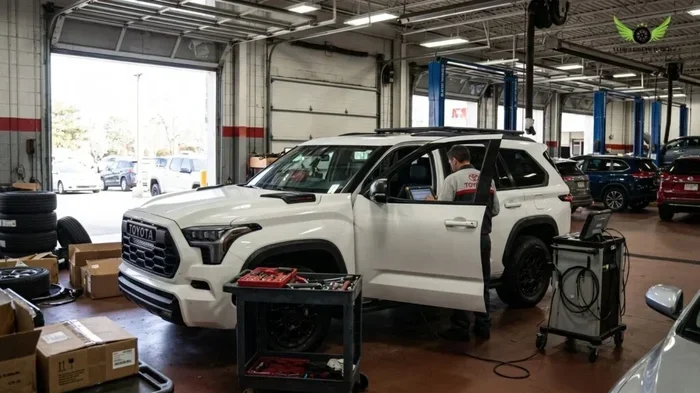
Are Toyota Sequoias Expensive to Maintain Long Term
Toyota Sequoia maintenance costs are moderate compared to other full-size SUVs. Routine services like oil changes and brake pads fall in the average range, while major repairs can spike expenses. With proper care, a Sequoia can easily surpass 200,000 miles, keeping long-term ownership affordable.
When you buy a Toyota Sequoia, you are getting a massive, powerful SUV built to handle towing, hauling, and family road trips. But one question always comes up before signing the paperwork: Are Toyota Sequoias expensive to maintain? The short answer is no, not really. Compared to other full-size SUVs in its class, the Sequoia holds its ground quite well. But what does the full picture look like over five, ten, or even fifteen years of ownership?
Understanding Toyota Sequoia maintenance cost before you buy can save you from nasty surprises down the road. This guide breaks down every major expense category, from routine oil changes to unexpected repairs. We also share practical tips to keep your bills low and your Sequoia running strong for the long haul. Whether you are a current owner or shopping for your next truck-SUV hybrid, this article covers what you need to know.
The Sequoia has been a staple in Toyota’s lineup since 2000. It sits above the 4Runner and below the Land Cruiser in Toyota’s SUV hierarchy. Built on a rugged body-on-frame platform, it shares many components with the Tundra pickup truck. This shared architecture means parts are widely available and labor costs stay reasonable at most shops. Toyota Sequoia reliability is well documented, with many examples clocking over 250,000 miles with only routine upkeep.
Key Takeaways
- Routine maintenance is affordable: Standard services like oil changes and tire rotations cost between $150 and $400 per visit.
- Major repairs are the real cost driver: Suspension components, transmission work, and engine repairs can range from $500 to $3,000+.
- Toyota reliability helps keep costs low: The Sequoia consistently ranks among the most dependable full-size SUVs on the road.
- DIY maintenance saves significant money: Simple tasks like air filter swaps and wiper blade replacements are easy to handle at home.
- Long-term ownership is manageable: With a solid maintenance schedule, Sequoia owners can expect reasonable upkeep even past 150,000 miles.
- Insurance and fuel add to the picture: Factor in these ongoing costs when budgeting for full-size SUV ownership.
📑 Table of Contents
- Breaking Down Toyota Sequoia Maintenance Costs
- Toyota Sequoia Maintenance Schedule: What to Expect
- Common Toyota Sequoia Problems and How to Avoid Them
- Fuel and Insurance Costs: The Hidden Expenses
- Toyota Sequoia Long-Term Reliability: What Owners Say
- How to Budget for Toyota Sequoia Ownership
- Is the Toyota Sequoia Worth the Maintenance Cost?
- Conclusion
Breaking Down Toyota Sequoia Maintenance Costs
Let us get into the numbers. Toyota Sequoia repair costs vary widely depending on the model year, mileage, and driving conditions. However, we can break the expenses into clear categories so you know what to expect.
Routine Maintenance Costs
Routine maintenance is the backbone of keeping any vehicle healthy. For the Sequoia, these are the services you will encounter most often:
- Oil changes: Every 5,000 to 7,500 miles, depending on your driving style. Expect to pay around $65 to $120 per change.
- Tire rotations: Every 5,000 to 7,500 miles. Most shops charge between $30 and $50 for this service.
- Brake inspections: Done during every oil change. Brake pad replacement typically runs $250 to $400 per axle.
- Air filter replacements: Every 15,000 to 30,000 miles. These cost around $40 to $60 if done at a dealer.
- Transmission fluid changes: Every 60,000 to 100,000 miles. Budget $150 to $300 for a proper fluid swap.
Overall, annual routine maintenance for a Sequoia averages around $500 to $800. That is slightly above the national average for SUVs but well below what you would pay for a luxury full-size SUV like a Cadillac Escalade.
Major Repair Costs
Major repairs are where costs can jump significantly. Here are the most common expensive repairs for the Sequoia:
- Suspension components: Control arms, ball joints, and tie rods can wear out, especially on older models with higher mileage. Replacement costs range from $400 to $1,200 per component.
- Transmission repairs: The 5-speed or 6-speed automatic transmission in the Sequoia is generally reliable. However, if it fails, rebuild costs can reach $2,500 to $4,000.
- Engine repairs: The 5.7-liter V8 is a durable engine. Major engine work is rare but can cost $3,000 or more if it happens.
- Electrical issues: Older model years sometimes experience problems with the infotainment system, sensors, or wiring harnesses. Repairs can range from $200 to $800 depending on the component.
The key takeaway here is that major repairs are uncommon. The Sequoia’s simple, proven engineering means fewer things go wrong compared to more complex vehicles.
Toyota Sequoia Maintenance Schedule: What to Expect
Staying on top of your Toyota Sequoia service schedule is the best way to prevent expensive breakdowns. Toyota provides a detailed maintenance plan in the owner’s manual, and following it closely pays off over time.
Mileage-Based Service Intervals
Here is a simplified breakdown of what to expect at various mileage milestones:
- Every 5,000 miles: Oil change, tire rotation, and basic inspection. This is the most frequent service and the most affordable.
- Every 15,000 miles: Replace the engine air filter and cabin air filter. Inspect brake pads and rotors for wear.
- Every 30,000 miles: Replace spark plugs. Check the drive belt and hoses. Flush the coolant if needed.
- Every 60,000 miles: Replace brake fluid. Inspect the suspension thoroughly. Check the transmission fluid condition.
- Every 100,000 miles: Major service interval. Replace spark plugs again if not done at 60,000. Inspect exhaust system, steering components, and drivetrain.
Following this schedule keeps your Sequoia in top shape and helps maintain strong Toyota reliability rating scores. Skipping services may save a little money short-term but almost always leads to bigger bills later.
DIY vs. Dealer Service
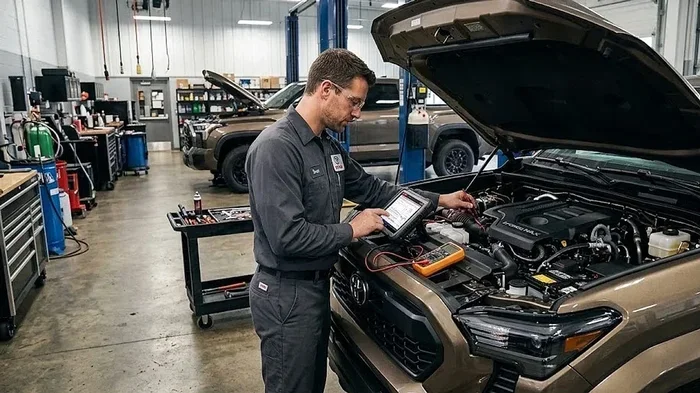
One of the best ways to cut Toyota Sequoia maintenance cost is to handle simple tasks yourself. Oil changes, air filter replacements, and wiper blade swaps are straightforward jobs that anyone can learn. A basic socket set and a few hours of your time can save you $100 or more per service visit.
For more complex work like transmission services or suspension repairs, a trusted independent mechanic is your best bet. Dealer rates typically run $150 to $200 per hour, while independent shops charge $80 to $120 per hour. The savings add up quickly over the life of the vehicle.
Common Toyota Sequoia Problems and How to Avoid Them
No vehicle is perfect, and the Sequoia has its share of known issues. Being aware of these problems helps you catch them early and avoid costly repairs.
Frame Rust
Older Sequoias, particularly those from the first generation (2001-2007), are prone to frame rust in northern climates where road salt is used. Inspecting the frame regularly and applying undercoating can prevent serious structural damage. If rust is caught early, repairs are manageable. Left unchecked, frame rust can become a safety hazard and a very expensive fix.
Upgraded Suspension Wear
Many Sequoia owners lift their trucks or add aftermarket suspension components. While this looks great and improves off-road capability, it can accelerate wear on CV joints, tie rods, and ball joints. If you have a lifted Sequoia, inspect these components more frequently than the standard service schedule recommends.
Coolant Leaks
Some model years experience coolant leaks from the water pump or radiator hoses. These are relatively inexpensive to fix when caught early, but a coolant leak left unattended can lead to engine overheating and severe damage. Check your coolant level regularly and address any drops immediately.
Exhaust Manifold Cracks
The 5.7-liter V8 engine in some Sequoias develops cracks in the exhaust manifold over time. Symptoms include a ticking noise on startup and reduced fuel efficiency. Replacing the manifold costs between $800 and $1,500, but the repair is straightforward for most mechanics.
Fuel and Insurance Costs: The Hidden Expenses
When people ask about Toyota Sequoia maintenance cost, they often forget to factor in fuel and insurance. These ongoing expenses can significantly impact your total ownership cost.
Fuel Economy
The Sequoia is not a fuel-efficient vehicle. The 5.7-liter V8 delivers around 13 to 16 miles per gallon in combined driving. If you drive 15,000 miles per year and fuel averages $3.50 per gallon, you are looking at roughly $3,300 to $4,000 in fuel costs annually. This is a significant ongoing expense that potential buyers should consider carefully.
If you are curious about how the Sequoia compares for long trips, are hybrid cars good for long distance driving is a related question worth exploring. Hybrid SUVs generally offer much better fuel economy, which can offset higher purchase prices over time.
Insurance Costs
Insurance for a full-size SUV like the Sequoia runs higher than for a midsize SUV or sedan. Annual premiums typically range from $1,400 to $2,200 depending on your location, driving record, and coverage level. Shopping around for quotes and bundling policies can help reduce this cost.
Toyota Sequoia Long-Term Reliability: What Owners Say
The Sequoia has a strong reputation for longevity. Many owners report driving their trucks well past 200,000 miles with only routine maintenance. This kind of durability is a major factor in keeping long-term ownership costs manageable.
Real-World Ownership Reports
Online forums and owner surveys consistently show that the Sequoia is one of the most dependable full-size SUVs available. Common complaints center on minor electrical gremlins and occasional suspension wear, but nothing that resembles a systemic or widespread failure.
When compared to competitors like the Chevrolet Tahoe or Ford Expedition, the Sequoia often comes out ahead in reliability surveys. The Toyota reliability rating for the Sequoia consistently earns top marks from both J.D. Power and Consumer Reports.
Resale Value Considerations
One factor that makes the Sequoia more affordable to own long-term is its strong resale value. Toyota trucks hold their value exceptionally well. A Sequoia that is ten years old might still retain 50 to 60 percent of its original purchase price. This means your cost per mile of ownership drops significantly over time.
For those interested in the relationship between vehicle age and reliability, the question are hybrids reliable after 100k miles is relevant. While the Sequoia is not a hybrid, the same principles of Toyota engineering and durability apply. The brand’s reputation for longevity extends across its entire lineup.
How to Budget for Toyota Sequoia Ownership
Planning your budget around the Sequoia is straightforward once you understand the cost breakdown. Here is a practical approach to managing your expenses:
- Set aside $100 per month for routine maintenance. Over a year, this gives you $1,200, which covers most scheduled services with money left over.
- Build an emergency fund of at least $1,000 for unexpected repairs. Even reliable vehicles need occasional fixes.
- Track your expenses using a simple spreadsheet or app. Knowing where your money goes helps you identify trends and plan ahead.
- Consider extended warranties for older models. A good warranty can cover major repair costs and give you peace of mind.
For those who enjoy keeping their vehicle tech up to date, you might wonder can I download an app to start my car. Modern Toyota models offer connected features through the Toyota app, allowing remote start and other convenient functions. While the Sequoia may not have the latest tech suite, basic connectivity features are available on newer model years.
Another consideration for families is the interior setup. Are car seats easy to take out is a common concern for Sequoia owners with young children. The second and third rows do require some effort to fold down, but the overall usability is solid for families who need space and safety.
Is the Toyota Sequoia Worth the Maintenance Cost?
After breaking down all the numbers, the answer is clear. The Toyota Sequoia is not an expensive vehicle to maintain, especially when you consider its size, capability, and longevity. Routine services are affordable, major repairs are uncommon, and the truck holds its value remarkably well.
Compared to luxury full-size SUVs, the Sequoia saves you thousands of dollars in maintenance over the first decade of ownership. Compared to other non-luxury full-size SUVs, the Sequoia holds its own with slightly above-average costs that are easily offset by its reliability and resale value.
If you are someone who drives long distances regularly, you will appreciate the Sequoia’s comfort and capability on road trips. However, you should also be aware that fuel costs are a real factor. If you are curious about driving a large SUV efficiently, checking out are you supposed to drive with high beams on might seem unrelated, but proper lighting and driving habits do contribute to overall vehicle care and safety on long journeys.
For families who need a reliable, spacious, and capable SUV, the Sequoia delivers exceptional value. The maintenance costs are reasonable, the reliability is proven, and the ownership experience is consistently positive. If you take care of your Sequoia with regular services and prompt repairs, it will reward you with years of dependable performance.
One final consideration: protecting the interior of your Sequoia matters for long-term ownership. Simple accessories like are car sun visors legal to use as aftermarket accessories can help preserve the dashboard and interior surfaces from sun damage, keeping the cabin looking great for years to come.
Conclusion
Are Toyota Sequoias expensive to maintain long term? The answer is a reassuring no. With routine maintenance costs averaging $500 to $800 per year, affordable parts availability, and a reputation for durability that stretches well past 200,000 miles, the Sequoia proves that big does not have to mean expensive. The key is staying proactive with your service schedule, addressing small issues before they become big ones, and budgeting realistically for fuel and insurance.
If you are considering adding a Sequoia to your garage, you are making a smart choice. This truck offers the perfect blend of capability, comfort, and long-term ownership affordability. Keep up with the maintenance, drive it with care, and your Sequoia will serve you well for many years to come.
Frequently Asked Questions
What is the average annual maintenance cost for a Toyota Sequoia?
Most Sequoia owners spend between $500 and $800 per year on routine maintenance. This includes oil changes, tire rotations, brake inspections, and fluid replacements. Major repairs are uncommon but can add $500 to $3,000+ when they do occur.
Are Toyota Sequoia parts expensive?
No, Sequoia parts are reasonably priced compared to other full-size SUVs. Because the Sequoia shares components with the Tundra and other Toyota models, parts are widely available and competitively priced at both dealers and aftermarket suppliers.
How often does a Toyota Sequoia need major repairs?
Major repairs are infrequent on the Sequoia. Most owners go 5 to 7 years between significant repair events. The 5.7-liter V8 engine and automatic transmission are known for their durability, which keeps long-term repair costs low.
Is it cheaper to maintain a Sequoia yourself or at a shop?
DIY maintenance can save you 30 to 50 percent on routine services. Simple tasks like oil changes, air filter replacements, and wiper blade swaps are easy to handle at home. For complex repairs, an independent mechanic is usually more affordable than a dealer.
How does the Sequoia’s maintenance cost compare to other full-size SUVs?
The Sequoia is generally cheaper to maintain than luxury full-size SUVs like the Cadillac Escalade or Lincoln Navigator. It is slightly above average compared to non-luxury competitors, but the difference is small and offset by strong resale value and reliability.
Can high mileage increase Toyota Sequoia maintenance costs significantly?
Maintenance costs do increase with mileage, but not dramatically. Expect slightly higher expenses for suspension components, brake jobs, and fluid changes after 150,000 miles. Overall, the Sequoia remains one of the more affordable high-mileage SUVs to own.