What Causes Hybrid Batteries to Fail and How to Fix It
Hybrid batteries fail due to aging, cell imbalance, extreme temperatures, and poor maintenance habits. Understanding the root causes of hybrid battery failure helps you avoid costly repairs and keep your hybrid car battery running strong for years. This guide covers every major cause, practical fixes, and simple prevention tips you can start using today.
Hybrid batteries are the heart of every hybrid vehicle. They work quietly behind the scenes, storing energy and powering your car through electric-only driving. But here is the thing — hybrid batteries do not last forever. Over time, they wear out, lose capacity, and eventually fail. When that happens, drivers face a big decision: repair or replace?
If you have ever wondered what causes hybrid batteries to fail, you are not alone. Thousands of hybrid car owners search for answers every month. The good news is that most battery failures are not random. They follow predictable patterns. And once you understand those patterns, you can take action to protect your investment.
This article breaks down every major cause of hybrid battery failure. We will look at real-world reasons, practical fixes, and easy prevention steps. Whether you drive a Toyota Prius, a Ford Escape Hybrid, or any other hybrid vehicle, this guide will help you understand your hybrid battery better. Let us get into it.
Key Takeaways
- Age and mileage are the biggest culprits: Most hybrid batteries degrade after 8 to 10 years or 100,000 miles.
- Cell imbalance kills battery packs: When one module underperforms, the entire battery pack suffers.
- Extreme heat and cold accelerate battery degradation: Poor thermal management shortens hybrid battery life significantly.
- Regenerative braking plays a huge role: How you drive directly impacts battery health and longevity.
- Reconditioning is cheaper than full replacement: A hybrid battery repair can save you hundreds or thousands of dollars.
- Regular hybrid battery maintenance goes a long way: Simple habits can add years of life to your battery pack.
- Warranty coverage may protect you: Many automakers offer 8 to 10-year hybrid battery warranty plans.
📑 Table of Contents
What Are Hybrid Batteries and Why Do They Matter
Before we talk about failure, let us quickly cover what hybrid batteries actually do. A hybrid car battery stores electrical energy and delivers it to the electric motor. It also captures energy during braking through a process called regenerative braking. This energy recapture is what makes hybrid vehicles so fuel-efficient.
Most hybrid cars use either a nickel-metal hydride battery or a lithium-ion hybrid battery. Nickel-metal hydride packs have been the standard for years. They are durable and reliable. Lithium-ion packs are newer and lighter. Both types serve the same purpose but differ in chemistry and lifespan.
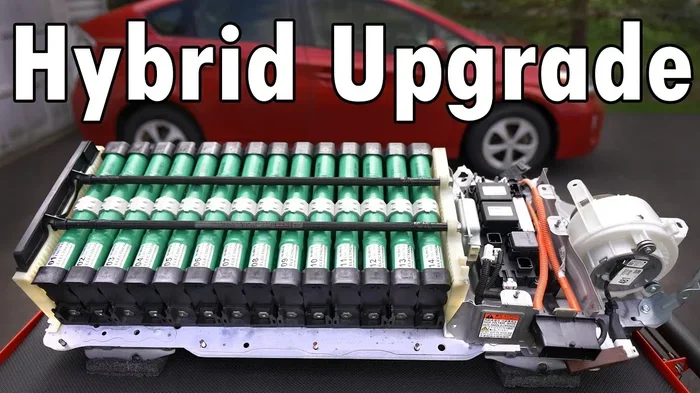
Your battery pack is made up of many smaller battery modules connected together. Each module contains individual battery cells. When even one cell starts to fail, it can drag down the entire system. Understanding this structure is key to understanding why hybrid battery failure happens in the first place.
Top Causes of Hybrid Battery Failure
Hybrid batteries do not just stop working overnight. There are specific reasons behind every failure. Let us walk through the most common causes one by one.
Age and Mileage Degradation
Nothing lasts forever, and that includes hybrid batteries. Most manufacturers design their hybrid battery life to last between 8 and 10 years or around 100,000 to 150,000 miles. After that point, you will naturally see a decline in hybrid battery health.
As a battery ages, its ability to hold a full charge decreases. You might notice your fuel economy dropping or the battery not holding as much power as it used to. This is called battery degradation, and it is completely normal.
However, some batteries degrade faster than others. Driving habits, climate, and maintenance all play a role. If you are past the 10-year mark and seeing warning lights, age-related battery degradation is likely the main cause.
Cell Imbalance and Module Issues
This is one of the most common reasons for hybrid battery failure, and it often catches people off guard. A battery cell imbalance happens when one or more cells in the pack perform differently from the rest.
Think of it like a chain. The chain is only as strong as its weakest link. If one battery module underperforms, the entire battery pack has to work harder. Over time, this imbalance causes the healthy cells to overcompensate, which leads to faster wear across the board.
Cell imbalance can result from:
- Uneven charging cycles
- A single damaged or weak cell
- Corroded module connections
- Manufacturing defects in one module
Fixing a battery cell imbalance early can save you from a full hybrid battery replacement. Many professional shops specialize in hybrid battery repair and can rebalance the cells without replacing the entire pack.
Extreme Temperature Exposure
Heat is the number one enemy of hybrid batteries. Cold weather is not great either, but heat causes the most damage. When temperatures soar, the chemical reactions inside the battery accelerate. This speeds up battery degradation and reduces overall hybrid battery life.
Your car has a battery cooling system designed to regulate temperature. But if that system fails or if you live in an extremely hot climate, the battery takes a beating. Parking in direct sunlight for years can quietly damage the pack from the inside.
Cold weather is a different kind of threat. Low temperatures reduce the battery’s ability to accept a charge. In freezing climates, drivers may notice reduced electric-only driving range and slower regenerative braking performance. Over time, repeated cold-weather strain can weaken the pack.
Pro tip: If you live in a hot area, try to park in shaded or covered spots whenever possible. A good battery cooling system check during routine hybrid vehicle maintenance can also prevent heat-related damage.
Faulty Battery Management System
Every modern hybrid has a battery management system, often called a BMS. This computer monitors the health of every cell and module in the pack. It controls charging, discharging, and temperature regulation.
When the battery management system malfunctions, it can cause serious problems. It might overcharge certain cells, undercharge others, or fail to cool the pack properly. All of these issues lead to premature battery degradation.
A faulty BMS can be caused by:
- Software glitches or outdated firmware
- Wiring harness damage
- Sensor failures inside the pack
- Water damage or corrosion to electronic components
If your hybrid battery is failing but the cells themselves look healthy, the BMS might be to blame. A diagnostics scan at a qualified repair shop can reveal whether the management system is the real problem.
Poor Maintenance Habits
Here is something many drivers overlook: how you treat your car affects your hybrid battery more than you might think. Poor maintenance habits are a leading cause of early hybrid battery failure.
For example, constantly running your car on a very low charge can stress the battery. Similarly, always driving in a way that avoids regenerative braking means you are not using the battery as designed. Both extremes can shorten hybrid battery life.
Other bad habits include:
- Ignoring warning lights on the dashboard
- Skipping scheduled hybrid battery maintenance appointments
- Using incompatible chargers or accessories
- Leaving the car unused for extended periods
The good news is that these are all easy to fix. Simple changes in how you drive and maintain your vehicle can add years of life to your hybrid batteries.
How to Tell If Your Hybrid Battery Is Failing
Spotting the early signs of hybrid battery failure can save you from being stranded. Here are the most common warning signs to watch for:
- Reduced fuel economy: Your gas mileage drops noticeably even with normal driving habits.
- Battery warning light: The dashboard shows a hybrid battery or check engine light.
- Rough idle or stalling: The car stalls at stoplights or struggles to hold a charge.
- Loss of electric-only mode: Your vehicle no longer switches to electric driving.
- Unusual noises: You hear clicking, buzzing, or whining sounds from the battery area.
- Charge doesn’t hold: The battery drains quickly or fails to reach full capacity.
If you notice any of these symptoms, get your hybrid battery health checked as soon as possible. Early detection often means a cheaper fix. A professional diagnostic test can pinpoint whether the issue is a single module, a cell imbalance, or something more serious like a failing battery management system.
How to Fix a Failing Hybrid Battery
So you have confirmed your hybrid battery is failing. Now what? You have several options, and they vary widely in cost and complexity.
Battery Reconditioning and Repair
Hybrid battery repair through reconditioning is often the best first step. This process involves testing each battery module individually, replacing the weak cells, and rebalancing the pack. It does not require swapping out the entire battery pack.
Reconditioning typically costs between $1,500 and $3,000, depending on the vehicle model and the extent of the damage. That is a fraction of what a full replacement costs. Many shops offer warranties on their hybrid battery repair work, giving you peace of mind.
This option works best when the failure is caused by a battery cell imbalance or one or two weak modules. If the entire pack is degraded due to age, reconditioning may only provide a temporary fix.
Full Battery Replacement
When the damage is too widespread, a full hybrid battery replacement becomes necessary. A new or refurbished battery pack can cost anywhere from $2,000 to $8,000 or more. The price depends on the vehicle make, model, and whether you choose a new OEM unit or a remanufactured one.
OEM replacement batteries come with a manufacturer warranty, which is a huge advantage. Remanufactured or refurbished packs are more affordable but may come with shorter warranties. Always ask about the warranty before committing to a replacement.
Here is a quick comparison:
- OEM New Battery: Highest quality, full warranty, most expensive.
- Remanufactured Battery: Good value, decent warranty, moderate cost.
- Used Battery: Cheapest option, but risky and unpredictable lifespan.
Before choosing a replacement, get quotes from at least three shops. Compare the warranty terms and ask about hybrid battery recycling options for your old pack. Many states now require proper hybrid battery recycling, and reputable shops will handle this for you.
DIY Tips to Extend Battery Life
There are things you can do at home to keep your hybrid battery healthy. These simple habits go a long way toward preventing hybrid battery failure:
- Drive smoothly: Avoid aggressive acceleration and hard braking. Gentle driving reduces stress on the battery pack.
- Use regenerative braking: Coast to stops when possible. This charges the battery naturally and keeps the cells balanced.
- Keep your battery charged: Do not let the battery sit at a very low state of charge for extended periods.
- Check the cooling system: Make sure your battery cooling system is functioning properly during every oil change or service visit.
- Stay on top of software updates: Some automakers release BMS updates that improve battery performance and longevity.
- Avoid extreme temperatures when possible: Park in the shade in summer and use a garage in winter.
Hybrid Battery Replacement Cost and Warranty
The hybrid battery cost is one of the biggest concerns for hybrid car owners. Nobody wants to be surprised by a massive repair bill. Understanding what affects the price can help you make a smarter decision.
Several factors influence the hybrid battery cost:
- Vehicle model: Luxury hybrids and larger SUVs have bigger, more expensive packs.
- Battery type: Lithium-ion packs generally cost more than nickel-metal hydride units.
- New vs. refurbished: New OEM batteries carry a premium price tag.
- Labor costs: Replacement involves significant labor, especially in newer models with integrated battery systems.
Here is the good news. Most automakers offer an 8-year or 10-year hybrid battery warranty. In many states, this warranty extends up to 100,000 miles. If your battery fails within the warranty period, the replacement may be fully covered.
Even if your warranty has expired, do not assume you need a brand-new battery. A quality refurbished or reconditioned pack can restore your hybrid battery health at a much lower price. Always ask the shop about their warranty and hybrid battery recycling practices before proceeding.
Preventing Future Hybrid Battery Problems
Prevention is always better than cure. The best way to deal with hybrid battery failure is to stop it from happening in the first place. Here are the best prevention strategies:
- Follow the manufacturer’s maintenance schedule: Regular hybrid vehicle maintenance catches small problems before they become big ones.
- Monitor your battery health: Use an OBD-II scanner or visit a shop for periodic hybrid battery health checks.
- Drive consistently: Avoid short trips that keep the battery in a constant state of partial charge.
- Address warning signs immediately: Do not ignore dashboard lights or unusual performance changes.
- Choose quality repairs: When you need hybrid battery repair, work with certified technicians who understand hybrid batteries.
Taking these steps seriously can add several years to your hybrid battery life. Many drivers get 150,000 miles or more out of their original battery pack with proper care. Your hybrid battery is a durable component — but only if you treat it right.
Conclusion
Hybrid battery failure is not inevitable. While age and mileage will eventually take their toll, most failures are caused by preventable factors. Cell imbalance, extreme temperatures, a faulty battery management system, and poor maintenance habits all play a role.
The good news is that you have the power to protect your hybrid batteries. By understanding the causes, recognizing the warning signs early, and following the prevention tips in this guide, you can significantly extend the life of your battery pack. And if failure does occur, you now know that hybrid battery repair and reconditioning are often more affordable and practical than a full hybrid battery replacement.
Take charge of your hybrid battery health today. Schedule a checkup, review your driving habits, and stay on top of maintenance. Your wallet — and your wallet’s fuel savings — will thank you for years to come.
Frequently Asked Questions
How long do hybrid batteries typically last?
Most hybrid batteries last between 8 and 10 years or 100,000 to 150,000 miles. With proper care, some drivers extend that lifespan well beyond 150,000 miles. Your driving habits and climate play a big role in determining actual hybrid battery life.
Is it worth replacing a hybrid battery?
Yes, in most cases. A new or refurbished hybrid battery can restore your vehicle’s fuel efficiency and performance. The hybrid battery cost varies, but many owners find the investment worthwhile because it extends the life of their car significantly.
Can you drive a hybrid with a bad battery?
Technically yes, but it is not recommended. A failing hybrid car battery reduces fuel economy, causes rough idling, and may leave you stranded. Continuing to drive on a bad battery can also damage other components like the battery management system.
How much does hybrid battery replacement cost?
The hybrid battery cost ranges from $2,000 to $8,000 depending on the vehicle and battery type. OEM replacements cost more, while refurbished or remanufactured packs offer a more affordable alternative. Always compare quotes and check warranty coverage before deciding.
Can hybrid battery failure be prevented?
Absolutely. Many causes of hybrid battery failure are preventable. Regular hybrid battery maintenance, smooth driving habits, proper temperature management, and addressing warning signs early can all significantly reduce the risk of failure.
What happens to old hybrid batteries?
Old hybrid batteries should be recycled properly through certified hybrid battery recycling programs. These batteries contain valuable metals and chemicals that can be recovered and reused. Many replacement shops handle the recycling process for you at no extra charge.