Can Toyota Last 500000 Miles Without Any Major Issues
Yes, a Toyota can last 500000 miles without major issues when properly maintained. Toyota vehicles are known worldwide for their reliability, durable engines, and long service life. With regular oil changes, timely part replacements, and smart driving habits, many Toyotas easily cross the half-million-mile mark. Let us show you exactly how to make it happen.
Toyota has earned a reputation that few car brands can match. When people talk about vehicles that just keep going and going, Toyota is almost always the first name that comes up. But can Toyota last 500000 miles without any major issues? The short answer is yes. The longer answer is that it depends on the model, the maintenance, and how you drive. In this guide, we will walk through everything you need to know about pushing your Toyota to half a million miles and beyond.
Owning a car for 500,000 miles might sound extreme. But it is more common than you think. Thousands of Toyota owners across the world have hit that milestone. Some have even gone past 700,000 miles. What sets these vehicles apart? It is a mix of solid engineering, quality parts, and consistent care. Whether you drive a daily commuter or a work truck, understanding how to keep your Toyota healthy for the long haul is invaluable.
This article covers the best Toyota models for high mileage, the maintenance schedule you need to follow, common problems at 300,000 miles and up, and practical tips that actually work. We have also included expert insights and real-world examples to help you plan your ownership journey. Let us get into it.
Key Takeaways
- Toyota builds some of the longest lasting vehicles on the road. Models like the Camry, Corolla, and Tacoma regularly hit 500,000 miles.
- Regular maintenance is the single biggest factor. Staying on top of oil changes, fluid flushes, and belt replacements keeps engines running strong.
- Driving habits matter a lot. Gentle acceleration, proper warming up, and avoiding overloading your car all extend engine life.
- Certain Toyota models are legendary for durability. The 2JZ engine, 1GR-FE V6, and hybrid powertrains are built with longevity in mind.
- Replacing worn parts early prevents costly repairs later. Catching small issues before they grow saves thousands of dollars over time.
- Hybrid Toyotas tend to have fewer drivetrain problems at high mileage. The electric motor reduces wear on the gas engine.
📑 Table of Contents
Why Toyota Engines Are Built to Last
The Engineering Behind Toyota Reliability
Toyota does not cut corners when designing engines. The company uses a philosophy called kaizen, which means continuous improvement. Every engine Toyota builds goes through years of testing and refinement. The result is a powerplant that is simple, efficient, and incredibly durable.
Toyota engines use fewer complex parts than many competitors. Fewer parts means fewer things that can break. The 2JZ engine found in older Supras and Camrys is a perfect example. This inline-six engine has been known to handle over 1,000 horsepower with basic internals. Stock versions regularly survive 400,000 to 500,000 miles with nothing more than routine maintenance.
The company also focuses heavily on thermal management. Toyota engines run cooler than many rivals, which reduces wear on internal components. Less heat means less stress on the head gasket, pistons, and bearings. Over hundreds of thousands of miles, this advantage really adds up.
Materials and Build Quality
Toyota uses high-grade cast iron and aluminum alloys in their engine blocks. These materials resist warping and cracking under heat and pressure. The company also pays close attention to tolerances, which is the space between moving parts. Tight tolerances mean less friction, and less friction means a longer engine life.
Many Toyota engines also feature cast-iron cylinder sleeves. These sleeves protect the cylinder walls from wear. Even after 300,000 miles, the cylinders on a well-maintained Toyota engine can still be in excellent shape. This is one reason why used Toyotas with high mileage remain so popular on the used car market.
Best Toyota Models That Hit 500,000 Miles
Toyota Camry
The Camry is perhaps the most famous long-distance Toyota. This midsize sedan has been a household name for decades. Many Camry owners report crossing the 300,000-mile mark without a single major repair. With proper care, reaching 500,000 miles is entirely realistic.
The 2.4-liter 2AZ-FE and the 3.5-liter V6 are two of the most reliable engines Toyota has ever produced. The 2AZ-FE is known for its simplicity and strength. The V6 version offers more power and still holds up beautifully over time. If you want a reliable daily driver that can go the distance, the Camry is hard to beat.
Toyota Corolla
The Corolla is Toyota’s best-selling car of all time. It is also one of the most reliable small cars ever made. The 1.8-liter 2ZR-FE engine found in modern Corollas is a workhorse. It is designed for efficiency and longevity, not raw power.
Corolla owners frequently report 300,000 to 400,000 miles with only basic maintenance. With extra attention to the cooling system and transmission fluid, pushing past 500,000 miles is absolutely possible. The key is to never skip scheduled services and to address small issues immediately.
Toyota Tacoma
The Tacoma is Toyota’s legendary pickup truck. It is built for hard work and long life. The 2.7-liter four-cylinder and the 4.0-liter V6 are both known for incredible durability. Many Tacoma owners use their trucks for work, towing, and off-roading, yet still reach 300,000 miles or more.
The Tacoma’s frame is another reason it lasts so long. Toyota uses a fully boxed frame that resists bending and fatigue. This frame design gives the Tacoma a structural advantage over many competitors. If you maintain the suspension and drivetrain properly, a Tacoma can easily become a 500,000-mile vehicle.
Many Tacoma owners also install splash guards themselves to protect the undercarriage from road debris. This simple DIY step can prevent rust and damage that shortens a truck’s lifespan.
Toyota Sequoia and Tundra
The full-size SUVs and trucks from Toyota also have excellent longevity. The Sequoia shares its platform with the Tundra and the Lexus LX. These vehicles are built with heavy-duty components that handle towing and hauling. The 5.7-liter V8 engine in these models is a proven powerhouse that can last well beyond 300,000 miles with proper care.
One thing to watch on these larger vehicles is the transmission. The A750F automatic transmission in the Sequoia is robust but needs regular fluid changes. Staying on top of this service is critical for reaching 500,000 miles.
Essential Maintenance Schedule for High Mileage
Oil Changes and Lubrication
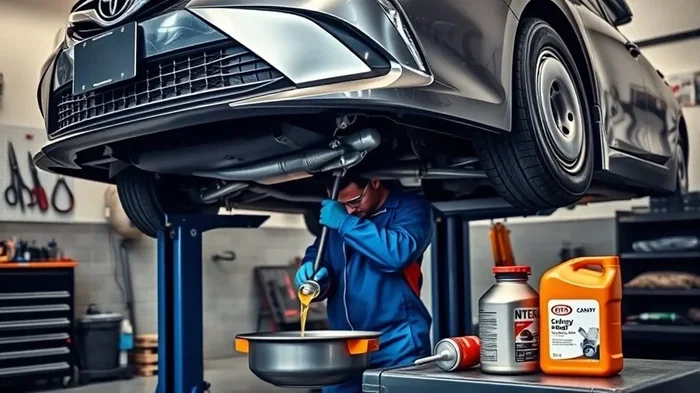
Nothing matters more for engine longevity than clean oil. Oil lubricates moving parts, reduces friction, and carries heat away from critical components. As oil ages, it breaks down and loses its effectiveness. This is why regular oil changes are non-negotiable.
For a Toyota aiming for 500,000 miles, here is a recommended oil change schedule:
- Conventional oil: Change every 3,000 to 5,000 miles
- Synthetic oil: Change every 5,000 to 7,500 miles
- High-mileage vehicles (over 150,000 miles): Consider switching to high-mileage synthetic blend oil
Always use the oil weight recommended by Toyota for your specific model. Using the wrong weight can increase engine wear over time. Many long-distance Toyota owners also switch to synthetic oil after the break-in period. Synthetic oil handles heat better and lasts longer than conventional options.
Cooling System Maintenance
Overheating is one of the biggest enemies of any engine. Toyota cooling systems are well designed, but they still need regular attention. Here is what to stay on top of:
- Flush the coolant every 60,000 to 100,000 miles
- Inspect hoses and clamps for cracks or leaks
- Replace the thermostat every 100,000 miles
- Check the radiator cap for proper pressure rating
- Inspect the water pump for leaks around 150,000 miles
A properly functioning cooling system keeps your engine at the right temperature. This simple step prevents head gasket failures, warped heads, and cracked blocks. All of these repairs can be extremely expensive and may end a car’s life prematurely.
Timing Belt and Chain Care
Some Toyota engines use a timing belt while others use a timing chain. The belt needs replacement at specific intervals, usually around 90,000 to 105,000 miles. If a timing belt breaks, it can cause catastrophic engine damage. This is not a repair you want to skip.
Timing chains are generally more durable, but they still stretch over time. If you hear a rattling noise when starting your engine, have it checked immediately. Replacing a stretched chain early is much cheaper than replacing a damaged engine.
Transmission Fluid Changes
Transmission fluid breaks down over time, especially in vehicles that tow or carry heavy loads. For a Toyota targeting 500,000 miles, changing the transmission fluid every 60,000 to 80,000 miles is a smart move. Use the exact fluid type specified in your owner’s manual.
Many people overlook this service, but it makes a huge difference. Fresh transmission fluid keeps the gears shifting smoothly and reduces wear on internal components. If you have an automatic transmission, also consider having the torque converter serviced around the 200,000-mile mark.
Common Problems at High Mileage and How to Avoid Them
Oil Consumption Issues
Some Toyota engines, particularly older models, tend to consume a small amount of oil over time. This is not necessarily a sign of a serious problem. However, if the oil level drops too low, it can cause engine damage.
To manage oil consumption at high mileage:
- Check your oil level every two weeks
- Keep a quart of the correct oil in your trunk
- Replace worn valve stem seals if consumption increases
- Consider using a stop-leak additive as a temporary fix
Catching oil consumption early prevents the engine from running dry. Running low on oil even briefly can cause scoring on the cylinder walls and bearing failure.
Suspension Wear
The suspension system takes a beating over hundreds of thousands of miles. Shocks, struts, control arms, and bushings all wear out eventually. Common signs of suspension wear include:
- A bumpy or harsh ride over bumps
- Clunking noises when turning or braking
- The car pulling to one side
- Uneven tire wear
Replacing suspension components on schedule keeps your Toyota handling safely and comfortably. Do not wait for a component to fail completely. Worn shocks and struts can damage other parts of the suspension, leading to more expensive repairs down the road.
Rust and Corrosion
Rust is a silent killer for vehicles that are driven for many years. Salt, road grime, and moisture all contribute to corrosion over time. The undercarriage is especially vulnerable.
To fight rust at high mileage:
- Wash the undercarriage regularly, especially in winter
- Apply rust-proofing spray every couple of years
- Fix any chips or scratches in the paint promptly
- Check the wheel wells and rocker panels for rust
A clean, well-protected Toyota body can last indefinitely. Many high-mileage Toyotas show zero rust because their owners stayed proactive about prevention.
Electrical Gremlins
Older Toyotas sometimes develop electrical issues as they age. Corroded connectors, failing sensors, and worn wiring harnesses are common complaints. These problems are usually minor but can be annoying.
If you notice flickering lights, warning lights on the dash, or intermittent electrical failures, it is worth investigating early. A simple multimeter test can often identify the problem. Many owners also learn to do their own car diagnostics using affordable OBD2 scanners. This saves money and helps you catch problems before they worsen.
Tips to Help Your Toyota Reach 500,000 Miles
Drive Gently and Warm Up Properly
How you drive has a direct impact on engine longevity. Aggressive driving, rapid acceleration, and hard braking all increase wear on internal components. Gentle driving reduces stress on the engine, transmission, and brakes.
Here are some driving tips for high-mileage ownership:
- Warm up the engine for 30 to 60 seconds before driving
- Avoid revving the engine to redline during the first few minutes
- Accelerate smoothly and gradually
- Allow the engine to cool down after hard driving before shutting it off
- Avoid short trips when possible, as they do not allow the engine to reach full operating temperature
These habits might seem small, but they compound over hundreds of thousands of miles. A gently driven Toyota will outlast an aggressively driven one by a significant margin.
Keep the Weight Down
Carrying excess weight puts additional strain on the engine, brakes, and suspension. If you are hauling heavy loads regularly, this accelerates wear on all major systems.
Before loading up your Toyota, consider whether you really need everything. Remove unnecessary items from the trunk and cargo area. If you have ever wondered whether you can put too much weight in your car, the answer is yes. Every vehicle has a maximum payload rating, and exceeding it can cause premature wear and even safety issues.
Use Quality Parts and Fluids
It can be tempting to save money by using cheaper parts and fluids. But on a vehicle that you plan to drive for 500,000 miles, quality matters. Use genuine Toyota parts or trusted aftermarket alternatives. Cheap fluids may not provide the same level of protection, and they can break down faster.
Investing in quality parts pays for itself over time. A $30 oil filter and quality synthetic oil will protect your engine far better than a $10 budget option. Over hundreds of thousands of miles, the difference adds up to thousands of dollars in avoided repairs.
Store Your Toyota Properly
If you have a secondary Toyota that sits for long periods, proper storage is essential. A car that sits unused can develop problems that a regularly driven car avoids.
- Store the car in a garage or covered area
- Keep the battery on a maintainer or trickle charger
- Inflate tires to the proper pressure before storage
- Start the engine and let it run for 15 minutes at least once a week
- Use a moisture absorber inside the cabin to prevent mold and mildew
Proper storage preserves the condition of seals, gaskets, and electrical components. It also prevents flat spots on tires and battery drain.
Monitor Your Fluids Regularly
Beyond oil, there are several other fluids that keep your Toyota running smoothly. Transmission fluid, brake fluid, power steering fluid, and coolant all need attention. Check each one regularly and top off as needed.
Any fluid that looks dark, smells burnt, or has particles in it should be changed immediately. Fresh fluids keep systems operating at peak efficiency and prevent premature wear on components.
Expert Insights on Toyota Longevity
What Mechanics Say About Toyota Durability
Experienced mechanics consistently rank Toyota at the top for reliability. According to industry surveys and long-term studies, Toyotas require fewer repairs per mile than most competing brands. The simplicity of Toyota engine designs also makes them easier and cheaper to service over time.
Many mechanics note that Toyotas are forgiving of minor maintenance oversights. While no car should be neglected, a Toyota can tolerate a slightly delayed oil change or a missed fluid flush better than most vehicles. That said, consistent maintenance is still the best path to 500,000 miles.
Real-World Examples of 500,000-Mile Toyotas
There are countless stories of Toyotas reaching extraordinary mileage. Taxi companies in places like New York and Singapore have found Toyota Camrys and Corollas racking up over 500,000 miles in just a few years of service. These vehicles were maintained on strict schedules and driven gently, which proves that with the right care, any Toyota can go the distance.
On the personal vehicle side, many Toyota owners share their 500,000-mile stories online. The most common thread? They never skipped an oil change and they addressed small problems before they became big ones. This simple discipline is the secret behind every long-lasting Toyota.
The Role of Hybrid Technology in Toyota Longevity
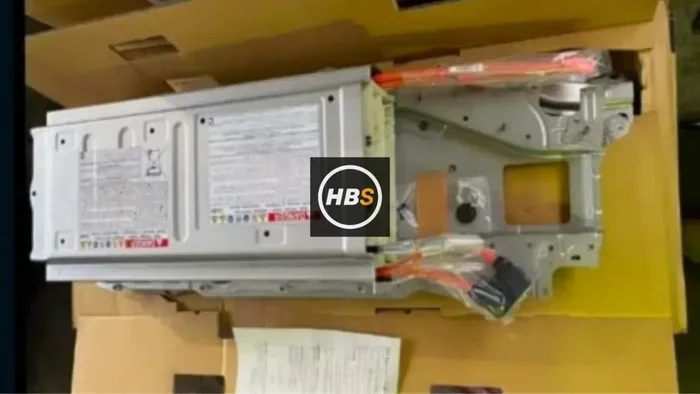
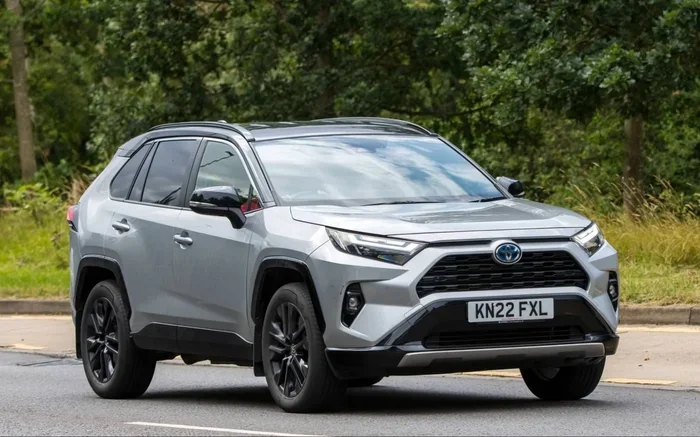
Toyota’s hybrid systems are another factor in vehicle longevity. The hybrid motor assists the gas engine, reducing the load on the combustion engine during city driving. This means less wear on the brakes, engine, and transmission.
Many Toyota hybrid owners report that their vehicles feel almost brand new at 200,000 miles. The regenerative braking system reduces brake pad wear significantly. And because the gas engine cycles on and off during driving, it accumulates fewer hours of operation than a conventional engine.
If you are considering a Toyota for long-term ownership, a hybrid model is worth serious consideration. The hybrid system adds complexity, but the reduction in drivetrain wear more than compensates for it. For more information on hybrid reliability over time, check out our article on whether hybrids are reliable after 100,000 miles.
Key Takeaways
- Toyota can absolutely last 500000 miles without major issues. The engineering, materials, and build quality are specifically designed for longevity.
- The Camry, Corolla, Tacoma, and hybrid models are the best choices for high-mileage ownership.
- Oil changes, cooling system maintenance, and transmission fluid changes are the three most important services.
- Common high-mileage problems like oil consumption, suspension wear, and rust can be managed with proactive care.
- Gentle driving, proper storage, and quality parts all contribute to a longer vehicle life.
- The hybrid powertrain reduces engine wear and adds another layer of durability for long-term ownership.
Frequently Asked Questions
Is 500,000 miles a lot for a Toyota?
Yes, 500,000 miles is a significant milestone. Most cars are considered high-mileage after 200,000 miles. However, Toyota vehicles are specifically engineered to handle much more. With proper maintenance, reaching 500,000 miles is a realistic and achievable goal for most Toyota models.
What is the best Toyota model for reaching 500,000 miles?
The Toyota Camry and Corolla are the most popular choices for high-mileage goals. The Tacoma pickup truck also has an excellent track record. For hybrid enthusiasts, the Toyota Prius and Camry Hybrid are known for their durability and reduced drivetrain wear at high mileage.
How often should I change my oil if I want my Toyota to last 500,000 miles?
For maximum longevity, change your oil every 3,000 to 5,000 miles with conventional oil or every 5,000 to 7,500 miles with synthetic oil. Using high-quality synthetic oil and a good oil filter gives your engine the best protection over the long haul.
Are Toyotas expensive to maintain at high mileage?
Not really. Toyotas are generally affordable to maintain even at high mileage. Parts are widely available and reasonably priced. The main costs will be routine services like oil changes, fluid flushes, and replacing wear items like brakes and suspension components. Compared to other brands, the total cost of ownership is quite low.
Can I still drive my Toyota safely at 300,000 miles or more?
Absolutely. A well-maintained Toyota at 300,000 miles or more is generally safe and reliable. The key is staying on top of maintenance and addressing any warning signs promptly. Regular inspections and proactive repairs keep older Toyotas in excellent driving condition for many more miles.
What should I do first if I bought a high-mileage Toyota?
Start with a thorough inspection by a trusted mechanic. Check the engine oil condition, transmission fluid, coolant system, and suspension components. Replace any fluids or parts that are due, and address any leaks or unusual noises right away. A fresh start on maintenance gives your Toyota the best chance of reaching 500,000 miles.
=== CONCLUSION ===
So, can Toyota last 500000 miles without any major issues? The evidence is clear: yes, they can. Toyota has built a legacy of reliability that few other brands can match. From the humble Corolla to the hardworking Tacoma, these vehicles are designed to go the distance. But they do not get there by accident. It takes consistent maintenance, smart driving habits, and a willingness to invest in quality parts and services.
The owners who reach 500,000 miles share one thing in common: they never take their Toyota for granted. They follow the maintenance schedule, they listen to their vehicle, and they fix small problems before they become big ones. If you are willing to put in that same effort, your Toyota can easily become a reliable companion for hundreds of thousands of miles.
Start today by reviewing your maintenance schedule and setting up a plan for the miles ahead. Whether you are buying a used Toyota with 100,000 miles or starting fresh with a new one, the goal is the same. Keep it well maintained, drive it gently, and enjoy the journey. A 500,000-mile Toyota is not just a possibility. It is a promise that Toyota has kept for millions of owners around the world.