What Is the Most Common Charging System Failure Explained
The most common charging system failure is alternator breakdown, which leaves your car battery dead and your vehicle unable to start. Corroded battery terminals and worn serpentine belts rank as the second and third most frequent culprits behind charging system problems. Understanding these issues early can save you hundreds in repairs and keep your vehicle reliable.
Key Takeaways
- Alternator failure is the #1 most common charging system failure drivers face today.
- Corroded battery terminals cause intermittent power loss and are often overlooked.
- A worn serpentine belt can cripple your entire electrical system quickly.
- Voltage regulator problems lead to overcharging or undercharging your car battery.
- Parasitic draw slowly drains your battery when the vehicle is off.
- Regular inspections can prevent most charging system failures before they happen.
📑 Table of Contents
- What Is the Most Common Charging System Failure?
- How Your Car Charging System Works
- Signs Your Charging System Is Failing
- Common Causes of Charging System Failure
- How to Diagnose Charging System Problems
- Preventing Charging System Failures
- How to Fix the Most Common Charging System Failures
- When to See a Professional
- Conclusion
What Is the Most Common Charging System Failure?
So you turn the key, and nothing happens. The dashboard stays dark. The engine won’t crank. You already know it is a charging system problem, but what exactly went wrong?
What is the most common charging system failure? It is alternator failure. Period. The alternator is the heart of your vehicle’s electrical system. When it dies, your battery stops charging. And without a charged battery, your car simply won’t start.
But here is the thing — alternator failure is not the only villain. Corroded battery terminals, worn serpentine belts, and faulty voltage regulators also cause major headaches. Together, these issues account for the vast majority of charging system problems on the road today.
The good news? Most of these failures are preventable. With regular maintenance and a little know-how, you can catch problems early. You can avoid being stranded on the side of the road. And you can save serious money on expensive repairs.
In this article, we will break down exactly what causes charging system failures. We will cover the warning signs you should never ignore. And we will give you clear, actionable steps to keep your vehicle’s electrical system running strong.
Let us get into it.
How Your Car Charging System Works
Before we dive into failures, it helps to understand how the system works. Your vehicle’s charging system is a team effort. Several components work together to keep your battery powered and your electronics running.
The alternator converts mechanical energy into electrical energy. It generates alternating current that charges your battery and powers your vehicle’s electrical systems while the engine runs. The serpentine belt drives the alternator pulley. The voltage regulator controls the output voltage. And your battery stores the energy your car needs to start and run.
When one component fails, the whole system suffers. Think of it like a chain. If one link breaks, the entire chain stops working.
The Role of the Alternator
The alternator is the star player in your charging system. It produces the electricity that keeps your battery charged. It also powers your headlights, radio, power steering, and all other electrical accessories.
A healthy alternator typically outputs between 13.5 and 14.5 volts. If the output drops below that range, your battery will not charge properly. If it spikes too high, it can damage your battery and other electrical components.
The Role of the Battery
Your car battery stores electrical energy for starting. It also acts as a buffer for the alternator. When you need extra power — like when you crank the engine — the battery delivers a surge of energy.
But the battery cannot do it all alone. It relies on the alternator to keep it topped off. Without proper charging, your battery will eventually die.
The Role of the Serpentine Belt
The serpentine belt connects the engine crankshaft to the alternator and other accessories. It is a single, long belt that drives multiple components at once.
When this belt wears out or snaps, the alternator stops spinning. No spinning means no electricity. And no electricity means a dead battery and a car that won’t start.
Signs Your Charging System Is Failing
The best defense against charging system failure is early detection. Most problems give you clear warning signs. The trick is knowing what to look for.
Dashboard Warning Lights
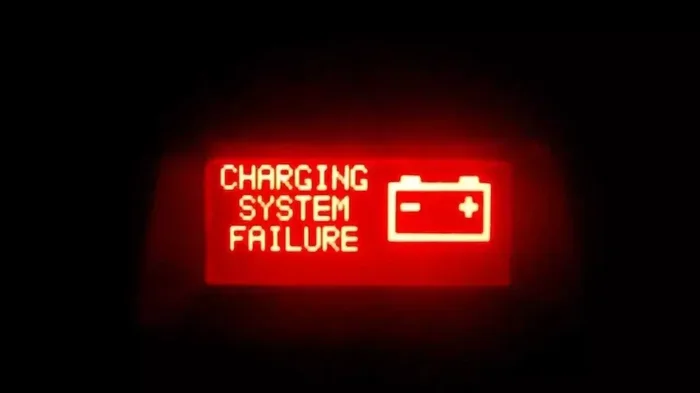
The most obvious sign is the charging system warning light on your dashboard. It usually looks like a battery icon. When this light comes on, it means your electrical system is not working correctly.
Do not ignore this light. Many people do, and they end up with a dead battery on the highway. If you see this light, get your vehicle checked immediately.
Dim or Flickering Headlights
Notice your headlights looking dimmer than usual? Or maybe they flicker when you hit the brakes? This is a classic sign of a charging system problem.
When the alternator cannot produce enough power, your headlights lose brightness. This is especially noticeable at night or when you use other electrical accessories like the heater or radio.
Difficulty Starting the Engine
A slow crank or a clicking sound when you turn the key often points to a weak battery. But the root cause might be a failing alternator that has not been keeping the battery charged.
If your car takes longer than usual to start, do not just replace the battery. Have the entire charging system inspected. You might save yourself from replacing a perfectly good battery.
Unusual Sounds from the Engine Bay
Grinding or whining noises coming from the alternator area are never a good sign. These sounds often indicate worn bearings inside the alternator. Left unchecked, the alternator will seize up completely.
Similarly, a squealing noise when you start the engine could mean a loose or worn serpentine belt. Both issues need attention fast.
Electrical Malfunctions
Power windows moving slowly? The radio resetting every time you start the car? These are subtle signs of electrical system trouble. Your vehicle needs a steady supply of power to run all its features smoothly.
When the charging system falters, the first things to suffer are the accessories. So pay attention to any unusual behavior with your electrical systems.
Common Causes of Charging System Failure
Now that you know the warning signs, let us talk about what actually causes these failures. Understanding the root causes helps you prevent problems before they start.
Alternator Failure
Alternator failure is the single most common charging system failure. The alternator has several moving parts inside it — bearings, diodes, rotors, and stators. Over time, these components wear out.
Heat is the biggest enemy of the alternator. It operates in a hot environment under the hood. Constant exposure to high temperatures degrades the internal components over time. Vibration from the engine also takes a toll.
Most alternators last between 80,000 and 150,000 miles. But they can fail much earlier if the serpentine belt is misaligned or if there is a fluid leak near the alternator.
When an alternator fails completely, the car runs only on battery power. Since the battery is not being recharged, it drains quickly. You will be stranded within a few miles.
Corroded Battery Terminals
Corroded battery terminals are the second most common charging system problem. You have probably seen that white, blue, or greenish crusty buildup on your battery posts. That is corrosion.
Corrosion creates resistance between the battery and the cables. This resistance reduces the flow of electricity. Your battery cannot charge properly, and your starter struggles to get enough power.
Corrosion happens naturally over time. It is caused by acid vapors escaping from the battery and reacting with the metal terminals. Hot, humid weather accelerates the process.
The good news is that corrosion is easy to fix. A simple cleaning with a baking soda and water solution can restore the connection. And using dielectric grease on the terminals after cleaning helps prevent future buildup.
Worn Serpentine Belt
The serpentine belt takes a beating. It is constantly under tension and exposed to heat and friction. Over time, it cracks, stretches, and eventually fails.
A worn serpentine belt can slip off the alternator pulley. When this happens, the alternator stops working. The battery is no longer being charged, and all electrical accessories lose power.
Most manufacturers recommend inspecting the serpentine belt every 50,000 miles. Replacement is usually needed between 60,000 and 100,000 miles. A quick visual inspection can tell you a lot — look for cracks, fraying, or glazing on the belt surface.
Faulty Voltage Regulator
The voltage regulator controls how much voltage the alternator sends to the battery. If it fails, the alternator can either overcharge or undercharge the battery.
Overcharging is particularly dangerous. It can boil the battery acid and cause permanent damage. Undercharging means the battery never gets fully charged, leading to a dead battery over time.
In many modern vehicles, the voltage regulator is built into the alternator itself. This means replacing the regulator often means replacing the entire alternator unit.
Parasitic Draw
Parasitic draw is a sneaky problem. It occurs when an electrical component continues to draw power from the battery after you turn off the engine.
All vehicles have a small amount of parasitic draw. It keeps the clock, radio presets, and alarm system running. But when the draw becomes excessive, it drains the battery overnight.
Common causes include faulty relays, stuck relays, aftermarket electronics installed incorrectly, or interior lights that stay on. A simple parasitic draw test with a multimeter can identify the culprit.
Old or Failing Battery
Sometimes the charging system is fine, but the battery itself is the problem. Car batteries typically last three to five years. After that, their capacity drops significantly.
An old battery cannot hold a charge properly. Even a healthy alternator cannot compensate for a battery that is at the end of its life.
If you have been dealing with charging issues, it is worth having the battery tested. Many auto parts stores offer free battery testing. This simple check can save you a lot of guesswork.
How to Diagnose Charging System Problems
Diagnosing a charging system issue does not require a mechanics degree. With the right tools and a systematic approach, you can pinpoint the problem yourself.
Using a Multimeter
A digital multimeter is your best friend for diagnosing electrical issues. Set it to DC voltage and touch the probes to the battery terminals with the engine off.
A fully charged battery should read around 12.6 volts. If it reads below 12.0 volts, the battery is weak or dead. Start the engine and check again. With the engine running, the voltage should rise to 13.5 to 14.5 volts.
If the voltage stays below 13.0 volts with the engine running, your alternator is likely not charging properly. If the voltage exceeds 15.0 volts, the voltage regulator may be failing and causing overcharging.
Visual Inspection
Sometimes the answer is right in front of you. Open the hood and look for obvious signs of damage.
Check the serpentine belt for cracks, glazing, or fraying. Inspect the battery terminals for corrosion. Look for loose or corroded wiring connections. Check for any fluid leaks near the alternator.
A quick visual inspection takes five minutes and can reveal the problem immediately.
Listening for Clues
Your ears are powerful diagnostic tools. A grinding noise from the alternator suggests worn bearings. A whining or squealing sound could indicate a belt issue.
Pay attention to any new sounds your vehicle makes. Unusual noises are often the first sign of a developing problem.
Preventing Charging System Failures
Prevention is always better than cure. A few simple habits can keep your charging system healthy for years.
Regular Maintenance Schedule
Include charging system checks in your regular maintenance routine. Have a mechanic inspect the alternator, battery, and serpentine belt at every oil change.
Catching a worn belt or a weak alternator early can prevent a complete failure. It is much cheaper to replace a belt than a dead battery and a ruined alternator.
Keep Battery Terminals Clean
Clean your battery terminals every six months. A wire brush and a baking soda solution do the job perfectly.
After cleaning, apply a thin layer of dielectric grease. This creates a barrier against moisture and prevents future corrosion.
Avoid Short Trips
Short trips do not give your alternator enough time to fully recharge the battery. If you take mostly short drives, your battery may never reach a full charge.
If possible, take your vehicle on a longer drive at least once a week. This gives the battery time to recover and the alternator time to do its job.
Turn Off Electronics When the Engine Is Off
Leaving your headlights, radio, or interior lights on with the engine off is a quick way to drain your battery. Make it a habit to check that everything is off before you leave the vehicle.
Modern vehicles sometimes have automatic light shutoff features. But do not rely on them entirely. Always double-check.
Replace Components Before They Fail
Do not wait for a component to fail completely. If your serpentine belt is showing signs of wear, replace it proactively. If your battery is more than four years old, have it tested regularly.
Preventive replacement costs a fraction of what emergency repairs cost. And it saves you from being stranded.
How to Fix the Most Common Charging System Failures
Once you identify the problem, the next step is fixing it. Here is a quick guide to addressing the most common failures.
Replacing a Failed Alternator
Replacing an alternator is a job most home mechanics can handle. You will need a socket set, a serpentine belt tool, and a new alternator.
First, disconnect the negative battery cable. Then, remove the serpentine belt. Unplug the electrical connector from the alternator. Remove the mounting bolts and pull the alternator out.
Install the new alternator in reverse order. Make sure the belt is properly tensioned. Reconnect the battery and test the charging voltage.
If you are not comfortable doing it yourself, any auto repair shop can replace an alternator in one to two hours.
Cleaning Corroded Terminals
Mix baking soda with water to form a paste. Apply it to the corroded terminals. Let it sit for a few minutes. Then scrub with a wire brush or an old toothbrush.
Rinse with clean water and dry thoroughly. Apply dielectric grease to protect the terminals. This simple process can restore full electrical connection.
Replacing a Serpentine Belt
Locate the belt tensioner and release the tension. Slide the old belt off the pulleys. Route the new belt according to the diagram under your hood.
Make sure the belt sits properly on all pulleys. Check the tension — it should have slight give when pressed with your finger.
A serpentine belt replacement takes about 30 minutes and costs between $25 and $75 for the part.
Fixing a Voltage Regulator
Since the voltage regulator is often integrated into the alternator, fixing it usually means replacing the alternator entirely. In some older vehicles, the regulator is a separate component mounted on the fender or firewall.
For separate regulators, the replacement is straightforward. Disconnect the wiring harness, remove the mounting bolts, and install the new regulator.
When to See a Professional
Some charging system problems are beyond DIY repairs. If you have checked the battery, terminals, and belt but still have issues, it is time to see a professional.
Complex electrical diagnostics require specialized equipment. A professional mechanic can perform a load test on your battery, a bench test on your alternator, and a full parasitic draw test.
Do not hesitate to seek help. A proper diagnosis saves time, money, and frustration in the long run.
Conclusion
What is the most common charging system failure? It is alternator failure, followed closely by corroded battery terminals and worn serpentine belts. These three issues cause the vast majority of charging problems that drivers experience.
The key takeaway is simple — pay attention to the warning signs. A dashboard warning light, dim headlights, or slow engine cranking should never be ignored. These are your vehicle’s way of telling you something is wrong.
Regular maintenance is your best defense. Keep your battery terminals clean. Inspect your serpentine belt regularly. Have your alternator tested during routine service. These small efforts go a long way toward preventing unexpected breakdowns.
Your vehicle’s charging system keeps everything running. The alternator, battery, serpentine belt, and voltage regulator work as a team. When one part fails, the whole system suffers. Treat your charging system with respect, and it will keep you on the road for years to come.
Stay proactive. Stay informed. And never underestimate the power of a well-maintained charging system.
Frequently Asked Questions
How long does an alternator typically last?
Most alternators last between 80,000 and 150,000 miles. However, lifespan depends on driving conditions, vehicle age, and maintenance habits. Regular inspections can help you catch alternator wear before it leads to complete failure.
Can a bad battery cause charging system problems?
Yes, a weak or old battery can put extra strain on the alternator. The alternator has to work harder to charge a degraded battery, which can lead to premature alternator failure. Always test both the battery and alternator when diagnosing electrical issues.
How much does it cost to replace an alternator?
The cost varies by vehicle make and model. On average, alternator replacement costs between $300 and $700, including parts and labor. DIY replacement can save you on labor costs, but proper installation is important for long-term reliability.
Is it safe to drive with a charging system warning light on?
No, it is not safe. The warning light means your battery is not being charged. You may be able to drive a short distance on battery power alone, but the car will eventually stall. Pull over safely and get your vehicle towed to a repair shop if the light comes on while driving.
What causes a serpentine belt to fail prematurely?
Misalignment, improper tension, fluid leaks, and age are the most common causes of premature serpentine belt failure. A belt that is too tight or too loose will wear out faster. Regular inspection and proper tensioning can significantly extend belt life.
Can corrosion on battery terminals cause a dead battery?
Absolutely. Corrosion creates resistance that prevents proper electrical flow. In severe cases, the corrosion can completely block the connection between the battery and the cables. This prevents the battery from charging and delivering power to the starter, resulting in a no-start condition.