Does Toyota Cover Windshield Crack Repair and Replacement
Toyota does not typically cover windshield cracks under its standard warranty, but certain conditions may apply. Your auto insurance policy, Toyota Care plan, or extended warranty might help pay for repair or replacement. Understanding your coverage options saves you money and keeps your Toyota safe on the road.
Dealing with a cracked windshield on your Toyota can be stressful. You are driving along, and suddenly a rock hits your glass. Or maybe the crack appeared overnight for no clear reason. Either way, the big question is: does Toyota cover windshield crack repair or replacement?
The answer is not as simple as yes or no. Toyota’s standard warranty has specific limits. Your insurance policy might pick up the tab. And there are other options too. This guide breaks down everything you need to know about Toyota windshield crack coverage. We will walk through warranty details, insurance paths, repair costs, and practical tips. By the end, you will know exactly what to do when your Toyota’s windshield gets damaged.
Let us start with the basics. A windshield crack is not just a cosmetic issue. It weakens the structural integrity of your car. It can spread quickly due to vibration, temperature changes, or even just driving over a bump. Fixing it fast matters for safety and for your wallet.
Key Takeaways
- Standard Toyota warranty does not cover windshield cracks: Most factory warranties exclude glass damage from wear and tear.
- Auto insurance may cover the cost: Comprehensive coverage often includes windshield repair or replacement with a deductible.
- Toyota Care plan offers limited help: This maintenance plan covers specific items but usually not glass damage.
- Minor cracks can be repaired affordably: Small rock chips and cracks under a certain size are often fixable without full replacement.
- OEM windshields ensure proper fit and safety: Always ask for original Toyota parts when getting your windshield replaced.
- Prevention is the best strategy: Maintaining distance from trucks and avoiding sudden temperature changes reduces crack risks.
📑 Table of Contents
- Understanding Toyota Windshield Coverage
- When Does Insurance Cover Windshield Damage?
- Windshield Crack Repair vs Replacement
- How Toyota Service Centers Handle Glass Claims
- Tips to Prevent Windshield Damage on Your Toyota
- What to Do If Your Toyota Windshield Cracks
- Common Mistakes to Avoid With Windshield Cracks
- Expert Insights on Toyota Windshield Coverage
- Key Takeaways
Understanding Toyota Windshield Coverage
When a Toyota windshield crack appears, your first thought might be to check the warranty. That makes sense. But here is the thing most car owners do not expect: standard Toyota warranties generally do not cover glass damage. Let us look at why that is and what the fine print actually says.
What Does the Toyota Warranty Cover?
Toyota offers a few different warranty types. The basic warranty covers most parts for 3 years or 36,000 miles. The powertrain warranty goes longer, usually 5 years or 60,000 miles. But neither of these covers windshield cracks.
Windshield damage is considered wear and tear. Warranties are designed to cover defects in materials or workmanship. A crack from a flying rock is not a manufacturing defect. So Toyota will not foot the bill for that under the standard warranty.
However, this does not mean you are out of luck. Several other paths can help you pay for windshield crack repair or replacement. Let us explore those next.
Toyota Care Plan and Extended Warranty Options
Toyota Care is a maintenance plan that comes with new Toyotas for the first 2 years or 25,000 miles. It covers things like oil changes, tire rotations, and multi-point inspections. But glass repair is not part of this plan.
Extended warranties from Toyota or third-party providers might offer glass coverage. These plans vary widely. Some include a glass repair deductible that is lower than your insurance deductible. Others do not cover glass at all. Always read the terms carefully before purchasing an extended warranty.
If you have an extended warranty, call the provider and ask specifically about windshield crack coverage. Get the answer in writing. This protects you if there is a dispute later.
When Does Insurance Cover Windshield Damage?
For most Toyota owners, auto insurance is the best path to getting a cracked windshield fixed. But your coverage matters a lot here.
Comprehensive Coverage and Glass Claims
If you have comprehensive auto insurance, windshield damage from rocks, debris, hail, or vandalism is usually covered. This is the most common scenario. Comprehensive coverage is optional, but most drivers add it to their policy.
Here is how it works. You file a claim with your insurance company. They assess the damage. If the crack is repairable, they pay for the repair minus your deductible. If replacement is needed, they cover the cost of a new windshield minus the deductible.
Many insurance companies now offer zero-deductible glass claims. This means you pay nothing out of pocket. Check with your provider to see if this option exists for your policy.
Collision Coverage and Windshield Damage
Collision coverage pays for damage from accidents. If you hit a deer and crack your windshield, collision coverage applies. If another driver hits your Toyota and cracks the windshield, their insurance should cover it.
But if a rock flies up and cracks your windshield while you are driving alone, collision coverage does not apply. That falls under comprehensive coverage. Know the difference between these two types of insurance. It saves you from surprises when you file a claim.
Does Toyota Cover Windshield Crack If You Have No Insurance?
Without insurance, you will need to pay for windshield crack repair or replacement yourself. This can cost anywhere from $50 for a small chip to $300 or more for a full replacement. The exact price depends on your Toyota model and the type of glass used.
Some Toyota models use OEM (Original Equipment Manufacturer) windshields. These are made by the same company that supplied the glass for your car at the factory. Aftermarket windshields are cheaper but may not fit as precisely. We will talk more about this below.
Windshield Crack Repair vs Replacement
Not every crack needs a full replacement. Understanding the difference helps you make smart decisions and saves money.
When Repair Is Enough
Small cracks and chips can often be repaired. Here are the general guidelines:
- Size: Cracks under 3 inches are usually repairable.
- Location: Damage outside the driver’s line of sight is a good candidate for repair.
- Depth: Surface-level cracks that have not gone through both layers of glass can be fixed.
- Number of damage points: One or two chips or cracks are easier to repair than multiple points of damage.
A windshield crack repair typically costs between $50 and $150. The process involves injecting a special resin into the crack. This resin cures and fills the damaged area. It restores structural strength and prevents the crack from spreading.
When Replacement Is Necessary
Sometimes repair is not an option. You need a full replacement if:
- The crack is longer than 3 inches.
- The damage is in the driver’s direct line of sight.
- The crack has spread into the edge of the windshield.
- Multiple cracks or chips are clustered together.
- The glass has shattered or is structurally compromised.
A Toyota windshield replacement cost ranges from $200 to $500 or more. Luxury models or newer Toyotas with advanced driver assistance sensors built into the windshield can cost even more. The sensors need recalibration after replacement, which adds to the total cost.
OEM vs Aftermarket Windshields
This is an important distinction. OEM windshields are made by the original supplier for your Toyota model. They match the exact specifications of the factory glass. Aftermarket windshields are made by third-party manufacturers.
OEM windshields ensure proper fit, clarity, and sensor calibration. Aftermarket options are more affordable but may vary in quality. For Toyota windshield replacement, ask your service center which option they recommend.
How Toyota Service Centers Handle Glass Claims
Toyota service centers can help you navigate the windshield replacement process. They are familiar with your specific model and can order the correct glass.
What to Expect at the Service Center
When you bring your Toyota in with a cracked windshield, the service team will first assess the damage. They will determine if repair or replacement is needed. Here is what typically happens next:
- Inspection: The technician examines the crack size, location, and depth.
- Insurance coordination: If you have comprehensive coverage, the service center can help file the claim for you.
- Glass ordering: They order either an OEM or aftermarket windshield based on your preference and availability.
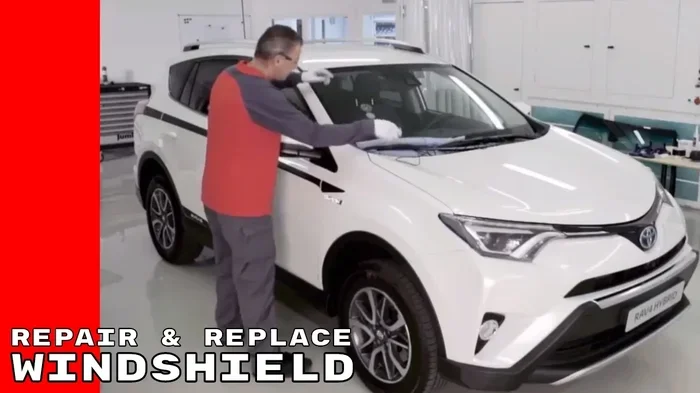
- Installation: The old windshield is removed, the area is cleaned, and the new glass is installed with proper adhesives.
- Curing and calibration: The adhesive needs time to cure. If your Toyota has rain or light sensors, these may need recalibration.
The entire process usually takes 1 to 2 hours for replacement. You should wait at least 1 hour before driving. Full adhesive cure takes about 24 hours, so avoid high-pressure car washes during that time.
Can You Get a Rental Car While Waiting?
If you have rental car coverage through your insurance, you may be able to get a temporary vehicle. Check your policy details. Some Toyota dealerships also offer loaner cars on a limited basis. Call ahead to ask about availability.
Tips to Prevent Windshield Damage on Your Toyota
Prevention is always better than repair. You cannot avoid every rock or debris impact, but you can reduce the risk significantly.
Maintain Safe Following Distance
Keep a safe distance from trucks and vehicles carrying loose cargo. Rocks and debris fly up from the tires of trucks in front of you. The farther back you stay, the lower your risk of a windshield crack.
Avoid Sudden Temperature Changes
Do not blast your car’s air conditioning on high immediately after a hot drive. Sudden temperature changes can stress existing micro-cracks and cause them to spread. Let your car cool down gradually.
Similarly, do not pour hot water on a frozen windshield in winter. This can cause thermal shock and create new cracks. Use your defroster instead.
Keep Your Windshield Clean and Inspected
Regularly inspect your windshield for small chips. A tiny rock chip today can become a long crack tomorrow. Many Toyota service centers offer free chip inspections. Take advantage of this.
Also, keep your windshield clean. Dirt and grime can make small cracks harder to see. Use a quality glass cleaner and a microfiber cloth. For extra protection, consider applying 3M anti glare film to your windshield. This film reduces glare and adds a layer of protection against minor impacts.
Drive Defensively
Avoid driving on gravel roads when possible. If you must, slow down and stay behind other vehicles. On highways, avoid riding closely behind construction trucks that may carry loose stones.
These habits also apply to hybrid Toyota models. If you drive a hybrid, you already know that the electric motor runs quietly at low speeds. This means you might not hear debris hitting your windshield as easily. Stay extra alert in these situations.
What to Do If Your Toyota Windshield Cracks
If your windshield cracks, act quickly. Here is a step-by-step plan:
- Assess the damage: Check the size, location, and depth of the crack. Take photos for your insurance claim.
- Cover the crack: Use clear tape or a windshield crack repair kit to prevent moisture from entering the crack. This stops it from spreading.
- Contact your insurance: Call your insurance provider and file a claim. Ask if glass repair is covered under comprehensive coverage.
- Visit a service center: Go to a Toyota service center or a reputable auto glass shop. Get a professional assessment.
- Avoid driving if the crack blocks your view: Safety comes first. Do not drive with a cracked windshield that impairs your vision.
Remember, a small crack today can become a big problem tomorrow. Address it promptly to avoid a costly replacement.
Common Mistakes to Avoid With Windshield Cracks
Many Toyota owners make mistakes when dealing with windshield damage. Here are the most common ones:
- Ignoring small chips: A tiny chip can turn into a long crack within days. Do not ignore it, no matter how small.
- Using DIY repair kits incorrectly: While repair kits work for minor chips, improper application can make the damage worse.
- Choosing the cheapest replacement option: Aftermarket glass of poor quality can cause leaks, noise, and sensor issues.
- Driving immediately after replacement: The adhesive needs time to set. Driving too soon can compromise the bond.
- Not checking your insurance coverage: Many drivers do not realize they have glass coverage until they need it. Review your policy regularly.
Expert Insights on Toyota Windshield Coverage
Automotive experts agree that understanding your coverage options before you need them is the smartest approach. According to industry professionals, most Toyota windshield crack claims through comprehensive insurance are processed quickly and fairly. The average repair time is under an hour.
Experts also recommend keeping a small emergency kit in your Toyota. Include a flashlight, a roll of clear tape, and a basic windshield repair kit. These items can buy you time until you get professional help.
One thing many drivers overlook is the connection between windshield condition and advanced safety features. Modern Toyotas come equipped with cameras and sensors near the windshield. A cracked or improperly installed windshield can affect these systems. Always ensure that any replacement is done by a certified technician who can recalibrate the sensors properly.
Additionally, if you are considering a used Toyota or planning to sell your current one, a cracked windshield can significantly reduce its resale value. Buyers notice glass damage. Fixing it before selling is almost always worth the investment.
For those wondering about the long-term reliability of Toyota glass, the brand is known for using high-quality materials. Toyota windshields meet or exceed federal safety standards. When properly maintained, they last the life of the vehicle. But accidents happen, and knowing your coverage options makes all the difference.
Key Takeaways
- Toyota’s standard warranty does not cover windshield cracks: Glass damage from rocks, debris, or wear is not included.
- Comprehensive auto insurance is your best bet: It typically covers windshield repair and replacement with a deductible.
- Small cracks are repairable: Cracks under 3 inches and outside the driver’s line of sight can often be fixed affordably.
- Always ask for OEM windshields: They ensure proper fit, safety, and sensor calibration for your Toyota.
- Prevention reduces risk: Safe driving habits and regular inspections help avoid windshield damage.
- Act quickly when damage occurs: Prompt repair prevents small cracks from becoming expensive replacements.
Frequently Asked Questions
Does Toyota’s factory warranty cover windshield cracks?
No, Toyota’s standard factory warranty does not cover windshield cracks. Glass damage from rocks, debris, or environmental factors is considered wear and tear and falls outside the warranty. You will need to rely on your auto insurance or pay out of pocket for repair or replacement.
How much does it cost to replace a Toyota windshield?
The cost varies by Toyota model but typically ranges from $200 to $500 for a standard replacement. Models with advanced driver assistance sensors built into the windshield can cost more, sometimes exceeding $800, because of the recalibration process required after installation.
Can a cracked Toyota windshield be repaired instead of replaced?
Yes, if the crack is small (under 3 inches), not in the driver’s direct line of sight, and has not spread to the edge of the glass. A professional repair costs between $50 and $150 and can restore the structural integrity of the windshield.
Will my insurance cover a Toyota windshield replacement?
If you have comprehensive auto insurance coverage, windshield damage from non-collision events like rocks, hail, or vandalism is usually covered. You will pay your deductible, but many insurers now offer zero-deductible glass coverage options.
How long should I wait to drive after a Toyota windshield replacement?
You should wait at least 1 hour before driving after a windshield replacement. The adhesive needs time to set. Wait at least 24 hours before going through a car wash or driving at high speeds to allow the adhesive to fully cure.
Are aftermarket windshields safe for Toyota vehicles?
Aftermarket windshields can be safe if they meet federal safety standards and are installed correctly. However, OEM windshields are recommended because they match the exact specifications of your Toyota and ensure proper calibration of safety sensors and systems.
=== CONCLUSION ===
So, does Toyota cover windshield crack damage? The short answer is that the standard warranty does not. But you are far from helpless. Comprehensive auto insurance, Toyota Care plans, and extended warranties can all provide financial relief. The key is knowing your coverage before you need it.
Act quickly when a crack appears. Small repairs are affordable and effective. Delaying only makes the problem worse and more expensive. Keep your windshield clean, maintain safe driving distances, and inspect your glass regularly. These simple habits go a long way in protecting your Toyota and your wallet.
Your windshield is more than just a piece of glass. It is a critical safety component of your vehicle. Treat it with care, and it will keep you safe for years to come. If you ever find yourself staring at a crack in your Toyota’s windshield, you now know exactly what steps to take. Stay safe, stay informed, and drive with confidence.