Does the Toyota Highlander Hold Its Value Year After Year
The Toyota Highlander holds its value remarkably well compared to most SUVs in its class. With strong Toyota brand loyalty, proven reliability, and high demand in the used market, the Highlander depreciates slower than many competitors. Whether you own the gas or hybrid version, this midsize SUV delivers long-term value that keeps your wallet happy.
Key Takeaways
- Strong Resale: The Toyota Highlander retains about 55-60% of its value after five years, outperforming many rivals.
- Hybrid Advantage: The Highlander Hybrid often holds value even better than the gas model due to fuel savings and eco-demand.
- Trim Matters: Higher trims like the Limited and Platinum tend to depreciate more slowly than base models.
- Toyota Reliability: Proven durability and low maintenance costs boost long-term resale and owner confidence.
- Market Demand: The Highlander consistently ranks among the top-selling SUVs, keeping used prices stable.
- Simple Maintenance: Regular upkeep and service records significantly improve your Highlander’s resale worth.
📑 Table of Contents
- Why the Toyota Highlander Holds Its Value So Well
- Toyota Highlander Depreciation Over Time
- Highlander Hybrid vs Gas: Which Keeps Value Better?
- How Trim Levels Affect the Toyota Highlander Resale Value
- What Buyers Look For in a Used Toyota Highlander
- Expert Tips to Maximize Your Toyota Highlander’s Value
- Conclusion
Why the Toyota Highlander Holds Its Value So Well
Let’s talk about something every car buyer cares about. Does the Toyota Highlander hold its value? The short answer is yes, and it holds up better than most SUVs on the road today. When you buy a Highlander, you are not just buying a vehicle. You are buying peace of mind, reliability, and a strong return when it is time to sell.
Toyota has built a reputation over decades. People trust the brand. They trust the engines. They trust the build quality. That trust translates directly into resale value. When a car brand has loyal buyers, the used market stays strong. The Highlander benefits from this every single day.
Another reason the Highlander keeps its value is its broad appeal. It seats up to eight passengers. It offers ample cargo space. It comes with modern safety features. Families love it. Commuters love it. Even people who just need a dependable daily driver appreciate what it offers. This wide demand keeps prices steady in the used market.
Let us also talk about the competition. Many SUVs in the midsize class lose value fast. Some brands struggle with expensive repairs. Others face reliability concerns that scare buyers away. The Highlander avoids all of these problems. It simply keeps doing its job, year after year. That consistency is what makes it a smart purchase.
What Makes a Vehicle Hold Value?
Before we dive deeper, let us understand what actually makes any car hold its value. Several factors work together. The first is brand reputation. Toyota sits at the top of the list. The second is reliability. Cars that break down less hold value better. The third is demand. If many people want a used vehicle, prices stay high. The fourth is maintenance cost. Affordable upkeep means more buyers feel confident buying used. The Highlander checks every single one of these boxes.
Toyota Highlander Depreciation Over Time
Depreciation is the silent cost of owning any car. It is the slow drip of value that happens the moment you drive off the lot. Understanding how the Highlander depreciates helps you make a smarter buying decision. So let us look at the numbers.
On average, a new Toyota Highlander loses about 15-20% of its value in the first year. That might sound steep, but it is actually better than the industry average. Most cars lose 20-25% in year one. After the first five years, the Highlander typically retains 55-60% of its original price. Compare that to many competitors, and the difference becomes clear.
Here is a simple breakdown of what you can expect:
- Year 1: 15-20% depreciation
- Year 2: Cumulative loss of about 25-30%
- Year 3: Cumulative loss of about 35-40%
- Year 5: Cumulative loss of about 40-45%
- Year 10: Cumulative loss of about 60-65%
These numbers depend on several factors. Mileage matters a lot. A Highlander with 30,000 miles holds value much better than one with 80,000 miles. Condition matters too. A well-maintained interior and exterior make a big difference. Service records also help. Buyers trust vehicles with documented maintenance history.
How Does the Highlander Compare to Other SUVs?
The Highlander does not just beat most Toyota models. It beats many competitors in the midsize SUV segment. Vehicles from brands like Ford, Chevrolet, and Nissan often depreciate faster. For example, if you compare the Highlander to a similar Ford Explorer, the Highlander typically holds 5-10% more value over five years. That difference can mean thousands of dollars back in your pocket.
If you want to explore what types of vehicles different dealerships carry, you can check out A Local Chevrolet Dealership Carries The Following Types Of Vehicles to see how the Chevy lineup compares in terms of variety and market presence.
Highlander Hybrid vs Gas: Which Keeps Value Better?
The Toyota Highlander comes in two main powertrain options. You can get the gas version or the hybrid version. Both are excellent. But when it comes to holding value, one has a clear edge. Let us break it down.
The Highlander Hybrid holds its value better than the gas model in most markets. Why? Because fuel economy matters. Hybrid technology appeals to buyers who want to save money at the pump. The Highlander Hybrid delivers around 36 mpg combined. That is excellent for a three-row SUV. Buyers in the used market are willing to pay a premium for that efficiency.
But the gas model is no slouch either. It still holds value better than most competitors. The 295-horsepower V6 engine provides strong performance. It pulls well on highways and handles daily driving with ease. If fuel economy is not your top priority, the gas Highlander still makes a lot of sense.
One thing to keep in mind is the hybrid premium. The hybrid version costs more upfront. But that higher price tag often translates into better resale. The math works in your favor over time. You pay more initially, but you lose less value when you sell.
If you are curious about how the hybrid system works and when it switches to gas power, you can read more in our article At What Point Does A Hybrid Switch To Gas for a detailed explanation of the hybrid powertrain behavior.
Fuel Economy and Its Impact on Resale
Fuel economy is a huge factor in resale value. With gas prices fluctuating, buyers look for efficient vehicles. The Highlander Hybrid gives them what they want. It also gives them peace of mind. They know the Toyota hybrid system is proven and durable. That combination of efficiency and reliability makes the hybrid version a hot commodity in the used market.
How Trim Levels Affect the Toyota Highlander Resale Value
Not all Highlanders are created equal when it comes to holding value. The trim level you choose matters more than you might think. Each trim comes with different features, and those features affect what buyers are willing to pay on the used market.
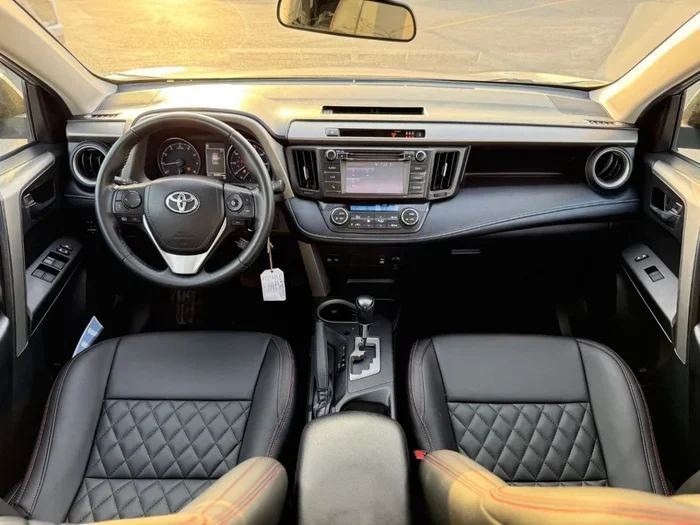
The base L trim is the most affordable new. It holds value reasonably well. But it does not stand out in the used market as much. Buyers looking for a used Highlander often want more features. They want leather seats. They want a sunroof. They want the advanced safety tech.
The XLE trim hits a sweet spot. It adds comfort features without going overboard on price. In the used market, the XLE is very popular. It offers a good balance of features and value. This means XLE models tend to hold their value better than base trims.
The Limited trim takes things up another notch. Premium leather, upgraded infotainment, and enhanced comfort features make it attractive. Buyers in the used market love the Limited. It commands a higher resale price because it already feels luxurious.
The Platinum trim is the top-tier model. It has everything. But here is the catch. Higher trims depreciate faster in absolute dollar terms because they start at a higher price. However, they still hold a strong percentage of value. The Platinum is a great choice if you plan to keep the car for a long time.
Quick Tips for Choosing the Right Trim
- Pick the XLE or Limited for the best balance of features and resale.
- Avoid overly niche options. Special packages may limit your buyer pool.
- Choose popular colors. White, black, and silver sell faster and hold value better.
- Consider the hybrid. It adds value in the used market regardless of trim.
What Buyers Look For in a Used Toyota Highlander
Understanding what buyers want helps you protect your vehicle’s value. If you are planning to sell in a few years, knowing the market helps you make smart choices today.
First and foremost, buyers want reliability. They want a Highlander that will keep running without expensive surprises. They look at mileage, service history, and overall condition. A well-documented service record builds instant trust.
Second, buyers care about features. Modern safety tech like Toyota Safety Sense 3.0 is a big selling point. Adaptive cruise control, lane departure warning, and automatic emergency braking are now expected. If your Highlander has these features, it is more attractive to buyers.
Third, condition is everything. A clean interior, fresh exterior paint, and well-maintained tires all add perceived value. Small details matter. A fresh ceramic coating or new floor mats can make a buyer willing to pay more.
Fourth, mileage plays a huge role. The average American drives about 13,000 miles per year. A Highlander with below-average mileage for its age will hold value much better. If you can keep your annual mileage low, your resale will thank you.
Common Mistakes That Kill Your Highlander’s Value
There are things that can hurt your Highlander’s resale. Avoiding these mistakes is just as important as doing the right things. Here are the most common ones.
- Skipping regular oil changes. This is the fastest way to hurt a vehicle’s reputation.
- Ignoring small repairs. A small leak today becomes a big problem tomorrow.
- Neglecting the interior. Stains, odors, and worn seats scare buyers away.
- Modifying the vehicle. Aftermarket wheels or aggressive lowering can limit your buyer pool.
- Selling at the wrong time. Selling when demand is low means accepting lower offers.
Expert Tips to Maximize Your Toyota Highlander’s Value
You do not have to sit back and watch your Highlander lose value. There are real steps you can take to slow depreciation and protect your investment. These tips come from years of experience in the automotive market.
1. Keep Up With Maintenance. Follow the Toyota maintenance schedule to the letter. Change your oil on time. Rotate your tires. Replace filters as recommended. Every service visit adds to your vehicle’s story. When a buyer sees a full service history, they feel confident. That confidence translates into higher offers.
2. Store It Properly. If you have a garage, use it. Sun damage, hail, and rain all take a toll. A garage-kept Highlander looks and feels newer. Paint stays brighter. Interior materials last longer. These details matter to buyers.
3. Address Issues Immediately. Do not ignore warning lights. Do not put off repairs. A small problem left untreated becomes a costly repair. Buyers will factor that into their offer. Fix things early and your Highlander stays valuable.
4. Keep Records Organized. Save every receipt. Document every service. When you sell, hand the buyer a folder of records. It shows you cared for the vehicle. It removes doubt. It can even justify a higher price.
5. Time Your Sale Right. Spring and early summer are peak buying seasons. More buyers are on the market. You will face less competition. You will get better offers. Avoid selling in late winter when demand drops.
6. Clean Before You Sell. A professional detail can pay for itself many times over. Clean carpets, shiny paint, and fresh smells create a powerful first impression. First impressions drive offers. Do not skip this step.
The Long-Term Ownership Cost Advantage
One reason the Highlander holds value is that it is affordable to own. Toyota parts are widely available. Maintenance costs are reasonable. Repair costs are lower than many competitors. Insurance rates are competitive. All of these factors make the Highlander attractive to used buyers. They know they will not get stuck with expensive surprises.
When you combine low ownership costs with strong reliability, you get a vehicle that the used market simply cannot resist. That is why the Highlander continues to be one of the best-selling SUVs year after year. It makes sense financially. It makes sense practically. And it makes sense emotionally.
Conclusion
So, does the Toyota Highlander hold its value? Absolutely. The data is clear. The market confirms it. And owners experience it firsthand. The Highlander is one of the strongest vehicles for retaining value in the midsize SUV segment. Its combination of reliability, demand, and Toyota brand strength makes it a standout choice.
Whether you choose the gas or hybrid model, the Highlander delivers long-term value. Pick the right trim, keep up with maintenance, and time your sale well. You will be rewarded with a strong return when the time comes to move on.
Buying a Toyota Highlander is not just a purchase. It is an investment. One that holds its worth year after year. If you are in the market for a dependable SUV that respects your money, the Highlander should be at the top of your list.
Frequently Asked Questions
How much does a Toyota Highlander depreciate in the first year?
On average, a new Toyota Highlander depreciates about 15-20% in the first year. This is better than the industry average of 20-25%. Factors like mileage, condition, and trim level can influence the exact amount.
Is the Highlander Hybrid worth the extra cost for resale?
Yes, the Highlander Hybrid typically holds its value better than the gas model. The hybrid system appeals to fuel-conscious buyers and adds a premium in the used market. Over time, the better resale can offset the higher upfront cost.
What is the best Toyota Highlander trim for resale value?
The XLE and Limited trims tend to offer the best resale value. They balance features and price in a way that appeals to used buyers. The Platinum trim also holds value well but starts at a higher price point.
How many miles can a Toyota Highlander last?
With proper maintenance, a Toyota Highlander can easily last 200,000 miles or more. Many owners report 250,000+ miles with regular oil changes and timely repairs. This longevity is a key reason the Highlander holds value so well.
Does the Highlander hold value better than the Toyota Highlander’s competitors?
Yes, the Highlander generally holds value better than most midsize SUVs from brands like Ford, Chevrolet, and Nissan. Toyota’s reputation for reliability gives it a strong edge in the used market. The brand loyalty and proven track record keep resale prices steady.
What year of Toyota Highlander is best for buying used?
Models from the last 3-5 years offer the best balance of modern features and value. A 2020 or 2021 Highlander gives you current safety tech at a lower price. Avoid models older than 2017 unless you want a budget option with higher mileage.