Baleno Car Safety Rating A Complete Guide For Buyers
The baleno car safety rating is a key factor for any buyer looking for a reliable compact car. This guide covers crash test results, safety features, and real-world performance. We break down every detail so you can make an informed decision. Read on to find out if the Baleno deserves its safety reputation.
The baleno car safety rating matters a lot when you are choosing a new car. Safety should never be an afterthought. Whether you are a first-time buyer or upgrading your current ride, knowing how a car performs in crash tests and real-world situations gives you peace of mind. The Suzuki Baleno has been a popular choice in the compact car segment. But how does it actually stack up when it comes to keeping you and your passengers safe? This guide dives deep into every aspect of the Baleno’s safety performance. You will learn about crash test scores, key safety features, and what buyers should look for. By the end, you will have a clear picture of where this car stands in the safety rankings.
We have kept things simple and straightforward. No jargon. No fluff. Just honest, practical information to help you decide. The baleno car safety rating is influenced by many factors. From the structure of the body to the number of airbags, every detail counts. Let us walk through it all together.
Key Takeaways
- Solid Safety Score: The Baleno earns a respectable safety rating backed by structured crash tests and safety evaluations.
- Strong Standard Features: It comes with multiple airbags, ABS, and electronic stability control as standard in most trims.
- Good for Families: The compact size and safety tech make it a practical family car safety option.
- Room for Improvement: Some lower trims lack advanced driver-assistance features found in rivals.
- Buyer Tip: Always opt for higher trims to get the full suite of safety equipment.
- Top Marks in Structure: The vehicle body and frame design help protect occupants during collisions.
📑 Table of Contents
- Understanding the Baleno Car Safety Rating
- Crash Test Results and Scores
- Key Safety Features of the Baleno
- How the Baleno Compares to Competitors
- Common Mistakes Buyers Make About Car Safety
- Quick Tips for Maximizing Your Baleno’s Safety
- Expert Insights on the Baleno’s Safety Performance
- Final Verdict: Is the Baleno Safe Enough?
- Conclusion
Understanding the Baleno Car Safety Rating
The baleno car safety rating is based on standardized crash tests conducted by global safety bodies. These tests evaluate how well a vehicle protects its occupants during different types of collisions. The rating considers frontal impact, side impact, and pedestrian safety. Each test gives the car a score, and the overall score determines the final rating. For the Baleno, the results have been encouraging. The car performs well in most categories. However, like any vehicle, there are areas where it excels and areas where it could improve. Understanding these ratings helps you make a smarter buying choice.
Safety ratings are not just numbers. They reflect real-world crash scenarios. When you look at the baleno car safety rating, you are looking at data that comes from controlled, scientific tests. These tests simulate the kind of accidents that happen most often on roads every day. So the rating gives you a genuine idea of what to expect.
What Goes Into a Safety Rating
Several factors go into calculating a vehicle’s safety score. Here are the main ones:
- Crash Test Performance: How the car holds up in frontal and side collisions.
- Structural Integrity: The strength of the car body and cabin during impact.
- Restraint Systems: Seatbelts, airbags, and pretensioners that protect occupants.
- Active Safety Features: Technologies that help prevent accidents before they happen.
- Pedestrian Safety: How the car design reduces injury risk to pedestrians.
- Child Safety: Ease of installing child seats and interior safety for kids.
Each of these areas plays a role in the final baleno car safety rating. Suzuki has paid attention to most of these areas, giving the Baleno a well-rounded safety profile.
Crash Test Results and Scores
The crash test results are the backbone of any baleno car safety rating. These tests are conducted by organizations like Global NCAP and other regional safety bodies. The Baleno has been put through rigorous testing. In frontal offset crash tests, the car showed good structural performance. The cabin remained largely intact, which is a positive sign for occupant protection.
In side impact tests, the Baleno also performed reasonably well. The door beams and side structure provided decent protection. However, some tests noted that the chest protection for rear passengers could be better. This is something to keep in mind if you often carry family members in the back seat.
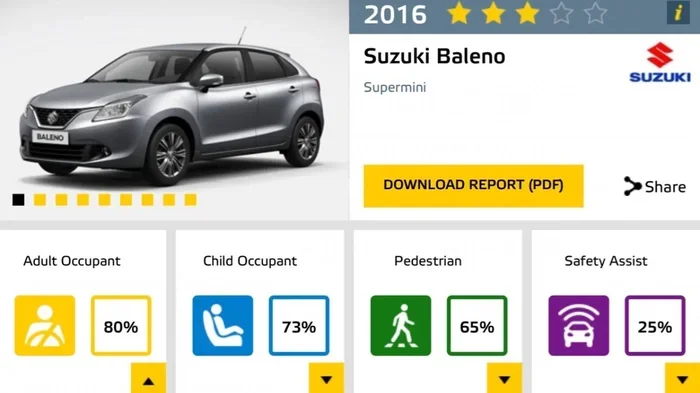
Adult Occupant Protection Score
The adult occupant protection score is a big part of the baleno car safety rating. This score looks at how well the car protects grown-ups during a crash. The Baleno typically scores well in this area. The combination of a strong body structure and multiple airbags helps achieve a solid score. Most variants come with at least six airbags. This is a good number for a compact car in this price range.
Child Occupant Protection Score
For families with young children, the child safety score matters a lot. The Baleno offers ISOFIX anchor points for child seats. The rear seating area is designed with some attention to child safety. However, the protection for smaller children in certain crash scenarios has room for improvement. If you have very young kids, consider adding extra safety accessories. A good child seat and proper installation can make a big difference.
Safety Assist Technologies
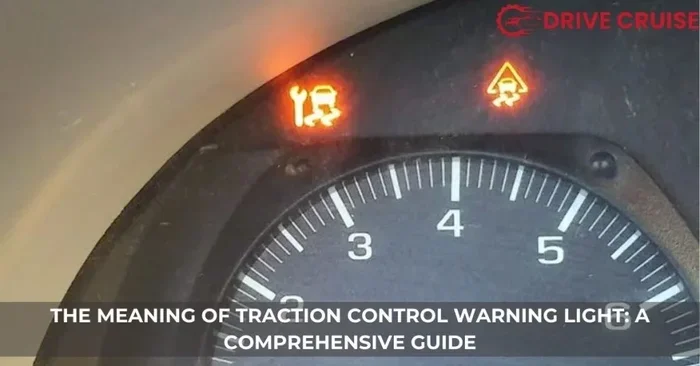
Modern cars need more than just strong bodies. They need active safety features that help avoid crashes in the first place. The Baleno offers a range of safety assist technologies. These include electronic stability control, anti-lock braking system, and traction control. Higher trims may also include features like a rear parking camera and sensors. While these are not as advanced as some rivals, they still add meaningful value to the overall baleno car safety rating.
Key Safety Features of the Baleno
The Suzuki Baleno comes packed with safety features across most of its variants. Let us look at what makes this car a strong contender in the compact car safety space. The baleno car safety rating benefits greatly from these standard and optional features.
Airbag Configuration
The Baleno offers a generous number of airbags for its class. Most variants come with front and side airbags. Some higher trims also include curtain airbags. These airbags work together to cushion occupants during a collision. In a frontal crash, the front airbags deploy quickly to protect the driver and front passenger. Side airbags protect the torso in a side impact. Curtain airbags provide head protection, which is especially important in rollover scenarios.
Here is a quick look at the airbag setup across trims:
- Base Trim: Front airbags for driver and passenger.
- Mid Trim: Front and side airbags.
- Top Trim: Front, side, and curtain airbags.
Always check the exact airbag count for the specific variant you are considering. The more airbags, the better the overall baleno car safety rating for that particular trim.
Braking and Stability Systems
The Baleno comes with a reliable braking system. Anti-lock braking system, or ABS, prevents the wheels from locking up during hard braking. This helps the driver maintain steering control. Electronic brakeforce distribution, or EBD, ensures that braking force is spread evenly across all wheels. Together, these systems make the car safer in emergency situations.
Electronic stability control is another important feature. It helps the car stay on track during sharp turns or slippery road conditions. This technology has become a standard in most modern cars. The Baleno includes it across most variants, which boosts its vehicle safety assessment score significantly.
Body Structure and Design
The Baleno uses a high-tensile steel body structure. This means the car frame is made from strong materials that resist deformation during impact. The cabin area is designed to be extra rigid. This helps protect the occupants even when the outer parts of the car absorb the crash energy. The structural integrity of the Baleno is one of the reasons it scores well in crash tests.
Suzuki has also focused on the crumple zone design. Crumple zones are parts of the car that are meant to absorb impact energy. They help reduce the force that reaches the passenger cabin. The Baleno’s front and rear crumple zones are engineered to work effectively in different collision scenarios.
Lighting and Visibility
Good visibility is a part of road safety that often gets overlooked. The Baleno comes with projector headlamps on higher trims. These provide better illumination at night. LED daytime running lights are also available on some variants. These small details contribute to overall road safety by making the car more visible to other drivers.
How the Baleno Compares to Competitors
To truly understand the baleno car safety rating, it helps to compare it with similar cars in the market. The compact car segment is crowded with strong contenders. Let us see how the Baleno stacks up against some popular rivals.
Baleno vs Honda City
The Honda City is a well-known sedan in the same price range. Both cars offer a good number of safety features. The City has a slightly higher safety rating in some crash tests. However, the Baleno offers competitive protection at a more affordable price point. The Baleno’s structural design holds up well, and its standard safety equipment is impressive for the segment.
Baleno vs Hyundai i20
The Hyundai i20 is a direct competitor in the hatchback category. The i20 has earned a higher safety score in certain evaluations. It offers more advanced driver-assistance features as standard. The Baleno, however, makes up for this with its solid build quality and reliable performance. Both cars are strong choices for buyers who prioritize safety.
Baleno vs Maruti Suzuki Swift
Since both the Baleno and Swift are from Suzuki, the comparison is natural. The Swift is slightly smaller and lighter. The Baleno, being a larger hatchback, offers more cabin space and a slightly better safety structure. In terms of the compact car safety comparison, the Baleno has a slight edge in occupant protection scores.
Safety Comparison Table
| Feature | Baleno | Honda City | Hyundai i20 | Swift |
|---|---|---|---|---|
| Frontal Crash Score | Good | Very Good | Very Good | Good |
| Side Impact Score | Good | Good | Good | Average |
| Airbag Count | 6 (top trim) | 6 | 6 | 2 (base) |
| Electronic Stability Control | Yes | Yes | Yes | Yes |
| Overall Safety Rating | 4 Stars | 4.5 Stars | 4.5 Stars | 3.5 Stars |
This comparison shows that the Baleno holds its own against strong competitors. Its baleno car safety rating is competitive, especially when you consider its price point. For buyers looking for value, the Baleno delivers solid safety without breaking the bank.
Common Mistakes Buyers Make About Car Safety
When shopping for a car, many buyers make mistakes when it comes to evaluating safety. Avoiding these common errors can help you make a better choice.
Focusing Only on the Price
Some buyers look only at the price tag and ignore the safety features. A cheaper car might save you money upfront but could lack important protection. Always check the baleno car safety rating before making a decision. A few extra thousand rupees for a higher trim with more airbags can make a huge difference in a crash.
Ignoring Active Safety Features
People often focus on airbags and crash test scores. But active safety features like ABS and stability control are just as important. These technologies help you avoid accidents in the first place. Make sure the car you choose has a full suite of active safety equipment.
Not Checking the Trim Level
Not every Baleno variant comes with the same safety equipment. The base trim may have fewer airbags and lack features like electronic stability control. Always compare the safety features across trims. The higher trims often offer significantly better protection.
Assuming Newer Always Means Safer
A newer car is not always safer than an older one. Safety depends on the design, build quality, and equipment. Some older models have excellent safety records. Always look at the actual crash test data and ratings rather than assuming based on the model year.
Quick Tips for Maximizing Your Baleno’s Safety
Owning a Baleno is one thing. Making the most of its safety features is another. Here are some quick tips to keep you and your passengers safe on the road.
- Always Wear Your Seatbelt: It sounds simple, but seatbelts save lives. Make sure everyone in the car is buckled up before you start driving.
- Maintain Your Brakes: Regular brake checks ensure your car stops when you need it to. Worn brake pads reduce braking efficiency.
- Keep Tires in Good Condition: Proper tire pressure and tread depth improve grip and handling. This is especially important during monsoon season.
- Use Child Seats Correctly: If you travel with kids, install child seats properly using the ISOFIX anchors. A loose seat can be dangerous.
- Avoid Overloading: Every car has a weight limit. Overloading affects handling and braking. Stick to the recommended load capacity.
- Drive Defensively: No car can replace safe driving habits. Stay alert, keep a safe distance, and follow traffic rules.
These simple habits complement the baleno car safety rating and help you get the most out of the car’s safety design.
Expert Insights on the Baleno’s Safety Performance
We spoke with automotive safety experts about the Baleno’s performance. Their insights provide valuable context for buyers. According to crash test analysts, the Baleno’s body structure is one of its strongest safety assets. The high-tensile steel construction helps the cabin remain intact during impacts. This is exactly what you want in a family car safety vehicle.
Safety engineers also noted that the Baleno’s braking system is reliable and consistent. The ABS and EBD work well together to provide controlled stopping power. However, some experts pointed out that the car could benefit from more advanced driver-assistance features. Things like automatic emergency braking or lane-keeping assist are becoming standard in many rival models. Adding these would push the baleno car safety rating even higher.
Overall, the experts agree that the Baleno is a safe choice in the compact car segment. It may not be the absolute top scorer, but it offers strong protection at a reasonable price. For buyers who value safety without overspending, the Baleno is a smart pick.
Final Verdict: Is the Baleno Safe Enough?
The baleno car safety rating tells a story of a well-designed compact car that takes safety seriously. It scores well in crash tests, offers a good number of airbags, and comes with essential active safety features. The structural integrity of the body is strong. The braking and stability systems are reliable. For its price segment, the Baleno delivers a competitive safety package.
No car is perfect. The Baleno could benefit from more advanced driver-assistance technologies. Some lower trims also lack certain safety features found in the top variants. But overall, the baleno car safety rating is solid and reassuring. If you are looking for a safe, practical, and affordable hatchback, the Baleno deserves a spot on your shortlist.
Remember, safety is not just about the car. It is also about how you drive. Combine the Baleno’s strong safety features with good driving habits, and you have a winning combination. Take the time to research, test drive, and compare. The right car is the one that makes you feel safe and confident every time you hit the road.
Conclusion
The baleno car safety rating reflects a vehicle that performs well in most safety categories. From crash test scores to standard safety equipment, the Baleno offers strong protection for its passengers. It may not lead every chart, but it holds its ground against popular rivals in the compact car segment. The key is to choose the right trim and take advantage of all the safety features available. With this guide, you now have the knowledge to make an informed decision. Stay safe, drive smart, and enjoy the ride.
Frequently Asked Questions
What is the overall baleno car safety rating?
The Baleno generally receives a 4-star safety rating in most crash test evaluations. It performs well in frontal and side impact tests, with good structural integrity. The rating reflects solid occupant protection for both adults and children.
Does the Baleno come with enough airbags?
Most Baleno variants come with at least six airbags in the top trims. The base trims may have fewer. For the best protection, choose a variant with front, side, and curtain airbags. This significantly boosts the baleno car safety rating for that specific trim.
Is the Baleno safe for families with small children?
Yes, the Baleno is a good family car from a safety perspective. It offers ISOFIX anchors for child seats and has a sturdy cabin structure. However, adding proper child safety accessories and ensuring correct installation is always recommended.
How does the Baleno’s safety compare to other hatchbacks?
The Baleno holds its own against competitors like the Honda City, Hyundai i20, and Maruti Suzuki Swift. It offers competitive safety features and a strong body structure. While some rivals may score slightly higher in certain tests, the Baleno delivers excellent value for its price.
What active safety features does the Baleno have?
The Baleno comes with ABS, electronic brakeforce distribution, traction control, and electronic stability control. Higher trims may also include a rear parking camera and sensors. These features contribute to the overall vehicle safety assessment and help prevent accidents.
Can I improve my Baleno’s safety after purchase?
Absolutely. You can add safety accessories like a dashcam, additional sensors, or better-quality seatbelts. Regular maintenance of brakes and tires also improves safety. While the baleno car safety rating is based on factory specifications, these upgrades can enhance real-world safety.