Active Safety Systems in Cars That Could Save Your Life
Active safety systems in cars are smart technologies designed to prevent accidents before they happen. These features use sensors, cameras, and software to warn drivers and even take control when needed. From automatic emergency braking to blind spot monitoring, understanding these systems could truly save your life.
Every year, millions of car accidents happen on roads around the world. Many of these crashes could be prevented with better technology. That is where active safety systems in cars come in. These smart features work hard to keep you safe before a collision ever happens.
If you are shopping for a new vehicle or just curious about what makes modern cars safer, you have come to the right place. In this guide, we will break down every major active safety system you should know about. We will explain how each one works, why it matters, and what to look for when buying a car.
Road safety has improved a lot over the past decade. A big reason for that is the rise of driver assistance technology. Cars today are smarter than ever. They can sense danger, warn you, and even take action to avoid a crash. Let us dive into the world of active safety systems in cars and see what makes them so important.
Key Takeaways
- Active safety systems in cars use sensors and software to prevent accidents before they occur.
- Automatic emergency braking and collision avoidance are among the most life-saving features available today.
- Blind spot monitoring and lane departure warning help drivers stay aware of their surroundings.
- Adaptive cruise control makes highway driving safer and less tiring.
- Electronic stability control and traction control reduce the risk of rollovers and skids.
- Pedestrian detection systems can identify people in the road and apply brakes automatically.
- Regular maintenance of safety sensors ensures these systems work when you need them most.
📑 Table of Contents
- What Are Active Safety Systems in Cars?
- Automatic Emergency Braking and Collision Avoidance
- Lane Departure Warning and Keeping Assist
- Blind Spot Monitoring and Rear Cross Traffic Alert
- Adaptive Cruise Control for Safer Highways
- Pedestrian Detection and Driver Monitoring Systems
- Electronic Stability Control and Rollover Prevention
- Tire Pressure Monitoring and Other Essential Features
- How to Choose a Car with the Best Active Safety Features
- Maintaining Your Active Safety Systems
- The Future of Active Safety Technology
- Conclusion
What Are Active Safety Systems in Cars?
Active safety systems in cars are electronic features that help prevent accidents. They work in real time, watching the road and reacting faster than any human could. Unlike passive safety features like airbags and seatbelts, active systems try to stop a crash from happening in the first place.
These systems rely on a mix of sensors, cameras, radar, and software. They constantly scan the road for danger. When they spot a problem, they either alert the driver or take action automatically. The goal is simple: keep you safe on every trip.
How Do Active Safety Systems Work?
Most active safety systems use a combination of tools to monitor your surroundings. Cameras watch the road ahead and lane markings. Radar detects the speed and distance of other vehicles. Sensors check blind spots and surrounding areas. All of this data gets processed by the car’s computer in milliseconds.
The system then decides what to do. It might flash a warning light. It might beep loudly. Or in serious cases, it can apply the brakes or steer the car away from danger. This whole process happens so fast that you barely notice it.
Why Are Active Safety Systems Important?
The numbers tell a clear story. Studies show that collision avoidance technology reduces rear-end crashes by up to 50 percent. Lane departure warning systems cut single-vehicle, sideswipe, and head-on crashes significantly. These are not small improvements. They are life-changing.
Many new cars now come with active safety features as standard equipment. Insurance companies often offer discounts for vehicles with these systems. And car safety ratings, like those from the IIHS and Euro NCAP, give extra weight to vehicles with strong road safety features.
Quick Tip
When shopping for a car, check the safety rating from the Insurance Institute for Highway Safety (IIHS). Look for a “Top Safety Pick” or “Top Safety Pick Plus” designation. These vehicles have excellent active safety systems in cars that earn top marks.
Automatic Emergency Braking and Collision Avoidance
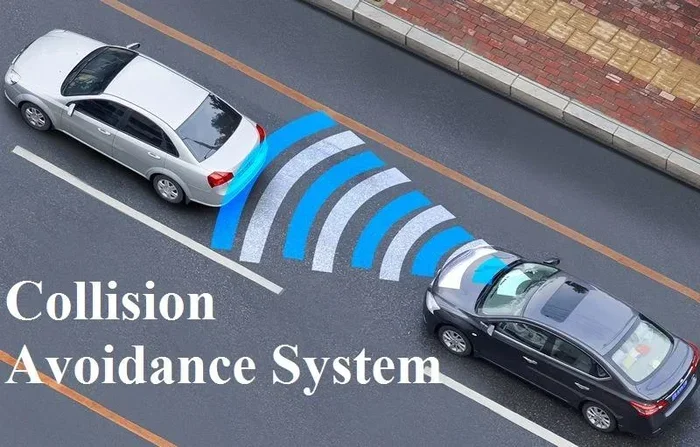
Automatic emergency braking (AEB) is one of the most important active safety systems in cars today. It uses cameras and radar to detect an imminent collision. If the driver does not respond, the system applies the brakes on its own.
This feature is especially useful in stop-and-go traffic. It can also help in situations where a pedestrian suddenly steps into the road. The system reacts in a fraction of a second, often faster than a human could move their foot to the brake pedal.
How Forward Collision Warning Works
Forward collision warning (FCW) is the alert system that works alongside AEB. It monitors the speed and distance of the vehicle ahead. If the gap closes too quickly, it sounds an alarm or flashes a warning on the dashboard.
The warning gives the driver a chance to react. But if the driver does not brake in time, the AEB system kicks in. Together, these two features form a powerful collision avoidance package that has saved countless lives.
Brake Assist Technology
Another key piece of the puzzle is brake assist. This system detects when a driver is braking hard and in an emergency. It applies maximum braking force much faster than a human could. This shortens stopping distance and can make the difference between a near miss and a serious crash.
Brake assist works with anti-lock braking systems (ABS) and traction control to keep the car stable during emergency stops. These technologies work together as a team to maximize safety.
Common Mistake
Many drivers turn off their automatic emergency braking system because they find the alerts annoying. This is a big mistake. Disabling active safety features removes a layer of protection that could save your life. Keep these systems on at all times.
Lane Departure Warning and Keeping Assist
Lane departure warning (LDW) is another essential active safety system. It monitors the road markings and tracks where your car is positioned in the lane. If you start to drift without using a turn signal, the system alerts you.
This feature is especially helpful on long highway drives. Fatigue and distraction can cause drivers to drift out of their lane without realizing it. Lane departure warning acts as a helpful nudge to bring your attention back to the road.
Lane Keeping Assist Explained
Lane keeping assist (LKA) goes a step further than LDW. If the system detects that you are drifting, it can gently steer the car back into the lane. Some systems provide a subtle vibration in the steering wheel or seat as a warning first.
These driver assistance technology features are not meant to replace the driver. They are designed to assist you and reduce the risk of accidents caused by unintentional lane changes. Think of them as a helpful co-pilot on every drive.
Traffic Sign Recognition
Some advanced systems include traffic sign recognition. This feature uses a camera to read speed limit signs and other road signs. It then displays the information on your dashboard or heads-up display.
This helps you stay aware of current speed limits and road conditions. It is a small feature, but it adds another layer of road safety features that work together to keep you protected.
Expert Insight
According to automotive safety researchers, lane departure warning and lane keeping assist are among the most effective active safety systems in cars for reducing run-off-road crashes. These systems are especially valuable on rural highways where road markings may be less visible and drivers may become drowsy.
Blind Spot Monitoring and Rear Cross Traffic Alert
Blind spot monitoring (BSM) is a road safety feature that many drivers rely on daily. It uses sensors on the sides of the car to detect vehicles in your blind spots. When a car is detected, a warning light appears on the side mirror or dashboard.
This system is incredibly useful when changing lanes on busy highways. It gives you extra confidence and helps prevent sideswipe accidents. Even experienced drivers can miss a car in their blind spot, but blind spot monitoring catches what the human eye might miss.
Rear Cross Traffic Alert
Rear cross traffic alert (RCTA) works when you are backing out of a parking space. It detects approaching traffic from the sides and warns you if it is not safe to reverse.
This feature is especially helpful in crowded parking lots. Kids, shopping carts, and other obstacles can appear suddenly. Rear cross traffic alert gives you an extra set of eyes to prevent backup collisions.
360-Degree Camera Systems
Many modern cars now offer 360-degree camera systems. These use multiple cameras around the vehicle to create a bird’s-eye view of your surroundings. They make parking and navigating tight spaces much safer and easier.
These camera systems work hand in hand with parking sensors to alert you to obstacles. Together, they form a comprehensive driver assistance technology package that makes low-speed maneuvering much safer.
Comparison: Blind Spot Monitoring vs. Rear Cross Traffic Alert
| Feature | Blind Spot Monitoring | Rear Cross Traffic Alert |
|---|---|---|
| Primary Function | Detects vehicles in blind spots during lane changes | Detects approaching traffic when reversing |
| When It Activates | Above 10 mph, during lane change attempts | Below 10 mph, while reversing |
| Warning Type | Mirror light, audible beep | Audible alarm, visual warning |
| Key Benefit | Prevents sideswipe and lane-change crashes | Prevents backup collisions in parking areas |
| Common in New Cars? | Yes, often standard | Yes, increasingly standard |
Adaptive Cruise Control for Safer Highways
Adaptive cruise control (ACC) is a smart upgrade to traditional cruise control. Instead of maintaining a fixed speed, ACC adjusts your car’s speed based on the traffic ahead. It keeps a safe following distance automatically.
This feature is a game-changer for long highway drives. It reduces fatigue and takes the stress out of maintaining a safe gap from the car in front of you. Adaptive cruise control uses radar or cameras to monitor the road ahead and adjust speed accordingly.
How Adaptive Cruise Control Works
The system sets a maximum speed you choose. Then it uses sensors to detect vehicles ahead. If the car in front slows down, your car slows down too. When the road clears, it accelerates back to your set speed.
Some advanced systems can bring the car to a complete stop in traffic and then resume moving when the car ahead starts again. This makes stop-and-go highway driving much more comfortable and safer.
Stop-and-Go Adaptive Cruise Control
Stop-and-go ACC is the most advanced version of this technology. It works in heavy traffic where cars are constantly slowing and stopping. The system handles all the speed adjustments for you, so you can focus on steering.
This is one of the most practical active safety systems in cars for daily commuters. It reduces the chance of rear-end collisions caused by inattention in slow-moving traffic.
Quick Tip
Always set your adaptive cruise control following distance to at least 2-3 seconds. In bad weather or road conditions, increase this to 4-5 seconds. Even with active safety features, maintaining a safe gap gives you more time to react.
Pedestrian Detection and Driver Monitoring Systems
Pedestrian detection is a critical road safety feature that has become more advanced in recent years. This system uses cameras and sensors to identify people walking or running near the road. If a pedestrian steps into the path of the car, the system can alert the driver or apply the brakes automatically.
Nighttime pedestrian accidents are especially dangerous. Modern pedestrian detection systems use infrared cameras and advanced algorithms to spot people even in low-light conditions. This has made a significant difference in reducing pedestrian fatalities.
Cyclist Detection Technology
Many active safety systems in cars now also detect cyclists. Bicyclists are vulnerable road users who share the road with cars. Cyclist detection works similarly to pedestrian detection, identifying bikes and alerting the driver or applying brakes if needed.
This feature is especially important in urban areas where bike lanes are close to vehicle traffic. It adds another layer of protection for everyone on the road.
Driver Monitoring Systems
Driver monitoring systems (DMS) are a newer addition to active safety technology. These systems use a small camera pointed at the driver to track eye movement, head position, and facial expressions.
If the system detects signs of drowsiness or distraction, it issues a warning. Some advanced systems can even suggest pulling over or adjusting the climate to help the driver stay alert. This is a powerful tool for preventing fatigue-related accidents.
Common Mistake
Some drivers rely too heavily on pedestrian detection and driver monitoring systems, thinking they are foolproof. These are assistance features, not replacements for attentive driving. Always stay alert and keep your eyes on the road. No active safety system can replace a focused driver.
Electronic Stability Control and Rollover Prevention
Electronic stability control (ESC) is one of the most important active safety systems in cars ever developed. It helps drivers maintain control during sharp turns or slippery road conditions. The system applies individual brakes to keep the car on its intended path.
ESC works by comparing the driver’s intended direction with the car’s actual direction. If the car starts to skid or slide, ESC intervenes instantly. It brakes individual wheels and reduces engine power to help the driver regain control.
How Rollover Prevention Works
Rollover accidents are among the most dangerous types of crashes. Rollover prevention technology uses sensors to detect when a car is at risk of tipping over. The system applies brakes and reduces engine power to stabilize the vehicle.
This feature is especially important for taller vehicles like SUVs and trucks, which have a higher center of gravity. Electronic stability control has been shown to reduce fatal rollover crashes by up to 80 percent.
Traction Control and Anti-Slip Systems
Traction control prevents wheel spin during acceleration on slippery surfaces. It works with electronic stability control to keep the car stable in rain, snow, and ice. Together, these systems form a powerful safety net for challenging driving conditions.
Anti-lock braking systems (ABS) prevent wheels from locking up during hard braking. This allows the driver to steer while stopping, which is critical in emergency situations. ABS, traction control, and ESC all work together as part of a comprehensive active safety system.
Expert Insight
Automotive safety experts consider electronic stability control the single most important active safety system ever introduced in passenger vehicles. Since ESC became mandatory in the United States in 2012, fatal single-vehicle crash rates have dropped significantly, proving the life-saving power of this technology.
Tire Pressure Monitoring and Other Essential Features
Tire pressure monitoring systems (TPMS) are a simple but vital road safety feature. They alert you when tire pressure drops below a safe level. Underinflated tires can cause blowouts, reduce fuel efficiency, and affect handling.
Most new cars come with TPMS as standard equipment. It is a small system with a big impact. Keeping your tires properly inflated is one of the easiest ways to stay safe on the road.
Other Active Safety Features to Know
There are several other active safety systems in cars worth knowing about. Here are a few that are becoming more common:
- Drowsiness detection – Monitors driving patterns and alerts you if it detects fatigue.
- Rear automatic braking – Applies brakes when reversing into an obstacle.
- Exit warning – Alerts passengers before opening doors into approaching traffic.
- Intersection assist – Warns of crossing traffic at intersections.
- Speed limit information – Displays and enforces speed limits automatically.
Each of these features adds to the overall safety of the vehicle. When combined, they create a comprehensive safety net that addresses many common accident scenarios.
Quick Tip
Take advantage of test drives to experience active safety systems in cars firsthand. Ask the dealer to walk you through each feature. Understanding how the systems work before you buy will help you use them effectively every day.
How to Choose a Car with the Best Active Safety Features
Not all active safety systems in cars are created equal. When shopping for a vehicle, there are several things to keep in mind. The goal is to find a car with a strong suite of driver assistance technology that fits your needs and budget.
Check the Safety Ratings
Start by checking the vehicle’s safety ratings. The IIHS and NHTSA provide detailed crash test results and safety evaluations. Look for vehicles that score well in both crashworthiness and crash avoidance technology.
A high safety rating means the car has been tested and proven to protect occupants. It also means the vehicle likely comes equipped with strong active safety features.
Look for Standard Equipment
Some active safety systems are only available on higher trim levels or as expensive options. The best cars offer these features as standard equipment across all trims. This ensures that every buyer gets the protection they deserve.
When comparing vehicles, make a list of the active safety features that matter most to you. Check which ones come standard and which ones cost extra. This will help you make a smart, informed purchase.
Consider Your Driving Habits
Think about how and where you drive most often. If you spend a lot of time on highways, adaptive cruise control and lane keeping assist are especially valuable. If you drive in busy city traffic, pedestrian detection and automatic emergency braking should be top priorities.
For parents or caregivers, rear cross traffic alert and rear automatic braking are essential for protecting children in parking lots. Tailor your choices to your specific driving needs.
Comparison: Active Safety Features by Driving Scenario
| Driving Scenario | Most Important Features | Why It Matters |
|---|---|---|
| Highway Driving | Adaptive cruise control, lane keeping assist, blind spot monitoring | Prevents fatigue-related crashes and lane departure accidents |
| City Traffic | Automatic emergency braking, pedestrian detection, traffic sign recognition | Handles stop-and-go traffic and vulnerable road users |
| Parking Lots | Rear cross traffic alert, 360 camera, rear automatic braking | Prevents backup collisions with pedestrians and obstacles |
| Rural Roads | Lane departure warning, electronic stability control, drowsiness detection | Addresses run-off-road and fatigue-related crashes |
| Bad Weather | Traction control, anti-lock braking, collision avoidance | Maintains control on slippery and low-visibility roads |
Maintaining Your Active Safety Systems
Having active safety systems in cars is only effective if they are working properly. Regular maintenance ensures these features function when you need them most. A sensor that is dirty or malfunctioning cannot protect you.
Keep your cameras and sensors clean. After a car wash or a long road trip, check that all safety cameras are clear of dirt and debris. A covered camera lens can disable lane departure warning and pedestrian detection.
Also, make sure to keep your software up to date. Many active safety systems receive over-the-air updates that improve performance and add new features. Check with your dealer about available updates for your vehicle.
If you notice any warning lights on your dashboard related to safety systems, have them checked immediately. A lit warning light could mean a sensor is malfunctioning or a system needs service. Ignoring these alerts can leave you unprotected.
Common Mistake
After an accident or a windshield replacement, active safety sensors may need recalibration. Failing to recalibrate these systems can cause them to work incorrectly or not at all. Always have a certified technician check and recalibrate your safety systems after any impact or glass replacement.
The Future of Active Safety Technology
The world of active safety systems in cars is evolving rapidly. Automakers are constantly developing new technologies to make driving even safer. The future holds exciting possibilities for road safety features that we are only beginning to explore.
One area of rapid development is vehicle-to-everything (V2X) communication. This technology allows cars to communicate with each other and with traffic infrastructure. Imagine a car that warns you about a red light three intersections ahead or a vehicle that lost control around a blind curve.
Artificial intelligence is also playing a bigger role in driver assistance technology. AI-powered systems can learn driving patterns and adapt to individual behavior. They can predict potential hazards before they fully develop, giving drivers even more time to react.
As these technologies mature, we can expect active safety features to become even more effective at preventing accidents. The ultimate goal is a future where serious car crashes are a rarity, not a common occurrence.
Expert Insight
Industry experts predict that within the next decade, active safety systems in cars will be capable of handling most common driving scenarios. While fully autonomous vehicles are still on the horizon, the incremental improvements in collision avoidance and driver assistance technology are already making roads significantly safer every year.
Conclusion
Active safety systems in cars represent one of the greatest advances in automotive history. These features work silently in the background, watching the road and protecting you from harm. From automatic emergency braking to electronic stability control, each system plays a vital role in keeping you and your passengers safe.
Understanding what these systems do and how they work empowers you as a driver. You can make better choices when buying a car, maintain your safety features properly, and drive with greater confidence. The more you know about active safety systems in cars, the better equipped you are to use them effectively.
No active safety system can replace attentive driving. But together, these technologies create a powerful safety net that catches what human error might miss. Invest in a vehicle with strong active safety features, keep them well-maintained, and enjoy the peace of mind that comes with knowing your car is working to protect you every time you turn the key.
The road ahead is safer than ever, thanks to these remarkable technologies. Embrace them, trust them, and let them help you arrive at your destination safely, every single time.
Frequently Asked Questions
What are active safety systems in cars?
Active safety systems in cars are electronic features designed to prevent accidents before they happen. These systems use sensors, cameras, and software to monitor the road, warn drivers of danger, and in some cases, take automatic action like applying brakes or steering. Examples include automatic emergency braking, lane departure warning, blind spot monitoring, and adaptive cruise control.
Are active safety systems really effective at preventing crashes?
Yes, studies show that active safety systems are highly effective. Automatic emergency braking reduces rear-end crashes by up to 50 percent. Electronic stability control reduces fatal single-vehicle crashes significantly. Lane departure warning and blind spot monitoring also show measurable reductions in accident rates. These technologies have been proven to save lives on real roads.
Can I turn off active safety features in my car?
Most active safety systems can be temporarily turned off by the driver, but it is strongly discouraged. Disabling features like automatic emergency braking or lane departure warning removes a critical layer of protection. Some vehicles automatically re-enable these systems after the ignition is turned off and restarted. Always keep your safety systems active while driving.
Do active safety systems work in bad weather?
Active safety systems can be affected by severe weather conditions like heavy rain, snow, or fog. Cameras and sensors may be temporarily impaired if they are covered in dirt, ice, or water. However, most modern systems are designed to handle typical weather conditions. It is always important to keep sensors clean and drive cautiously in extreme weather, even with active safety features enabled.
What is the difference between active and passive safety systems?
Active safety systems work to prevent accidents from happening in the first place. They include features like automatic emergency braking and lane keeping assist. Passive safety systems protect you during a crash that cannot be avoided. These include airbags, seatbelts, and crumple zones. Both types of safety systems work together to provide comprehensive protection.
How much do active safety systems cost?
Many active safety features now come standard in new vehicles, especially in mid-range and higher trim levels. Some basic features like tire pressure monitoring and electronic stability control are required by law in many countries. Advanced features like adaptive cruise control or pedestrian detection may be included in higher trims or available as optional packages. The cost of these features has dropped significantly over the years.