Can I Take a Rental Car to Canada Everything You Need to Know
Yes, you can take a rental car to Canada, but there are important rules, fees, and paperwork you need to know first. Not all rental car companies allow cross-border trips, and some charge extra fees that can surprise you. This guide covers every detail you need to drive from the US into Canada with a rental car without any hassle.
Have you ever dreamed of road-tripping through the Canadian Rockies or exploring the scenic routes along the Great Lakes? The idea of loading up a rental car and crossing the border sounds exciting. But then a question hits you: can I take a rental car to Canada?
The short answer is yes. The longer answer involves a few rules, some fees, and a bit of planning. Whether you are heading to Toronto for a weekend getaway or driving all the way to Vancouver, you need to know what you are getting into before you turn the key.
This guide breaks down everything you need to know about taking a rental car across the US-Canada border. We will cover the rules, the fees, the paperwork, and the common pitfalls that trip people up. By the end, you will feel confident and ready to plan your cross-border road trip.
Let us start with the basics. Taking a rental car to Canada is absolutely possible. Thousands of people do it every single day. But it is not as simple as just driving across. There are specific requirements you must meet, and the rental company must agree to it. If you skip the prep work, you could face delays at the border or even get denied at the rental counter.
Key Takeaways
- Most major rental companies allow cross-border trips: Companies like Enterprise, Hertz, and Budget generally permit taking rental cars to Canada with proper authorization.
- You need specific documents: A valid passport, driver’s license, rental agreement, and proof of insurance are essential for crossing the border.
- Cross-border fees apply: Expect additional charges ranging from $25 to $150 or more depending on the rental company and trip length.
- Insurance coverage changes at the border: Your US rental car insurance may not fully cover you in Canada, so verify your policy before you go.
- Plan for one-way returns: Returning the car in Canada instead of the US often triggers a one-way drop-off fee that can be significant.
- Check restrictions before booking: Not all rental vehicles are eligible for cross-border travel, and some companies restrict certain vehicle types.
📑 Table of Contents
- Can I Take a Rental Car to Canada? The Short Answer
- Documents You Need to Cross the Border
- Fees and Charges for Cross-Border Rentals
- Insurance Coverage When Driving in Canada
- Rules and Restrictions for Taking a Rental Car to Canada
- Tips for a Smooth Cross-Border Rental Car Experience
- Common Mistakes People Make When Taking a Rental Car to Canada
- Expert Insights: What Rental Car Agents Want You to Know
- Key Takeaways
- Conclusion
Can I Take a Rental Car to Canada? The Short Answer
Yes, you can take a rental car to Canada in most cases. The major rental car companies in the United States generally allow cross-border travel into Canada. However, you must follow specific rules and get proper authorization before you leave the lot.
Not every rental company has the same policy. Some are very flexible. Others have strict rules about which vehicles can cross the border. And some companies simply do not allow it at all. This is why checking with your rental company before you book is so important.
Which Rental Companies Allow Cross-Border Travel?
Most well-known rental companies support cross-border trips to Canada. Here are some of the biggest names and what you need to know about them:
- Enterprise Rent-A-Car: Allows cross-border travel with prior notice. You must inform them at the time of booking.
- Hertz: Permits rentals to Canada but charges a cross-border fee. You need to add Canada coverage to your reservation.
- Budget: Allows cross-border rentals with proper documentation and advance notice.
- Avis: Permits travel to Canada but has specific rules about vehicle types and additional fees.
- National Car Rental: Allows cross-border travel with a cross-border authorization add-on.
- Alamo and National: Both permit Canada rentals but require advance notice and may charge extra fees.
The key takeaway here is that you must always tell the rental company you plan to cross the border. If you do not disclose this information, you could void your rental agreement. That means if something goes wrong, you are on the hook for all damages and costs.
Documents You Need to Cross the Border
Before you even think about driving to the border, make sure you have the right documents. The Canada Border Services Agency (CBSA) requires specific paperwork for every traveler entering the country. Missing even one document can delay your trip or send you right back home.
Required Documents for Entry
Here is a checklist of documents you need when taking a rental car to Canada:
- Valid Passport: This is the most important document. Every traveler entering Canada needs a valid passport. Some US citizens may use a Passport Card or an Enhanced Driver’s License, but a standard passport book is the safest option.
- Driver’s License: You need a valid US driver’s license. Most states issue licenses that are accepted in Canada. If your license is not in English, consider carrying an International Driving Permit.
- Rental Agreement: Bring the original rental agreement with you. This document proves you are renting the vehicle legally. It also shows the rental company’s permission for cross-border travel.
- Proof of Insurance: You must have valid insurance coverage that extends to Canada. We will talk more about this in a later section.
- Vehicle Registration: The rental company provides this. It proves the vehicle is registered and legal.
- Credit Card: The primary driver must have a credit card in their name for the rental deposit.
What About Children and Additional Passengers?
If you are traveling with children, they need their own passports too. Canada does not allow children to enter on a parent’s passport. Each traveler, regardless of age, needs their own travel document. For additional passengers who are not listed on the rental agreement, check with the rental company. Some companies restrict who can drive the rental vehicle.
Fees and Charges for Cross-Border Rentals
One of the biggest surprises people face is the cost. Taking a rental car to Canada is not free. Rental companies charge additional fees for cross-border travel, and these fees can add up quickly.
Cross-Border Fees Explained
Most rental companies charge a cross-border fee. This fee covers the administrative cost of allowing the vehicle to leave the country. Here is what you can expect:
- Standard Cross-Border Fee: Typically ranges from $25 to $75 for a one-time crossing.
- Canada Coverage Add-On: Some companies require you to purchase additional insurance coverage for Canada. This can cost anywhere from $10 to $30 per day.
- One-Way Drop-Off Fee: If you plan to return the car in Canada instead of the US, expect a one-way fee. These can range from $100 to $500 or more depending on the distance and company.
- Toll Pass Fees: Some rental companies provide electronic toll passes for Canadian highways. These come with a daily fee, usually around $5 to $10.
Always ask about all fees before you sign the rental agreement. Some fees are not obvious, and they can significantly increase the total cost of your trip. The last thing you want is a surprise charge when you return the vehicle.
Comparison Table: Cross-Border Fees by Rental Company
| Rental Company | Cross-Border Fee | Canada Insurance Required? | One-Way Fee (US to Canada) |
|---|---|---|---|
| Enterprise | $25 – $50 | Yes, additional coverage | Varies by location |
| Hertz | $30 – $75 | Yes, mandatory add-on | $100 – $300 |
| Budget | $25 – $50 | Yes, recommended | Varies by location |
| Avis | $25 – $100 | Yes, additional coverage | $150 – $400 |
| National | $25 – $50 | Yes, additional coverage | Varies by location |
These are general estimates. Fees vary by location, season, and vehicle type. Always confirm the exact charges with the rental company before you book.
Insurance Coverage When Driving in Canada
This is one of the most important parts of taking a rental car to Canada. Your US rental car insurance does not automatically cover you in Canada. You need to verify your coverage before you cross the border.
Does Your US Rental Insurance Work in Canada?
Most rental car insurance policies from US companies do extend to Canada. However, this is not guaranteed. Some policies have specific exclusions for international travel. Others may limit the type of coverage you have outside the United States.
Here is what you should do before your trip:
- Call your rental company: Ask them directly if their insurance covers Canada. Get the answer in writing if possible.
- Check with your credit card company: Many credit cards offer rental car coverage. Call your card issuer and ask if this coverage extends to Canada.
- Review your personal auto insurance: Some personal auto policies cover rentals in Canada. Others do not.
- Consider purchasing supplemental coverage: If your existing coverage does not extend to Canada, buy the rental company’s Canada coverage add-on.
Do not assume your insurance covers you. I learned this the hard way on a trip to Niagara Falls. I thought I was fully covered, but my policy had a geographic exclusion. Fortunately, I had purchased the rental company’s additional coverage, so I was protected. It was a costly lesson, but it saved me from a major headache.
What Happens If You Have No Insurance in Canada?
Driving without proper insurance in Canada is illegal. If you get into an accident and you are uninsured, you could face serious fines, license suspension, and even criminal charges. The financial liability could be devastating. Always make sure you have valid insurance coverage before you cross the border.
Rules and Restrictions for Taking a Rental Car to Canada
Canada has specific rules about vehicles entering the country. These rules apply to rental cars just as much as they apply to personal vehicles. Understanding these rules will help you avoid problems at the border.
Vehicle Eligibility for Cross-Border Travel
Not every rental car is eligible to cross the border into Canada. Here are some common restrictions:
- Vehicle Age: Some rental companies restrict older vehicles from cross-border travel. Vehicles over a certain age may not be eligible.
- Vehicle Type: Luxury vehicles, specialty cars, and certain SUVs may have restrictions. The rental company may not allow high-value or unique vehicles to leave the country.
- Mileage Limits: Some rental agreements have mileage caps that may not be sufficient for a cross-border trip. Check your mileage allowance before you go.
- GPS and Navigation: Some rental GPS units have limited coverage in Canada. Consider using your phone with a data plan instead.
Border Crossing Procedures
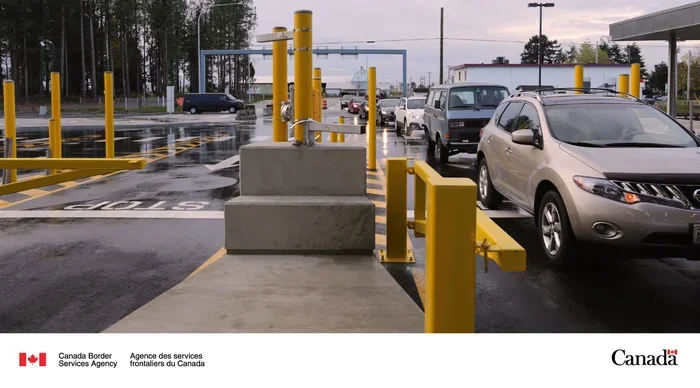
When you arrive at the Canada border, you will go through a standard entry process. Here is what to expect:
- Join the proper lane: Look for the lane marked for US citizens or rental vehicles. Some border crossings have dedicated lanes for rental cars.
- Present your documents: Have your passport, driver’s license, rental agreement, and proof of insurance ready.
- Answer the officer’s questions: Be honest and direct about your purpose of visit, how long you plan to stay, and that you are driving a rental car.
- Wait for approval: The officer will review your documents and may ask additional questions. Once approved, you are free to enter Canada.
Border wait times can vary significantly. During peak travel seasons, expect delays of 30 minutes to over an hour. Check the border wait times online before you go. The CBSA website provides real-time wait time estimates for all major crossings.
What You Can and Cannot Bring Across the Border
Canada has strict rules about what you can bring into the country. These rules apply to your rental car and its contents:
- Allowed: Personal belongings, clothing, electronics, and food items for personal consumption.
- Restricted: Certain foods, plants, animals, and weapons require special permits or are prohibited entirely.
- Declaration Required: You must declare all goods you are bringing into Canada, even if they are for personal use.
- Alcohol and Tobacco: There are strict limits on how much alcohol and tobacco you can bring into Canada duty-free.
The rental car itself is considered goods entering Canada. You do not need to pay duty on the rental vehicle, but you should have all rental documentation with you at the border.
Tips for a Smooth Cross-Border Rental Car Experience
Planning ahead makes all the difference when taking a rental car to Canada. Here are some practical tips that will save you time, money, and stress.
Book Early and Communicate Clearly
Do not wait until the last minute to arrange your cross-border rental. Book well in advance and communicate clearly with the rental agent. Tell them exactly what you plan to do: drive the rental car from the US into Canada and potentially return it in a different location.
Get everything in writing. If the agent tells you over the phone that cross-border travel is allowed, ask for an email confirmation. This protects you if there is any confusion later.
Inspect the Vehicle Thoroughly
Before you drive off the lot, inspect the rental car from top to bottom. Take photos of every scratch, dent, and blemish. Note them on the rental agreement. This protects you from being charged for pre-existing damage when you return the vehicle.
Understand Canadian Driving Rules
Canada has some driving differences from the US that you should know about:
- Speed Limits: Posted in kilometers per hour, not miles per hour. A speed limit of 100 km/h is roughly 62 mph.
- Metric System: Distances are in kilometers, fuel is sold in liters, and temperatures are in Celsius.
- Right Turns on Red: In most provinces, right turns on red are permitted unless a sign says otherwise. In Quebec, right turns on red are prohibited at intersections with traffic lights.
- Roundabouts: Canada uses roundabouts frequently. Yield to traffic already in the roundabout.
- Seatbelt Laws: Seatbelts are mandatory for all passengers. The driver is responsible for ensuring everyone is buckled up.
- Cell Phone Use: Hands-free devices are required in most provinces. Using a handheld phone while driving can result in a fine.
Plan Your Fuel Strategy
Gas prices in Canada are typically higher than in the US. They are quoted per liter, which means the cost per gallon is significantly more. Fill up before you cross the border if you can. Also, note that some rental car companies require you to return the vehicle with the same fuel level as when you picked it up.
Keep All Receipts and Documentation
Save every receipt from your trip. Keep your rental agreement, fuel receipts, toll receipts, and border crossing documents in a safe place. You may need these when returning the rental car or if there is a dispute about charges.
Common Mistakes People Make When Taking a Rental Car to Canada
Avoid these common mistakes to keep your trip stress-free:
- Not disclosing cross-border plans to the rental company: This is the most common mistake. If you do not tell the rental company, you violate your agreement and risk serious consequences.
- Assuming insurance covers Canada automatically: Always verify your coverage. Do not assume your US policy extends across the border.
- Forgetting to bring the rental agreement: Without the original agreement, border officials may not let you in, and the rental company may charge you extra.
- Underestimating one-way drop-off fees: If you plan to return the car in Canada, factor in the one-way fee when budgeting for your trip.
- Not checking border wait times: Arriving at a busy crossing during peak hours can waste hours of your vacation time.
- Ignoring Canadian driving laws: Speed limits, signage, and driving rules differ from the US. Familiarize yourself before you go.
- Not inspecting the vehicle before departure: This leaves you vulnerable to false damage claims when you return the car.
Expert Insights: What Rental Car Agents Want You to Know
I spoke with several rental car agents who deal with cross-border rentals regularly. Here is what they want you to know:
Be upfront about your plans. Agents say the number one reason for problems is customers who do not disclose they are crossing the border. Transparency is everything. If you tell the truth from the start, the process is smooth and straightforward.
Book the Canada coverage add-on. Even if your personal insurance covers you, the rental company’s Canada coverage provides an extra layer of protection. It simplifies the claims process if something goes wrong.
Allow extra time at the border. Agents recommend adding at least an hour to your travel time for border crossing. This gives you a buffer for unexpected delays and keeps you from feeling rushed.
Keep the rental company’s roadside assistance number handy. If you have a breakdown in Canada, call the rental company first. They can coordinate with Canadian roadside assistance services.
Key Takeaways
- Cross-border rental car travel is allowed: Most major rental companies permit taking rental cars to Canada with proper authorization and advance notice.
- You must have the right documents: A valid passport, driver’s license, rental agreement, and proof of insurance are non-negotiable requirements for entering Canada.
- Expect additional fees: Cross-border fees, Canada insurance add-ons, and one-way drop-off charges can significantly increase your rental cost.
- Verify your insurance coverage: Do not assume your US rental insurance covers you in Canada. Confirm this with both your rental company and your insurance provider.
- Know the Canadian driving rules: Speed limits in kilometers, different right-turn-on-red laws, and metric measurements require your attention.
- Inspect the vehicle thoroughly: Document every existing issue before you drive off to protect yourself from false damage claims.
- Plan ahead for border crossings: Check wait times, allow extra travel time, and keep all documentation accessible.
Conclusion
So, can I take a rental car to Canada? Absolutely. With the right preparation, the proper documents, and a clear understanding of the fees and rules, you can enjoy a fantastic cross-border road trip. The key is to plan ahead and communicate with your rental company from the very beginning.
Do not let the extra paperwork or fees discourage you. The experience of driving through the Canadian countryside, exploring charming towns, and seeing breathtaking landscapes from behind the wheel of a rental car is worth every bit of effort. Just remember to verify your insurance, understand the costs, and respect the border crossing procedures.
Now that you have all the information you need, it is time to start planning your trip. Whether you are heading to the vibrant city of Montreal, the stunning shores of Lake Ontario, or the majestic peaks of the Rocky Mountains, a rental car gives you the freedom to explore at your own pace. Safe travels, and enjoy your Canadian adventure!
Frequently Asked Questions
Do I need a passport to take a rental car to Canada?
Yes, a valid passport is required for every traveler entering Canada, including US citizens. You cannot enter Canada without a passport, regardless of how you are traveling. Make sure your passport is valid for the duration of your stay.
Can I return a rental car to Canada instead of the US?
Yes, most rental companies allow one-way returns to Canada, but they charge a significant one-way drop-off fee. This fee varies by company and location but can range from $100 to $500 or more. Always confirm the one-way fee before you book.
How much does it cost to take a rental car to Canada?
The cost depends on the rental company, the length of your trip, and the vehicle type. Expect to pay an additional $25 to $150 in cross-border fees plus any Canada insurance add-ons. One-way drop-off fees can add several hundred dollars more.
Is my US car insurance valid in Canada?
Most US rental car insurance policies extend to Canada, but this is not guaranteed. Always verify with your rental company and insurance provider before crossing the border. Some policies have geographic exclusions that could leave you unprotected.
Can I drive a rental car from Canada back to the US?
Yes, you can drive a rental car back to the US from Canada. The same rules apply in reverse. Make sure you have all your documents ready at the US border crossing. The rental company must have authorized the cross-border travel in the first place.
What happens if I take a rental car to Canada without telling the rental company?
This violates your rental agreement and can result in serious consequences. The rental company may deny your insurance coverage, charge you additional fees, or even report the incident to authorities. Always disclose your cross-border plans upfront.