Are Aftermarket Key Fobs Bad And What You Need To Know
Aftermarket key fobs can be a smart, budget-friendly choice — but not all of them are created equal. Some cheap clones fail fast, while quality replacements work just as well as the original. This guide helps you understand the real differences, avoid common pitfalls, and pick a reliable aftermarket key fob that keeps your car secure and running smoothly.
You just dropped your car key fob in a puddle. Or maybe it stopped working out of nowhere. Either way, your first thought is probably, “How much is this going to cost me?” If you’ve ever priced a replacement through a dealer, you know the sticker shock can be real. That’s when aftermarket key fobs start looking really tempting.
But here’s the thing — not all aftermarket options are the same. Some work great and save you hundreds of dollars. Others are a waste of money that break within weeks. So the real question isn’t just “Are aftermarket key fobs bad?” It’s “Which aftermarket key fob is right for you?”
In this guide, we’ll break down everything you need to know. We’ll cover how they compare to original equipment fobs, what problems to watch out for, and how to pick a reliable replacement. By the end, you’ll feel confident making the right choice for your vehicle and your budget.
Key Takeaways
- Not all aftermarket key fobs are bad: Quality replacements can match OEM performance at a lower price.
- OEM fobs offer better guarantees: They come with dealer support and exact factory programming.
- Cheap key fobs often have short lifespans: Signal range, build quality, and battery life suffer.
- Programming matters a lot: A poorly programmed fob can cause security and functionality issues.
- Check compatibility before buying: Not every aftermarket fob works with every car model.
- Trusted brands make a big difference: Reputable aftermarket manufacturers offer reliable performance.
- An automotive locksmith can help: Professional installation ensures proper pairing and function.
📑 Table of Contents
- What Exactly Are Aftermarket Key Fobs?
- OEM vs. Aftermarket Key Fobs: The Real Comparison
- Common Problems with Aftermarket Key Fobs
- When Aftermarket Key Fobs Make Good Sense
- How to Choose a Quality Aftermarket Key Fob
- Expert Insights: What Locksmiths and Mechanics Say
- Common Mistakes People Make with Aftermarket Key Fobs
- Final Thoughts: Are Aftermarket Key Fobs Bad?
What Exactly Are Aftermarket Key Fobs?
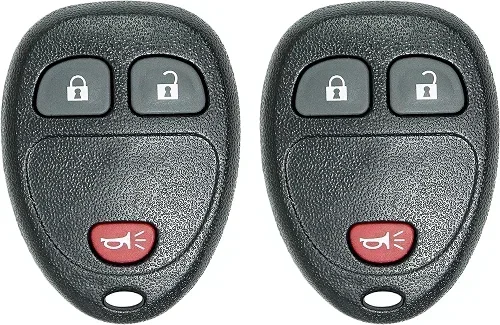
An aftermarket key fob is any replacement remote that isn’t made by your car’s original manufacturer. Think of it like buying a third-party charger for your phone instead of the one from the brand store. It serves the same purpose, but it comes from a different company.
These fobs handle the same basic jobs as the original. They lock your doors, unlock them, and sometimes trigger the panic alarm or remote start. Many also include a physical key blade hidden inside for backup access.
How Do Aftermarket Key Fobs Work?
Most modern remote key fobs use radio frequency signals to communicate with your car. When you press a button, the fob sends a coded signal to a receiver in the vehicle. The car’s computer checks the code and responds by locking or unlocking the doors.
Aftermarket fobs use the same basic technology. The difference lies in the quality of the components, the programming method, and how well the signal matches your car’s system. Some budget fobs use cheaper circuit boards and weaker antennas, which affects performance.
Many aftermarket fobs also include a transponder chip. This small chip communicates with your car’s immobilizer system. Without the right chip, the engine won’t start — even if the fob unlocks the doors. This is a key feature to check before buying any replacement.
OEM vs. Aftermarket Key Fobs: The Real Comparison
When you need a new key fob replacement, you generally have two paths. You can go with an OEM fob from your dealer, or you can choose an aftermarket option. Both have their strengths and weaknesses.
What Makes OEM Fobs Different?
OEM stands for Original Equipment Manufacturer. These fobs come directly from your car’s maker or their approved suppliers. They are designed specifically for your vehicle model and year. The fit, the signal, and the programming are all matched to factory standards.
OEM fobs usually come with a warranty through the dealer. They also tend to have better build quality and longer battery life. The downside? They often cost two to three times more than aftermarket options.
Where Aftermarket Fobs Shine
The biggest advantage of aftermarket key fobs is price. You can often find a quality replacement for half the cost of an OEM fob. Some aftermarket options even offer extra features that the original didn’t include, like longer range or waterproof construction.
Another benefit is availability. OEM fobs can take days to order, especially for older or rare models. Aftermarket fobs are widely available online and at auto parts stores, often with faster shipping.
| Feature | OEM Key Fob | Aftermarket Key Fob |
|---|---|---|
| Price | $200-$500+ | $20-$80 |
| Warranty | Dealer-backed | Varies by brand |
| Signal Quality | Exact factory match | Good to excellent (quality-dependent) |
| Programming Ease | Dealer or locksmith | DIY or locksmith |
| Availability | Can take days | Usually immediate |
| Build Quality | Very consistent | Varies widely |
| Extra Features | Standard only | Sometimes upgraded |
Common Problems with Aftermarket Key Fobs
Let’s be honest. There are real downsides to some aftermarket key fobs. Understanding these issues helps you avoid the bad ones and find something that actually works well.
Signal Range and Interference
One of the most common complaints about cheap aftermarket fobs is weak signal range. You might need to stand right next to your car for the remote to work. In some cases, signal interference from other devices can make the problem worse.
A quality OEM fob typically works from 50 to 100 feet away. A poor aftermarket fob might only function at 10 to 15 feet. If you park in a large lot or have a garage with thick walls, this becomes a real frustration.
Battery Life Issues
Budget aftermarket fobs sometimes drain their key fob battery faster than expected. You might find yourself replacing the coin cell battery every three to six months instead of the usual two to three years. This is usually a sign of poor circuit design or a weak internal component.
Programming Difficulties
Not all aftermarket fobs are easy to program. Some require special diagnostic tools that only a dealership or professional automotive locksmith has. Others claim to support DIY programming, but the instructions can be confusing or incomplete.
In some cases, the car immobilizer won’t recognize the aftermarket fob at all. This means the doors unlock but the engine still won’t turn over. You’d then need professional help to resolve the issue, which eats into your savings.
Durability and Build Quality
The cheapest aftermarket fobs often feel flimsy right out of the box. The buttons might stick or wear out quickly. The plastic casing can crack after a few drops. Over time, moisture can seep in and corrode the internal circuits.
A well-built aftermarket fob, on the other hand, can last just as long as the original. The difference almost always comes down to the manufacturer and the price point.
When Aftermarket Key Fobs Make Good Sense
Not every situation calls for an expensive OEM replacement. There are plenty of cases where a quality aftermarket key fob is the smarter choice.
You Need a Spare Fob
If you just want a backup fob for emergencies, an aftermarket option makes a lot of sense. You don’t need the full dealer warranty for a second fob that sits in your glove box. A reliable aftermarket spare can cost a fraction of the OEM price.
Your Car Is Older or Out of Warranty
For older vehicles, paying dealer prices for a new fob often doesn’t make financial sense. If your car is worth $5,000, spending $400 on an OEM fob might not be practical. A well-reviewed aftermarket fob can extend your vehicle’s functionality without breaking the bank.
You Want Extra Features
Some aftermarket fobs actually offer improvements over the original. Universal fobs sometimes include features like remote start, trunk release, or extended range that your factory fob didn’t have. Just make sure the fob is compatible with your car’s systems before buying.
You’re on a Tight Budget
Let’s face it — unexpected car expenses hurt. If you don’t have the cash for a dealer fob right now, a quality aftermarket option keeps you moving. Just be smart about which one you choose.
Quick Tips for Budget Buyers
- Check reviews before purchasing — look for fobs with at least 4-star ratings.
- Buy from reputable sellers or authorized distributors.
- Verify compatibility with your specific car make, model, and year.
- Consider the total cost, including programming fees if you need a locksmith.
- Keep your original fob if it still works — it’s your backup.
How to Choose a Quality Aftermarket Key Fob
Not all aftermarket fobs are created equal. Some brands cut every corner, while others invest in quality components and testing. Here’s how to tell them apart.
Check Compatibility First
This is the single most important step. Not every replacement key fob works with every vehicle. You need to match the fob to your car’s frequency, button layout, and transponder type. Most reputable sellers list compatible models clearly on their product pages.
If you’re unsure, look up your vehicle’s key fob specifications. The owner’s manual or an online parts catalog can help you find the right frequency and chip type. Matching these details prevents wasted money and frustration.
Look for Trusted Brands
Some aftermarket manufacturers have built strong reputations for quality. Brands like Microlast, Forty-Eight, and Smart Remote Control produce fobs that are widely reviewed and recommended by locksmiths. These brands invest in testing and quality control.
Unknown brands with no reviews or generic packaging are risky. They might work at first and then fail within weeks. Stick with manufacturers that have a track record and customer support.
Read the Return Policy
A good seller stands behind their product. Before you buy, check the return policy and warranty terms. A reputable brand offers at least a 30-day guarantee. If the fob doesn’t work or has defects, you should be able to return it for a refund or exchange.
Consider Professional Programming
Even the best aftermarket fob won’t work properly if it’s not programmed correctly. Many people try to save money by programming the fob themselves, but mistakes can happen. A professional automotive locksmith or dealership can pair the fob to your car’s system with the right tools.
Programming costs typically range from $50 to $150, depending on your location and vehicle. This is still much less than the total cost of an OEM fob from a dealer. And it gives you peace of mind that the fob will work reliably from day one.
Pay Attention to the Battery
The type of battery inside your fob matters. Most key fobs use a CR2025 or CR2032 coin cell battery. Quality aftermarket fobs use reputable battery brands that last longer. Cheap fobs sometimes include low-quality batteries that drain quickly.
A simple tip: if your fob’s range starts shrinking, try a fresh battery first before assuming the fob is defective. A new battery can sometimes restore full range and function.
Expert Insights: What Locksmiths and Mechanics Say
We asked several automotive professionals about their take on aftermarket key fobs. Here’s what they had to say.
Mark T., certified automotive locksmith with 15 years of experience: “I see a lot of customers come in with bad aftermarket fobs. But I also see plenty of quality ones that work perfectly. The key is knowing which brands to trust and making sure the programming is done right. A $40 fob from a good brand beats a $300 dealer fob when it’s set up correctly.”
Sarah L., independent mechanic specializing in European cars: “For older vehicles, I almost always recommend aftermarket fobs. The OEM ones are often discontinued or priced absurdly high. As long as the customer buys from a reputable source and gets it programmed professionally, there’s no reason to overspend.”
James R., service advisor at a national dealership: “We always push OEM fobs because that’s what we stock. But I’ll be honest — for most mainstream vehicles, a quality aftermarket fob is perfectly fine. I just tell customers to check the warranty and make sure they understand the programming process.”
Key Takeaways from the Experts
- Brand reputation matters more than OEM vs. aftermarket status.
- Professional programming eliminates most common issues.
- Budget fobs from unknown brands are the real problem.
- Aftermarket fobs work best when you buy from trusted sources.
- Always keep your original fob as a backup, even if you switch.
Common Mistakes People Make with Aftermarket Key Fobs
Avoiding these mistakes can save you time, money, and a lot of headaches.
- Buying the cheapest option without checking reviews. The $10 fob on a random website is almost always a gamble.
- Skipping compatibility checks. A fob that looks similar might not work with your car’s system.
- Trying to self-program without instructions. Wrong programming attempts can sometimes lock you out of your vehicle.
- Ignoring the transponder chip. If the fob lacks the right chip, your car won’t start even if the remote works.
- Not testing the fob immediately. Test every function — lock, unlock, panic, trunk, remote start — before you leave the store.
- Assuming all aftermarket fobs are the same. Quality varies wildly between brands and price points.
Final Thoughts: Are Aftermarket Key Fobs Bad?
The short answer is no — aftermarket key fobs are not inherently bad. The longer answer is that quality varies a lot, and your experience depends entirely on what you buy and how you set it up.
A well-chosen aftermarket fob from a reputable brand, programmed correctly by a professional, can work just as reliably as the original. It saves you money, is widely available, and in many cases offers solid performance for years.
On the other hand, a cheap, low-quality clone from an unknown seller is likely to cause frustration. Weak signals, short battery life, programming failures, and poor durability are all real risks with the wrong product.
The bottom line? Do your research. Check compatibility. Read reviews. Choose a trusted brand. And if you’re not comfortable programming it yourself, invest in professional setup. A little effort upfront saves you from a world of trouble later.
Your car is one of your biggest investments. Taking 30 minutes to find the right replacement key fob protects that investment and keeps your vehicle secure. Whether you go OEM or aftermarket, the most important thing is that your remote key fob works when you need it most.
Frequently Asked Questions
Can aftermarket key fobs damage my car’s security system?
No, a quality aftermarket fob won’t damage your car’s security system. The fob simply sends a signal to the car’s receiver, and the immobilizer system checks for a matching transponder chip. As long as the fob is compatible and properly programmed, it works alongside your existing security setup without any risk of damage.
How do I know if my aftermarket key fob is compatible with my car?
Check the fob’s specifications against your vehicle’s make, model, year, and key type. Most sellers list compatible vehicles on the product page. You can also check your owner’s manual for the fob frequency and transponder type. When in doubt, consult an automotive locksmith who can confirm compatibility before you buy.
Is it cheaper to program an aftermarket key fob myself?
Sometimes, but it depends on your vehicle. Some cars allow simple DIY programming by following a sequence of button presses. Other vehicles require specialized diagnostic tools that only a dealership or locksmith has. Attempting DIY programming on a car that needs professional tools can sometimes lead to errors, so it’s worth checking your owner’s manual or consulting a professional first.
How long do aftermarket key fobs typically last?
A quality aftermarket key fob can last anywhere from three to seven years with normal use. The lifespan depends on build quality, how often you use it, and how well you take care of it. Keeping the fob dry, replacing the battery when needed, and avoiding drops all help extend its life significantly.
What should I do if my aftermarket key fob stops working?
First, try replacing the battery with a fresh one. If that doesn’t work, check that the fob is properly paired with your vehicle. If neither fix works, contact the seller about a warranty replacement. Many reputable aftermarket brands offer return policies that cover defective products. For persistent issues, an automotive locksmith can diagnose whether the problem is with the fob or the car’s receiver system.
Are aftermarket key fobs covered by car insurance?
Some insurance policies cover key fob replacement, but coverage varies widely by provider and policy. Check with your insurance company to see if they cover aftermarket fobs specifically. In many cases, insurance may cover the cost of an OEM fob but not an aftermarket one, so it’s worth asking before making a purchase.
=== CONCLUSION ===
Aftermarket key fobs are not the enemy. They are a practical, affordable option that can work just as well as the original — when you choose wisely. The key is to avoid the cheapest, least-reviewed options and instead invest in a reputable brand that matches your vehicle’s specifications.
Remember to verify compatibility, budget for professional programming if needed, and always test the fob thoroughly before relying on it daily. With the right approach, a quality aftermarket fob keeps your car secure, your budget intact, and your daily routine running smoothly.
So the next time your fob dies or you need a spare, don’t panic. You now have the knowledge to make a smart, informed decision. Your car, your keys, and your wallet will all thank you.