Are Overlock and Serger the Same Machine for Sewing
Are overlock and serger the same machine? Many sewers use these terms interchangeably, but they are not exactly the same. A serger is a type of machine that trims and finishes edges, while an overlock machine specifically creates overlock stitches. Understanding the difference helps you pick the right tool for your sewing projects. This guide breaks it all down in simple terms.
So, you have been sewing for a while. Maybe you just started. Either way, you have probably heard people say “overlock” and “serger” like they mean the same thing. They do not. At least, not entirely. The question “are overlock and serger the same” comes up a lot in sewing circles. And the answer is more nuanced than you might think.
Both machines deal with fabric edges. Both make seams look clean and professional. But they work in different ways. A serger trims the fabric as it sews. An overlock machine binds the edge without cutting. These small differences matter a lot. They affect how your finished project looks and lasts.
In this article, we will break it all down. You will learn what each machine does. You will see how they compare. And by the end, you will know exactly which one you need. No confusing jargon. No fluff. Just clear, practical info about overlock vs serger machines.
Key Takeaways
- Overlock and serger are not identical: They share features but serve different purposes in sewing.
- A serger trims and finishes seams: It uses blades and threads to create clean edges on fabric.
- An overlock machine focuses on stitching: It binds fabric edges without cutting them.
- Thread count matters: Sergers use 3 to 5 threads, while overlock machines vary too.
- Know your project needs: Garment construction, edge finishing, and seam strength determine which machine you need.
- Both machines boost sewing speed: They make finishing seams faster than a regular sewing machine.
- Differential feed is a key feature: It helps prevent fabric stretching during overlocking and serging.
📑 Table of Contents
What Is an Overlock Machine?
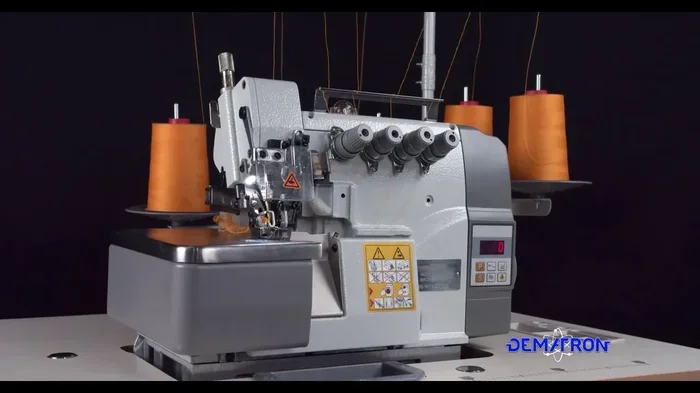
An overlock machine creates a specific type of stitch. This stitch wraps thread around the edge of fabric. It binds the raw edge so it does not fray. Think of it like putting a protective border around your fabric edge.
Overlock stitching has been around for a long time. It was originally designed for industrial use. Factories used it to finish seams on mass-produced clothing. Over time, smaller versions became available for home sewers.
How Does an Overlock Machine Work?
An overlock machine uses thread loops. These loops wrap around the edge of the fabric. The number of threads can vary. Some machines use two threads. Others use three, four, or even five. More threads mean a stronger edge finish.
Here is what happens inside the machine:
- The fabric feeds through the machine.
- Needles pierce the fabric and carry thread.
- Loopers create thread loops around the edge.
- The result is a neat, bound edge.
One key thing to know: an overlock machine does not cut the fabric. It only stitches. This is a big difference from a serger. If edge trimming matters for your project, this distinction is important.
Common Uses for Overlock Machines
Overlock machines shine in specific situations. Here are the most common uses:
- Edge finishing: Preventing fabric from unraveling.
- Seam binding: Securing raw edges on garments.
- Decorative stitching: Adding a clean border to hems.
- Lightweight fabric work: Silk, chiffon, and delicate materials benefit greatly.
- Quilting edges: Keeping quilt borders neat and secure.
If you sew a lot with delicate fabrics, an overlock machine is a great choice. It handles thin materials gently. It does not pull or stretch them out of shape.
What Is a Serger Machine?
A serger is often called an overlock machine. But it does more than just overlocking. A serger trims the fabric edge and sews a finish in one pass. This makes it a powerhouse for garment construction.
The word “serger” comes from the French word “serrer,” which means to press or tighten. That tells you something about what it does. It tightens and finishes edges quickly and efficiently.
How Does a Serger Work?
A serger uses a combination of blades and threads. Here is the basic process:
- The fabric enters the machine.
- A blade trims the excess edge.
- Needles and loopers create the stitch.
- The result is a trimmed, finished seam all at once.
Most sergers use three to five threads. The most common setup is a 3-thread or 4-thread overlock stitch. Each thread has a job:
- Needle threads: They pierce through the fabric.
- Looper threads: They create loops that lock the stitch together.
- Blade: It cuts the fabric edge as you sew.
What Can You Do With a Serger?
A serger is incredibly versatile. Here are things it does well:
- Seam finishing: Clean and secure seams on garments.
- Edge trimming: Removing excess fabric automatically.
- Stretch stitching: Great for knit fabrics that need give.
- Rolled hems: Creating tiny, neat folds on lightweight fabric.
- Flatlocking: Joining two pieces with a flat, smooth seam.
Many garment makers rely on a serger for their sewing projects. It saves time. It makes seams look professional. And it handles stretchy fabrics like a pro.
Are Overlock and Serger the Same Thing?
This is the big question. And the short answer is no. They are related, but they are not the same. An overlock machine creates overlock stitches. A serger creates overlock stitches too, but it also trims fabric. So every serger does some overlocking, but not every overlock machine is a serger.
Think of it like this. All squares are rectangles, but not all rectangles are squares. Same idea here. All sergers do overlocking, but not all overlock machines are sergers.
Where They Overlap
Both machines share some common ground. They both finish fabric edges. They both prevent fraying. They both use multiple threads to create strong seams. In everyday conversation, people use the terms “overlock” and “serger” interchangeably. And honestly, for most sewing purposes, that works fine.
But if you are buying a machine, the difference matters. You need to know what you are getting.
Where They Differ
Here are the main differences between the two:
- Cutting ability: A serger has a blade. An overlock machine does not.
- Trim width: Sergers allow you to set how much fabric gets trimmed. Overlock machines leave the full edge intact.
- Stitch options: Sergers offer more stitch variations. Think flatlock, rolled hem, and cover stitch options.
- Speed: Sergers tend to be faster for full garment production.
- Thread usage: Both can use 2 to 5 threads, but sergers are more commonly found in 3- and 5-thread configurations.
These differences might seem small. But they make a big impact on your finished work.
Quick Comparison Table
| Feature | Overlock Machine | Serger |
|---|---|---|
| Cuts fabric edge | No | Yes |
| Trims as it sews | No | Yes |
| Thread count | 2 to 5 | 3 to 5 |
| Edge finishing | Yes | Yes |
| Seam rolling | No | Yes |
| Best for delicate fabrics | Yes | Good |
| Garment construction speed | Slower | Faster |
| Differential feed | Some models | Most models |
This table should help you visualize the differences. Keep it handy when you are shopping for a machine.
Which Machine Do You Need for Your Sewing Projects?
Choosing between an overlock machine and a serger depends on what you sew. Your fabric choices matter. Your skill level matters. And your project goals matter too.
Choose an Overlock Machine If
- You mostly work with delicate or lightweight fabrics.
- You do not want the machine to cut your fabric edges.
- You need gentle edge finishing for fragile materials.
- You are doing simple seam finishing without trimming.
- You are a beginner who wants a straightforward tool.
Choose a Serger If
- You sew a lot of garments or knit fabrics.
- You want to trim and finish seams in one step.
- You need rolled hems or flatlock seams.
- Speed and efficiency matter for your workflow.
- You work on projects with stretchy or fray-prone edges.
If you are still not sure, think about your most common projects. Do you make clothes? A serger will save you tons of time. Do you sew delicate items like scarves or linings? An overlock machine gives you more control.
Can You Use Both Machines Together?
Absolutely. Many experienced sewers own both. They use the overlock machine for delicate work. They use the serger for garment construction. Having both machines gives you the best of both worlds.
Some modern sewing machines even combine overlock and serger functions. These combo machines are gaining popularity. They are not as powerful as standalone machines, but they work well for casual sewers.
Common Mistakes People Make With These Machines
Even experienced sewers make mistakes with overlock and serger machines. Here are some pitfalls to avoid.
Using the Wrong Thread Tension
Thread tension is crucial. Too tight, and your fabric puckers. Too loose, and the stitches unravel. Always test on scrap fabric first. Adjust the tension until the stitches look balanced.
Ignoring Differential Feed
Differential feed controls how much fabric moves through the machine. If you ignore it, your seams can stretch or pucker. Knit fabrics especially need this feature adjusted correctly.
Forgetting to Oil and Clean
Both machines have moving parts that need care. Lint builds up fast. Blades get dull over time. Clean your machine after every few projects. Oil it as the manufacturer recommends.
Choosing the Wrong Stitch Length
Stitch length affects seam strength. Too short, and the fabric bunches. Too long, and the edge frays. Match your stitch length to the fabric type and project purpose.
Expert Tips for Getting the Best Results
Want to level up your sewing game? Here are some tips from experienced sewers.
- Always use fresh needles: Dull needles cause skipped stitches and frayed edges.
- Match your thread weight to fabric weight: Heavy thread on light fabric creates bulk.
- Use quality thread: Cheap thread breaks more often and jams your machine.
- Practice on scraps first: Test every new stitch setting before working on your real project.
- Keep your blades sharp: Replace serger blades regularly for clean cuts.
- Adjust stitch width for different fabrics: Wider stitches work better on knits. Narrower ones suit wovens.
- Use an overlock stitch on a sewing machine when needed: Many modern machines have an overlock function built in.
These small tips make a huge difference. They save time. They improve quality. And they extend the life of your machine.
Final Thoughts on Overlock vs Serger Machines
So, are overlock and serger the same? Now you know the answer. They are close cousins, not twins. A serger trims and finishes. An overlock machine only finishes. Both are valuable tools in the sewing world.
Your choice comes down to what you sew most often. If you make garments, a serger is likely your best bet. If you work with delicate fabrics, an overlock machine gives you gentle, precise finishing.
Either way, adding one of these machines to your sewing setup opens up new possibilities. Your seams will look cleaner. Your projects will last longer. And your sewing experience will be more enjoyable.
Start with the machine that fits your current needs. You can always add the other later. The best machine is the one that helps you create the things you love.
Frequently Asked Questions
Can I use a regular sewing machine instead of an overlock or serger?
Yes, you can. A regular sewing machine can finish seams with a zigzag stitch. However, it will not trim the edge or create the same professional look. Sergers and overlock machines are faster and cleaner for edge finishing. They are especially helpful with stretchy fabrics that need give.
Is a 3-thread or 5-thread overlock stitch stronger?
A 5-thread stitch is generally stronger. It uses more threads to lock the seam together. A 3-thread stitch works well for most garments. It is faster and uses less thread. Choose based on the strength your project needs.
Do I need a serger if I already own a sewing machine?
Not always. If you sew simple projects or work with fabrics that do not fray much, a sewing machine may be enough. But if you sew garments regularly, a serger saves time and gives cleaner results. It is a worthwhile investment for serious sewers.
What is differential feed on a serger?
Differential feed controls how much fabric stretches as it moves through the machine. It has two sets of feed dogs. Adjusting them helps prevent puckering and stretching. It is especially useful when sewing knits and stretchy fabrics.
Can an overlock machine do a rolled hem?
Some overlock machines can do a rolled hem with special feet or attachments. However, sergers are much better at this. They are designed for rolled hems and can do them quickly and neatly. If rolled hems are important to you, a serger is the better choice.
How often should I replace the blade on my serger?
It depends on how much you use it. For regular sewers, replacing the blade every 6 to 12 months is a good rule. If you notice frayed or uneven cuts, it is time for a new blade. Sharp blades make clean cuts and protect your fabric edges.
=== CONCLUSION ===
Understanding the difference between an overlock machine and a serger matters. It helps you make better choices for your sewing projects. Both machines finish fabric edges beautifully. But they do it in different ways. A serger trims as it sews. An overlock machine only binds the edge.
Now that you know the answer to “are overlock and serger the same,” you can shop with confidence. Pick the machine that fits your needs. Or invest in both if your sewing journey demands it. Either way, you are one step closer to creating professional-quality seams at home. Happy sewing!