Can You Still Drive a Toyota Hybrid With a Bad Battery
Yes, you can often still drive a Toyota hybrid with a bad battery, but it depends on the type of failure and how bad the damage is. A degraded hybrid battery may cause reduced fuel economy, warning lights, or limp mode, yet the gas engine can sometimes keep the car moving. Understanding what happens lets you make smart decisions about repair, driving safety, and when to seek help.
You are cruising down the road in your Toyota hybrid, and suddenly the check engine light flickers on. Your mind races. Can you still drive a Toyota hybrid with a bad battery? The short answer is yes, in most cases. But the full story is more nuanced, and it matters a lot if you want to avoid getting stranded or causing further damage to your car.
Toyota hybrid vehicles are known for their reliability and fuel efficiency. The Toyota hybrid battery plays a central role in delivering both of those benefits. When that battery starts to fail, drivers worry about what happens next. Will the car stop working entirely? Can you still get to work? Is it safe to keep driving?
This guide covers everything you need to know about driving a Toyota hybrid with a bad battery. You will learn how the hybrid system works, what warning signs to watch for, and what your options are for repair. Whether you drive a Prius, a Camry Hybrid, or another Toyota model, this article has you covered.
Let us break it down in plain, simple terms. No jargon. No fluff. Just clear answers you can use right away.
Key Takeaways
- Hybrid cars can run on gas alone: Even with a failed hybrid battery, many Toyota models will still start and drive using the gas engine.
- Warning signs are easy to spot: Reduced fuel economy, strange noises, and dashboard warnings often point to a failing hybrid battery.
- Driving distance drops significantly: A bad battery means you lose electric assist, so you rely more on gas and may experience limp mode.
- Replacement costs vary widely: New OEM batteries can be expensive, but refurbished or rebuilt options offer a more affordable path.
- DIY diagnostics are possible: You can check error codes and basic battery health with simple tools before visiting a dealer.
- Warranty coverage may help: Many Toyota hybrids come with battery warranties that cover replacement costs within a set timeframe.
📑 Table of Contents
- How a Toyota Hybrid Battery Works
- Can You Still Drive With a Bad Toyota Hybrid Battery?
- Signs Your Toyota Hybrid Battery Is Going Bad
- Repair Options for a Bad Toyota Hybrid Battery
- Can I Do My Own Car Diagnostics?
- How to Prevent Hybrid Battery Failure
- Final Thoughts on Driving a Toyota Hybrid With a Bad Battery
How a Toyota Hybrid Battery Works
Understanding your hybrid battery helps you understand what happens when it goes bad. Toyota hybrids use two battery systems. The first is the high-voltage hybrid battery, which powers the electric motor. The second is a standard 12-volt auxiliary battery, which runs the car’s electronics and starts the engine.
The high-voltage battery stores energy through regenerative braking. When you slow down, the system captures energy and stores it for later use. This is why hybrids get such great fuel economy. The battery also assists the gas engine during acceleration, which makes driving smoother and more efficient.
When people talk about a “bad battery” in a Toyota hybrid, they usually mean the high-voltage pack. The 12-volt battery can fail too, but that is a much simpler and cheaper fix. Let us focus on the main hybrid battery, since that is what causes the most concern.
The Role of the Hybrid Battery in Daily Driving
Your Toyota hybrid battery does more than just power the car at low speeds. It helps the gas engine during hill climbing, it stores energy from braking, and it keeps the electronics running when the engine is off. A healthy battery makes your car feel responsive and efficient.
When the battery degrades, you lose those benefits. The gas engine has to work harder. Fuel economy drops. The car may feel sluggish or behave strangely. In some cases, the hybrid system will limit power to protect itself. This is called limp mode, and it is the car’s way of keeping you safe.
Can You Still Drive With a Bad Toyota Hybrid Battery?
The big question everyone wants answered. The answer is yes, but with important caveats. Most Toyota hybrid models will continue to run on the gas engine alone if the hybrid battery fails completely. You can start the car, drive it, and get to your destination. However, the experience will not be the same as driving with a healthy battery.
If you are wondering whether are hybrid cars good for long distance driving with a bad battery, the answer is that it becomes less practical. Without electric assist, you use more gas, and the ride may feel less smooth. Some drivers report that their hybrid feels like a regular gas car when the battery fails, which is fine for short trips but not ideal for long commutes.
What Happens When the Hybrid Battery Fails Completely?
A complete battery failure means the electric motor stops working. The car switches entirely to gas power. You can still drive, but you will notice several changes:
- Reduced fuel economy: Without electric assist, the gas engine works harder and uses more fuel.
- Loss of regenerative braking benefits: Your braking feels different, and you may notice more wear on brake pads.
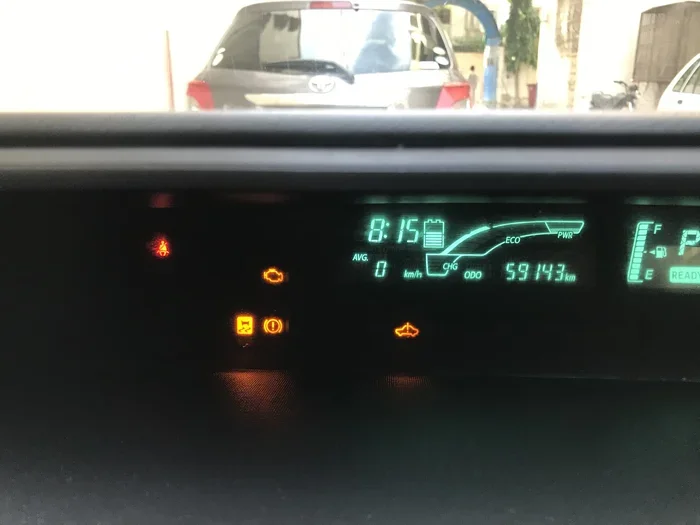
- Dashboard warning lights: Multiple warning lights may appear on the dashboard, including the check engine light and hybrid system warning.
- Limp mode activation: The car limits speed and power to protect the engine and transmission from damage.
- Strange noises: You may hear grinding, clicking, or whirring sounds coming from the hybrid system area.
These symptoms do not mean your car is about to break down on the highway. It means the hybrid system has shut down the electric portion and is relying solely on the gas engine. Many drivers continue to operate their Toyotas this way for weeks or even months while they plan a repair.
Is It Safe to Drive With a Bad Hybrid Battery?
Safety is the top concern for most drivers. The good news is that driving a Toyota hybrid with a bad battery is generally safe. The gas engine still works, the brakes still function, and the steering still operates normally. However, there are a few things to keep in mind.
First, if your car enters limp mode, you may experience reduced power at high speeds. This is not dangerous, but it can be frustrating and may limit your ability to merge onto highways or pass other vehicles. Second, if the battery is physically damaged or leaking, you should not drive the car at all. A damaged high-voltage battery poses a safety risk and needs immediate attention.
Also, keep in mind that a bad battery can affect the overall drivability of the car. You may notice jerky transitions between electric and gas power, or the car may stall unexpectedly in rare cases. If anything feels unsafe, pull over and seek help.
Signs Your Toyota Hybrid Battery Is Going Bad
Catching a failing hybrid battery early can save you money and prevent unexpected breakdowns. Here are the most common signs that your Toyota hybrid battery is degrading.
Decreased Fuel Economy
This is often the first sign. If you notice you are filling up the gas tank more often than usual, the hybrid battery may not be holding a charge properly. The electric motor is not assisting the gas engine as it should, so the engine burns more fuel. Keep track of your mileage per gallon over time. A sudden drop in fuel economy is a red flag.
Dashboard Warning Lights
Toyota hybrids have specific warning lights for the hybrid system. If you see a red or yellow triangle with an exclamation mark, or if the hybrid system warning light comes on, do not ignore it. These lights indicate a problem with the hybrid battery or the powertrain control system. You can can I do my own car diagnostics using an OBD-II scanner to read the error codes, but a professional diagnosis is always recommended for hybrid systems.
Unusual Noises from the Powertrain
A healthy hybrid battery is nearly silent. If you start hearing clicking, humming, or grinding noises, something may be wrong. These sounds often come from the battery pack or the inverter, which converts battery power into usable energy for the electric motor. Any new or strange noise deserves attention.
Battery Not Holding a Charge
If your hybrid battery drains quickly or does not hold a charge after driving, the battery cells may be failing. You might notice the battery indicator on the dashboard dropping faster than normal. Some drivers report that the battery shows full charge at first but drops to empty after just a few minutes of driving.
Increased Engine Running Time
In a healthy hybrid, the gas engine turns off frequently, especially in city driving. If you notice the engine runs constantly, even at low speeds or when stopped, the hybrid battery may not be able to support electric-only driving. This is a clear sign of battery degradation.
Repair Options for a Bad Toyota Hybrid Battery
When your hybrid battery goes bad, you have several options. Each has pros and cons, and the right choice depends on your budget, the age of the car, and the severity of the battery damage.
Option 1: Replace the Battery With a New OEM Unit
The most expensive option is to install a brand-new OEM Toyota hybrid battery. OEM stands for original equipment manufacturer, meaning it is the same battery that came with your car. New batteries come with warranties, which gives you peace of mind. However, the cost can be significant. Depending on the Toyota model, a new hybrid battery can range from $2,000 to $6,000 or more, including installation.
If you are asking can I put 88 octane in my car or wondering about other cost-saving measures, replacing the battery is a different kind of expense. It is a major repair, but it restores the car to factory-spec performance. If your car is still under warranty, the battery replacement may be fully covered.
Option 2: Install a Refurbished or Rebuilt Battery
A more affordable option is to install a refurbished or rebuilt hybrid battery. These batteries have been tested, and bad cells are replaced with new ones. The cost is typically 40 to 60 percent lower than a new OEM battery. Many reputable shops offer refurbished batteries with warranties of one to three years.
Refurbished batteries are a smart choice for older Toyotas where a new battery would not make financial sense. Just make sure the shop you choose has experience with Toyota hybrid systems and uses quality replacement cells.
Option 3: Replace Individual Battery Modules
Toyota hybrid batteries are made up of individual modules or cells. Sometimes only one or two modules fail, while the rest of the battery is still healthy. In this case, you can replace just the bad modules instead of the entire pack. This option is much cheaper and can extend the life of your hybrid battery by several more years.
Module replacement requires specialized diagnostic equipment to identify which cells are failing. A skilled technician can test each module and replace only the ones that are weak. This approach saves money and reduces waste.
Option 4: Continue Driving Until the Battery Fails Completely
Some drivers choose to keep driving with a degrading battery until it fails entirely. This is a valid option if you have a tight budget and the car still runs on gas. However, keep in mind that a fully dead battery will leave you stranded if it fails completely while driving. It is a calculated risk, and you should weigh the pros and carefully.
Can I Do My Own Car Diagnostics?
Many Toyota owners want to check their hybrid battery health before visiting a mechanic. The good news is that you can can I do my own car diagnostics with a few basic tools. An OBD-II scanner that supports hybrid systems can read error codes related to the battery. You can also check the battery voltage with a multimeter, though you must exercise caution around the high-voltage components.
Some Toyota models allow you to check the hybrid battery health through the onboard diagnostic system. You can access this information through the trip computer or by using a smartphone app designed for Toyota vehicles. These tools give you a good overview of battery condition without needing to visit a shop.
However, hybrid systems involve high voltage, which can be dangerous. If you are not comfortable working with high-voltage components, it is best to leave diagnostics to the professionals. A Toyota dealership or a certified hybrid specialist has the right equipment and training to safely diagnose battery issues.
Common Hybrid Battery Error Codes
When you use a diagnostic scanner, you may encounter several common error codes related to hybrid battery problems:
- P0A80: Replace hybrid battery pack.
- P0A7F: Hybrid battery deterioration detected.
- P0AA6: Hybrid battery voltage system malfunction.
- P0A8F: Hybrid battery pack capacity degraded.
These codes confirm that the hybrid battery needs attention. They do not always mean the battery needs full replacement, but they do indicate that the battery is not performing as it should.
How to Prevent Hybrid Battery Failure
Prevention is always better than repair. While you cannot stop a hybrid battery from aging, you can take steps to slow down the degradation process and extend its lifespan.
Keep the Battery Cool
Heat is the biggest enemy of hybrid batteries. High temperatures accelerate chemical degradation inside the battery cells. Park your Toyota in the shade when possible, and consider installing a battery cooling system if you live in a hot climate. Keeping the battery at a moderate temperature helps it last longer.
Avoid Deep Discharges
Letting the hybrid battery drain completely on a regular basis can damage the cells. Try to keep the battery charge between 20 and 80 percent for optimal health. If you notice the battery draining quickly, have it checked before the problem gets worse.
Drive Gently
Aggressive driving puts extra strain on the hybrid battery. Hard acceleration and sudden braking cause the battery to charge and discharge rapidly, which wears it down faster over time. Smooth, steady driving helps the battery maintain its health and improves overall fuel economy.
Follow the Maintenance Schedule
Toyota recommends regular maintenance for hybrid vehicles, including battery health checks. Following the maintenance schedule ensures that small problems are caught before they become big ones. Your dealership can test the battery during routine service visits and alert you if the battery is starting to degrade.
Understand Your Warranty Coverage
Most Toyota hybrids come with a battery warranty that covers the hybrid battery for eight years or 100,000 miles, whichever comes first. Some states offer even longer coverage. If your battery fails within the warranty period, Toyota will replace it at no cost to you. Always check your warranty details before paying for a battery replacement out of pocket.
Final Thoughts on Driving a Toyota Hybrid With a Bad Battery
So, can you drive a Toyota hybrid with a bad battery? Yes, you can. Your car will continue to run on the gas engine, and you can get where you need to go. But driving with a bad battery comes with trade-offs. You lose fuel efficiency, you may experience limp mode, and you risk a complete breakdown if the battery fails unexpectedly.
The best approach is to address the problem as soon as you notice warning signs. Get your battery tested, explore your repair options, and choose the solution that fits your budget and your car. Whether you replace the full battery, rebuild it, or replace individual modules, taking action early saves you money and keeps your Toyota running strong.
A Toyota hybrid battery is a durable component designed to last many years. Even when it starts to fail, the car is not useless. You have options, and you have time to make the right decision. Do not panic, do not ignore the warning signs, and do not assume your car is done for. Take a deep breath, get the facts, and move forward with confidence.
Your hybrid Toyota is still a great car, even with a bad battery. Treat the problem with care, and your car will reward you with many more miles of reliable service.
Frequently Asked Questions
How far can I drive a Toyota hybrid with a bad battery?
You can drive a Toyota hybrid with a bad battery on gas power alone. The distance depends on your fuel tank size and driving habits. Most Toyotas will get 25 to 35 miles per gallon on gas, so a full tank could take you 400 to 600 miles. However, fuel economy will be lower than normal without electric assist.
What happens if my Toyota hybrid battery dies while driving?
If the hybrid battery dies while driving, the car will switch to gas power only. You may experience limp mode, which limits speed and power. The car will not shut off completely. Pull over safely, turn off the engine, and seek roadside assistance or a tow to a repair shop.
How much does it cost to replace a Toyota hybrid battery?
The cost varies by model and age. A new OEM Toyota hybrid battery typically costs between $2,000 and $6,000, including installation. Refurbished batteries cost less, usually between $1,000 and $3,000. Module replacement is the most affordable option and can cost a few hundred dollars per module.
Can a Toyota hybrid battery be repaired instead of replaced?
Yes, in many cases. If only a few battery modules are failing, a technician can replace those modules instead of the entire pack. This is called module-level repair, and it is much cheaper than a full replacement. Many shops specialize in this type of repair for Toyota hybrids.
How long does a Toyota hybrid battery last?
Most Toyota hybrid batteries last between 8 and 15 years, or 100,000 to 200,000 miles. Battery life depends on driving habits, climate, and maintenance. Drivers who follow the maintenance schedule and avoid extreme temperatures tend to get the longest battery life.
Is it worth replacing the hybrid battery in an older Toyota?
It depends on the car’s overall value and condition. If the rest of the car is in good shape and the body is solid, a battery replacement can extend the life of the vehicle by several more years. Compare the cost of replacement against the car’s resale value to make the best decision for your situation.