Can You Get GAP Insurance on a Used Car Complete Guide
Yes, you can get GAP insurance on a used car, but it depends on your lender, insurer, and the vehicle’s age and value. GAP insurance covers the difference between what you owe on your car loan and what the car is actually worth if it gets totaled or stolen. This guide walks you through everything you need to know about GAP insurance on a used car, including costs, eligibility, and whether it is worth your money.
Buying a used car is one of the smartest financial moves many people make. You avoid the steepest drop in value that happens during the first few years of ownership. But here is something most buyers do not think about until it is too late. What happens if your car gets totaled and you still owe more on the loan than the car is worth?
This is where GAP insurance on a used car comes into play. GAP stands for Guaranteed Asset Protection. It covers the difference between what you owe and what your insurance company pays out. Many people assume GAP insurance is only for new cars. That is not true. You can get it on a used car in many cases. Let us break down everything you need to know.
Key Takeaways
- GAP insurance works on used cars: It covers the gap between your loan balance and the car’s actual cash value.
- Eligibility depends on your lender: Not all insurers offer GAP coverage for older or higher-mileage vehicles.
- Cost is usually low: Most policies cost between $200 and $700 for the full term.
- You may already have coverage: Some lenders include GAP in your loan or lease agreement.
- Timing matters: You typically must purchase GAP insurance within the first year of ownership.
- Used car depreciation is real: A used car can lose 15-25% of its value in the first year alone.
- Read the fine print: Not all GAP policies cover the same things, so always review the details.
📑 Table of Contents
- What Is GAP Insurance and How Does It Work?
- Can You Get GAP Insurance on a Used Car?
- How Much Does GAP Insurance Cost on a Used Car?
- GAP Insurance vs. Other Coverage Options
- Common Mistakes to Avoid with GAP Insurance
- How to File a GAP Insurance Claim
- Is GAP Insurance on a Used Car Worth It?
- Key Takeaways
- Conclusion
What Is GAP Insurance and How Does It Work?
GAP insurance is a simple concept. When your car gets totaled or stolen, your regular auto insurance pays out the actual cash value of the vehicle. But what if that amount is less than what you still owe on your loan? That difference is the gap. GAP insurance pays that gap.
Here is a quick example to make this clear. Let us say you bought a used car for $18,000. You still owe $15,000 on the loan. Your car gets totaled in an accident. Your insurance company says the car is worth $12,000. Without GAP insurance, you are stuck paying $3,000 out of pocket for a car you no longer have. With GAP insurance, the policy covers that $3,000 difference.
This is why gap coverage is so important for used car buyers. Cars depreciate fast, and loans can stretch out over five or even seven years. By the time you are halfway through the loan, you might owe more than the car is worth. This situation is called being underwater on your loan.
How Does Depreciation Affect Used Car Value?
Depreciation is the biggest enemy of any car owner. A brand new car loses about 20-30% of its value in the first year. Used cars also lose value, just at a slower rate. On average, a used car loses about 15-25% of its remaining value each year. Over five years, a car can be worth less than half of what you paid for it.
This is where vehicle depreciation creates a real problem. If you financed your used car with a long loan term, the loan balance can stay higher than the car value for years. GAP insurance protects you during that risky window.
Who Needs GAP Insurance on a Used Car?
Not everyone needs GAP insurance. But certain situations make it very valuable. You should consider GAP coverage for a used car if any of these apply to you:
- You put little or no money down: A small down payment means you start the loan underwater almost immediately.
- You rolled negative equity into the new loan: If you owed money on your old car and folded it into the new loan, your balance is higher than the car value from day one.
- You have a long loan term: Loans longer than 60 months mean you are paying off the loan while the car loses value.
- You drive a lot of miles: High mileage reduces the car’s resale value faster.
- You lease a used vehicle: Some lease agreements require GAP coverage.
If you are in any of these situations, GAP insurance on a used car could save you from a serious financial headache. It is especially important if you cannot afford to pay the difference out of pocket if your car is lost.
Can You Get GAP Insurance on a Used Car?
The short answer is yes. Most major insurance companies offer GAP coverage for used cars. But there are rules and limitations you need to know about before you buy a policy.
Eligibility Requirements for Used Car GAP Insurance
Insurance companies have specific requirements when it comes to used car GAP coverage. Here are the most common eligibility rules:
- Vehicle age limit: Many insurers will only cover cars that are less than 5 to 7 years old.
- Mileage cap: Some policies limit coverage to vehicles with under 100,000 miles.
- Loan-to-value ratio: You typically need to owe at least 10-25% more than the car’s actual cash value to qualify.
- Primary insurance requirement: You must already have comprehensive and collision coverage on the vehicle.
- Lender approval: Your lender may need to approve the GAP policy or require you to purchase it through them.
These requirements vary by insurer and state. Always check with your insurance provider before assuming you qualify. The good news is that most used cars purchased within the last few years will meet the basic requirements.
Where to Buy GAP Insurance for a Used Car
You have several options when shopping for GAP insurance on a used car. Each option has pros and cons. Here is a quick look at where you can buy it:
- Through your auto insurance company: This is usually the cheapest and easiest option. Most major insurers like Progressive, State Farm, and Allstate offer GAP add-ons.
- Through your car lender or dealer: Dealers often offer GAP coverage at the time of purchase. However, this option tends to cost more because the dealer adds their own fees.
- Through a standalone GAP insurance provider: Some companies specialize in GAP coverage and may offer better rates than dealers or insurers.
- Through your credit union or bank: Some financial institutions offer GAP policies as part of your loan package.
Buying through your existing auto insurance company is usually the best route. It keeps everything under one policy, and the cost is typically lower than going through a dealer. If you are currently paying too much for your car insurance, comparing quotes from different providers can also help you save money overall.
How Much Does GAP Insurance Cost on a Used Car?
One of the best things about GAP insurance is that it is surprisingly affordable. The cost depends on several factors, including your vehicle, your loan amount, and the insurer you choose.
Average Cost Breakdown
Most GAP insurance policies for used cars cost between $200 and $700 for the full loan term. Here is a rough breakdown of what you might pay:
- Through your auto insurer: Typically $20 to $40 per year, or about $200 to $400 total.
- Through a dealer: Usually $500 to $700, sometimes more, because of added fees.
- Through a standalone provider: Prices vary, but they often fall between the two options above.
The cost also depends on the size of the gap. If you owe a lot more than the car is worth, the premium will be higher. But compared to the potential thousands of dollars you could owe without coverage, the cost is very reasonable.
Factors That Affect Your GAP Insurance Premium
Several things influence how much you will pay for GAP coverage on a used car:
- Vehicle age and value: Older and less valuable cars may have lower premiums.
- Loan amount and term: Higher loan amounts mean higher premiums.
- Your driving record: A clean driving record can help keep costs down.
- Your location: Insurance rates vary by state and even by zip code.
- Deductible choice: Some GAP policies let you choose a deductible, which affects the premium.
Keep in mind that GAP insurance is different from regular car insurance. Your regular policy covers damage and liability. GAP insurance specifically covers the financial gap between your loan balance and the car’s value. They work together to give you complete protection.
GAP Insurance vs. Other Coverage Options
GAP insurance is not the only way to protect yourself financially after a car loss. Let us look at how it compares to other options.
GAP Insurance vs. New Car Replacement Coverage
New car replacement coverage pays for a brand new version of your car if it is totaled within the first few years. GAP insurance pays the difference between what you owe and what the car is worth. These two coverages serve different purposes. New car replacement is for new cars only, while GAP insurance works for both new and used vehicles.
GAP Insurance vs. Loan/Lease Payoff Coverage
Loan/lease payoff coverage is similar to GAP insurance but not exactly the same. It typically pays a fixed percentage of your car’s actual cash value toward your loan balance, rather than covering the full gap. GAP insurance usually provides more complete coverage. However, loan/lease payoff coverage is sometimes cheaper.
Which Option Is Best for Used Car Buyers?
For most used car buyers, GAP insurance on a used car is the better choice. It provides more complete protection and is widely available. Loan/lease payoff coverage can be a good budget option if you only owe a small amount more than the car is worth.
Common Mistakes to Avoid with GAP Insurance
Even though GAP insurance is straightforward, people make mistakes all the time. Here are some common pitfalls to watch out for:
- Assuming your lender’s GAP is the same as an insurer’s GAP: Dealer-offered GAP policies sometimes come with extra fees and less flexibility. Always read the fine print.
- Waiting too long to buy: Many insurers require you to purchase GAP coverage within the first 30 to 90 days of owning the vehicle. Do not wait.
- Not checking if you already have it: Some car loans and leases include GAP coverage automatically. Check before you buy a separate policy.
- Ignoring the depreciation rate: If your used car is already several years old, the gap may be small or nonexistent. GAP insurance may not be worth it in that case.
- Choosing the cheapest option without reading the terms: The cheapest policy is not always the best. Make sure it covers the full loan-to-value gap.
One mistake that catches many people off guard is not understanding when GAP insurance pays out. It only covers total losses, not mechanical repairs or regular wear and tear. If your car needs a new engine, GAP insurance will not help. It only kicks in when the car is declared a total loss or stolen and not recovered.
How to File a GAP Insurance Claim
If your used car is totaled or stolen, filing a GAP claim is straightforward. Here is the general process:
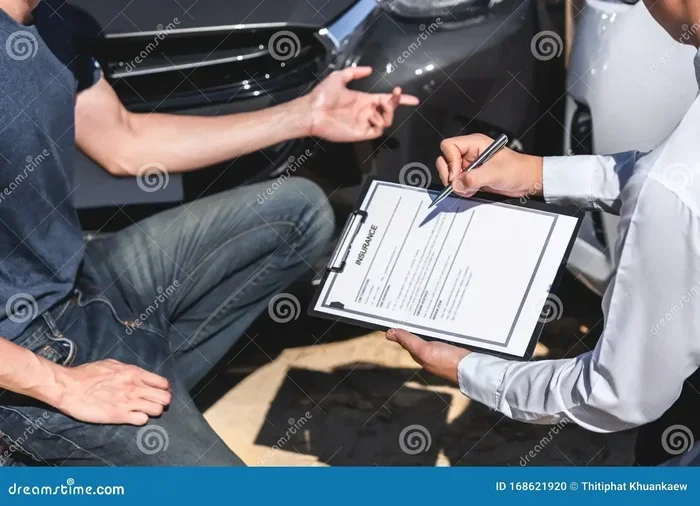
- File your regular insurance claim first: Your auto insurance company will assess the damage and determine the actual cash value of the vehicle.
- Wait for the insurance payout: Once your insurer issues a check for the car’s value, contact your GAP insurance provider.
- Submit your GAP claim: Provide the GAP insurer with your regular insurance payout amount and your loan balance.
- Receive the gap payment: The GAP insurer will pay the difference directly to your lender or to you, depending on the policy.
The process is designed to be simple and fast. Most GAP claims are processed within 30 to 60 days. This can make a huge difference if you are facing a large loan balance and no car.
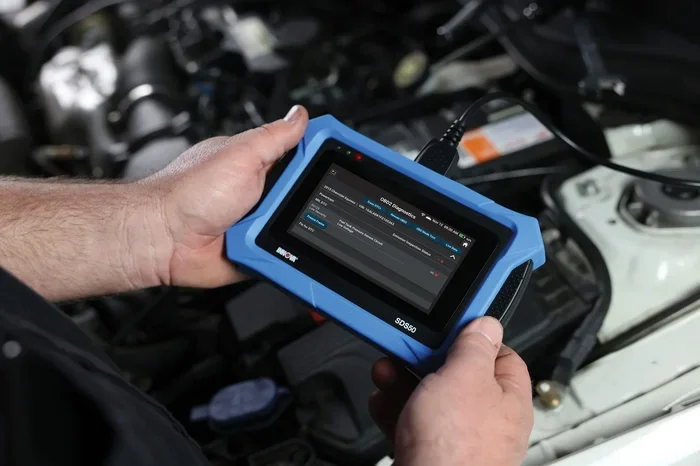
It is also worth noting that maintaining your vehicle in good condition can help in many situations. If you want to keep your used car running smoothly, you can do your own car diagnostics at home to catch problems early and avoid costly repairs.
Is GAP Insurance on a Used Car Worth It?
The honest answer is: it depends on your situation. If you owe more than your car is worth, GAP insurance is absolutely worth it. It protects you from owing thousands of dollars on a car you no longer have.
Here are some scenarios where GAP insurance makes sense for a used car:
- You have a loan term longer than 48 months.
- You put less than 20% down on the purchase.
- You rolled negative equity from a previous car into the new loan.
- Your used car is less than 5 years old with moderate mileage.
- You cannot afford to pay the difference if your car is totaled.
On the other hand, if your used car is fully paid off or you owe very little on the loan, GAP insurance may not be necessary. The same goes for older vehicles with high mileage that have already depreciated significantly.
Also, remember that financial situations change. If you are dealing with debt or considering your options for car ownership during a tough financial period, understanding your rights is important. For example, if you are facing financial hardship and worry about losing your vehicle, you can learn more about your options by reading about what happens if you file bankruptcy and want to keep your car.
Similarly, if you ever find yourself in a situation where your car has been repossessed, knowing your rights can make a big difference. You can find helpful information about getting your car back after repossession to understand the steps you can take.
Key Takeaways
- GAP insurance works on used cars: It covers the difference between your loan balance and the car’s actual cash value.
- Eligibility depends on your lender: Not all insurers offer GAP coverage for older or higher-mileage vehicles.
- Cost is usually low: Most policies cost between $200 and $700 for the full term.
- You may already have coverage: Some lenders include GAP in your loan or lease agreement.
- Timing matters: You typically must purchase GAP insurance within the first year of ownership.
- Used car depreciation is real: A used car can lose 15-25% of its value in the first year alone.
- Read the fine print: Not all GAP policies cover the same things, so always review the details.
Conclusion
GAP insurance on a used car is a smart and affordable way to protect yourself from financial loss. Cars depreciate, loans stretch out, and accidents happen. GAP insurance gives you peace of mind by covering the gap between what you owe and what your car is worth.
The cost is low, the process is simple, and the protection is real. Whether you buy a used car from a dealership or a private seller, consider adding GAP coverage to your insurance policy. It is one of those things you hope you never need, but will be incredibly grateful to have if you do.
Take the time to compare options, read the terms, and make sure you understand what your policy covers. A few minutes of research today can save you thousands of dollars tomorrow. Protect your investment and drive with confidence knowing that GAP insurance on a used car has your back.
If you want to keep your used car in top shape and avoid unexpected breakdowns, regular maintenance is key. Simple habits like checking your tire pressure, changing your oil on time, and monitoring your fluid levels go a long way. And remember, being smart about your car ownership decisions today sets you up for a smoother ride tomorrow.
Frequently Asked Questions
Can I get GAP insurance on any used car?
Most insurance companies offer GAP coverage for used cars that are less than 5 to 7 years old and have under 100,000 miles. However, eligibility varies by insurer and state. Always check with your provider to confirm you qualify before purchasing a policy.
How long does GAP insurance last on a used car?
GAP insurance typically lasts for the life of your car loan. Once your loan balance is lower than the car’s actual cash value, the GAP coverage becomes unnecessary. Most policies end when the loan is paid off or when the gap is fully covered.
Does GAP insurance cover mechanical breakdowns?
No. GAP insurance only covers total losses, such as when a car is stolen or declared a total loss after an accident. It does not cover mechanical repairs, wear and tear, or routine maintenance issues. For mechanical coverage, you would need a different type of protection like an extended warranty.
Can I buy GAP insurance after I already own the car?
Yes, in most cases you can purchase GAP insurance after buying the car. However, many insurers require you to buy it within the first 30 to 90 days of ownership. Buying early is always the best approach to make sure you are covered from day one.
Is GAP insurance the same as a warranty?
No. GAP insurance and warranties serve completely different purposes. GAP insurance covers the financial gap between your loan balance and the car’s value after a total loss. A warranty covers the cost of repairs for mechanical failures and breakdowns. They complement each other but are not interchangeable.
Will my lender require GAP insurance on a used car loan?
Some lenders require GAP insurance, especially if you have a long loan term or a small down payment. Others leave it up to you. Always check your loan agreement to see if GAP coverage is mandatory or optional. If it is optional, weigh the cost against the potential financial risk.