Car AC Gas Pressure Low High Symptoms And How To Fix It
Car AC gas pressure is the key to keeping your vehicle cool in summer. Low pressure often means a refrigerant leak or worn parts, while high pressure points to blockages or a failing condenser. This guide covers every symptom, cause, and fix you need to know. You will learn how to check your AC gas pressure safely and save money on repairs.
Your car air conditioning system works hard to keep you cool on hot days. But what happens when it starts blowing warm air instead of cold? More often than not, the culprit is car AC gas pressure that is either too low or too high. Understanding AC gas pressure helps you spot problems early and avoid costly repairs down the road.
This guide breaks down everything you need to know about car AC gas pressure. We will cover the symptoms of low and high pressure, the common causes, and step-by-step fixes. Whether you are a DIYer or just want to understand what your mechanic is talking about, this article has you covered. Let us dive in and get your cooling system back in shape.
Key Takeaways
- Low AC pressure usually signals a refrigerant leak, faulty compressor, or worn seals in the AC system.
- High AC pressure can result from a clogged condenser, blocked orifice tube, or overcharged refrigerant.
- Using an AC pressure gauge is the fastest way to diagnose cooling problems in your car.
- Never ignore AC pressure symptoms like warm air, strange noises, or icy buildup on hoses.
- Regular AC maintenance and timely AC recharge can prevent most pressure-related issues.
- Some fixes are simple DIY jobs, but complex problems need a certified auto AC repair specialist.
📑 Table of Contents
What Is Car AC Gas Pressure and Why Does It Matter?
Your car AC system runs on a closed loop of refrigerant, usually R-134a or the newer R-1234yf. This refrigerant cycles through several components, changing from gas to liquid and back again. The AC gas pressure is the force of that refrigerant moving through the system. When pressure is balanced, your cabin stays cool and comfortable.
Two sides of the system carry different pressures. The low-pressure side handles the refrigerant as a cool gas, while the high-pressure side compresses it into a hot liquid. Both sides must work together for proper cooling performance. If either side drops or spikes, your AC suffers.
The Role of the AC Compressor
The AC compressor is the heart of the system. It pumps refrigerant and creates the pressure difference needed for heat exchange. When the compressor works well, car AC gas pressure stays within the normal range. When it fails, pressure drops or rises in dangerous ways.
Normal Pressure Ranges
Every vehicle has a slightly different normal AC pressure range. However, general guidelines help you spot trouble fast. On a 75-degree day, most systems show low-side pressure between 25 and 45 PSI and high-side pressure between 200 and 250 PSI. Always check your vehicle manual for exact numbers.
Low Car AC Gas Pressure Symptoms
When car AC gas pressure drops below normal, your cooling system struggles. Low pressure is one of the most common AC complaints drivers face. Catching these signs early can save you from a full system breakdown.
Warm Air From the Vents
The most obvious low AC pressure symptom is warm or lukewarm air coming from the dashboard vents. If you set the temperature to max cold and still feel heat, low refrigerant is likely the cause. The system simply does not have enough refrigerant gas to absorb heat from the cabin air.
AC Compressor Clutch Not Engaging
Modern cars have a low-pressure switch that shuts off the compressor when refrigerant drops too low. You may notice the AC compressor clutch fails to engage at all. This is a safety feature that prevents damage to the compressor. If your AC clutch stays quiet when you turn the system on, low AC gas pressure is a prime suspect.
Visible Leaks Around AC Hoses
Over time, AC hoses and seals can wear out. You might see a greasy film around fittings or hear a faint hissing sound. These are signs of a refrigerant leak. Even a small leak gradually drains the system and causes low AC pressure. Look for oily residue near the compressor, condenser, or service ports.
Icy Buildup on AC Lines
Strange as it sounds, ice forming on the AC suction line can signal low pressure. When refrigerant is low, the evaporator gets too cold and moisture freezes on the lines. This ice buildup restricts flow and makes the problem worse. If you see frost on your AC hoses, do not ignore it.
High Car AC Gas Pressure Symptoms
High car AC gas pressure is just as problematic as low pressure. It puts extra strain on components and can lead to expensive damage. High pressure usually points to a blockage, overcharge, or failing part in the AC system.
AC Blowing Warm or Intermittent Cold Air
When pressure on the high side is too high, the system cannot properly cycle refrigerant. You may get cold air at first, then it fades to warm. The AC cooling performance drops because the condenser cannot release heat efficiently. This creates a frustrating cycle of hot and cold air from the vents.
AC Compressor Making Loud Noises
Excessive AC gas pressure forces the compressor to work harder. You might hear grinding, squealing, or knocking sounds from the compressor area. These noises mean internal parts are under too much stress. Continuing to run the AC in this state can burn out the compressor entirely.
AC Pressure Switch Triggering Frequently
Your car has a high-pressure switch that shuts the system down when pressure gets dangerous. If your AC keeps cutting out after a few minutes, high pressure is likely the cause. The switch is doing its job to protect the system, but the underlying problem needs fixing.
Overheating Condenser Fan
The AC condenser relies on a fan to pull heat away from the hot refrigerant. When pressure is too high, the fan works overtime and may overheat. You might notice the fan running constantly or the area around the condenser getting unusually hot. This is a clear sign that AC gas pressure is above normal levels.
Common Causes of AC Pressure Problems
Understanding what causes car AC gas pressure issues helps you prevent them. Many problems start small and grow worse over time. Here are the most common reasons your AC pressure may be off.
Refrigerant Leak
A refrigerant leak is the number one cause of low AC gas pressure. Leaks can develop at any seal, joint, or connection point. Common leak spots include the compressor shaft seal, hose connections, and the evaporator core. UV dye or electronic leak detectors help mechanics find even tiny leaks.
Clogged Condenser
The AC condenser sits at the front of your car and can get clogged with debris, bugs, or dirt. A blocked condenser restricts refrigerant flow and causes high AC pressure. Regularly cleaning the front grille area helps prevent this problem. If you notice poor cooling after driving through heavy road grime, a clogged condenser could be the reason.
Faulty Expansion Valve or Orifice Tube
The thermal expansion valve or AC orifice tube controls refrigerant flow into the evaporator. If either part gets stuck or clogged, pressure builds up on the high side and drops on the low side. This imbalance creates poor cooling performance and can damage the compressor over time.
Overcharged AC System
Adding too much refrigerant during an AC recharge raises high-side pressure. Overcharging is a common mistake during DIY repairs. Always follow the manufacturer’s recommended refrigerant amount for your vehicle. More is not better when it comes to car AC gas pressure.
Failing AC Compressor
A worn or damaged AC compressor cannot maintain proper pressure. Internal wear, lack of lubrication, or electrical failures can all cause compressor problems. If the compressor clutch slips or makes noise, get it checked before it damages the rest of the AC system.
Blocked AC Hoses
AC hoses can become restricted by debris, moisture, or internal corrosion. A blocked hose creates pressure imbalances that mimic other problems. If you have ruled out leaks and overcharge, inspect the hoses for blockages. Flushing the system during service helps prevent this issue.
How To Check Your Car AC Gas Pressure
Checking car AC gas pressure is easier than most people think. With the right tools and a few minutes, you can diagnose cooling problems yourself. Here is a simple step-by-step guide.
What You Will Need
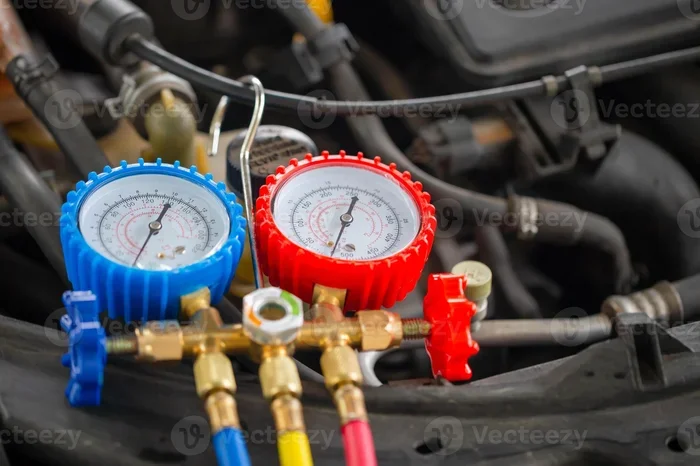
- AC pressure gauge set with R-134a or R-1234yf fittings
- Vehicle service manual for pressure specifications
- Clean rags or paper towels
- Safety glasses and gloves
Step-by-Step Pressure Check
- Start the engine and turn the AC to maximum cold with the fan on high.
- Locate the low-pressure service port and high-pressure service port. They are usually near the accumulator and condenser.
- Attach the gauge hose to the low-side port first. Wait for the reading to stabilize.
- Record the low-side AC pressure reading and compare it to normal range.
- Connect the gauge to the high-side port carefully. Record the high-side reading.
- Compare both readings to your vehicle manual specifications.
Reading the Gauges
Low-side pressure should be between 25 and 45 PSI in typical conditions. High-side pressure should fall between 200 and 250 PSI. If the low side is well below normal, you likely have a refrigerant leak or low charge. If the high side is above normal, suspect a blockage, overcharge, or condenser issue.
Quick Tips for Accurate Readings
- Always check pressure on a warm day with the AC running at full blast.
- Let the engine idle for at least five minutes before taking readings.
- Check both sides of the system even if only one seems off.
- Never open the system to air, as moisture can cause further damage.
How To Fix Low and High AC Gas Pressure
Once you know what is causing the AC gas pressure problem, you can take action. Some fixes are simple and affordable. Others require professional tools and expertise. Here is how to handle the most common scenarios.
Fixing Low AC Gas Pressure
If your car AC gas pressure is low on the low side, start by finding the leak. Use a UV dye or electronic leak detector to pinpoint the source. Common fixes include:
- Replacing a worn hose or O-ring: Small leaks at fittings are easy and inexpensive to repair.
- Fixing the compressor seal: A leaking shaft seal requires compressor replacement or seal repair.
- Recharging the refrigerant: After fixing the leak, evacuate the system and add the correct amount of refrigerant.
- Replacing the accumulator or receiver-drier: These parts absorb moisture and should be replaced whenever the system is opened.
After any repair, run the AC for 15 minutes and recheck AC pressure readings. The system should hold steady within the normal range.
Fixing High AC Gas Pressure
High car AC gas pressure needs a different approach. Start by checking the most common culprits:
- Clean or replace the condenser: Remove debris and dirt from the condenser fins. Replace the condenser if it is clogged or damaged.
- Check refrigerant charge: If the system is overcharged, recover excess refrigerant using an AC recovery machine.
- Inspect the expansion valve or orifice tube: Replace any stuck or clogged flow-control component.
- Test the condenser fan: A faulty fan cannot cool the condenser properly. Replace the fan motor or relay if needed.
- Check for internal blockages: Flush the system to remove debris or moisture that may be restricting flow.
When To Call a Professional
Some AC pressure problems are beyond DIY repair. If you cannot find the leak, the compressor makes grinding noises, or pressure readings are wildly off, seek professional help. A certified auto AC repair technician has the tools and experience to diagnose complex issues safely. Attempting major repairs without proper training can worsen the problem and cost more in the long run.
Preventing Future AC Pressure Problems
Regular maintenance is the best way to keep car AC gas pressure in balance. Follow these simple tips to avoid future cooling problems:
- Run your AC for at least 10 minutes every week, even in winter. This keeps seals lubricated and prevents leaks.
- Have the system inspected for leaks during annual service.
- Replace the cabin air filter regularly to ensure proper airflow.
- Keep the condenser area clean and free of debris.
- Never attempt to overcharge the system during a DIY AC recharge.
Key Takeaways
- Low AC pressure usually signals a refrigerant leak, faulty compressor, or worn seals in the AC system.
- High AC pressure can result from a clogged condenser, blocked orifice tube, or overcharged refrigerant.
- Using an AC pressure gauge is the fastest way to diagnose cooling problems in your car.
- Never ignore AC pressure symptoms like warm air, strange noises, or icy buildup on hoses.
- Regular AC maintenance and timely AC recharge can prevent most pressure-related issues.
- Some fixes are simple DIY jobs, but complex problems need a certified auto AC repair specialist.
Conclusion
Car AC gas pressure is the backbone of your vehicle cooling system. Whether it is low or high, pressure problems will make your summer drives uncomfortable and potentially damage expensive components. By learning the symptoms, understanding the causes, and knowing how to check and fix pressure issues, you take control of your car AC health.
Do not wait until your AC stops working entirely. Pay attention to early warning signs like warm air, unusual noises, or ice on the lines. A quick pressure check can reveal the problem before it becomes a major repair. Keep up with regular AC maintenance, and your system will keep you cool for years to come. Take action today, and enjoy a comfortable ride no matter how hot it gets outside.