Does the RAV4 Hold Its Value Compared to Competitors
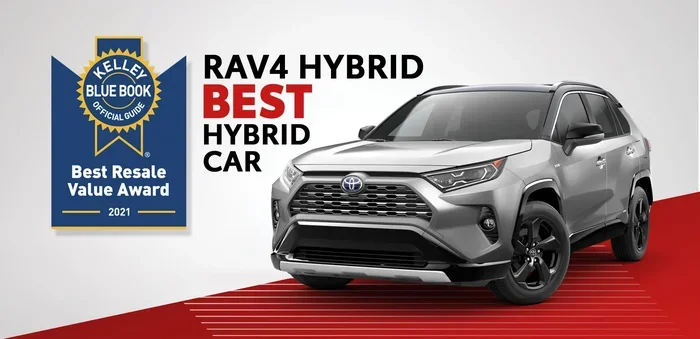
The Toyota RAV4 consistently ranks among the best SUVs for holding its value. With strong resale numbers, low depreciation, and high consumer demand, the RAV4 outperforms many rivals in the compact SUV segment. Whether you choose the gas or hybrid version, this SUV delivers long-term financial value that keeps owners coming back.
When you buy a new SUV, one of the biggest questions on your mind is simple: will this vehicle hold its value? The Toyota RAV4 has been a best-selling compact SUV for years, and for good reason. But does the RAV4 hold its value compared to what you pay upfront? The short answer is yes, and it holds up remarkably well against some tough competition.
Whether you are shopping for a brand-new RAV4 or browsing the used market, understanding how this SUV depreciates can save you thousands of dollars. Resale value is one of the most important factors in the total cost of ownership. A car that loses value slowly gives you more money back when it is time to sell or trade in. The RAV4 has built a strong reputation in this area, and we are going to break down exactly why.
In this guide, we will look at how the RAV4 stacks up against rival SUVs, what factors influence its depreciation rate, and what you can do to protect your investment. We will also compare the gas and hybrid versions to see which one retains value better over time. By the end, you will have a clear picture of why the RAV4 remains a smart choice for buyers who care about long-term value.
Key Takeaways
- Strong Resale Value: The RAV4 retains roughly 50-60% of its value after five years, which is well above the average for compact SUVs.
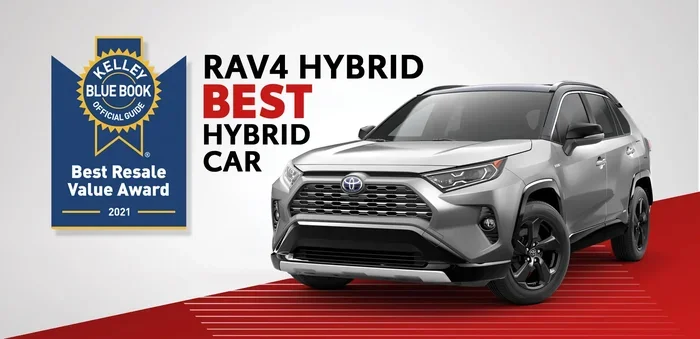
- Hybrid Advantage: The RAV4 Hybrid holds its value even better than the gas-only model, thanks to fuel savings and growing demand.
- Reliability Drives Retention: Toyota’s reputation for durability plays a huge role in why the RAV4 holds its value so well.
- Competitor Comparison: The RAV4 beats the Honda CR-V, Nissan Rogue, and Ford Escape in most resale value studies.
- Trim Level Matters: Higher trims like the Limited and Platinum tend to lose value at a slower rate than base models.
- Market Demand Is High: Consistent buyer interest keeps used RAV4 prices strong year after year.
- Proven Track Record: Multiple model years show the RAV4 as a dependable value-retention champion in the SUV segment.
📑 Table of Contents
Why the RAV4 Holds Its Value So Well
The Toyota RAV4 has earned its spot as one of the most reliable compact SUVs on the road. But what exactly makes it such a strong performer when it comes to resale value? Let us dig into the reasons behind its impressive retention numbers.
Toyota’s Reputation for Reliability
Toyota has spent decades building a reputation for making vehicles that last. The RAV4 benefits directly from this trust. Buyers know that a used RAV4 will likely keep running strong for many miles with proper maintenance. This confidence translates directly into higher resale prices.
Reliability surveys from organizations like J.D. Power and Consumer Reports consistently rank the RAV4 near the top. When a vehicle has a proven track record of not breaking down, it naturally holds its value better. Buyers are willing to pay a premium for a used RAV4 because they trust the brand.
Strong Consumer Demand
The RAV4 is one of the most popular SUVs in America. High demand for a vehicle always supports stronger resale prices. When many buyers are looking for the same car, competition drives up the price of used models.
The RAV4 benefits from a large and loyal fan base. People who have owned a RAV4 often return to the brand for their next vehicle. This loyalty creates a steady stream of used RAV4 buyers, which keeps prices from dropping too fast. The RAV4 resale value is also boosted by its versatility, fuel efficiency, and strong safety ratings.
Compact SUV Segment Strength
The compact SUV segment is one of the hottest categories in the automotive market. SUVs in general tend to hold their value better than sedans and coupes. The RAV4 sits in a segment that buyers love, which gives it an advantage over less popular vehicle types.
Compact SUVs offer the perfect balance of size, efficiency, and practicality. They are small enough to park easily but big enough for families. This broad appeal means there is always a ready market for used RAV4s, which helps maintain strong resale numbers year after year.
RAV4 vs. Competitors: Resale Value Comparison
To truly understand how the RAV4 performs, we need to compare it directly against its closest rivals. The compact SUV market is competitive, and several strong contenders try to match the RAV4’s value retention. Here is how the RAV4 measures up.
RAV4 vs. Honda CR-V
The Honda CR-V is the RAV4’s most direct rival. Both SUVs are known for reliability, practicality, and strong resale values. In most resale studies, the RAV4 edges out the CR-V by a small margin. The CR-V also holds its value well, but the RAV4 tends to depreciate at a slightly slower rate over five years.
Both vehicles benefit from Toyota and Honda’s strong reliability reputations. However, the RAV4’s slightly higher popularity in the U.S. market gives it a small edge when it comes to used car demand. The difference is not huge, but it can add up to several hundred dollars when you sell or trade in.
RAV4 vs. Nissan Rogue
The Nissan Rogue is another popular compact SUV, but it does not hold its value as well as the RAV4. Nissan vehicles generally depreciate faster than their Toyota and Honda counterparts. The Rogue has improved in recent years, but it still falls behind the RAV4 in resale comparisons.
One reason for the gap is the perceived reliability difference. Toyota and Honda consistently rank higher in long-term reliability studies. Buyers factor this into their willingness to pay more for a used RAV4 compared to a used Rogue. The RAV4 also tends to have better fuel economy, which adds to its appeal on the used market.
RAV4 vs. Ford Escape
The Ford Escape is a solid SUV with a loyal following, but its resale value trails behind the RAV4. Ford vehicles have historically depreciated faster than Toyota models. The Escape has made improvements, but it still does not match the RAV4’s long-term value retention.
One factor that hurts the Escape’s resale is its reputation for higher maintenance costs compared to Toyota. While Ford has made strides in reliability, the RAV4’s lower cost of ownership gives it a clear advantage. Buyers looking for a used compact SUV often prioritize the RAV4 for this reason.
Comparison Table: RAV4 vs. Key Competitors
| Vehicle | 5-Year Resale Rate | Reliability Rating | Fuel Economy (Combined) |
|---|---|---|---|
| Toyota RAV4 | ~55-60% | Excellent | 30-40 mpg |
| Honda CR-V | ~50-55% | Excellent | 30-38 mpg |
| Nissan Rogue | ~45-50% | Good | 28-33 mpg |
| Ford Escape | ~43-48% | Good | 27-32 mpg |
Note: Resale rates are approximate and based on industry averages. Actual values vary by trim, mileage, condition, and location.
Factors That Affect RAV4 Value Retention
Not every RAV4 holds its value the same way. Several factors influence how quickly a specific RAV4 loses its worth. Understanding these factors can help you make smarter buying and selling decisions.
Model Year and Generation
Newer RAV4 models tend to hold their value better than older ones, but the generation matters too. The current fifth-generation RAV4 (starting in 2019) has been a strong seller. Earlier generations like the fourth-gen RAV4 (2013-2018) also hold value well, but the newer models benefit from updated technology and design.
When looking at used RAV4s, pay attention to which generation you are considering. The latest models have the best combination of modern features and strong resale potential. However, slightly older models can offer excellent value if you are buying rather than selling.
Trim Level and Options
The RAV4 comes in several trim levels, from the base LE to the range-topping Platinum. Higher trims generally hold their value better because they offer more features and appeal to a wider range of buyers. The Limited and Platinum trims with leather seats, advanced safety features, and premium audio systems tend to depreciate more slowly.
However, the difference between trims is not enormous. Even a base LE RAV4 holds its value reasonably well thanks to the overall strength of the model. If you are buying used, a mid-range trim like the XLE often offers the best balance of features and value retention.
Mileage and Condition
Mileage is one of the biggest factors in any vehicle’s resale value. A RAV4 with lower mileage will always sell for more than one with higher mileage. But condition matters just as much. A well-maintained RAV4 with 80,000 miles can sell for more than a neglected one with 40,000 miles.
Keep up with regular oil changes, tire rotations, and scheduled maintenance. Document all service records. When it is time to sell, a RAV4 with a clean maintenance history will command a higher price. Interior condition, exterior paint, and mechanical health all play a role in the final resale number.
Location and Market Conditions
Where you live affects how well your RAV4 holds its value. In regions with harsh winters or salty roads, vehicles tend to depreciate faster due to rust and wear. In mild climates, RAV4s often hold their value better because they experience less environmental damage.
Local market demand also plays a role. In areas where SUVs are very popular, RAV4s sell faster and at higher prices. In areas where sedans dominate, the resale value may be slightly lower. Checking local classifieds and dealer listings can give you a sense of what RAV4s sell for in your area.
RAV4 Hybrid vs. Gas: Which Holds Value Better?
The RAV4 Hybrid has become one of the most popular versions of this SUV. But does the hybrid powertrain help it hold its value better than the gas-only model? The answer is a clear yes, and here is why.
Fuel Savings Add Long-Term Value
The RAV4 Hybrid delivers an impressive 40 mpg in the city, which is significantly better than the gas-only version. These fuel savings add up over time, making the hybrid more attractive to used car buyers. When someone buys a used RAV4 Hybrid, they are getting a vehicle that will cost less to fuel every week.
This ongoing cost advantage translates directly into stronger resale prices. Buyers are willing to pay more upfront for a used hybrid because they know they will save money at the pump. As gas prices fluctuate, the hybrid’s value advantage tends to grow even stronger.
Growing Demand for Hybrid SUVs
The automotive market is shifting toward electrification. More buyers than ever are interested in hybrid and electric vehicles. This growing demand supports stronger resale values for hybrid models, including the RAV4 Hybrid.
Many buyers also see the RAV4 Hybrid as a stepping stone toward full electrification. It offers the benefits of electric driving without the range anxiety of a pure EV. This makes it appealing to a wide audience, which helps maintain strong used market prices.
If you are wondering at what point does a hybrid switch to gas, the answer is that the RAV4 Hybrid seamlessly transitions between electric and gas power depending on driving conditions. This smooth operation adds to the overall ownership experience and supports its strong resale value.
Battery Longevity Concerns
One concern some buyers have about hybrid vehicles is battery life. Toyota has addressed this concern with robust hybrid battery technology. The RAV4 Hybrid batteries are designed to last the lifetime of the vehicle, and Toyota offers generous warranty coverage.
This reliability helps ease buyer fears about used hybrid RAV4s. When potential buyers know the battery is covered and built to last, they are more willing to pay a premium for the hybrid version. This confidence directly supports stronger value retention.
Tips to Maximize Your RAV4’s Resale Value
Want to get the most money back when you sell or trade in your RAV4? Follow these practical tips to protect your investment and keep your SUV holding strong value.
1. Stick to the Maintenance Schedule
Regular maintenance is the single most important factor in resale value. Follow Toyota’s recommended service intervals for oil changes, tire rotations, brake inspections, and fluid replacements. Keep all receipts and records in a folder.
A well-documented service history proves to buyers that the vehicle has been cared for properly. This can justify a higher asking price and speed up the selling process. Skipping maintenance may save a little money short-term, but it costs you significantly when you try to sell.
2. Keep Interior and Exterior Clean
First impressions matter when selling a car. Regular washing, waxing, and interior cleaning go a long way. Address minor scratches and dents promptly before they become bigger issues.
Consider investing in seat covers and floor mats to protect the interior from wear. A clean, well-maintained interior makes the RAV4 feel newer and more appealing to buyers. Small efforts in appearance can lead to big returns at sale time.
3. Avoid Modifications
Aftermarket modifications can limit your potential buyer pool. While a lift kit or custom wheels might be fun for you, they can turn off mainstream buyers who prefer a stock RAV4. Stick with factory options and standard features for the best resale results.
If you do modify your RAV4, choose changes that are easily reversible. Buyers prefer vehicles that can be returned to stock configuration. Universal upgrades like all-weather floor mats are generally well-received and do not hurt resale value.
4. Sell at the Right Time
Timing your sale can make a meaningful difference in the price you receive. Spring and early summer are typically the best seasons to sell SUVs. Buyers are more active in the market when the weather is nice and road trips are on the horizon.
Avoid selling right after a new model year arrives, as this can flood the used market with outgoing models. Instead, sell when demand is highest for your specific vehicle type. Checking local market trends can help you identify the best timing for your sale.
The Long-Term Cost of Owning a RAV4
Resale value is only one piece of the puzzle. The total cost of ownership includes purchase price, fuel costs, maintenance, insurance, and depreciation. The RAV4 performs well across all of these categories, which is why it remains such a popular choice.
Depreciation as a Cost
Depreciation is the biggest cost of car ownership for most people. The RAV4’s slow depreciation rate means you lose less money over time compared to many competitors. On average, a new RAV4 loses about 15-20% of its value in the first year and roughly 40-50% over five years.
Compare this to the average new vehicle, which loses about 50% of its value in the first five years. The RAV4’s superior retention means you keep more of your original investment. Over a ten-year ownership period, the savings from slower depreciation can amount to thousands of dollars.
Fuel and Maintenance Savings
The RAV4’s fuel efficiency, especially in the hybrid version, helps keep ongoing operating costs low. Toyota parts are widely available and reasonably priced, which keeps maintenance costs manageable. The RAV4’s reputation for reliability also means fewer surprise repairs.
Insurance costs for the RAV4 are generally competitive with other compact SUVs. Safety features like Toyota Safety Sense come standard, which can sometimes qualify you for insurance discounts. All of these factors contribute to a lower total cost of ownership compared to many rivals.
Key Takeaways
- Strong Resale Value: The RAV4 retains roughly 50-60% of its value after five years, which is well above the average for compact SUVs.
- Hybrid Advantage: The RAV4 Hybrid holds its value even better than the gas-only model, thanks to fuel savings and growing demand.
- Reliability Drives Retention: Toyota’s reputation for durability plays a huge role in why the RAV4 holds its value so well.
- Competitor Comparison: The RAV4 beats the Honda CR-V, Nissan Rogue, and Ford Escape in most resale value studies.
- Trim Level Matters: Higher trims like the Limited and Platinum tend to lose value at a slower rate than base models.
- Market Demand Is High: Consistent buyer interest keeps used RAV4 prices strong year after year.
- Proven Track Record: Multiple model years show the RAV4 as a dependable value-retention champion in the SUV segment.
Frequently Asked Questions
Is the RAV4 one of the best SUVs for holding value?
Yes, the RAV4 consistently ranks among the top compact SUVs for resale value. It retains more of its original price than most competitors in its class. Toyota’s reliability reputation and strong consumer demand both contribute to this impressive performance.
How much does a RAV4 depreciate in five years?
On average, a RAV4 depreciates by about 40-50% over five years. This is better than the average new vehicle, which loses around 50% in the same timeframe. Hybrid RAV4 models tend to depreciate even more slowly than gas-only versions.
Does the RAV4 Hybrid hold its value better than the gas model?
Yes, the RAV4 Hybrid generally holds its value better than the gas-only RAV4. The hybrid’s superior fuel economy and growing buyer demand for electrified vehicles support stronger resale prices. If long-term value retention is a priority, the hybrid version is the smarter choice.
Which RAV4 trim holds its value best?
Higher trims like the Limited and Platinum tend to hold their value slightly better than base models. However, the difference is not dramatic. The overall strength of the RAV4 name means even base trims retain value well. The XLE trim often offers the best balance of features and resale performance.
How does the RAV4 compare to the Honda CR-V in resale value?
The RAV4 and CR-V are close competitors in resale value. The RAV4 typically edges out the CR-V by a small margin in most studies. Both vehicles hold their value well, but the RAV4’s slightly higher popularity in the U.S. market gives it a minor advantage.
What can I do to improve my RAV4’s resale value?
Regular maintenance, keeping the vehicle clean, and avoiding unnecessary modifications are the best ways to protect your RAV4’s value. Maintain a complete service history and address minor issues promptly. Selling during peak SUV demand seasons like spring and early summer can also help you get a better price.
=== CONCLUSION ===
The Toyota RAV4 stands out as one of the strongest compact SUVs for holding its value. From its legendary reliability to its strong consumer demand, every factor works in favor of the RAV4 when it comes to resale. Whether you choose the gas or hybrid version, you are making a smart investment that will pay off when it is time to sell or trade in.
The RAV4 outperforms most of its competitors, including the Honda CR-V, Nissan Rogue, and Ford Escape. Its slow depreciation rate, low cost of ownership, and broad appeal make it a standout choice for buyers who care about long-term value. The hybrid version adds even more appeal with its excellent fuel economy and growing market demand.
If you are in the market for a new or used SUV, the RAV4 should be at the top of your list. It offers the perfect combination of practicality, reliability, and value retention that few competitors can match. Do your research, take a test drive, and you will quickly see why the RAV4 remains one of the best-selling and best-retaining SUVs on the market today.