Car and Bike Polish Your Complete Guide to a Flawless Shine
Car and bike polish is the secret to removing swirl marks, restoring paint depth, and giving your vehicle a showroom-ready glow. This guide covers everything from choosing the right polishing compound to mastering hand and machine techniques. You will learn how to protect your ride with paint sealants and ceramic coatings for long-lasting brilliance.
There is something deeply satisfying about a freshly polished vehicle. The paint gleams. The chrome sparkles. Everything looks like it just rolled off the showroom floor. Whether you ride a motorcycle or drive a car, car and bike polish is the key to unlocking that jaw-dropping shine. It is not just about looks either. Polishing removes harmful contaminants that eat away at your paint over time. In this guide, we will walk you through everything you need to know. From choosing the right products to mastering the technique, you will have all the tools you need. Let us get started.
Many people skip polishing altogether. They wash their vehicle and call it done. But washing alone cannot fix swirl marks, light scratches, or dullness caused by oxidation. Polishing compound works by gently leveling the paint surface. This process restores clarity and depth. The result is a finish that turns heads wherever you go. Whether you are a weekend warrior or a detail enthusiast, understanding car and bike polish will transform your detailing game.
Key Takeaways
- Car and bike polish removes imperfections like swirl marks, scratches, and oxidation from your vehicle’s paint surface.
- Choosing between compound, finishing, and swirl removers depends on the condition of your paint and the results you want.
- Using a dual-action polisher with the right buffing pad makes the job faster and more even than hand polishing alone.
- Surface preparation and proper technique prevent damage and ensure a smooth, glossy finish every time.
- Applying a paint sealant or ceramic coating after polishing locks in the shine and adds lasting protection.
- Regular maintenance polishing keeps both your car and bike looking their best between full detailing sessions.
📑 Table of Contents
- What Is Car and Bike Polish and Why Does It Matter
- Types of Polish for Cars and Bikes
- How to Polish Your Car Like a Pro
- How to Polish Your Bike for a Showroom Finish
- Common Mistakes to Avoid When Polishing
- Polishing Tips for Long-Lasting Shine
- Choosing the Right Products for Car and Bike Polish
- Conclusion
What Is Car and Bike Polish and Why Does It Matter
Car and bike polish is a chemical or abrasive product designed to refine the paint surface. It removes a thin layer of clear coat to eliminate imperfections. Think of it like sanding wood before painting it. The process creates a smooth, reflective surface. Without polishing, even a clean car can look flat and lifeless.
Over time, your vehicle faces constant exposure. UV rays fade the paint. Bird droppings etch the surface. Road grime creates fine scratches known as swirl marks. These problems build up silently. You might not notice them until the paint looks dull and hazy. Polishing reverses this damage. It brings back the depth and clarity that make your vehicle look amazing.
The Science Behind Polishing
When you apply polish, tiny abrasive particles work on the paint. They smooth out rough areas. This creates a uniform surface that reflects light evenly. The result is a deep, mirror-like shine. Different polishes have different grit levels. Coarser polishes remove more material. Finer polishes refine the surface without cutting much paint. Understanding this helps you choose the right product for the job.
Why Polishing Matters for Both Cars and Bikes
Cars and bikes face similar paint challenges. However, bikes often have more complex surfaces. Curves, edges, and chrome parts require extra care. Cars have larger panels that benefit from machine polishing. Both vehicles deserve the same level of attention. Using the right car and bike polish ensures no damage and maximum shine. Regular polishing also makes future washes easier. Dirt slides off a polished surface much more effectively.
Types of Polish for Cars and Bikes
Not all polishes are the same. Different products serve different purposes. Choosing the right one depends on your vehicle’s condition and your goals. Here is a breakdown of the main types you will encounter.
Compound Polish
Compound polish is the most aggressive option. It cuts through heavy swirl marks, scratches, and oxidation quickly. This type of polish uses larger abrasive particles. It removes more clear coat in a single pass. Compound polish is ideal for vehicles with significant paint defects. However, it requires skill to use safely. If you apply too much pressure, you can burn through the clear coat.
Finishing Polish
Finishing polish is much gentler. It refines the surface after using a compound. This product removes any haze left behind by the coarser polish. The result is an ultra-smooth, high-gloss finish. Finishing polish is perfect for vehicles with minor imperfections. It adds depth and clarity without removing much paint. Many detailers use finishing polish as the final step in their process.
Swirl Remover
A swirl remover sits between compound and finishing polish. It targets fine swirl marks caused by improper washing or drying. Swirl removers are medium-cutting products. They work well for maintenance polishing. If your car looks dull but has no major defects, a swirl remover is a great choice. It restores shine without stripping too much clear coat.
All-in-One Polish
All-in-one polish combines cutting and finishing properties. These products save time for beginners. They remove light imperfections and leave a glossy finish in one step. All-in-one polishes are convenient but less effective than dedicated compounds or finishers. They work best on vehicles with minor dullness and light swirl marks.
Comparison Table
| Type | Aggressiveness | Best For | Skill Level |
|---|---|---|---|
| Compound Polish | High | Heavy swirl marks, scratches, oxidation | Advanced |
| Finishing Polish | Low | Refining, adding depth, final polish | Beginner to Advanced |
| Swirl Remover | Medium | Fine swirl marks, maintenance polish | Beginner |
| All-in-One Polish | Low to Medium | Light defects, quick shine boost | Beginner |
How to Polish Your Car Like a Pro
Polishing a car might seem intimidating at first. But with the right approach, anyone can achieve professional results. The key is preparation and patience. Follow these steps for a flawless finish.
Step 1: Wash and Decontaminate
Before you touch any polish, your car must be perfectly clean. Wash it with a quality car shampoo. Use a microfiber cloth or wash mitt to avoid adding new scratches. After washing, use a clay bar to remove embedded contaminants. Claying lifts dirt, tar, and metal particles from the paint. This step ensures the polish works on a clean surface.
Step 2: Inspect the Paint
Run your hand over the paint after washing. Feel for rough spots or imperfections. Use a detailer light or flashlight to spot swirl marks and scratches. This inspection tells you which type of polish you need. Heavy defects require a compound. Light dullness responds well to a finishing polish or swirl remover.
Step 3: Choose Your Polishing Tool
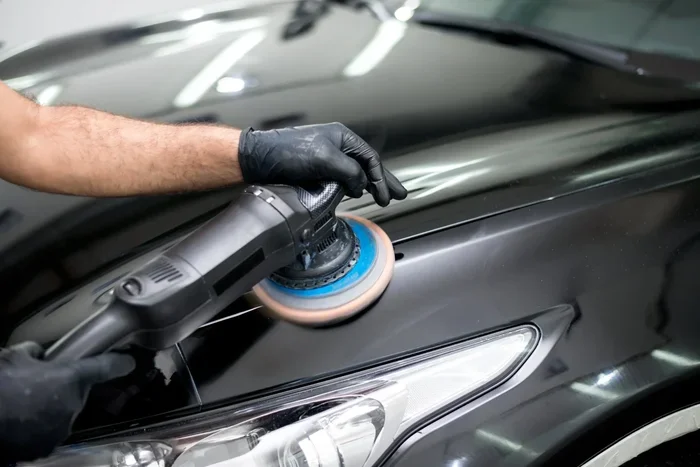
You can polish by hand or with a machine. Hand polishing gives you more control. It is great for small areas and beginners. However, it takes more time and effort. A dual-action polisher is the most popular machine option. It reduces the risk of burning paint. It is faster and produces more consistent results. For larger panels like hoods and roofs, a machine polisher is the clear winner.
Step 4: Apply the Polish
Apply a small amount of polish to your polishing pad. Work in sections about two feet by two feet. Use overlapping strokes for even coverage. Keep the pad flat against the surface. Let the machine do the work. Do not press too hard. Allow the polish to haze before wiping it off. Use a clean microfiber towel to remove residue. Check your progress before moving to the next section.
Step 5: Inspect and Repeat
After polishing, inspect the surface under good lighting. Look for any remaining imperfections. If needed, apply a second pass with the same polish. For best results, follow up with a finishing polish. This two-step process delivers the deepest shine and smoothest surface.
Quick Tips for Car Polishing
- Always work in the shade. Direct sunlight causes polish to dry too quickly.
- Use a polishing pad appropriate for the product. Firm pads cut more, soft pads finish better.
- Never reuse a polishing pad for different products. Cross-contamination ruins results.
- Keep your speed and pressure consistent for an even finish.
- Take breaks. Polishing generates heat. Overheating can damage the paint.
How to Polish Your Bike for a Showroom Finish
Polishing a motorcycle or bicycle shares similarities with car polishing. But bikes present unique challenges. Tight spaces, curved panels, and chrome parts require special attention. Here is how to get the best results.
Preparing the Bike
Start by giving your bike a thorough wash. Use a gentle bike-specific cleaner. Pay extra attention to areas around the engine, exhaust, and wheels. These spots collect the most grime. Dry the bike completely with a soft microfiber cloth. Any water spots left behind can interfere with polishing.
Polishing Painted Surfaces
For painted areas, use the same technique as you would on a car. Apply polish to a small buffing pad. Work in gentle circular motions. Cover one section at a time. Bikes have smaller panels, so you can polish the entire vehicle more quickly. Focus on high-traffic areas like the fuel tank and fairings. These spots show defects the most.
Polishing Chrome and Metal Parts
Chrome parts need special care. Use a chrome-specific polish or a gentle metal polish. Avoid abrasive compounds on chrome. They can remove the chrome plating. Apply the polish with a soft cloth. Buff to a high shine using light pressure. For exhaust pipes and other hot spots, let the metal cool completely before polishing.
Polishing Plastic and Rubber Components
Bikes have plenty of plastic trim and rubber seals. Use a dedicated plastic restorer for faded black plastic parts. Apply it with a soft applicator pad. For rubber seals and hoses, use a silicone-based protectant after polishing. This keeps them flexible and prevents cracking. Avoid getting polish on rubber parts. It can cause degradation over time.
Expert Tips for Bike Polishing
- Use smaller polishing pads for tight areas like around mirrors and switches.
- Polish in sections and keep a wet edge to prevent holograms.
- Apply paint protection after polishing to shield against UV and road debris.
- Use a paint sealant for durable protection that lasts several months.
- Consider a ceramic coating for long-term protection and easier maintenance.
Common Mistakes to Avoid When Polishing
Polishing is a skill that improves with practice. But certain mistakes can ruin your results or even damage your vehicle. Here are the most common errors to watch out for.
Using the Wrong Polish for the Job
Not every polish works on every surface. Using a heavy compound on a car with light swirl marks strips too much clear coat. This thins the paint and weakens protection. Always match the polish aggressiveness to the paint condition. Start with the least aggressive product and work up if needed.
Skipping Surface Preparation
Polishing over a dirty surface creates more scratches. Dirt trapped between the pad and paint acts like sandpaper. Always wash, clay, and dry your vehicle before polishing. This step is non-negotiable for good results.
Applying Too Much Pressure
Many beginners press too hard when polishing. This generates excess heat. Heat can burn the paint and damage the clear coat. Let the polishing pad do the work. Use light to medium pressure and let the machine or compound handle the cutting.
Polishing in Direct Sunlight
Direct sunlight causes polish to dry and cure too fast. This creates a sticky mess that is hard to remove. It also makes it nearly impossible to see your progress. Always polish in a shaded area or indoors. A garage or covered workspace is ideal.
Forgetting to Protect After Polishing
Polishing exposes a fresh paint surface. Without protection, this surface is vulnerable to immediate contamination. Always apply a paint sealant, wax, or ceramic coating after polishing. This locks in the shine and adds a protective barrier. Skipping this step wastes all your hard work.
Reusing Dirty Pads and Towels
Used polishing pads and towels accumulate abrasive particles. Reusing them scratches the paint. Always use clean pads and towels for each step. Wash your microfiber cloths after every session. This simple habit prevents damage and improves results.
Polishing Tips for Long-Lasting Shine
Polishing is not a one-time event. It is part of an ongoing maintenance routine. Follow these tips to keep your vehicle looking amazing between full detailing sessions.
Establish a Regular Polishing Schedule
For most vehicles, polishing once or twice a year is sufficient. Cars driven daily in harsh conditions may need more frequent attention. Bikes exposed to road salt and UV rays also benefit from regular polishing. A maintenance polish with a swirl remover keeps the shine between deeper sessions.
Use the Right Washing Products
What you wash with matters. Harsh detergents strip polish and wax. Use a pH-neutral car shampoo or bike wash. Wash with a microfiber mitt and dry with a soft microfiber towel. These gentle materials prevent swirl marks and keep your polish intact longer.
Apply Paint Protection Regularly
After polishing, apply a quality paint protection product. A paint sealant offers durable protection for several months. A ceramic coating provides even longer-lasting results. For a more natural option, carnauba wax gives beautiful gloss and protection. Choose the option that fits your needs and budget.
Store Your Vehicle Properly
UV exposure is one of the biggest enemies of polished paint. Park in a garage or under a carport whenever possible. Use a quality car cover or bike cover for outdoor parking. This shields the paint from sun damage, bird droppings, and environmental contaminants.
Quick Maintenance Routine
- Wash your vehicle every one to two weeks with a gentle shampoo.
- Use a quick detailer spray between washes to refresh the shine.
- Apply a spray wax or sealant every few months for added protection.
- Inspect the paint regularly for new swirl marks or defects.
- Address paint issues promptly before they worsen.
Choosing the Right Products for Car and Bike Polish
The market is flooded with polishing products. Choosing the right ones can feel overwhelming. Here are some factors to consider when selecting car and bike polish and related tools.
Consider Your Paint Type
Different paints respond differently to polishing. Clear coats vary in thickness and hardness. Soft single-stage paints require extra care. They are more prone to burning during machine polishing. Check your vehicle’s paint specifications if possible. When in doubt, start with a gentle polish and work up.
Invest in Quality Tools
A good dual-action polisher makes a huge difference. Look for one with adjustable speed settings. Variable speed control lets you tailor the process to each panel. Quality polishing pads in different densities help you achieve the best results. Foam pads in cutting, polishing, and finishing grades cover all your needs.
Buy from Reputable Brands
Not all polishing products are created equal. Established brands invest in research and testing. They formulate products that balance cutting power with safety. Look for brands with strong reviews and a track record in the detailing community. Spending a little more on quality products pays off in better results and less risk.
Essential Polish Kit Checklist
- Compound polish for cutting defects
- Finishing polish for refinement and gloss
- Swirl remover for maintenance polishing
- Dual-action polisher with variable speed
- Assorted polishing pads (cutting, polishing, finishing)
- Microfiber towels for wiping and buffing
- Clay bar and lubricant for decontamination
- Paint sealant, wax, or ceramic coating for protection
- Detailer spray for quick touch-ups
- Applicator pads for different surfaces
Conclusion
Car and bike polish is one of the most rewarding detailing steps you can take. It transforms dull, tired paint into a deep, reflective masterpiece. The process requires patience and the right products, but the results are worth every effort. Whether you use a compound for heavy correction or a finishing polish for maintenance, the goal is the same. A flawless, protected surface that turns heads.
Start with clean, decontaminated surfaces. Choose the appropriate polish for your paint condition. Use proper technique and the right tools. Always protect your work with a quality sealant, wax, or ceramic coating. With regular care and maintenance, your vehicle will look incredible for years to come. Now grab your polish and get to work. Your car and bike deserve that flawless shine.
Frequently Asked Questions
How often should I polish my car or bike?
Most vehicles benefit from a full polish once or twice a year. However, a light maintenance polish with a swirl remover can be done every few months. The frequency depends on how much sun exposure and road grime your vehicle faces. Regular washing and protection help extend the time between full polishing sessions.
Can I polish a bike with the same products I use on my car?
Yes, many car polishes work well on motorcycles too. The key is to adjust your technique for smaller panels and tight spaces. Use smaller pads and work carefully around chrome and plastic parts. Always test any product on a small, hidden area first to ensure compatibility.
Is hand polishing better than machine polishing?
Hand polishing gives you more control and is great for small areas or beginners. Machine polishing with a dual-action polisher is faster and more consistent for larger panels. Most professional detailers use a combination of both. Start with hand polishing if you are new to the process, then invest in a machine as your skills grow.
What is the difference between polish and wax?
Polish contains mild abrasives that remove surface imperfections and restore clarity. Wax is a protective layer that sits on top of the paint to add shine and shield against contaminants. Polish prepares the surface; wax protects it. You should always polish before waxing for the best results.
Can polishing damage my car’s paint?
Polishing is safe when done correctly. However, using the wrong polish, applying too much pressure, or overheating the paint can cause damage. Always work in the shade, use the appropriate product, and let the tool do the work. If you are unsure, practice on a small hidden area first or consult a professional detailer.
Do I need to polish my bike if it has a ceramic coating?
A ceramic coating provides excellent protection but does not make your bike scratch-proof or immune to swirl marks. Light polishing with a gentle swirl remover can still refresh the finish and maintain the coating’s performance. Always use products compatible with ceramic coatings to avoid damaging the protective layer.