How Do I Know If My Fuel Injectors Need Cleaning?
Dirty fuel injectors are one of the most common causes of engine problems, yet many drivers overlook the warning signs until serious damage occurs. If your car is rough idling, losing power, or guzzling more gas than usual, your fuel injectors might be clogged and in need of a thorough cleaning. This guide walks you through the key symptoms, diagnostic tips, and simple steps to identify whether it is time to clean your fuel injectors and restore your engine’s performance.
If your car feels sluggish or your gas mileage keeps dropping, your fuel injectors need cleaning. Dirty fuel injectors are one of the most common causes of poor engine performance, yet many drivers overlook the warning signs until the problem becomes serious. In this guide, you will learn how to recognize the symptoms, test your injectors at home, and decide whether a simple cleaning or a full replacement is the right move. We will walk you through every step so you can keep your fuel injection system running smoothly and save money on costly repairs.
Your engine depends on a precise mix of air and fuel to run well. When the fuel injectors get clogged with carbon buildup or debris, that balance falls apart. The result? Reduced power, higher emissions, and wasted gas. The good news is that catching the problem early makes everything easier. This article covers all the signs, tests, and solutions you need to know.
Whether you are a DIY mechanic or someone who just wants to understand what the shop is telling you, this guide has you covered. Read on to learn how to spot trouble early and keep your engine in top shape.
Key Takeaways
- Watch for rough idling: A shaky or uneven engine idle often signals clogged fuel injectors needing attention.
- Notice poor fuel economy: Decreased miles per gallon can indicate injectors are not delivering fuel efficiently.
- Check for engine misfires: Misfires or hesitation during acceleration suggest dirty injectors are disrupting fuel spray patterns.
- Listen for unusual noises: Clicking or knocking sounds from the engine may point to injector problems.
- Use a fuel additive: A quality cleaner additive can help maintain injectors between professional cleaning sessions.
- Scan for warning lights: The check engine light may illuminate when injectors are dirty or malfunctioning.
- Schedule regular maintenance: Routine fuel system cleaning keeps injectors working well and extends engine life.
📑 Table of Contents
What Do Fuel Injectors Do and Why Cleanliness Matters
How Fuel Injectors Work
Fuel injectors are small, precision-engineered valves that sit on top of your engine’s combustion chamber. Each one sprays a fine mist of fuel into the cylinder at exactly the right moment. Your engine control unit, or ECU, controls the timing and amount of fuel delivered. This process happens thousands of times every minute while you drive.
When the injectors are clean, the spray pattern is tight and even. The fuel droplets are tiny, which allows them to mix quickly with air and burn efficiently. This is what gives you smooth acceleration, quiet idling, and good fuel economy.
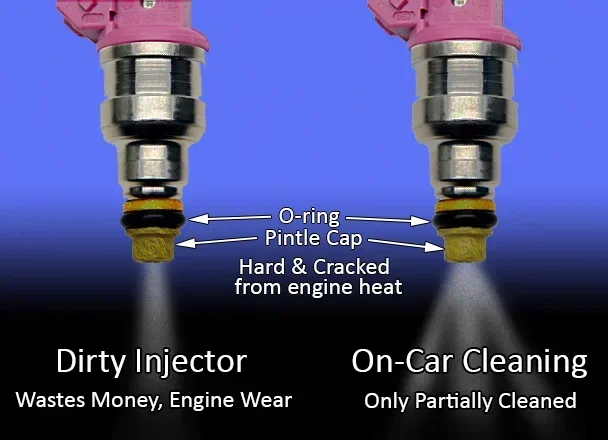
Over time, however, deposits start to build up on the injector nozzles. These deposits come from impurities in fuel, carbon byproducts of combustion, and oil vapor from the fuel pump system. Even a thin layer of buildup can change the spray pattern and reduce the amount of fuel that reaches the engine.
What Happens When Injectors Get Dirty
Dirty injectors do not spray fuel the way they should. Instead of a fine mist, they may produce larger droplets or an uneven spray. This means some fuel droplets are too big to burn completely. The result is wasted fuel, incomplete combustion, and a gradual decline in engine performance.
Left unchecked, dirty injectors can cause more serious problems. Carbon deposits can harden and block the injector nozzle entirely. At that point, the affected cylinder may stop firing altogether. This leads to rough running, misfires, and potential damage to other engine components like the catalytic converter.
The good news is that cleaning fuel injectors is far cheaper than replacing them. And in most cases, you can catch the problem early if you know what to look for.
Warning Signs Your Fuel Injectors Need Cleaning
Rough Idle and Stalling
One of the earliest signs of dirty fuel injectors is a rough idle. When you stop at a red light or sit in a parking lot, does your engine feel shaky or vibrate more than usual? Do you notice the RPMs dipping up and down? These are classic symptoms of uneven fuel delivery.
A rough idle happens because the clogged injectors cannot deliver the right amount of fuel to each cylinder. Some cylinders get too much fuel, while others get too little. This creates an imbalance that your engine feels as vibration or hesitation. If you also notice stalling when coming to a stop, it is time to pay closer attention to your injectors.
Reduced Fuel Economy
Are you filling up more often than usual? A sudden drop in fuel economy is one of the clearest signs that something is wrong with your fuel system. Dirty injectors waste fuel by delivering it inefficiently. When the spray pattern is off, some fuel does not burn completely and exits the exhaust unburned.
You might also notice that you need to press the accelerator harder to get the same response from your engine. This compensates for the fuel that is not reaching the combustion chamber properly. If your fuel economy drops by more than 10 or 15 percent without any other explanation, dirty injectors could be the culprit.
Engine Misfires and Hesitation
A misfire feels like a sudden jolt or hesitation when you accelerate. Your engine may stumble for a moment before recovering. This happens when one or more cylinders fail to fire properly because they are not getting enough fuel.
Engine misfires are not just annoying. They can also damage your catalytic converter over time. Unburned fuel from a misfire enters the exhaust system and can overheat the converter, leading to expensive repairs. If you experience frequent misfires, do not ignore them. Address the root cause quickly, whether it is dirty injectors or another issue.
Check Engine Light Warnings
Your car’s onboard diagnostics system is always watching for problems. When the ECU detects irregular fuel delivery, it will often trigger the check engine light. You may see specific trouble codes like P0300 (random misfire) or P0201 (injector circuit malfunction).
If your check engine light comes on, do not panic, but do not ignore it either. A simple scan with an OBD-II reader can reveal whether fuel delivery issues are causing the warning. Many auto parts stores offer free code reading, which can point you in the right direction.
Simple Tests You Can Do at Home
Visual Inspection of the Injectors
Start by opening the hood and locating the fuel injectors. They are usually sitting on top of the engine, connected to the fuel rail. Look for any visible signs of fuel leaks around the injector tips. A wet or oily residue around the base of an injector can indicate a failing seal or a clogged nozzle that is leaking fuel.
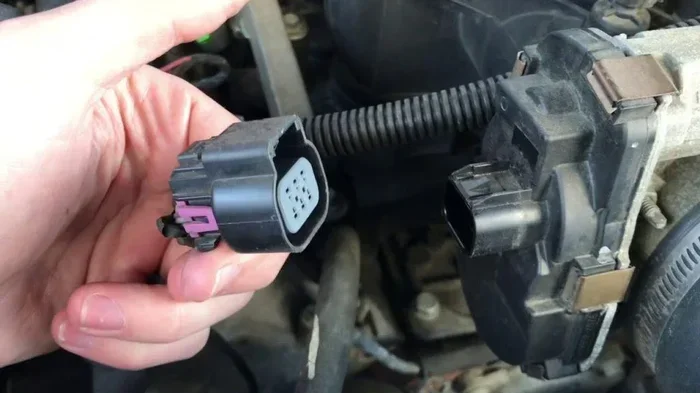
Also, look at the condition of the wiring harnesses connected to each injector. Damaged wires or corroded connectors can cause poor electrical contact, which affects injector performance. If everything looks physically intact, you can move on to more detailed tests.
Using a Fuel Pressure Gauge
A fuel pressure gauge is one of the most useful tools for diagnosing injector problems. You can buy a basic gauge at most auto parts stores for under thirty dollars. The process involves attaching the gauge to the fuel rail and checking the pressure while the engine is running.
Compare your readings to the manufacturer’s specifications, which you can find in your vehicle’s service manual. Low fuel pressure can indicate a weak fuel pump or a clogged fuel filter. High pressure might point to a failing pressure regulator. Either way, abnormal readings suggest that the injectors are not getting the fuel supply they need to work properly.
If you are not comfortable doing this yourself, you can always visit a local mechanic. Many shops will check your fuel pressure as part of a basic diagnostic service. This is a great first step before investing in more involved repairs.
Listening for Clicking Sounds
Here is a simple test you can try right now. Start the engine and listen carefully to each fuel injector. A healthy injector makes a quick, soft clicking sound as it opens and closes. You can use a mechanic’s stethoscope or even a long screwdriver placed against the injector body to amplify the sound.
If one or more injectors are silent, they may be clogged or electrically failed. A dead injector means that cylinder is not getting any fuel, which will cause a noticeable misfire and rough running. This test takes just a few minutes and can give you valuable clues about injector health.
How Professionals Clean Fuel Injectors
Ultrasonic Cleaning
Ultrasonic cleaning is one of the most effective methods for restoring dirty fuel injectors. The process involves removing the injectors from the engine and placing them in a special ultrasonic bath. High-frequency sound waves create tiny bubbles in a cleaning solution, which gently scrub away carbon deposits and contaminants from every surface of the injector.
Ultrasonic cleaning is highly effective because it reaches areas that other methods cannot. Even the tiny nozzle openings get thoroughly cleaned, restoring the proper spray pattern. Many repair shops and specialty services offer this as a standalone service, and it is much more affordable than buying new injectors.
Chemical Cleaning Methods
Chemical cleaning, also known as fuel system flushing, is a less invasive approach. You add a specialized cleaning solution directly to the fuel tank or connect it to the fuel rail while the engine runs. The cleaner dissolves deposits inside the injectors and fuel lines, allowing them to function more effectively.
There are many commercial fuel system cleaners available. Products from brands like Chevron Techron and Berryman B-12 Chemtool are widely trusted by mechanics and DIYers alike. You can also ask your mechanic about professional-grade cleaning solutions that are more powerful than what you will find on a store shelf.
However, chemical cleaning works best for mild to moderate buildup. Heavily clogged injectors may not respond well to this method alone. In those cases, ultrasonic cleaning or replacement may be necessary.
Comparison of Cleaning Methods
Not all cleaning methods are created equal. Here is a quick comparison to help you understand your options.
| Method | Effectiveness | Cost | Best For |
|---|---|---|---|
| Ultrasonic Cleaning | Very High | Moderate to High | Heavy buildup, clogged nozzles |
| Chemical Fuel Additive | Moderate | Low | Mild deposits, routine maintenance |
| Professional Fuel Rail Cleaning | High | Moderate | Moderate buildup, preventive care |
| Injector Replacement | Complete Fix | High | Severely damaged or failed injectors |
As you can see, the method you choose depends on the severity of the problem. For routine maintenance, a quality fuel additive can go a long way. For serious clogs, ultrasonic cleaning or replacement is the better route.
Preventive Maintenance Tips for Clean Injectors
Use Quality Fuel
One of the best ways to keep your injectors clean is to use high-quality fuel from reputable stations. Top-tier gasoline brands like Shell, Chevron, and Exxon contain higher levels of detergents that help prevent carbon buildup inside your fuel system. These detergents keep the injectors, fuel rails, and combustion chambers cleaner between services.
On the other hand, cheaper gas from stations that do not meet top-tier standards may contain more impurities. Over time, these impurities contribute to injector clogging. If you have ever wondered whether fuel quality matters, the answer is absolutely yes. Spending a few cents more per gallon on better fuel can save you hundreds of dollars in fuel system repairs down the road.
Regular Fuel Filter Replacement
Your fuel filter acts as the first line of defense against contaminants that reach the injectors. Over time, the filter traps dirt, rust, and other particles from the fuel. When the filter becomes saturated, it can no longer do its job effectively, and debris passes through to the injectors.
Most manufacturers recommend replacing the fuel filter every 30,000 to 60,000 miles, but you should check your vehicle’s specific maintenance schedule. Replacing the filter is a quick and inexpensive job that pays for itself by protecting your injectors from premature clogging.
Fuel System Cleaners and Additives
Using a quality fuel system cleaner every few thousand miles is one of the easiest preventive steps you can take. These additives dissolve deposits before they build up into serious problems. You simply pour the cleaner into your fuel tank and drive as normal. The additive works its way through the fuel system and cleans the injectors, fuel lines, and combustion chambers along the way.
You can also ask your mechanic to add a professional-strength cleaner during your regular oil change or tune-up service. Many shops offer fuel system cleaning as an add-on service for around fifty to one hundred dollars. It is a small price to pay for the peace of mind that comes with knowing your injectors are in good shape.
Avoid Running on Empty
Here is a habit that many drivers have but few think about. When you let your fuel tank get very low, sediment and debris that have settled at the bottom of the tank get pulled toward the fuel pump and injectors. Over time, this can contribute to clogging and contamination.
Try to keep your tank at least a quarter full whenever possible. This simple habit reduces the amount of sediment that reaches your fuel system and helps your fuel pump last longer. It is a small change that makes a real difference in the long run.
When to Replace Instead of Clean
Sometimes cleaning is not enough. If your injectors are physically damaged, have severe internal wear, or have been clogged for so long that cleaning cannot restore proper function, replacement is the better option. You should also consider replacement if you have tried multiple cleaning methods and still experience the same symptoms.
Signs that replacement may be necessary include persistent misfires even after cleaning, visible fuel leaks from the injector body, and electrical failures that do not respond to cleaning. A mechanic can perform an injector balance test to measure the output of each injector and determine whether they are still within specification.
Replacement injectors can be expensive, especially if you need to replace more than one. However, a properly functioning set of injectors will restore your engine’s performance, improve fuel economy, and reduce emissions. When the time comes, do not delay the replacement. Driving with failed injectors can cause further damage to your engine and other components.
Regular maintenance and attentive driving habits go a long way toward keeping your fuel system in great shape. Clean injectors mean a happier engine, better performance, and more money in your pocket at the gas pump. Take care of your fuel system today, and your car will reward you with smooth, reliable performance for years to come.
Frequently Asked Questions
How Do I Know If My Fuel Injectors Need Cleaning?
You may need to clean your fuel injectors if you notice rough idling, poor fuel economy, or difficulty starting your engine. Other clear signs include engine misfires, a rough idle, or a check engine light that won’t go away. These symptoms happen because dirty injectors can’t deliver fuel properly to your engine.
What Are the Common Symptoms of Dirty Fuel Injectors?
Common symptoms include a rough or uneven idle, hesitation when you hit the gas, and engine misfires. You might also experience poor fuel economy or a noticeable loss of power when accelerating. In some cases, your car may stall or be hard to start, especially when the engine is cold.
Can Dirty Fuel Injectors Cause a Rough Idle?
Yes, dirty fuel injectors are one of the most common causes of a rough idle. When injectors are clogged or dirty, they spray fuel unevenly, which disrupts the air-fuel mixture your engine needs. This imbalance makes the engine shake, vibrate, or sound uneven while sitting at a stoplight or in park.
How Often Should Fuel Injectors Be Cleaned?
Most experts recommend cleaning your fuel injectors every 30,000 to 60,000 miles, depending on your driving conditions. If you frequently drive in stop-and-go traffic or use low-quality fuel, you may need to clean them more often. Regular cleaning helps prevent buildup and keeps your engine running smoothly.
Will Cleaning Fuel Injectors Improve Gas Mileage?
Yes, cleaning dirty fuel injectors can noticeably improve your gas mileage. When injectors are clogged, they waste fuel by spraying it inefficiently or unevenly. Once they are clean, fuel burns more completely, which means you get more miles per gallon and save money at the pump.
Can I Clean Fuel Injectors Myself at Home?
Yes, you can clean fuel injectors at home using a fuel additive or a dedicated cleaning kit. Fuel additives are the easiest option — just pour them into your gas tank and let the engine do the work. However, for stubborn buildup, a professional cleaning service or a full removal and cleaning may be needed for best results.