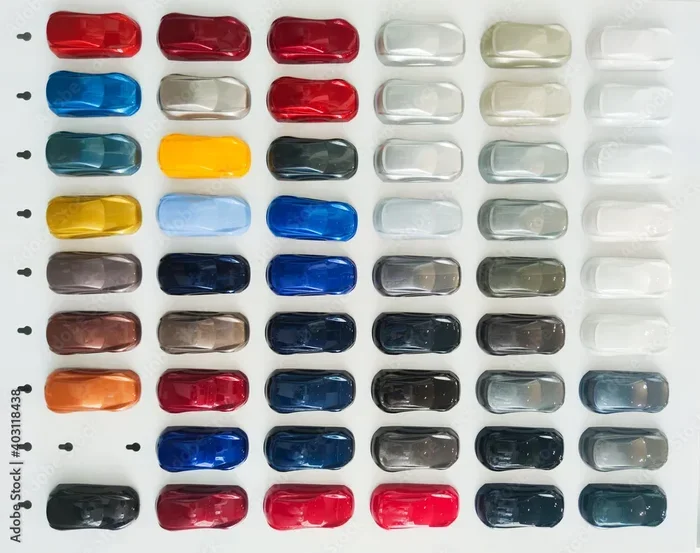
Car Colors to Avoid That Will Ruin Your Resale Value
Choosing the wrong car color can cost you thousands when it’s time to sell. Certain shades like yellow, orange, and brown consistently rank as the least popular choices, making them harder to flip on the used market. This guide reveals the car colors to avoid and explains why your paint choice directly impacts vehicle resale value.
You spent hours picking the perfect car. The trim, the features, the engine — everything checked out. But there was one choice you probably didn’t think twice about: the color. And that choice might be costing you real money.
When it comes to car colors to avoid, most people think about personal taste. But the truth is, your paint color directly affects how much your car is worth when you decide to sell. Some colors sit on lots for months. Others sell within days. The difference can be shocking.
In this guide, we break down the least popular car colors, explain why they hurt your vehicle resale value, and show you what to pick instead. Whether you’re buying new or selling used, this information will save you money.
Key Takeaways
- Unpopular colors like yellow, orange, and brown hurt resale value significantly. Buyers in the used market prefer neutral tones.
- Car color affects depreciation more than most people realize. A bad color choice can reduce resale price by hundreds or even thousands of dollars.
- Neutral colors like white, black, silver, and gray hold value best. These shades have the broadest buyer appeal across all demographics.
- Regional preferences matter. What sells well in one climate or area may flop in another due to cultural and weather factors.
- Bold and niche colors limit your buyer pool. The fewer people who want a color, the longer it sits on the lot and the more it depreciates.
- Paint quality and maintenance play a role too. Even a popular color looks bad with poor care, while a neutral tone hides wear better.
- You can still pick a color you love without killing resale. Smart choices and proper care let you balance personal style with market demand.
📑 Table of Contents
- Why Car Color Matters for Resale Value
- The Worst Car Colors to Avoid
- What Makes a Car Color Hard to Sell?
- Car Color Popularity by Region
- How to Choose a Car Color That Holds Value
- Common Mistakes People Make with Car Colors
- Expert Tips for Protecting Your Car’s Paint and Value
- Key Takeaways
- Conclusion
Why Car Color Matters for Resale Value
It might sound silly to care about paint when the engine and transmission matter more. But the automotive resale market doesn’t work that way. Buyers make quick decisions, and color is one of the first things they notice.
Think about it this way. You walk into a used car lot. There are fifty cars lined up. What do you look at first? Most people scan for the color that catches their eye. If your car’s shade doesn’t appeal, it gets passed over — fast.
Car color depreciation is real. Studies show that unpopular colors can reduce a vehicle’s resale price by 5% to 15%. On a $30,000 car, that’s $1,500 to $4,500 gone just because of paint. That’s money you could have kept in your pocket.
The Psychology Behind Car Color Choices
Color psychology plays a bigger role in car buying than most realize. Neutral tones like white, black, silver, and gray feel safe and timeless. They signal reliability. Bold colors like bright red or electric blue feel exciting but niche.
When buyers feel uncertain, they default to what’s familiar. That’s why car color popularity trends heavily toward neutrals. The used car market rewards safety over style.
The Worst Car Colors to Avoid
Not all colors are created equal when it comes to holding value. Some shades practically scream “take me off the lot.” Let’s look at the car colors to avoid that will hurt your resale value the most.
Yellow
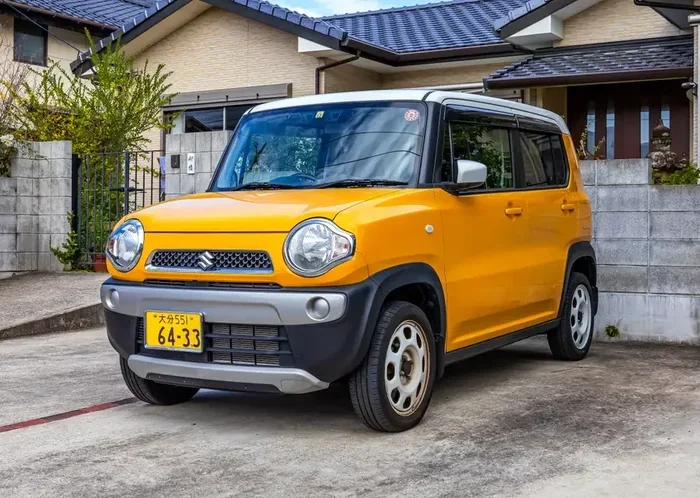
Yellow cars are eye-catching on the road. But they’re tough to sell privately or trade in. The least popular car colors list almost always includes yellow near the top.
Yellow appeals to a very small group of buyers. It ages poorly in direct sunlight, and the paint tends to fade faster than lighter neutrals. If you already own a yellow car, don’t panic. Just know that your vehicle depreciation curve will be steeper than average.
Orange
Orange sits in the same risky category as yellow. It’s a polarizing color — people either love it or can’t stand it. That split opinion shrinks your buyer pool dramatically.
Orange cars also show dirt and scratches more easily. Maintenance becomes a hassle, and buyers know it. The car paint color demand for orange remains low across most markets.
Brown
Brown is one of the car colors to avoid for resale. It reads as dull and outdated in most buyers’ minds. Even luxury brands struggle to make brown feel premium in the used market.
Brown also shows every speck of dust and every scratch. Keeping it looking clean requires constant effort. Most buyers would rather pay slightly more for a white or silver version of the same car.
Green
Green has a loyal fanbase, but it’s a small one. Vintage green cars have charm, but modern green vehicles struggle to find wide appeal.
The automotive resale market treats green as a niche choice. Unless you’re selling a classic or a specialty vehicle, green will limit your options and lower your offer.
Purple
Purple is bold and unique. But unique doesn’t always mean valuable. In the used car market, purple cars sit for weeks or months longer than their neutral-colored counterparts.
Buyers worry about being the only person on the road with that color. That fear keeps many potential buyers away. Purple is fun to drive but painful to sell.
Gold and Beige
Gold and beige feel dated to most modern buyers. These colors were popular decades ago but have fallen out of favor. They suggest an older vehicle, even on newer models.
The car color trends have moved sharply away from these tones. If you’re shopping for a used car, skip gold and beige. Your future self will thank you.
What Makes a Car Color Hard to Sell?
Not every uncommon color is a bad choice. But certain traits make specific shades harder to move in the resale market. Understanding these factors helps you make smarter decisions.
Limited Buyer Appeal
The broader the appeal, the easier the sale. Colors like white and black work for nearly every demographic. But a color like teal or maroon only resonates with specific groups. Narrow appeal means fewer buyers and longer wait times.
Visibility of Wear and Tear
Darker colors show scratches and swirl marks. Lighter colors reveal dirt and water spots. Some colors are just harder to keep looking fresh, and buyers factor that into their offers.
Fade and Oxidation
Certain pigments fade faster under UV exposure. Red and yellow are notorious for this. After a few years in the sun, the paint looks tired. That tired look directly impacts car color depreciation.
Trend Dependency
Bold colors trend in and out of fashion. What’s hot today might feel dated in five years. Neutral colors stay relevant because they never go out of style. That timelessness protects your car resale value.
Insurance and Repair Costs
Rare colors sometimes cost more to repaint after an accident. Specialized paint matching adds expense. Smart buyers factor in potential repair costs, which makes uncommon colors less attractive.
Car Color Popularity by Region
Car color preference varies by location. What sells well in one part of the country might flop in another. Climate, culture, and local trends all play a role.
In hot, sunny climates, lighter colors like white and silver dominate. They reflect heat and stay cooler. In colder regions, darker colors like black and dark gray gain popularity because they absorb warmth.
Urban buyers often prefer sleek blacks and silvers. Suburban and rural buyers lean toward whites and blues. Understanding your local car color demand helps you pick wisely.
| Region | Most Popular Colors | Least Popular Colors |
|---|---|---|
| Southern U.S. | White, Silver, Light Gray | Black, Dark Blue, Red |
| Northeastern U.S. | Black, Dark Gray, Navy | Yellow, Green, Beige |
| Western U.S. | White, Silver, Light Blue | Orange, Brown, Purple |
| Midwestern U.S. | White, Black, Gray | Green, Gold, Red |
| Urban Areas | Black, Silver, White | Bright Yellow, Orange, Purple |
| Rural Areas | White, Blue, Gray | Brown, Gold, Beige |
These trends aren’t absolute, but they give you a solid starting point. If you live in a hot region, avoid dark colors that absorb heat. If you’re in a rainy area, darker colors might hide water spots better.
How to Choose a Car Color That Holds Value
Now that you know which car colors to avoid, let’s talk about the best choices. Picking the right color is one of the smartest things you can do for your wallet.
Go with Neutrals
White, black, silver, and gray are the kings of the used car market. They appeal to the widest range of buyers. They hide wear reasonably well. And they never look outdated.
White is the #1 most popular car color worldwide. It’s clean, modern, and easy to match with any style. Silver and gray offer a sleek, professional look. Black feels luxurious but requires more frequent cleaning.
Consider Your Climate
Hot climate? Go light. Cold climate? Dark can work. Rainy area? Medium tones hide water spots best. Matching your color to your environment keeps the car looking good longer.
Think About the Vehicle Type
A bold color might work on a sports car but hurt a family sedan. Match the color to the car’s purpose. Sports cars can pull off red or blue. Family vehicles do best with white, silver, or gray.
Stick to Mainstream Tones
If you want a hint of personality, choose a mainstream color with a twist. Metallic white, charcoal gray, or deep navy give you some flair without killing resale. These car color trends offer personality without the risk.
Check Local Market Demand
Before finalizing your color, browse local listings. See what colors sell fastest in your area. This simple step gives you real-world data to guide your decision.
Common Mistakes People Make with Car Colors
Even smart buyers fall into traps when choosing car colors. Here are the mistakes that hurt your vehicle resale value the most.
Following Trends Blindly
That fiery red looks amazing right now. But trends fade. What’s hot today might feel dated in three years. Neutral colors never go out of style, and they protect your investment.
Ignoring Maintenance Reality
Black cars look stunning when clean. But they show every speck of dust. If you hate washing your car, black might be a nightmare. Choose a color that fits your maintenance habits.
Picking a Color Just Because It’s Cheap
Some dealers discount unpopular colors to move inventory. That bargain might cost you more in the long run. A slightly higher price on a popular color often pays for itself at resale.
Overlooking Paint Quality
Even the best color looks bad with poor paint quality. Cheap paint chips and fades faster. Always check the paint condition, regardless of the shade. A well-maintained unpopular color sometimes beats a neglected popular one.
Assuming All Colors Depreciate Equally
They don’t. Color is a real factor in car color depreciation. A white Honda Civic and a purple Honda Civic of the same year and mileage will sell for different prices. Don’t ignore this variable.
Expert Tips for Protecting Your Car’s Paint and Value
Even if you chose a less popular color, you can take steps to protect your investment. These expert insights help you maximize whatever color you drive.
Wash and Wax Regularly
Regular washing removes contaminants that damage paint. Waxing adds a protective layer against UV rays and environmental fallout. A consistent routine keeps any color looking fresh.
Use a Quality Car Cover
Sun damage is the #1 enemy of car paint. A breathable car cover parked in direct sunlight extends the life of your finish dramatically. This matters most for reds, yellows, and oranges.
Fix Chips and Scratches Immediately
Small chips lead to rust and bigger problems. Touch up paint matches your color and prevents damage from spreading. Quick repairs preserve both appearance and value.
Consider Ceramic Coating
A ceramic coating creates a permanent protective barrier. It shields against UV rays, bird droppings, tree sap, and minor scratches. The investment pays off in paint longevity and resale appeal.
Keep Records of All Maintenance
Buyers trust well-documented service history. Keep every receipt and record. A car with full maintenance history sells faster and for more money, regardless of color.
Paint Correction Before Selling
If you plan to sell, invest in a paint correction service. It removes swirl marks, scratches, and oxidation. The car looks showroom-ready, which justifies a higher asking price. This works for any car color to avoid or any popular shade.
Key Takeaways
- Yellow, orange, brown, green, purple, and gold are the car colors to avoid if resale value matters to you.
- Neutral colors like white, black, silver, and gray hold value best because they appeal to the broadest buyer pool.
- Car color depreciation can reduce resale value by 5% to 15% depending on the shade and market conditions.
- Regional preferences affect which colors sell fastest. Always research your local market before committing to a color.
- Maintenance matters as much as color choice. A well-kept unpopular color can outperform a neglected popular one.
- Bold and niche colors limit your buyer pool and extend the time your car spends on the market.
- You can still enjoy a unique color — just understand the trade-off in resale value and plan accordingly.
Conclusion
Your car’s color might seem like a small detail. But when it’s time to sell, that decision carries serious weight. The car colors to avoid — yellow, orange, brown, green, purple, and gold — all share one thing in common: they limit your buyer pool and accelerate vehicle depreciation.
On the flip side, neutral colors like white, black, silver, and gray give you the best chance at a strong resale price. They appeal to everyone, hide wear reasonably well, and never look outdated. These are the best car colors for resale year after year.
That doesn’t mean you can never drive a bold color. Just go in with your eyes open. Understand the trade-offs. And if resale value matters to you, factor color into your buying decision from day one.
The right color choice today means more money in your pocket tomorrow. Do your research, pick wisely, and enjoy the drive — no matter what shade you choose.
Frequently Asked Questions
What is the #1 car color to avoid for resale value?
Yellow tops most lists of the car colors to avoid. It appeals to a very narrow buyer base, fades in sunlight, and shows wear quickly. If resale value is your priority, skip yellow entirely.
Does car color really affect resale value?
Yes, absolutely. Car color depreciation is a real factor in the automotive resale market. Unpopular colors can reduce resale price by 5% to 15%, which translates to hundreds or thousands of dollars on most vehicles.
What is the best car color for resale?
White is the #1 most popular and best-selling car color worldwide. Black, silver, and gray also hold value exceptionally well. These neutral tones have the broadest car color demand across all markets and demographics.
Are bold car colors always a bad idea?
Not necessarily. Bold colors can be fun to drive and might work well if you plan to keep the car long-term. But if you intend to sell within a few years, bold colors limit your buyer pool and typically lower your offer.
How much does car color affect depreciation?
The impact varies by color, region, and vehicle type. On average, unpopular colors lose 5% to 15% more resale value than popular neutrals. Over a five-year ownership period, that difference can easily exceed $3,000.
Can I repaint my car to improve resale value?
Yes, repainting to a neutral color can boost resale value. However, the cost of a quality repaint often ranges from $3,000 to $10,000. Weigh the cost against the potential resale gain before committing to a repaint.