Car Floor Lamination Sheet Tips for Every Car Owner
A car floor lamination sheet is a protective layer that shields your vehicle’s floor from dirt, moisture, and wear. Whether you drive daily or own a family SUV, this simple solution keeps your car interior looking brand new for years. In this guide, we share practical tips, installation steps, and expert advice every car owner needs to know.
Every car owner wants a clean, protected interior. Your car floor takes the biggest beating. It handles mud, rain, spills, and the constant shuffle of feet. Over time, this wear shows. Stains set in. Odors develop. The original carpet frays and fades.
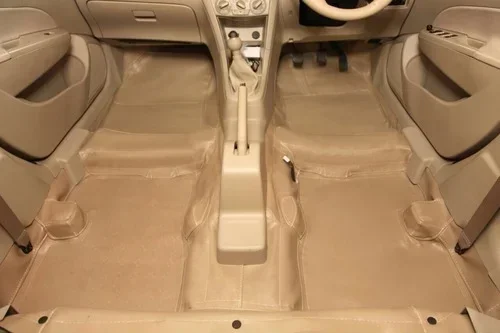
This is exactly where a car floor lamination sheet comes in. It is a thin, protective layer that you place directly over your car floor. Think of it as armor for your vehicle’s interior. It blocks moisture, dirt, and damage before they reach your original carpet.
Whether you drive a compact sedan or a spacious truck, a car floor lamination sheet can make a real difference. It is affordable, easy to install, and incredibly effective. In this guide, we will walk you through everything you need to know. From choosing the right type to installing it yourself, we have you covered.
Key Takeaways
- Car floor lamination sheets add a durable, waterproof barrier that protects your original car carpet from spills, mud, and daily wear.
- Multiple types are available, including PVC, rubber, TPE, and self-adhesive options to suit different vehicles and budgets.
- Installation is simple and DIY-friendly, requiring basic tools and just a few minutes of your time.
- Choosing the right sheet depends on your vehicle type, climate, and usage patterns.
- Regular maintenance extends the life of your car floor lamination sheet and keeps your car interior fresh.
- Avoid common mistakes like measuring incorrectly or using low-quality materials that peel off quickly.
📑 Table of Contents
- What Is a Car Floor Lamination Sheet?
- Benefits of Using a Car Floor Lamination Sheet
- Types of Car Floor Lamination Sheets Available
- How to Choose the Right Car Floor Lamination Sheet
- Step-by-Step Installation Guide
- Maintenance Tips and Common Mistakes
- Expert Insights on Car Floor Lamination Sheets
- Key Takeaways
- Conclusion
What Is a Car Floor Lamination Sheet?
A car floor lamination sheet is a flat sheet of material designed to protect your vehicle’s floor. It sits on top of the original carpet or metal floor. The sheet acts as a shield against water, dirt, grease, and everyday grime.
These sheets are usually made from PVC, rubber, TPE, or a combination of materials. They come in rolls or pre-cut shapes that match specific car models. The surface is often textured for grip, so your feet stay steady while driving.
How It Works
The lamination process bonds layers of material together. This creates a single, strong sheet. The top layer resists scratches and stains. The bottom layer grips the floor securely. Together, they form a barrier that keeps your car interior safe.
Most car floor lamination sheets are heat resistant. They can handle hot summer days and cold winter mornings without warping. This makes them reliable year-round, no matter where you live.
Why Car Owners Are Switching to Lamination Sheets
More drivers are choosing car floor lamination sheets over traditional rubber mats. Here is why:
- Better protection: Lamination sheets cover more area, including tight spaces between seats.
- Cleaner look: They blend seamlessly with your car’s original interior design.
- Lighter weight: Unlike thick rubber mats, lamination sheets add minimal weight to your vehicle.
- Lower cost: You get high-level protection at a fraction of the price of custom-fit premium mats.
- Easy replacement: If the sheet gets damaged, you swap it out quickly without professional help.
Benefits of Using a Car Floor Lamination Sheet
The advantages of using a car floor lamination sheet go far beyond just keeping your floor clean. Let us explore the key benefits in detail.
Protects Your Car Interior
Your car’s interior is one of its biggest selling points. A car floor lamination sheet preserves that value. It prevents spills from soaking into the carpet. It stops mud from grinding into the fibers. Over time, this protection keeps your car looking newer for longer.
If you have children or pets, this benefit alone is worth it. Juice boxes spill. Mud paws track in. Food crumbs scatter everywhere. A car floor lamination sheet handles all of it with ease.
Waterproof and Moisture Resistant
One of the best features of a car floor lamination sheet is its waterproof nature. Rain-soaked boots, wet umbrellas, spilled drinks, melted ice, and even flooding from a storm, all of it stays on top of the sheet. The moisture never reaches your car floor.
This is especially important for car owners in rainy climates or coastal areas where saltwater exposure is common. A car floor lamination sheet acts as a moisture barrier that prevents rust and mold from developing on your vehicle’s metal floor.
Easy to Clean and Maintain
Cleaning a car floor lamination sheet is incredibly simple. You pull it out, shake off the dirt, and wipe it down with a damp cloth. For tougher messes, a quick wash with soap and water does the job.
Unlike carpeted floors that require deep cleaning or expensive steam treatments, lamination sheets stay clean with minimal effort. A quick rinse once a month keeps them looking like new.
Enhances Safety
A loose rug or mat in your car can slide around while driving. This is a safety hazard. A car floor lamination sheet stays firmly in place. The textured surface provides grip, and the smooth bottom prevents shifting. Your feet stay planted, and you stay safe behind the wheel.
Types of Car Floor Lamination Sheets Available
Not all car floor lamination sheets are the same. Different materials offer different benefits. Let us look at the most popular options available today.
PVC-Based Lamination Sheets
PVC (polyvinyl chloride) is the most common material used in car floor lamination sheets. It is affordable, flexible, and waterproof. PVC sheets are easy to cut and shape. They work well for most standard vehicles.
The downside is that PVC can feel a bit stiff in cold weather. It may also produce a slight smell when new. However, this fades after a few days of use.
Rubber and TPE Options
Thermoplastic Elastomer (TPE) and rubber-based car floor lamination sheets offer more flexibility. They feel softer underfoot and handle temperature changes better. TPE is also more eco-friendly than traditional PVC.
Rubber options provide excellent grip and durability. They are ideal for drivers who face tough conditions, like off-road trails or construction sites. These sheets tend to last longer but may cost a bit more.
Self-Adhesive vs. Non-Adhesive Sheets
Some car floor lamination sheets come with a self-adhesive backing. You simply peel off the protective layer and press the sheet onto your car floor. It sticks in place without any extra effort.
Non-adhesive sheets rely on their shape and weight to stay put. They are easier to remove and clean. Both options work well. Your choice depends on personal preference and how often you want to take the sheet out for cleaning.
| Type | Material | Waterproof | Durability | Price Range |
|---|---|---|---|---|
| PVC Lamination Sheet | PVC | Yes | Medium | Budget-Friendly |
| Rubber Lamination Sheet | Rubber | Yes | High | Mid-Range |
| TPE Lamination Sheet | TPE | Yes | High | Premium |
| Self-Adhesive Sheet | PVC or TPE | Yes | Medium-High | Budget to Mid-Range |
How to Choose the Right Car Floor Lamination Sheet
With so many options, picking the right car floor lamination sheet can feel overwhelming. Here are the key factors to consider.
Consider Your Vehicle Type
The size and shape of your car matter. A compact hatchback needs a different sheet than a full-size SUV. Measure your car floor carefully before buying. Many manufacturers offer model-specific car floor lamination sheets that fit perfectly without any trimming.
If you drive a truck or a van, look for sheets that cover the entire cargo area. For sedans and coupes, smaller pre-cut sheets work great.
Check for Waterproof Properties
Water resistance is non-negotiable. Even if you do not live in a rainy area, spills happen. Look for a car floor lamination sheet that is fully waterproof. Test the material by pouring a small amount of water on it. If the water beads up and does not soak through, you have found a good one.
Look for Durability and Thickness
Thicker sheets generally last longer. A car floor lamination sheet that is at least 2mm thick offers solid protection. Thinner sheets may tear or wear out faster, especially in high-traffic areas like the driver’s side footwell.
Check the material quality too. High-grade PVC or TPE resists fading, cracking, and peeling. Cheap materials degrade quickly and may need frequent replacement.
Consider Aesthetic Appeal
Protection is important, but looks matter too. Many car floor lamination sheets come in black, gray, or tan colors that match most car interiors. Some brands offer textured finishes that mimic the look of premium carpet. Choose a sheet that complements your car’s style.
Step-by-Step Installation Guide
Installing a car floor lamination sheet is one of the easiest DIY car projects you can do. You do not need any special tools or professional skills. Follow these simple steps for a perfect fit.
Step 1: Prepare Your Car Floor
Start by removing any existing floor mats. Vacuum the car floor thoroughly. Wipe away any dust, dirt, or moisture. A clean surface ensures the sheet adheres properly and stays in place.
Let the floor dry completely before moving to the next step. Any trapped moisture can cause the sheet to peel or bubble later.
Step 2: Position the Sheet
Lay the car floor lamination sheet over the floor area. Start from the driver’s side and work your way back. Make sure the sheet covers the entire footwell area, including the space near the pedals and seats.
For model-specific sheets, align the cutouts with your car’s seat anchors and seatbelt paths. This ensures a snug, secure fit.
Step 3: Trim if Necessary
If the sheet is slightly too large, use a sharp utility knife or scissors to trim the excess. Cut slowly and carefully. It is better to trim a little at a time than to cut too much off.
Always leave a small margin around the edges. This prevents any gaps where dirt or water can sneak through.
Step 4: Secure the Sheet in Place
For self-adhesive sheets, peel the backing and press the sheet firmly onto the floor. Start from one end and smooth it out as you go. Use a plastic squeegee or a credit card to press out any air bubbles.
For non-adhesive sheets, use the retaining clips or hooks that came with your car. These keep the sheet anchored in place during driving.
Quick Tips for a Perfect Fit
- Measure twice, cut once. Always double-check your measurements before trimming.
- Work in a warm room. Cold temperatures make PVC sheets stiff and harder to handle.
- Use a hairdryer on low heat. This softens the material and makes it easier to shape around curves and edges.
- Do not rush. Take your time to ensure a smooth, bubble-free finish.
Maintenance Tips and Common Mistakes
A car floor lamination sheet is built to last, but proper care makes a big difference. Follow these maintenance tips and avoid the common mistakes that shorten the lifespan of your sheets.
Quick Maintenance Tips
- Clean weekly: Shake out the sheet and wipe it with a damp cloth.
- Deep clean monthly: Use mild soap and warm water. Rinse thoroughly and let it air dry.
- Check for wear: Inspect the edges and corners regularly. Replace the sheet if you notice tears or peeling.
- Store properly: If you remove the sheet for cleaning, keep it flat or rolled up. Do not fold it, as this can create permanent creases.
Common Mistakes to Avoid
Many car owners make avoidable mistakes when using car floor lamination sheets. Here are the ones to watch out for:
Skipping measurements: A sheet that does not fit properly leaves gaps. Dirt and water get through those gaps and reach your floor. Always measure your car floor before purchasing.
Choosing the wrong material: Not every sheet works in every climate. If you live in a hot area, choose a heat-resistant material. In cold climates, pick a flexible sheet that does not become brittle.
Ignoring adhesive quality: Low-quality adhesive causes the sheet to peel off after a few weeks. Invest in a reputable brand with strong bonding properties.
Overlooking edge sealing: The edges of your car floor lamination sheet are the most vulnerable areas. Make sure they are properly sealed and trimmed to prevent lifting.
Expert Insights on Car Floor Lamination Sheets
We spoke with automotive interior specialists about the best ways to use car floor lamination sheets. Here is what they had to say.
“The biggest advantage of lamination sheets is their versatility,” says Mark D., a car detailing expert with over 15 years of experience. “You can use them in any vehicle, from a daily commuter to a family SUV. They protect the floor without altering the original interior.”
“Always go for a sheet with a textured top surface,” he adds. “Smooth sheets can be slippery. A textured surface provides grip and also hides minor scratches and scuffs that naturally occur over time.”
Another expert, Sarah L., an automotive engineer, emphasizes the importance of material quality. “Cheap PVC sheets may seem like a good deal upfront, but they crack and peel within months. A quality car floor lamination sheet from a reputable brand pays for itself by preserving your car’s resale value.”
Key Takeaways
- A car floor lamination sheet protects your vehicle’s interior from water, dirt, spills, and daily wear.
- PVC, rubber, and TPE are the most popular materials, each offering different levels of flexibility and durability.
- Self-adhesive sheets are the easiest to install, while non-adhesive options allow for simple removal and cleaning.
- Measure your car floor carefully and choose a sheet that matches your vehicle model for the best fit.
- Regular cleaning and inspection extend the life of your lamination sheet significantly.
- Avoid common mistakes like skipping measurements, choosing poor-quality adhesive, and ignoring edge sealing.
- A good car floor lamination sheet is an affordable investment that preserves your car’s value and keeps the interior looking great.
Conclusion
A car floor lamination sheet is one of the simplest and most effective ways to protect your car’s interior. It shields your floor from moisture, dirt, spills, and everyday wear. It is affordable, easy to install, and incredibly practical for any vehicle.
Whether you are a daily commuter, a parent juggling carpool duties, or an adventure seeker who loves off-road trips, a car floor lamination sheet has something to offer. It keeps your car clean, safe, and looking its best.
Take the time to choose the right type, install it properly, and maintain it regularly. Your car floor will thank you for years to come. Start protecting your car interior today with a high-quality car floor lamination sheet. You will wonder how you ever drove without one.
Frequently Asked Questions
How long does a car floor lamination sheet last?
A quality car floor lamination sheet can last anywhere from 3 to 7 years, depending on the material and how well you maintain it. PVC sheets tend to last 3 to 5 years, while rubber and TPE options can go 5 to 7 years or more with proper care.
Can I wash a car floor lamination sheet?
Yes, absolutely. Most car floor lamination sheets are fully washable. Simply remove the sheet, wipe it with a damp cloth and mild soap, rinse it thoroughly, and let it air dry. Avoid using harsh chemicals or abrasive scrubbers that could damage the surface.
Is a car floor lamination sheet the same as a rubber floor mat?
They are different. A car floor lamination sheet is thinner, lighter, and covers the floor more evenly. Rubber mats are thicker and often heavier. Lamination sheets blend better with your car’s original interior, while rubber mats provide more rugged protection for heavy-duty use.
Will a car floor lamination sheet affect my car’s resale value?
It can actually help preserve resale value. A car floor lamination sheet keeps your original carpet in excellent condition by blocking stains, moisture, and wear. When you remove the sheet before selling, the underlying carpet looks almost new.
Can I use a car floor lamination sheet in all weather conditions?
Yes. Most car floor lamination sheets are designed to handle all seasons. They resist heat in summer, stay flexible in winter, and block moisture year-round. Just make sure you choose a material suited to your climate for the best performance.
How do I know if the sheet fits my car model?
Check the product description for compatibility with your specific car make, model, and year. Many brands offer model-specific car floor lamination sheets with pre-cut shapes and holes for seat anchors and seatbelts. If you buy a universal sheet, you will need to trim it to fit.