How Much Is a Tune-Up – Average Cost Breakdown Guide
The average cost of a tune-up ranges from $150 to $450 for most vehicles, but the final tune-up cost depends on your car type, age, and what services are needed. A basic tune-up covers spark plugs, filters, and ignition parts, while a full engine tune-up can include fuel system cleaning and diagnostic testing. Understanding the tune-up cost breakdown helps you budget and avoid overpaying at the shop.
Key Takeaways
- Average Cost Range: Most drivers pay between $150 and $450 for a standard tune-up, with luxury or older vehicles costing more.
- What’s Included: A basic tune-up covers spark plugs, air filters, fuel filters, and ignition system inspection.
- Factors That Affect Price: Vehicle type, engine size, age, and local mechanic labor rates all influence the final cost.
- DIY vs. Professional: Some tune-up tasks like air filter replacement can be done at home, saving you money.
- Warning Signs: Rough idling, poor fuel economy, and difficulty starting signal that your car needs a tune-up soon.
- Maintenance Schedule: Most vehicles benefit from a tune-up every 30,000 to 60,000 miles or annually.
- Save Money: Getting multiple quotes and knowing what services are needed helps you avoid unnecessary charges.
📑 Table of Contents
- How Much Is a Tune-Up? Your Complete Cost Breakdown Guide
- What Exactly Is a Tune-Up?
- How Much Does a Tune-Up Cost? Average Price Breakdown
- Factors That Affect Tune-Up Cost
- Warning Signs Your Car Needs a Tune-Up
- How to Save Money on a Tune-Up
- How Often Should You Get a Tune-Up?
- What Happens If You Skip a Tune-Up?
- Frequently Asked Questions
- Final Thoughts on Tune-Up Costs
How Much Is a Tune-Up? Your Complete Cost Breakdown Guide
You notice your car is running a little rough. The engine idles unevenly, and your gas mileage has dropped. Sound familiar? These are classic signs that your vehicle might need a tune-up. But before you book an appointment, the big question hits: how much is a tune-up?
The answer isn’t as simple as a single number. Tune-up costs vary widely depending on your car, what services are needed, and where you go for service. For most drivers, the average tune-up cost falls between $150 and $450. But that range can stretch higher for luxury vehicles or older cars that need more attention. In this guide, we break down every factor that affects the tune-up service cost, so you know exactly what to expect before you walk into any shop.
We will cover what a tune-up actually includes, why prices differ from one vehicle to another, and how you can save money without sacrificing quality. By the end, you will have a clear picture of the engine tune-up price and feel confident making the right decision for your car.
What Exactly Is a Tune-Up?
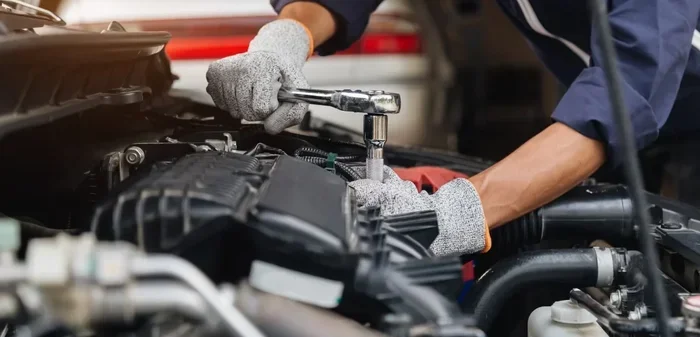
A tune-up is a routine maintenance service that keeps your engine running smoothly and efficiently. Think of it like a health checkup for your car. During a tune-up, a mechanic inspects and replaces worn parts that affect engine performance. The goal is to restore power, improve fuel economy, and prevent bigger problems down the road.
Modern cars are more complex than older models, so what a tune-up includes has changed over the years. For vehicles made before 2000, a traditional ignition tune-up was standard. Today, most cars use electronic fuel injection and computer-controlled systems. This means a modern engine performance tune-up focuses on different components. But the core idea remains the same: keep your car running at its best.
Common Services Included in a Basic Tune-Up
When you ask a mechanic for a basic tune-up, the following services are typically part of the package:
- Spark plug replacement — worn plugs cause misfires and reduce efficiency
- Air filter replacement — a clean filter improves airflow to the engine
- Fuel filter replacement — prevents contaminants from reaching the engine
- Ignition system inspection — checks coils, wires, and distributor caps
- Fluid level check — top off oil, coolant, and brake fluid
- Battery test — ensure the battery holds a proper charge
- Visual belt and hose inspection — look for cracks or wear
What Is a Full Tune-Up vs. a Basic Tune-Up?
A basic tune-up handles the essentials. A full tune-up goes deeper. A full service may include fuel injection cleaning, throttle body cleaning, PCV valve replacement, and diagnostic scanning with an OBD-II tool. The full tune-up cost naturally runs higher, but it addresses issues a basic service might miss.
For example, if your check engine light is on, a full tune-up with diagnostics can pinpoint the exact cause. A basic tune-up would not include this step. Understanding the difference helps you choose the right service level and avoid surprises on the bill.
How Much Does a Tune-Up Cost? Average Price Breakdown
The tune-up cost breakdown depends on several factors. Let us look at the average prices you can expect for different types of tune-up services.
Basic Tune-Up Cost
A basic tune-up for a standard sedan or coupe typically costs between $150 and $250. This covers spark plugs, air filter, fuel filter, and a basic inspection. For most everyday commuter cars, this is the most common service level. It addresses the most common causes of minor performance issues.
Standard Tune-Up Cost
A standard tune-up runs from $250 to $400. This includes everything in a basic tune-up plus a more thorough inspection of the ignition system, belts, hoses, and fluid levels. Many drivers choose the standard level because it offers a good balance of thoroughness and value.
Full Tune-Up Cost
A full engine tune-up can cost anywhere from $400 to $800 or more. This level includes all standard services plus fuel system cleaning, diagnostic scanning, and any additional repairs the mechanic finds during inspection. Luxury vehicles and performance cars often fall into this price range because of the complexity of their engines.
Tune-Up Cost by Vehicle Type
Not all cars are created equal when it comes to tune-up service cost. Here is a general comparison:
- Compact cars and sedans: $150 to $300
- SUVs and trucks: $200 to $450
- Luxury vehicles: $400 to $900+
- Older vehicles (pre-2000): $200 to $500 (more ignition components to service)
- Hybrid vehicles: $150 to $350 (fewer traditional ignition parts)
These ranges give you a general idea. Your actual car tune-up cost may differ based on your specific make and model. Always ask for a written estimate before any work begins.
Factors That Affect Tune-Up Cost
Why does one tune-up cost $200 while another costs $500 for a similar car? Several factors come into play. Understanding these helps you make sense of the quotes you receive.
Vehicle Make and Model
Luxury brands like BMW, Mercedes, and Audi typically cost more to service. Their parts are more expensive, and many require specialists who charge higher mechanic labor rates. A BMW tune-up cost can easily run $500 to $800, while a similar service on a Honda Civic might be $200 to $350.
Age and Mileage of the Vehicle
Older cars need more attention during a tune-up for older cars. Worn spark plug wires, distributor caps, and carburetor adjustments (on older vehicles) add to the engine tune-up price. High-mileage vehicles may also need additional parts replaced, pushing the cost higher.
Local Labor Rates
Where you live matters. Mechanics in major cities often charge more than those in rural areas. A car service cost in New York City will typically be higher than the same service in a small town in the Midwest. This is simply a reflection of overhead costs like rent and insurance.
Additional Repairs Found During Service
Sometimes a mechanic discovers issues during a tune-up that need immediate attention. A cracked hose, a failing sensor, or worn brake pads might be found during inspection. These additional car repair costs are not part of the standard tune-up but can add up quickly. Always ask the mechanic to explain any extra charges before approving them.
DIY vs. Professional Tune-Up
Some tune-up tasks are simple enough to do yourself. Replacing an air filter or a spark plug on a straightforward engine can be a DIY job. Doing so can save you on labor costs, which often make up 50 to 70 percent of the total tune-up bill. However, more complex services like fuel injection cleaning or diagnostic work are best left to professionals.
Warning Signs Your Car Needs a Tune-Up
You do not have to wait for your scheduled maintenance to know your car needs attention. Several warning signs point to a tune-up that is overdue. Catching these early can prevent more expensive repairs later.
Rough or Uneven Idling
If your engine shakes or sounds rough when sitting at a stoplight, your ignition system may be misfiring. Worn spark plugs or faulty ignition coils are common culprits. A tune-up cost for replacing these parts is much lower than fixing the engine damage a prolonged misfire can cause.
Poor Fuel Economy
Are you filling up more often than usual? A drop in fuel economy is one of the first signs that your engine is not running efficiently. Dirty fuel injectors, clogged air filters, and worn spark plugs all contribute to this problem. Addressing them through a routine car maintenance tune-up can restore your miles per gallon.
Difficulty Starting the Engine
A car that struggles to start may have weak spark plugs or a failing ignition coil. These are relatively inexpensive parts to replace, but ignoring them can lead to a dead battery or a stranded situation.
Check Engine Light
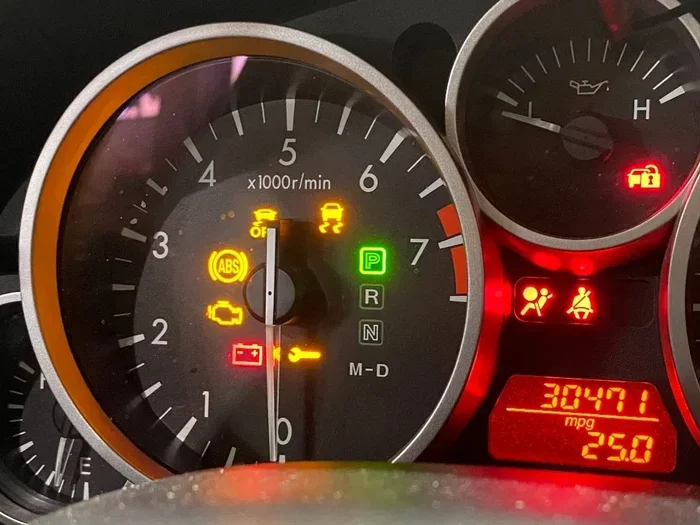
A lit check engine light is your car’s way of saying something needs attention. While it can signal many issues, a tune-up is often the first step in diagnosing the problem. A mechanic can run a diagnostic scan to read the error codes and determine the next steps.
Sluggish Acceleration
If your car feels slow to respond when you press the gas pedal, the engine may not be getting the right air-fuel mixture. Cleaning the throttle body or replacing the PCV valve during a tune-up can often fix this issue.
How to Save Money on a Tune-Up
A tune-up is a necessary expense, but that does not mean you have to overpay. Here are practical tips to keep your tune-up service cost as low as possible.
Get Multiple Quotes
Do not just go to the first shop you find. Get at least three car repair estimates from different mechanics or dealerships. Prices can vary by $100 or more for the same service. Independent shops often charge less than dealerships, but make sure they are reputable and certified.
Ask for an Itemized Quote
Always request a detailed tune-up cost breakdown. This shows you exactly what you are paying for — parts, labor, and any additional fees. An itemized quote helps you avoid paying for services you do not need.
Do What You Can Yourself
Replacing an air filter or spark plugs is straightforward for most car owners. A DIY tune-up on the simple tasks can save you $50 to $100 in labor costs. Just make sure you have the right tools and follow your vehicle’s service manual.
Stick to Your Maintenance Schedule
Regular routine car maintenance prevents small issues from becoming big expenses. A tune-up every 30,000 to 60,000 miles keeps your engine healthy and can improve your vehicle maintenance schedule overall. Caught early, minor issues cost a fraction of what they would if ignored.
Look for Coupons and Promotions
Many auto shops offer seasonal promotions or coupons for tune-up services. Check local newspapers, online deal sites, or the shop’s website before booking. Some chains also offer loyalty programs that give you discounts on repeat visits.
How Often Should You Get a Tune-Up?
The answer depends on your vehicle and driving habits. Most manufacturers recommend a tune-up every 30,000 to 60,000 miles. For older vehicles with traditional ignition systems, 30,000 miles is a good rule of thumb. Newer cars with electronic ignition and fuel injection can often go 60,000 to 100,000 miles between services.
Your driving conditions also matter. If you frequently drive in stop-and-go traffic, tow heavy loads, or operate in extreme temperatures, your engine works harder and may need more frequent attention. A good vehicle maintenance schedule accounts for these factors.
As a general guideline, have your car inspected at least once a year even if you have not hit the mileage mark. A yearly inspection catches issues early and keeps your car running smoothly throughout the year.
What Happens If You Skip a Tune-Up?
It is tempting to skip a tune-up when your car seems fine. But ignoring routine maintenance can lead to serious and costly problems down the road.
- Reduced fuel economy: A poorly tuned engine can waste 10 to 20 percent more fuel
- Engine damage: Ignoring misfires can damage your catalytic converter, which costs $1,000 or more to replace
- Breakdowns: Worn ignition components can fail unexpectedly, leaving you stranded
- Higher emissions: A poorly running engine produces more pollutants
- Decreased resale value: A well-maintained vehicle holds its value better
The tune-up cost is small compared to the cost of repairing damage caused by neglect. Staying on top of your routine car maintenance saves you money in the long run and keeps your car reliable.
Frequently Asked Questions
What is included in a standard car tune-up?
A standard tune-up typically includes spark plug replacement, air filter and fuel filter changes, an ignition system inspection, fluid level checks, battery testing, and a visual inspection of belts and hoses. Some shops also include a diagnostic scan as part of the service. The exact items covered depend on your vehicle and the shop you visit.
How much does a basic tune-up cost for a regular car?
For most regular cars, a basic tune-up costs between $150 and $250. This covers the essential services like spark plugs, filters, and a basic inspection. The final price depends on your car model, local labor rates, and any additional parts that need replacement.
Can I do a tune-up myself to save money?
Yes, you can handle some tune-up tasks yourself, like replacing an air filter or spark plugs on a straightforward engine. These DIY tasks save you on labor costs, which make up a large portion of the total bill. However, more complex services like fuel system cleaning or diagnostic work are best left to trained professionals.
How often should I get a tune-up?
Most vehicles benefit from a tune-up every 30,000 to 60,000 miles. Check your owner’s manual for the manufacturer’s recommended schedule. If you drive in harsh conditions or put a lot of miles on your car, you may need tune-ups more frequently.
Does a tune-up really improve fuel economy?
Yes, a proper tune-up can improve fuel economy by 4 to 10 percent. Fresh spark plugs, clean filters, and a well-functioning ignition system help your engine burn fuel more efficiently. Over time, these savings add up at the pump.
What is the difference between a tune-up and a regular oil change?
An oil change replaces your engine oil and filter, which is essential for lubrication. A tune-up focuses on the ignition system, fuel system, and air intake components. Both are important parts of routine car maintenance, but they address different aspects of your vehicle’s health. Most drivers need both on a regular basis.
Final Thoughts on Tune-Up Costs
The average cost of a tune-up is a small price to pay for a car that runs well. Whether you are looking at a basic tune-up for $150 or a full engine tune-up for $500, the investment pays off in better performance, improved fuel economy, and fewer surprise repairs. Understanding the tune-up cost breakdown empowers you to make informed decisions and avoid overpaying.
Remember to watch for the warning signs that your car needs attention, stick to a regular vehicle maintenance schedule, and always get multiple quotes before committing to a service. A little planning goes a long way in keeping your car repair costs under control.
Next time someone asks, “How much is a tune-up?” you will have the answer. More importantly, you will know exactly what that money buys and why it matters for the long-term health of your vehicle. Stay proactive, keep up with maintenance, and your car will reward you with years of reliable service.