Everything You Need to Know About Car Horn Sound Effect
A car horn sound effect is more than just a loud noise. It plays a vital role in road safety, driver communication, and even personalizing your vehicle. Whether you are replacing a worn-out horn or upgrading to a louder, more distinctive sound, understanding your options makes all the difference. This guide covers everything from horn types and installation to legal rules and creative uses.
You have probably heard a car horn sound effect a hundred times without really thinking about it. Maybe it was a quick beep to alert a pedestrian. Maybe it was a long blast during a traffic jam. Either way, that sound is one of the most important safety features on any vehicle. Yet most drivers know very little about how horns work, what types exist, or how to choose the right one.
This guide changes that. Whether you are a car enthusiast, a daily commuter, or someone who just wants to understand vehicle safety better, you will find everything you need right here. We will walk through the different types of car horn sound effects, explain why they matter, and give you practical tips for choosing, installing, and maintaining your horn. By the end, you will be an expert on horn sound effects for vehicles.
Key Takeaways
- Car horn sound effects come in many types: electric, air, musical, and custom options each serve different needs and preferences.
- Volume matters for safety: choosing the right decibel level ensures your horn is effective without being disruptive.
- Installation is straightforward: most car horn replacements can be done at home with basic tools.
- Legal regulations vary by location: always check local laws before upgrading or modifying your horn.
- Maintenance extends horn life: regular checks prevent common issues like weak sound or electrical failure.
- Creative horn sounds add personality: musical and custom horns let drivers express individuality while staying road-safe.
📑 Table of Contents
What Is a Car Horn Sound Effect?
A car horn sound effect is the audio signal produced by a vehicle’s horn system. It is designed to alert other drivers, pedestrians, and cyclists of your presence or to warn them of potential danger. The sound is created by electrical or pneumatic mechanisms inside the horn unit, and it varies widely depending on the type of horn installed.
Most people think of a horn as a simple device. It is just a button on the steering wheel, right? But the reality is more interesting. Inside that button lies a system of diaphragms, electromagnets, or air compressors that work together to produce a specific tone. The horn sound effect you hear depends on the design, power source, and frequency of the horn.
Understanding this basics helps you appreciate why not all horns sound the same. A vehicle horn in a compact sedan sounds very different from the loud car horn on a big truck. Each is engineered for a specific purpose and environment.
How Does a Car Horn Produce Sound?
Most car horns work through one of two methods. Electric horns use an electromagnet to vibrate a metal diaphragm. This vibration creates sound waves that travel through the air. Air horns, on the other hand, use compressed air to push through a diaphragm or reed, producing a deeper, louder tone.
The horn frequency determines the pitch of the sound. Higher frequencies sound sharper and are often used in smaller vehicles. Lower frequencies produce a deeper tone and are common in large trucks and buses. Both have their place on the road.
Types of Car Horn Sound Effects
Not all horn sound effects are created equal. There are several distinct types, each with unique characteristics, advantages, and ideal use cases. Let us break them down so you can find the right fit for your vehicle.
Electric Horns
Electric horns are the most common type found in passenger vehicles today. They are compact, reliable, and relatively affordable. Most cars come standard with an electric horn system that includes two horns tuned to different pitches. This dual-tone setup creates a recognizable sound that is hard to ignore.
These car horns work well for everyday driving. They are loud enough to get attention in city traffic and on suburban roads. The main downside is that they can wear out over time, especially in areas with harsh weather or road salt.
Air Horns
Air horns are the big players of the horn world. They use compressed air to produce a deep, powerful sound that can carry over long distances. You will often find air horns on trucks, trains, and emergency vehicles. Some car enthusiasts also install them on personal vehicles for a more commanding presence on the road.
Air horn sound effects are significantly louder than electric horns. They typically range from 100 to 150 decibels. This makes them excellent for large vehicles that need to be heard over engine noise and road noise. However, they require an air compressor system, which adds complexity to installation.
Musical and Custom Horns
Want your car to stand out? Musical car horns and custom horn sound effects are becoming increasingly popular. These horns can play melodies, animal sounds, or even recorded voice messages. They add a fun, personalized touch to your vehicle while still serving the essential safety function of alerting others.
Custom horns come in many styles. You can find horn sound effect downloads online that let you program your horn to play anything from a classic tune to a funny sound clip. They are especially popular at car shows and among hobbyists who love to express their personality through their ride.
Comparison Table: Horn Types at a Glance
| Horn Type | Typical Volume | Power Source | Best For |
|---|---|---|---|
| Electric Horn | 100-110 dB | Battery/Electrical | Standard passenger cars |
| Air Horn | 110-150 dB | Compressed Air | Trucks, large vehicles |
| Musical Horn | 95-115 dB | Battery/Electrical | Personalization, fun |
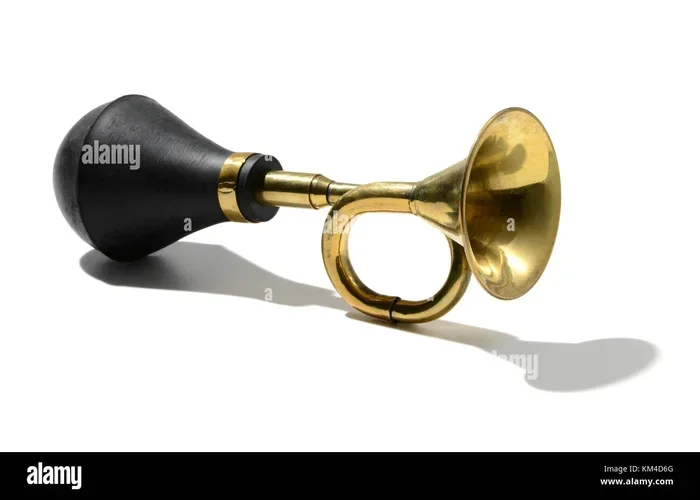
| Retro Clip Horn | 100-105 dB | Battery/Electrical | Classic car restoration |
Why Car Horn Sound Effects Matter
A car horn sound effect is not just a novelty. It is a critical safety tool. The horn serves as a communication device between drivers, helping to prevent accidents and alert others to potential hazards. Without a functioning horn, driving becomes significantly more dangerous.
Safety on the Road
Imagine driving down a busy highway. A car in the next lane drifts into your space. Your first instinct? Hit the horn. That sharp horn sound alerts the other driver to their mistake and can prevent a collision. In emergency situations, a loud, clear horn can save lives.
Traffic safety horn systems are engineered to be heard over engine noise, wind noise, and road noise. This is why volume and frequency matter so much. A weak or muffled horn defeats the purpose entirely. Regular car horn troubleshooting ensures your horn is always ready when you need it most.
Communication Between Drivers
Horns are not just for emergencies. They are a form of non-verbal communication on the road. A quick beep can say “I am here” or “Please go ahead.” A longer blast can signal “Watch out!” Understanding the horn sound effect as a communication tool helps you use it more effectively and respectfully.
Different cultures also interpret horn sounds differently. In some countries, frequent honking is normal and expected. In others, it is considered rude or aggressive. Knowing the local norms helps you use your vehicle horn in a way that communicates clearly without causing frustration.
How to Choose the Right Car Horn Sound Effect
Choosing the right car horn sound effect involves more than picking the loudest option. You need to consider volume, tone, legal restrictions, and your vehicle type. Here is a practical guide to making the best choice.
Volume and Decibel Levels
Volume is measured in decibels (dB). Most standard car horns produce between 100 and 110 dB. Loud car horn options can reach 130 dB or more. But louder is not always better. You want a horn that is loud enough to be heard and effective, but not so loud that it causes hearing damage or startles other drivers unnecessarily.
Quick Tips for Choosing Volume:
- Check local regulations: many areas have maximum dB limits for vehicle horns.
- Consider your vehicle size: larger vehicles can handle louder horns without overwhelming the cabin.
- Test before buying: if possible, listen to the horn in person before purchasing.
- Balance tone and volume: a deep tone carries farther than a high-pitched one.
Legal Considerations
Before you upgrade your car horn sound effect, it is important to understand the legal landscape. Horn laws vary widely by country, state, and even city. In most places, horns are only legal for safety purposes. Using a horn for non-safety reasons, such as expressing frustration, can result in fines.
Some jurisdictions restrict the maximum volume of a vehicle horn. Others ban certain types of horns, like musical horns, on public roads. Always research your local laws before making any changes to your horn installation. This protects you from tickets and keeps you on the right side of vehicle safety regulations.
Matching Horn Type to Vehicle
The right horn depends on your vehicle. A small sedan needs a different horn than a heavy-duty truck. Here are some general guidelines:
- Compact cars: standard electric horns work perfectly. They provide adequate volume without being overpowering.
- SUVs and trucks: consider upgrading to a louder electric horn or a compact air horn system for better coverage.
- Classic cars: retro clip horns or vintage-style car horn replacements maintain the original look and feel.
- Motorcycles: compact electric horns designed for two-wheelers are the best choice.
Installing a Car Horn Sound Effect
Installing a new car horn sound effect is one of the most straightforward automotive projects you can tackle. Most replacements take less than an hour and require only basic tools. Let us walk through the process.
Step-by-Step Installation Guide
Follow these steps to install a new horn on your vehicle:
- Locate the existing horn: it is usually mounted near the front of the vehicle, behind the grille or bumper.
- Disconnect the battery: always start by disconnecting the negative terminal to prevent electrical shorts.
- Remove the old horn: unplug the electrical connector and unbolt the mounting bracket.
- Install the new horn: mount the new horn in the same location, secure it with the bracket, and reconnect the electrical connector.
- Reconnect the battery: reconnect the negative terminal and test the horn by pressing the steering wheel button.
- Adjust if needed: if the sound is weak or muffled, check the wiring connections and horn placement.
Common Mistakes to Avoid
Even simple installations can go wrong if you are not careful. Here are the most common mistakes people make when installing a car horn sound effect:
- Skipping the battery disconnect: this can lead to electrical shorts or blown fuses.
- Using the wrong wiring: always match the new horn’s wiring to your vehicle’s specifications.
- Ignoring the horn relay: a faulty relay can cause a weak sound or no sound at all. Check it if your new horn does not work properly.
- Mounting the horn incorrectly: proper positioning ensures maximum sound projection and prevents vibration damage.
- Overlooking the horn wiring connections: loose or corroded connections are the number one cause of horn failure.
Expert Insight: “When installing a new horn, always take a photo of the original wiring before you disconnect anything. This makes reassembly much easier and helps you avoid mistakes.” – Automotive Specialist
Maintaining Your Car Horn
A car horn sound effect is built to last, but like any vehicle component, it requires some maintenance. Regular checks can extend the life of your horn and prevent unexpected failures. Here is how to keep your horn in top shape.
Start with visual inspections. Look for corrosion on the horn terminals, loose mounting bolts, or damaged wiring. Clean any corrosion with a wire brush and apply dielectric grease to protect the connections. Next, test your horn regularly. A quick honk every time you start the car helps you catch problems early.
Common car horn troubleshooting issues include weak sound, intermittent operation, and complete failure. Weak sound is often caused by a corroded connection or a failing relay. Intermittent operation usually points to a loose wiring connection. Complete failure could mean a blown fuse, a faulty relay, or a dead horn unit.
Quick Maintenance Tips:
- Clean horn contacts every six months to prevent corrosion buildup.
- Check the horn relay during routine vehicle inspections.
- Listen for changes in sound: a hoarse or rattling horn needs attention.
- Keep spare wiring in your glove box for emergency repairs.
Fun and Creative Uses of Car Horn Sound Effects
Beyond safety, car horn sound effects can be a lot of fun. Musical car horns have become a popular way for drivers to express their personality. Whether you want to play a classic tune or surprise your friends with a silly sound, the options are nearly endless.
Many online platforms offer horn sound effect downloads that you can install on programmable horn systems. Some popular choices include classic car tunes, cartoon sounds, and even holiday melodies. Just remember that creative horns should still be used responsibly on public roads.
Car shows and community events are great places to see creative horn sound effects in action. Custom horn setups can become a conversation starter and a way to connect with other car enthusiasts. The key is to balance fun with function and always prioritize safety.
Conclusion
The car horn sound effect is one of the most underrated safety features in any vehicle. From the standard electric horn to custom musical options, there is a horn sound for every driver and every situation. Understanding your choices helps you stay safe, stay legal, and even have a little fun along the way.
Whether you are replacing a failing horn, upgrading to a louder loud car horn, or simply curious about how horn sound effects work, this guide has you covered. Take the time to choose the right horn, install it properly, and maintain it regularly. Your vehicle horn is always working for you. Make sure it is working at its best.
Start today. Check your current horn, explore your options, and find the perfect car horn sound effect for your ride. A good horn is not just a sound. It is a lifeline on the road.
Frequently Asked Questions
What is the standard decibel level for a car horn?
Most standard car horns produce between 100 and 110 decibels. Loud car horn options can go up to 150 dB. The right level depends on your vehicle type and local regulations. Always check your area’s legal limits before upgrading.
Can I install a car horn myself?
Yes, most horn installations are straightforward DIY projects. You will need basic tools like a wrench and a screwdriver. Disconnect the battery first, remove the old horn, mount the new one, and reconnect the wiring. If you are uncomfortable with electrical work, a mechanic can help.
Are musical car horns legal?
It depends on where you live. Many areas allow musical horns as long as they meet volume and tone requirements. Some jurisdictions restrict non-standard horn sounds on public roads. Always check your local vehicle safety regulations before installing a musical horn.
Why does my car horn sound weak?
A weak horn sound effect is often caused by corroded connections, a failing relay, or a blown fuse. Check the wiring and terminals first. If those look good, the horn unit itself may need replacement. Regular car horn troubleshooting catches these issues early.
How often should I replace my car horn?
A well-maintained car horn can last 10 years or more. However, exposure to moisture, road salt, and vibration can shorten its lifespan. If you notice changes in sound quality or intermittent operation, it is time to inspect or replace the unit.
What is the difference between an electric horn and an air horn?
An electric horn uses an electromagnet to vibrate a diaphragm and produce sound. An air horn uses compressed air for a louder, deeper tone. Electric horns are standard in most passenger cars. Air horns are common in trucks and large vehicles that need maximum volume and projection.