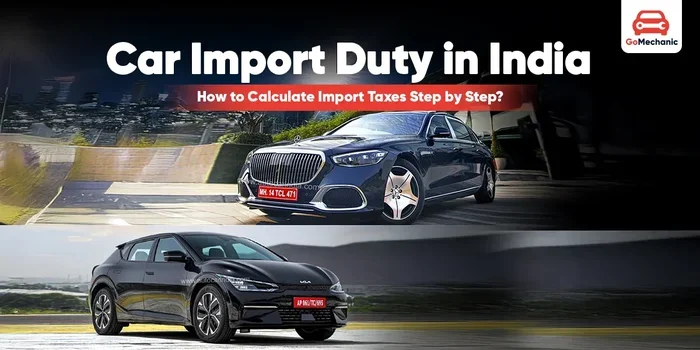
Car Import Duty Calculator India Find Your Exact Cost
Finding the exact cost of importing a car to India can be confusing and overwhelming. Our car import duty calculator India tool simplifies this process by giving you a clear breakdown of all taxes, duties, and fees in seconds. You will learn how customs duty, IGST, and other charges work together to determine your total import cost.
Importing a car to India is not as simple as buying one from a foreign dealership and shipping it to your doorstep. The Indian government applies several layers of taxes and duties on imported vehicles. These charges can add up quickly and significantly increase the total cost of ownership.
This is exactly where a car import duty calculator India becomes your best friend. Whether you are bringing in a luxury vehicle from Germany or a compact car from Japan, knowing your exact costs upfront helps you budget properly. In this guide, we will walk you through everything you need to know about import duties, taxes, and how to calculate the total landed cost of your imported car.
The process might seem intimidating at first. But once you understand the basic structure of how duties are calculated, it becomes much simpler. We will break down each tax component, show you how to use a calculator effectively, and highlight common mistakes that car importers often make. Let us dive right in.
Key Takeaways
- Know Your Exact Cost: A car import duty calculator India gives you a precise estimate of all taxes and fees before you ship your vehicle.
- Customs Duty Is the Biggest Charge: For most cars, customs duty in India ranges from 60% to 150% of the vehicle value.
- IGST Adds Another Layer: Integrated Goods and Services Tax is applied on top of the customs duty amount.
- Vehicle Type Matters: Electric vehicles and hybrid cars often enjoy lower duty rates compared to petrol and diesel cars.
- Avoid Common Mistakes: Using outdated duty rates or ignoring additional fees like port handling charges can lead to budget overruns.
- Check Import Policy First: Not all vehicles can be imported freely. India has specific rules based on engine size and fuel type.
- Plan for RTO Registration: Beyond customs duty, you must pay registration and road tax fees at the regional transport office.
📑 Table of Contents
How Does Car Import Duty Work in India?
When you import a car into India, the government charges you several types of duties and taxes. These are designed to protect domestic manufacturers and generate revenue. Understanding each component is the first step toward mastering the car import duty calculator India process.
The total import cost is made up of multiple layers. Each layer is calculated on a different base amount. This is why the final number can sometimes surprise first-time importers. Let us look at the main components one by one.
Customs Duty on Imported Cars
Customs duty is the first and usually the largest charge. It is a tax levied by the Indian government on goods entering the country. The rate depends on several factors, including the type of vehicle, its engine capacity, and its fuel type.
For most passenger cars, the basic customs duty rate is around 60% to 70%. However, this can go up to 150% for certain luxury vehicles or those that are already sold in the Indian market by domestic manufacturers. The customs duty is calculated on the assessable value of the vehicle, which is typically the cost of the vehicle plus shipping and insurance.
Here are some key points about customs duty:
- Basic Customs Duty (BCD): This is the standard duty rate set by the government. It varies from 60% to 150% depending on the vehicle category.
- Social Welfare Surcharge: An additional 10% is charged on the customs duty amount itself. This is separate from the basic duty.
- Education Cess: A small additional charge of 4% applies on the total of customs duty plus surcharge.
IGST and Other Taxes
After customs duty is applied, the next major charge is the Integrated Goods and Services Tax (IGST). IGST is a federal tax that applies to all inter-state and international transactions in India. For imported cars, the IGST rate is typically 28%.
But here is the important part. IGST is not calculated on the original cost of the vehicle. It is calculated on the value of the vehicle plus the customs duty and other charges already applied. This means the taxes stack on top of each other, which is why the total duty can feel very high.
In addition to IGST, there may be other minor charges such as:
- Port Handling Charges: Fees charged by the port authority for handling and storing your vehicle.
- Shipping and Insurance Costs: The cost of transporting the vehicle from the origin country to India.
- One-Time Registration Fee: A fee paid to the Regional Transport Office (RTO) when you register the imported car.
How the Car Import Duty Calculator India Works
A car import duty calculator India is a tool that helps you estimate the total cost of importing a vehicle before you actually do it. It takes into account all the duty rates, taxes, and additional fees to give you a clear picture of what you will need to pay.
These calculators are available online and many are free to use. They are designed to be simple and user-friendly. You do not need to be a tax expert to use them. You just need to know a few basic details about the vehicle you want to import.
Step-by-Step Guide to Using the Calculator
Using a car import duty calculator India is straightforward. Follow these steps to get an accurate estimate:
- Enter the Vehicle Value: Input the cost of the vehicle in the currency of the country of origin. This is the ex-showroom price or the purchase price.
- Add Shipping and Insurance: Include the cost of international shipping and insurance to get the landed cost of the vehicle.
- Select the Vehicle Type: Choose whether the vehicle is a petrol car, diesel car, electric vehicle, or hybrid.
- Select the Engine Capacity: Enter the engine displacement in cubic centimeters (cc). This affects the customs duty rate.
- Get the Estimate: The calculator will automatically apply the correct duty rates and show you the total import cost.
What Information Do You Need Before You Start?
Before you use any vehicle import duty calculator, make sure you have the following information ready:
- The ex-showroom price of the vehicle in its country of origin.
- The shipping cost from the origin port to the Indian port.
- The insurance cost for the shipment.
- The HS code of the vehicle. This is a standardized code used to classify products for customs purposes.
- The engine capacity and fuel type of the vehicle.
- Whether the vehicle is being imported for personal use or commercial use.
Having all this information ready will save you time and ensure that your estimate is as accurate as possible. A landed cost calculator works best when you feed it precise data.
Breakdown of Import Duties and Taxes
Understanding how each duty and tax is calculated can help you use the car import duty calculator India more effectively. Let us break down each component with a practical example.
Customs Duty Rates by Vehicle Type
The customs duty rate varies depending on the type of vehicle you are importing. Here is a general overview of the duty structure for different vehicle categories in India:
| Vehicle Type | Basic Customs Duty | IGST Rate | Approximate Total Duty |
|---|---|---|---|
| Petrol Car (under 1500cc) | 60% | 28% | ~88% of landed cost |
| Petrol Car (1500cc and above) | 60% | 28% | ~88% of landed cost |
| Diesel Car | 60% to 100% | 28% | ~88% to 128% |
| Electric Vehicle | 40% to 60% | 18% | ~58% to 78% |
| Hybrid Vehicle | 60% | 28% | ~88% of landed cost |
| Two-Wheeler | 50% to 60% | 28% | ~78% to 88% |
Note: These rates are approximate and may vary based on current government notifications and the specific customs notification applicable at the time of import. Always verify the latest rates before making an import decision.
How IGST Is Calculated on Imported Vehicles
IGST is calculated on the value of the vehicle plus the customs duty and social welfare surcharge. This means the tax base is higher than just the original vehicle cost. Here is a simple example to illustrate:
Let us say you are importing a car with a landed cost of 50,00,000 INR. The basic customs duty is 60%, which equals 30,00,000 INR. The social welfare surcharge of 10% on the customs duty adds 3,00,000 INR. The IGST of 28% is then applied on the total of 83,00,000 INR, which equals 23,24,000 INR. As you can see, the total duties and taxes add up quickly.
Quick Tips
- Always use the latest duty rates. Government rates change frequently, and using outdated numbers will give you wrong estimates.
- Factor in all costs. Do not forget shipping, insurance, port charges, and RTO fees when calculating the total import cost.
- Check for exemptions. Diplomatic missions and certain organizations may qualify for duty exemptions under specific rules.
Factors That Affect Your Import Cost
The total cost of importing a car to India depends on several factors. A car import duty calculator India takes all of these into account to give you an accurate estimate. Let us look at the most important factors.
Vehicle Type and Engine Capacity
The type of vehicle you are importing has a direct impact on the duty rates. Electric vehicles enjoy lower duty rates as part of the government’s push toward green mobility. Petrol and diesel cars, especially those with larger engine capacities, attract higher duties.
Here is how engine capacity affects the import duty rates India:
- Under 1500cc: Standard customs duty of 60% applies.
- 1500cc and above: The same 60% customs duty applies, but the vehicle may fall into a higher tax slab for registration purposes.
- Electric Vehicles: Reduced customs duty of around 40% to 60% and lower IGST of 18%.
- Hybrid Vehicles: Typically taxed at the same rate as conventional petrol or diesel cars.
Import Policy and Rules
India has specific import policies that govern who can import vehicles and under what conditions. The import policy for cars is regulated by the Directorate General of Foreign Trade (DGFT) and the Central Board of Indirect Taxes and Customs (CBIC).
Key rules include:
- Personal Vehicle Import: Individuals returning to India after living abroad for at least two years can import one personal vehicle under the open general license category.
- Diplomatic Import Exemption: Diplomats and certain international organizations may be exempt from customs duty under specific agreements.
- Right-Hand Drive vs Left-Hand Drive: India requires left-hand drive vehicles. Right-hand drive vehicles may face additional scrutiny or restrictions.
- Age of the Vehicle: There may be restrictions on the age of the vehicle being imported. Vehicles older than a certain number of years may not be eligible for import.
Shipping and Port Charges
The cost of shipping your vehicle from the origin country to India is another important factor. Shipping costs vary based on the origin port, destination port, and the type of shipping method used. Additionally, port handling charges, customs clearance fees, and warehousing fees at the Indian port all add to the total cost.
A good car import cost breakdown tool will include these costs so you get a complete picture of the total landed cost.
Common Mistakes to Avoid When Using a Car Import Duty Calculator India
Even with a reliable car import duty calculator India, mistakes can happen. Many first-time importers make errors that lead to unexpected costs or delays. Here are the most common mistakes you should avoid.
Mistake 1: Using Outdated Duty Rates. Import duty rates change with each budget and government notification. Using rates from even one year ago can give you a significantly wrong estimate. Always check the latest rates from the CBIC website before calculating.
Mistake 2: Ignoring the Social Welfare Surcharge. Many calculators or DIY estimates forget to include the 10% social welfare surcharge on customs duty. This can lead to underestimating your total cost by a significant amount.
Mistake 3: Forgetting Port and Handling Charges. The cost of getting your vehicle from the ship to the customs clearing area can add up. Port handling charges, customs agent fees, and container detention charges are often overlooked.
Mistake 4: Not Accounting for RTO Registration Costs. Once your vehicle clears customs, you still need to register it at the RTO. This involves registration fees, road tax, and mandatory insurance. These costs can range from 1% to 8% of the vehicle’s value depending on the state.
Mistake 5: Underestimating the Total Landed Cost. Some importers focus only on the customs duty and forget about shipping, insurance, and other logistics costs. A comprehensive landed cost calculator includes all of these in one estimate.
Expert Tips for Importing a Car to India
Importing a car to India is a detailed process that requires careful planning. Here are some expert insights to help you navigate the journey smoothly.
Start with a Detailed Cost Estimate
Before you commit to importing a vehicle, use a reliable car import duty calculator India to get a detailed cost estimate. This will help you understand the full financial commitment and avoid unpleasant surprises at the port. Include every possible cost from shipping to registration.
Choose the Right Shipping Method
There are two main shipping methods for importing cars: container shipping and roll-on/roll-off (RoRo) shipping. Container shipping is more expensive but offers better protection for your vehicle. RoRo shipping is cheaper but may not be available for all vehicle types. Choose based on your budget and the value of the vehicle.
Work with a Licensed Customs Agent
A licensed customs clearing agent can help you navigate the complex import process. They understand the rules, paperwork requirements, and duty structures. While this adds to the cost, it can save you time and prevent costly errors. A good agent will also help you verify the correct HS code for vehicles to ensure you pay the right duty rate.
Keep All Documentation Ready
Importing a car requires extensive documentation. Make sure you have the following ready before shipping:
- Bill of Lading from the shipping line.
- Commercial Invoice from the seller.
- Packing List detailing the contents of the shipment.
- Insurance Certificate for the shipment.
- Original Purchase Invoice or proof of ownership.
- Passport and Visa copies (for personal imports).
Plan for the RTO Process
After customs clearance, you will need to register the vehicle at the RTO. This involves submitting the customs clearance certificate, paying road tax, getting a Pollution Under Control (PUC) certificate, and obtaining vehicle insurance. The entire process can take anywhere from a few days to a few weeks depending on the state and the workload at the RTO.
Expert Insights
Pro Tip: If you are importing a vehicle for the first time, consider hiring a professional car import service provider. They handle the entire process from shipping to registration and can often negotiate better shipping rates. The peace of mind they provide is well worth the cost, especially for high-value vehicles.
Pro Tip: For electric vehicles, check the latest government incentives. India has been reducing import duties on EVs to promote adoption. A hybrid vehicle import duty and electric vehicle import duty calculator will give you the most accurate estimate for these categories.
Conclusion
Importing a car to India involves multiple layers of duties, taxes, and fees. A car import duty calculator India is the single most useful tool you can use to estimate your total cost before you begin the process. It saves you time, money, and the stress of dealing with unexpected charges at the port.
By understanding how customs duty, IGST, social welfare surcharge, and other charges work together, you can make informed decisions. Always use the latest duty rates, factor in all costs including shipping and registration, and consider working with a licensed customs agent for a smoother experience.
Whether you are importing a compact car, a luxury sedan, or an electric vehicle, the key is to plan ahead and calculate accurately. Use the tips and insights from this guide to navigate the car import tax India process with confidence. Your dream car is just a well-planned import away.
Frequently Asked Questions
What is the customs duty rate for importing a car to India?
The basic customs duty rate for most passenger cars imported into India is around 60% to 70% of the assessable value. However, this rate can go up to 150% for certain luxury vehicles or those that are already manufactured domestically. The exact rate depends on the vehicle type, engine capacity, and current government notifications.
Can I import a used car to India?
Yes, but only under specific conditions. Individuals returning to India after living abroad for at least two years can import one used personal vehicle under the open general license. The vehicle must be right-hand drive and must not be older than the age limit set by the government. A car import duty calculator India can help you estimate the total cost for a used vehicle import.
How is IGST calculated on imported cars?
IGST is calculated on the value of the vehicle plus the customs duty and any other charges applied at the customs stage. For most cars, the IGST rate is 28%. Since it is applied on a higher base (vehicle cost plus customs duty), the total tax amount can be quite significant compared to the original vehicle price.
Is there any duty exemption for importing electric vehicles?
Yes, the Indian government has reduced customs duty on electric vehicles to promote green mobility. The basic customs duty on EVs is typically around 40% to 60%, and the IGST rate is lower at 18%. These reduced rates make importing an electric vehicle more affordable compared to conventional petrol or diesel cars.
What additional costs should I budget for besides customs duty?
Beyond customs duty and IGST, you should budget for shipping costs, insurance, port handling charges, customs agent fees, social welfare surcharge, education cess, and RTO registration fees including road tax. A comprehensive landed cost calculator will include all of these in a single estimate.
How long does the car import process take in India?
The entire process from shipping to RTO registration typically takes between 4 to 8 weeks. The customs clearance itself can take 2 to 5 days once the vehicle arrives at the port, but delays can occur if documentation is incomplete or if there are inspection requirements. Working with an experienced customs agent can help speed up the process significantly.