Everything You Need to Know About Car Name Transfer Fee
The car name transfer fee is the official charge for changing the ownership name on your vehicle title. This fee varies by state, typically ranging from $15 to $150, and is required whenever you buy, sell, or gift a vehicle. Understanding this fee helps you avoid delays, legal issues, and unexpected costs during the title transfer process.
Need to transfer a car title to someone new? The car name transfer fee is the cost you pay to officially change the ownership name on your vehicle’s title. Whether you are buying a used car, selling your vehicle, or transferring a title between family members, this fee is a required part of the process. It might seem like a small detail, but skipping or misunderstanding it can lead to big headaches down the road.
In this guide, we will walk you through everything you need to know about the car name transfer fee, including what it costs, how to pay it, and how to avoid common mistakes. Transferring a car title is not just a paperwork formality. It is a legal process that protects both the buyer and the seller. Without proper title transfer, you could still be held responsible for tickets, accidents, or violations tied to the vehicle. That is why understanding the car name transfer fee and the steps involved matters so much. Let us dive into the details and make this process as smooth as possible for you.
Key Takeaways
- The car name transfer fee is mandatory: Every state requires this fee to officially change vehicle ownership.
- Costs vary by location: Fees range from $15 in low-cost states to over $125 in higher-fee states.
- Prepare documents ahead of time: Having your title, bill of sale, and ID ready prevents delays and extra trips.
- Avoid common mistakes: Skipping the transfer, forgetting the bill of sale, and ignoring lien releases are the top errors.
- Family transfers may cost less: Some states offer reduced fees for transfers between immediate family members.
- Pay promptly and keep receipts: This protects both buyer and seller from future liability.
📑 Table of Contents
- What Is a Car Name Transfer Fee?
- How Much Does a Car Name Transfer Fee Cost?
- Step-by-Step Process to Transfer a Car Title
- Common Mistakes to Avoid When Transferring a Car Title
- Car Name Transfer Fee by State
- Quick Tips to Reduce Your Car Name Transfer Fee
- Frequently Asked Questions About Car Name Transfer Fees
- Conclusion
What Is a Car Name Transfer Fee?
The car name transfer fee is the government-imposed charge for changing the legal owner of a vehicle. This fee goes to your local Department of Motor Vehicles (DMV) or equivalent agency. It covers the administrative cost of updating records, issuing a new title, and processing the ownership change. People often confuse this fee with other car-related costs. The car name transfer fee is not the same as sales tax, registration fees, or lien release fees. Each of these is a separate charge. The transfer fee specifically pays for the act of changing the name on the title document.
Why Does the Fee Exist?
Every state requires vehicle ownership to be tracked accurately. The car name transfer fee helps fund the systems that keep these records up to date. Without it, states would struggle to maintain clear ownership databases. This matters for tax purposes, law enforcement, and consumer protection. Think of it this way. When you buy a house, there is a fee to update the deed. The car name transfer fee works the same way for vehicles. It ensures the government knows who owns what, and it keeps everything legally airtight.
Another reason this fee exists is to discourage frequent informal transfers. If there were no cost, some people might skip proper channels entirely. The fee creates a paper trail that benefits everyone. It also helps states generate revenue for road maintenance and transportation programs. So the next time you pay the car name transfer fee, remember it serves a broader purpose beyond just updating a document.
How Much Does a Car Name Transfer Fee Cost?
The car name transfer fee varies widely depending on where you live. In most states, you can expect to pay between $15 and $150. Some states charge a flat fee, while others base the cost on the vehicle’s value or age. Here is a general look at what you might pay across different states:
| State | Typical Transfer Fee | Additional Notes |
|---|---|---|
| California | $15 to $20 | Based on vehicle value |
| Texas | $28 to $33 | Includes local county fees |
| Florida | $75 to $100 | Higher due to registration combo |
| New York | $50 | Flat fee for most vehicles |
| Ohio | $15 | Low flat fee |
| Illinois | $95 to $125 | Varies by county |
These numbers are estimates. Always check with your local DMV for the exact car name transfer fee in your area. Fees can change, and some counties add their own surcharges. The table above gives you a solid starting point, but your actual cost may differ based on local regulations.
Factors That Affect the Transfer Fee
Several things can change how much you pay for a car name transfer fee:
- Vehicle age: Older cars sometimes cost less to transfer than newer models.
- Vehicle value: Higher-value vehicles may trigger higher fees in states that use a sliding scale.
- State of residence: Each state sets its own fee structure, so costs vary significantly.
- County or local fees: Some areas add extra charges on top of the base state fee.
- Type of transfer: Family transfers, gift transfers, and sale transfers may have different fee structures.
- Expedited processing: If you need the title fast, expect to pay extra for rush service.
Understanding these factors helps you budget accurately. Do not assume the fee will be the same as what your friend paid in a different state. Always research the car name transfer fee specific to your situation before visiting the DMV.
Step-by-Step Process to Transfer a Car Title
Transferring a car title does not have to be confusing. Follow these steps to make the car name transfer fee part of a smooth process. The key is preparation. When you know what to expect, the entire experience becomes much less stressful.
Step 1: Gather the Required Documents
Before you visit the DMV, make sure you have everything you need. Here is a checklist of common documents required for a vehicle title transfer:
- The current vehicle title (signed by the seller)
- A bill of sale showing the purchase price
- Valid identification for both buyer and seller
- Proof of insurance for the buyer
- A lien release document (if applicable)
Missing any of these can delay the process significantly. Call your local DMV ahead of time to confirm exactly what they need. The car name transfer fee is easier to handle when you are fully prepared. Taking ten minutes to gather documents saves hours of waiting at the DMV.
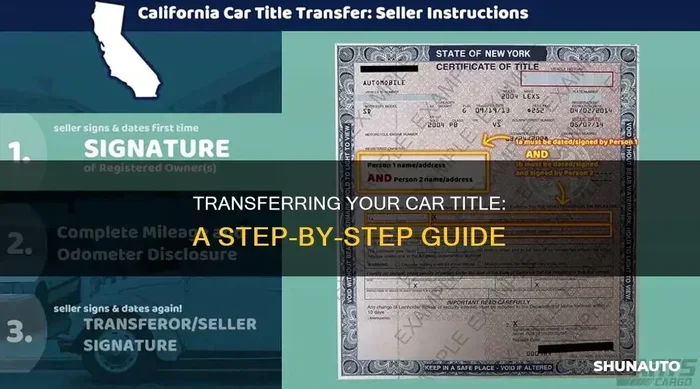
Step 2: Complete the Title Transfer Section
The seller must fill out the transfer section on the back of the title. This includes the date of sale, the odometer reading, and both parties’ signatures. The buyer should also fill in their name and address clearly. Make sure everything is legible. Smudged or incomplete information is one of the top reasons for delays.
Taking a few extra minutes to double-check saves hours at the DMV. If the title has errors, you may need to get a corrected title before proceeding. Some states also require an odometer disclosure statement for vehicles under ten years old. Check your state’s specific requirements for the car name transfer fee process.
Step 3: Pay the Car Name Transfer Fee
When you arrive at the DMV, you will pay the car name transfer fee along with any other applicable charges. Most DMVs accept cash, check, debit card, or credit card. Some offices may not accept credit cards, so bring a backup payment method. Ask for a receipt. This proves you paid the fee and started the transfer process. Keep it safe until you receive your new title in the mail.
Pro tip: Some DMVs have self-service kiosks that accept payment for the car name transfer fee without waiting in line. Check if your local office offers this option. It can save you significant time, especially during busy periods.
Step 4: Register the Vehicle and Get Plates
After paying the car name transfer fee, you will need to register the vehicle in your name. This step often includes paying registration fees and getting new license plates. Some states combine title transfer and registration into one visit, while others require separate trips.
New plates usually arrive by mail within two to four weeks. In the meantime, you may receive a temporary paper permit to drive legally. Make sure you display this permit correctly if you drive before receiving your plates. Driving without any valid documentation can result in fines.
Step 5: Update Your Insurance
Do not forget to update your auto insurance policy. Most states require valid insurance before you can register a vehicle. Contact your insurance company right away to add the newly transferred vehicle to your policy. This step is just as important as paying the car name transfer fee. Without insurance, your registration may be suspended.
Quick Tips: Call your insurance company before you visit the DMV. Having your new policy confirmation in hand speeds up the registration process. Some insurers offer instant digital cards that you can show at the DMV as proof of coverage.
Common Mistakes to Avoid When Transferring a Car Title
Transferring a car title is straightforward, but small errors can cause big problems. Here are the most common mistakes people make with the car name transfer fee and title transfer process:
Skipping the Title Transfer Entirely
Some sellers think they are done once they hand over the keys and the title paper. That is wrong. If the title never gets officially transferred, the seller remains legally responsible for the vehicle. This means they could be liable for parking tickets, traffic violations, or even accidents. Always complete the transfer promptly. The car name transfer fee is a small price to pay for peace of mind and legal protection.
Forgetting the Bill of Sale
A bill of sale proves the transaction took place. Without it, the DMV may reject your transfer application. Always write a clear bill of sale that includes the purchase price, date, and both parties’ information. This document also helps if any disputes arise later about the car name transfer fee or the sale terms.
Using the Wrong Fee Payment Method
Not all DMV offices accept credit cards or checks. Showing up without the right payment method means wasted time. Call ahead or check the DMV website to confirm accepted payment types before your visit. Bringing cash as a backup never hurts, especially if you are unsure about what your local office accepts.
Ignoring Lien Releases
If the vehicle still has an outstanding loan, the lienholder must provide a release document. Without it, the DMV will not process the transfer. Always get the lien release in hand before heading to the DMV. This is one of the most overlooked steps in the car name transfer fee process and causes countless delays.
Expert Insight: According to DMV professionals, the single biggest cause of title transfer delays is incomplete paperwork. Take the time to review every document before you walk into the office. It saves trips, frustration, and extra fees. One DMV clerk shared that about 30% of title transfer applications are sent back for missing information. A few extra minutes of preparation prevents this entirely.
Car Name Transfer Fee by State
Every state handles the car name transfer fee differently. Some charge a flat rate, while others use a sliding scale based on the vehicle’s value. Here is a closer look at how different states approach this fee:
States with Low Transfer Fees
States like Ohio, Kansas, and Iowa keep their car name transfer fee very affordable. Ohio charges just $15 for most transfers. Kansas has a similar low flat fee structure. These low-fee states make it easy for residents to complete the process without breaking the bank. If you live in one of these states, consider yourself lucky. The title transfer process is quick and inexpensive.
States with Higher Transfer Fees
On the other end, states like Florida and Illinois charge higher fees. Florida’s transfer fee can exceed $75 when combined with registration costs. Illinois varies by county but can reach $125 or more. These higher fees often reflect the cost of running larger state DMV systems and more complex registration processes. Residents in these states should budget accordingly when planning a vehicle purchase or sale.
States with Value-Based Fees
A few states base the car name transfer fee on the vehicle’s assessed value. California is a good example. The fee is tied to the purchase price or the DMV’s assessed value, whichever is higher. This means a luxury car transfer costs more than a budget vehicle transfer in these states. If you are buying a high-value vehicle, expect the transfer fee to be proportionally higher.
If you are buying or selling across state lines, check the rules of the state where the vehicle will be registered. The car name transfer fee is based on the registration state, not the state where the sale happens. This is an important distinction that many people overlook.
Quick Tips to Reduce Your Car Name Transfer Fee
You cannot always avoid the car name transfer fee, but you can minimize extra costs and make the process smoother. Here are some practical tips that real car owners swear by:
- Visit the DMV early in the week. Lines are shorter on weekdays, and you avoid weekend rush crowds. Tuesday and Wednesday mornings are often the least busy times.
- Check online for fee schedules. Most state DMV websites list the current car name transfer fee and related costs. Print the page and bring it with you as a reference.
- Complete paperwork at home. Fill out all forms before you arrive. This reduces time spent at the office and lowers the chance of errors that could trigger a return visit.
- Ask about family transfer discounts. Some states reduce the car name transfer fee for transfers between immediate family members. If you are transferring to a spouse, child, or parent, ask about this option.
- Avoid expedited service unless necessary. Rush processing adds significant cost. Standard processing is free and takes just a few weeks. Only pay extra if you have a real deadline.
- Keep copies of everything. Make photocopies of your submitted documents. If anything gets lost, you will have backups ready. This simple habit saves time and stress.
Following these tips does not eliminate the car name transfer fee, but it helps you avoid unnecessary added costs and delays. Preparation is your best friend when dealing with any DMV process.
Frequently Asked Questions About Car Name Transfer Fees
Here are answers to the most common questions people ask about the car name transfer fee and the title transfer process. These answers cover the scenarios that trip up most people.
How long does it take to complete a car title transfer?
Most title transfers are processed within two to four weeks. If you visit the DMV in person and submit all required documents, the car name transfer fee is paid on the spot. The new title will arrive by mail. Expedited services can shorten this timeline but come with extra charges. Plan ahead and do not wait until the last minute if you need the title by a specific date.
Can I transfer a car title online?
Some states offer online title transfer services. Check your state’s DMV website to see if this option is available. Online transfers still require the car name transfer fee, which is typically paid by credit or debit card. Not all vehicle types qualify for online transfer, especially if there is a lien on the title. In-person visits are still the most common method for completing a title transfer.
What happens if I do not transfer the car title?
Failing to transfer the title leaves the seller legally responsible for the vehicle. This means they could be liable for parking tickets, traffic violations, or accidents. The buyer also risks not being able to register or insure the vehicle. Always complete the transfer promptly and pay the car name transfer fee to protect both parties. The few dollars spent on the fee are worth the legal protection it provides.
Is the car name transfer fee the same as sales tax?
No. The car name transfer fee is a separate charge from sales tax. Sales tax is calculated based on the vehicle’s purchase price and goes to the state treasury. The transfer fee covers the administrative cost of updating ownership records. You will pay both, and they are listed as separate line items at the DMV. Do not confuse the two or assume one covers the other.
Do I need a bill of sale to transfer a car title?
Most states require a bill of sale as part of the title transfer process. The bill of sale documents the sale price, date, and buyer-seller information. It supports the car name transfer fee calculation in states where the fee is based on vehicle value. Even if your state does not strictly require one, having a bill of sale is always a smart move. It creates a clear record of the transaction for both parties.
Can the buyer and seller split the car name transfer fee?
This depends on local custom and negotiation. In most cases, the buyer pays the car name transfer fee as part of the total cost of purchasing the vehicle. However, some private sellers and buyers agree to split the fee. There is no universal rule, so discuss this before finalizing the sale. Being clear about who pays what prevents misunderstandings after the transaction is complete.
Conclusion
The car name transfer fee is a small but essential part of any vehicle ownership change. Whether you are buying, selling, or gifting a car, understanding this fee helps you avoid delays, legal issues, and unexpected costs. The process is simpler than most people think, as long as you prepare the right documents and know what to expect.
Remember to check your state’s specific fee structure, gather all paperwork ahead of time, and pay the car name transfer fee promptly. A smooth title transfer protects your investment and keeps you legally covered. Take the steps today to make sure your vehicle ownership is properly updated and your records are in good order. A few minutes of effort now saves you from serious trouble later.