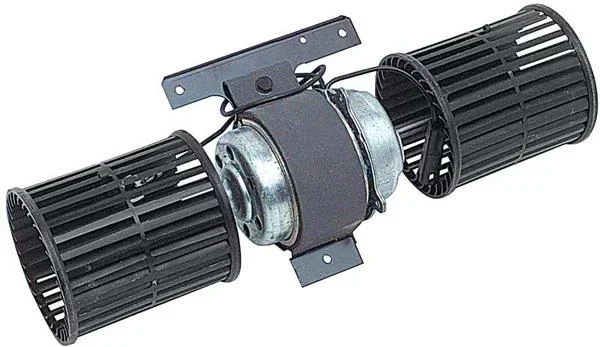
Car Rear AC Blower Not Working Here Is How to Fix It
A car rear AC blower that stops working can make long trips miserable, especially for passengers in the back seat. This guide covers the most common reasons your rear air conditioning blower fails and provides clear, step-by-step fixes you can do yourself. We will walk you through checking the blower motor, resistor, fuse, and more so you can get cool air flowing again fast.
This is a comprehensive guide about car rear ac blower.
Key Takeaways
- Blown Fuse or Bad Relay: A simple fuse or relay issue is often the culprit behind a dead car rear AC blower.
- Worn Blower Motor: The blower motor can wear out over time and need replacement.
- Faulty Blower Resistor: A bad resistor can stop the fan from working at certain speeds or entirely.
- Clogged Cabin Filter: A dirty filter restricts airflow and can cause the rear air conditioning to weaken or stop.
- Wiring and Electrical Issues: Corroded or damaged wiring can interrupt power to the rear climate control system.
- Blend Door Actuator Failure: A broken actuator can block airflow even when the blower motor runs.
- DIY Fixes Save Money: Many of these repairs are simple and can be done at home with basic tools.
[FEATURED_IMAGE_PLACEHOLDER]
Car Rear AC Blower Not Working Here Is How to Fix It
There is nothing worse than a hot summer drive with your family, and the car rear AC blower decides to quit on you. The front seats stay cool, but the back seat turns into a sauna. Kids kick the back of your seat. Everyone gets cranky. You wonder if you should just pull over and call it a day.
The good news is that a rear AC blower not working is one of the most common car AC problems you can fix. In most cases, the cause is simple and the repair is affordable. You do not need to be a mechanic to solve this problem. You just need a little patience and the right guidance.
This guide will walk you through every possible reason your rear air conditioning blower has stopped working. We will cover everything from a blown fuse to a failing motor. You will learn how to diagnose the issue yourself and apply the right fix. By the end, you will have the confidence to tackle this repair and save a trip to the shop.
Let us get your back seat cool again. Here is everything you need to know about fixing a car rear AC blower that has gone silent.
Understanding How the Rear AC Blower Works
Before you start fixing anything, it helps to understand how the rear air conditioning system works. The car rear AC blower is the fan that pushes cooled air through the vents into the back seat area. It is part of the larger HVAC system, which stands for heating, ventilation, and air conditioning.
When you turn on the rear AC, the blower motor spins a fan called the blower wheel. This wheel pulls air from inside the cabin and pushes it through the evaporator core, where it gets cooled. The cooled air then travels through ductwork and exits through the rear vents. Simple, right?
Several components work together to make this happen:
- Blower Motor: The electric motor that powers the fan.
- Blower Resistor: Controls the speed of the fan.
- Blend Door Actuator: Directs airflow between hot and cold settings.
- Cabin Filter: Cleans the air before it enters the cabin.
- Fuse and Relay: Provides electrical power to the system.
- Wiring and Connectors: Carries electrical signals between components.
When any one of these parts fails, your rear climate control stops working properly. The trick is figuring out which part is the problem. That is what the next sections are all about.
Common Reasons Your Car Rear AC Blower Stops Working
A car rear AC blower can stop working for many reasons. Some are easy to fix. Others need a bit more effort. Let us look at the most common causes.
Blown Fuse or Faulty Relay
This is the number one reason a rear AC blower stops working. A blown fuse cuts the electrical connection to the blower motor. Without power, the fan cannot spin. A faulty relay can cause the same problem.
Fuses are cheap and easy to replace. Your car has a fuse box under the hood and usually another one inside the cabin. Check your owner manual to find the exact location of the AC blower fuse. Look for a fuse that is visibly broken or has a dark strip inside.
Here is how to check it:
- Turn off the car and remove the key.
- Locate the fuse box.
- Find the fuse labeled for the rear blower or AC system.
- Pull the fuse out with a fuse puller or small pliers.
- Look through the fuse. If the metal strip inside is broken, the fuse is blown.
- Replace it with a new fuse of the same amperage.
If the new fuse blows again right away, you have a deeper electrical problem. That means you should check the wiring or the motor itself for a short circuit.
Worn Out Blower Motor
The AC blower motor is the workhorse of your rear air conditioning system. It runs every time you turn on the fan. Over time, the motor wears out. The brushes inside get worn, the bearings get dry, and eventually the motor just gives up.
Signs of a failing blower motor include:
- A humming sound but no airflow.
- The fan works on some speeds but not others.
- A burning smell when you turn on the AC.
- The motor makes rattling or grinding noises.
If the motor is completely dead, you will need to replace it. The good news is that rear blower motor replacement is not too expensive. The part usually costs between $50 and $150. Labor is straightforward if you are comfortable working under the dashboard.
Faulty Blower Resistor
The blower resistor controls the different speeds of your fan. When you switch from low to high, the resistor adjusts the amount of power going to the motor. If the resistor fails, the blower might stop working on certain speeds or stop entirely.
A common sign of a bad blower resistor is when the fan only works on its highest speed setting. This happens because the resistor bypasses the resistor circuit on high speed, sending full power directly to the motor. On lower speeds, the resistor controls the flow, and when it fails, those speeds go dead.
Replacing a blower resistor is usually a quick and inexpensive fix. The part costs around $15 to $40. In most cars, you can access it behind the glove box or under the dashboard on the passenger side.
Clogged or Dirty Cabin Air Filter
The cabin air filter catches dust, pollen, and debris before the air enters the cabin. Over time, this filter gets clogged. When it is completely blocked, airflow drops dramatically. Your rear vents may barely push any air out, even though the motor is running.
A clogged cabin filter also puts extra strain on the blower motor. The motor has to work harder to push air through the dirty filter. This can shorten the motor’s lifespan.
Check your cabin filter regularly. Most cars have the filter located behind the glove box or under the dashboard. Replacing it is easy and usually costs between $10 and $30. You should change it every 12,000 to 15,000 miles or at least once a year.
Wiring and Electrical Connection Problems
Sometimes the problem is not a part at all. It is the electrical connections between parts. Over time, wires can corrode, connectors can become loose, and terminals can develop resistance. All of this can interrupt the power supply to your car rear AC blower.
This is especially common in older vehicles or cars that have been exposed to moisture. Road salt, rain, and humidity can cause corrosion on connectors behind the dashboard. A simple visual inspection can often reveal the problem. Look for green or white buildup on connectors, frayed wires, or loose plugs.
If you find corroded connections, clean them with electrical contact cleaner. You can also apply dielectric grease to protect the connections from future corrosion.
Blend Door Actuator Failure
The blend door actuator is a small motor that controls the temperature blend door. This door directs airflow between the hot and cold sides of the HVAC system. When the actuator fails, the door may get stuck in one position.
If the blend door is stuck on the hot side, you will get warm air even with the AC on. The rear AC blower may still spin, but the air coming out will not be cold. This is a common issue in many vehicle models and often requires replacing the actuator.
Signs of a failing blend door actuator include clicking or ticking noises coming from behind the dashboard when you change the temperature setting.
Step-by-Step Troubleshooting Guide
Now that you know the common causes, let us walk through a systematic way to diagnose the problem. Follow these steps in order to save time and avoid unnecessary part replacements.
Step 1: Check if the Blower Motor Runs at All
Turn on the ignition and set the rear AC to the highest fan speed. Put your hand near the rear vents. Do you feel any air at all? If yes, the motor is running and the problem might be with airflow, not the motor itself. If no air comes out, move to the next step.
Also listen carefully. Do you hear a faint humming sound? A humming noise with no airflow often means the motor is trying to turn but something is blocking it. This could be a stuck blend door or a seized bearing in the motor.
Step 2: Check the Fuse
Open your fuse box and locate the fuse for the rear AC blower. Use a fuse tester or visual inspection to check if the fuse is intact. Replace it if it is blown. If the new fuse blows immediately, stop and investigate the wiring for a short circuit.
Step 3: Test the Blower Motor Directly
If the fuse is good, you can test the motor directly. Disconnect the motor connector and apply 12 volts directly to the motor terminals using a battery or power supply. If the motor spins, the motor is good and the problem is upstream. If it does not spin, the motor is dead and needs replacement.
Step 4: Inspect the Blower Resistor
Check the blower resistor for signs of burning or corrosion. Use a multimeter to test for continuity. If the resistor shows no continuity on any speed setting except high, it needs to be replaced.
Step 5: Examine the Wiring and Connectors
Trace the wiring from the fuse box to the blower motor. Look for any signs of damage, disconnection, or corrosion. Make sure all connectors are firmly seated. Repair or replace any damaged wires.
Step 6: Check the Cabin Filter
Remove and inspect the cabin air filter. If it is dark, dirty, or clogged with debris, replace it. This is one of the easiest and cheapest fixes that people often overlook.
Step 7: Test the Blend Door Actuator
Set the temperature to cold and listen behind the dashboard for the actuator. You should hear a small clicking or motor sound as the blend door moves. If you hear nothing, the actuator may be dead. If you hear grinding, the actuator gear may be stripped.
How to Replace the Rear AC Blower Motor
If you have confirmed that the AC blower motor is the problem, replacing it is a manageable DIY job. Here is a general overview of the process.
Tools You Will Need:
- Socket set and wrenches
- Screwdrivers (Phillips and flathead)
- Multimeter
- New blower motor (compatible with your vehicle)
- Safety glasses and gloves
Steps to Replace the Motor:
- Disconnect the negative battery terminal for safety.
- Remove the trim panel or glove box to access the motor. The exact location varies by vehicle model.
- Unplug the electrical connector from the motor.
- Remove the mounting screws or bolts holding the motor in place.
- Carefully pull the old motor out of its housing.
- Compare the old motor to the new one to make sure they match.
- Install the new motor and secure it with the mounting screws.
- Reconnect the electrical connector.
- Reinstall any trim panels you removed.
- Reconnect the battery and test the blower.
Take your time with this job. Do not force any parts. If something does not fit easily, double-check that you have removed all the necessary components. Watching a video specific to your vehicle model can be very helpful.
Preventive Maintenance Tips for Your Rear AC Blower
Once you fix your car rear AC blower, you want to keep it working. Regular maintenance can prevent many common problems before they start.
Here are simple tips to keep your rear air conditioning system in great shape:
- Replace the cabin filter regularly: Every 12,000 to 15,000 miles or once a year.
- Run the AC regularly: Even in winter, run the AC for 10 minutes every few weeks. This keeps the seals lubricated and the system healthy.
- Keep vents clear: Do not block rear vents with cargo or debris. Obstructions reduce airflow and strain the system.
- Check for leaks: If your AC takes a long time to cool, the refrigerant level may be low. Have a mechanic check for leaks.
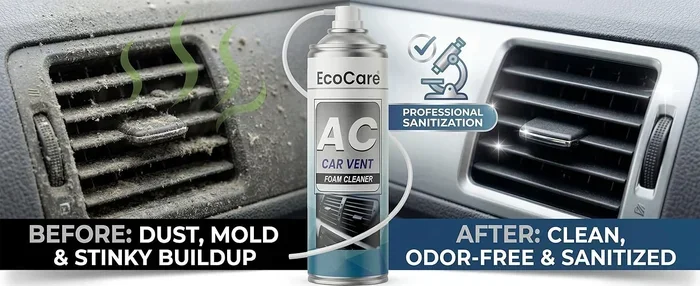
- Clean the evaporator area: Mold and mildew can build up on the evaporator core. Use an AC cleaning spray annually to prevent odors and blockages.
- Listen for unusual sounds: Clicking, grinding, or rattling noises are early warning signs. Address them quickly before they turn into bigger problems.
Taking these simple steps can extend the life of your rear climate control system by years. Prevention is always cheaper than repair.
When to See a Professional Mechanic
Many car rear AC blower issues can be fixed at home. But some problems need a professional touch. Here are situations where you should take your car to a mechanic:
- The AC compressor is not engaging. This requires specialized diagnostic equipment.
- You suspect a refrigerant leak. Recharging the system and finding leaks requires professional tools.
- The evaporator core needs replacement. This involves removing significant dashboard components.
- You have checked all the simple things and the blower still does not work. A mechanic can run advanced electrical diagnostics.
- You are not comfortable working with electrical components or under the dashboard.
There is no shame in asking for help. A qualified mechanic can save you hours of frustration and prevent costly mistakes. Just make sure you get a fair estimate before any work begins.
Cost Breakdown for Common Rear AC Blower Repairs
Wondering what these repairs might cost? Here is a general idea of what you might pay for common car rear AC blower fixes. Prices can vary based on your vehicle make and model and your location.
| Repair | Parts Cost | Labor Cost | Total Estimate |
|---|---|---|---|
| Fuse Replacement | $2 – $5 | $0 (DIY) | $2 – $5 |
| Relay Replacement | $10 – $30 | $30 – $60 | $40 – $90 |
| Cabin Filter Replacement | $10 – $30 | $0 (DIY) | $10 – $30 |
| Blower Resistor | $15 – $40 | $50 – $100 | $65 – $140 |
| Blower Motor Replacement | $50 – $150 | $100 – $250 | $150 – $400 |
| Blend Door Actuator | $50 – $120 | $75 – $200 | $125 – $320 |
| Wiring Repair | $10 – $50 | $80 – $200 | $90 – $250 |
As you can see, most of these repairs are affordable. The car rear AC blower fix that costs the least is a simple fuse replacement. Even the more involved repairs rarely exceed $400. This is much cheaper than paying a shop to diagnose the problem for you.
Key Takeaways
- Start with the simple stuff: Always check the fuse and cabin filter first. These are the easiest and cheapest fixes.
- Test before you replace: Use a multimeter to confirm a part is actually bad before buying a new one.
- The blower resistor is a common culprit: If the fan only works on high speed, the resistor is likely the problem.
- Keep your cabin filter clean: This is the single best thing you can do to maintain good airflow from your rear vents.
- Do not ignore warning signs: Unusual noises, weak airflow, or warm air are signals that something needs attention.
- DIY saves money: Most rear AC blower repairs can be done at home with basic tools and a little patience.
- Know when to call a pro: Complex electrical issues or compressor problems are best left to experienced mechanics.
FAQ: Car Rear AC Blower Not Working
Why does my car rear AC blower work on some speeds but not others?
This is a classic sign of a failing blower resistor. The resistor controls the fan speeds. When it starts to wear out, it usually loses the lower speeds first. The motor still works on high because high speed bypasses the resistor entirely. Replacing the resistor usually solves this problem quickly and affordably.
Can a clogged cabin filter cause the rear AC blower to stop working?
Yes, absolutely. A severely clogged cabin air filter restricts airflow so much that the blower seems non-functional. The motor may still run, but very little air comes out of the vents. Replacing the filter is a five-minute fix that costs under $30. Always check this first before assuming something is broken.
How much does it cost to replace a rear AC blower motor?
The total cost typically ranges from $150 to $400. The part itself costs between $50 and $150. Labor at a shop adds another $100 to $250. If you do the repair yourself, you only pay for the part. Always get a quote from your mechanic before authorizing any work.
Is it safe to drive with a broken rear AC blower?
Yes, it is safe from a mechanical standpoint. A dead car rear AC blower does not affect the drivability of the vehicle. However, it can make long trips uncomfortable, especially in hot weather. If you have children or pets in the back seat, keeping the rear AC working is important for their comfort and safety.
How do I know if my rear AC blower motor is completely dead?
Turn the fan to the highest speed and listen carefully. If you hear absolutely nothing, no humming or clicking, the motor may be dead. You can also test the motor directly by applying 12 volts to it. If it does not spin, the motor needs replacement. Also check the fuse and relay first to rule out simple electrical issues.
Can low refrigerant cause the rear AC blower to stop working?
Low refrigerant does not directly stop the blower from spinning. However, in some vehicles, the AC compressor will not engage if the refrigerant level is too low. This means the air coming through the vents will not be cold, even though the blower is running. If your rear air feels warm, a refrigerant recharge may be all you need.
Conclusion
A car rear AC blower that stops working is frustrating, but it is almost always fixable. Whether the cause is a simple blown fuse, a clogged cabin filter, or a worn-out blower motor, you now have the knowledge to tackle the problem head-on. Start with the basics. Check the fuse, inspect the cabin filter, and test the blower resistor before moving on to more complex repairs.
Most of these fixes are inexpensive and can be done in your garage with basic tools. Even if you are not a DIY expert, understanding the problem helps you have a better conversation with your mechanic. You will know what parts are actually needed and what you are being charged for.
Do not let a broken rear air conditioning blower ruin your summer driving. Take action today. Follow the steps in this guide, get your back seat cool again, and enjoy the ride. Your family will thank you for it.
Frequently Asked Questions
What is car rear ac blower?
car rear ac blower is an important topic with many practical applications.