Do All Cars Have a Fuel Cut-Off Switch – Quick Answer
Not all cars have a fuel cut-off switch, but many modern vehicles include one as a critical safety feature. Also known as an inertia switch or emergency fuel shutoff, this component stops fuel flow during a collision or sudden impact. Understanding your car’s fuel system helps you stay safe and handle emergencies with confidence. This guide covers everything from fuel system safety to DIY diagnostics and maintenance tips.
Have you ever wondered whether your car has a hidden safety device that can cut fuel flow in a crash? The answer might surprise you. Not all cars have a fuel cut-off switch, but many do, and knowing about it could save your life one day. Whether you drive a brand-new sedan or a classic pickup, understanding your vehicle’s fuel system is essential.
This article breaks down everything you need to know about fuel cut-off switches. We will cover what they are, how they work, where to find them, and why some cars do not have one. You will also learn practical tips for checking your own fuel system and keeping your vehicle safe on the road.
Let us dive in and explore the world of automotive fuel safety together.
Key Takeaways
- Not all cars have a fuel cut-off switch: older and some budget models may lack this feature entirely.
- Location varies by vehicle: the switch is typically found behind the kick panel, in the trunk, or under the dashboard.
- It protects against fuel leaks: the switch shuts off fuel delivery after a sudden impact or rollover.
- Resetting is usually simple: most switches have a red button that pops out when triggered.
- Hybrid vehicles add complexity: hybrid fuel systems may include additional shutoff mechanisms.
- You can do basic checks yourself: DIY diagnostics can help you test if your switch is working.
- Know your vehicle: always consult your owner’s manual for specific details about your car’s fuel safety features.
📑 Table of Contents
- What Is a Fuel Cut-Off Switch?
- Do All Cars Have a Fuel Cut-Off Switch?
- Where Is the Fuel Cut-Off Switch Located?
- Why Is the Fuel Cut-Off Switch Important?
- Fuel Cut-Off Switches in Different Vehicle Types
- Common Problems with Fuel Cut-Off Switches
- How to Test Your Fuel Cut-Off Switch
- Quick Tips for Fuel System Safety
- Expert Insights on Fuel System Safety
- Common Mistakes People Make with Fuel Cut-Off Switches
- Final Thoughts
What Is a Fuel Cut-Off Switch?
A fuel cut-off switch is a safety device that stops fuel from reaching the engine. It is also called an inertia switch, a rollover valve, or an emergency fuel shutoff. When a vehicle experiences a sudden impact, the switch triggers and cuts the fuel supply. This prevents fuel leaks, fires, and explosions after a crash.
Most fuel cut-off switches work using a small ball or magnetic mechanism inside. During normal driving, the ball stays in place and fuel flows freely. But when a sudden jolt or impact occurs, the ball shifts and blocks the fuel line. The engine then stalls, and no more fuel reaches the combustion chamber.
These switches are a key part of vehicle safety features. They are especially important in cars that carry passengers daily. Many manufacturers include them as standard equipment, but not all do.
How Does the Switch Work Mechanically?
The mechanical design is simple but effective. Inside the switch housing, there is a spring-loaded mechanism or a small steel ball. When the car undergoes rapid deceleration or a sharp impact, the ball or mechanism moves to a closed position. This blocks the fuel passage entirely.
Some switches use a magnetic reed instead of a ball. When the magnetic field changes due to sudden movement, the reed closes the circuit and stops the fuel pump. The fuel pump relay also loses power, which adds an extra layer of protection.
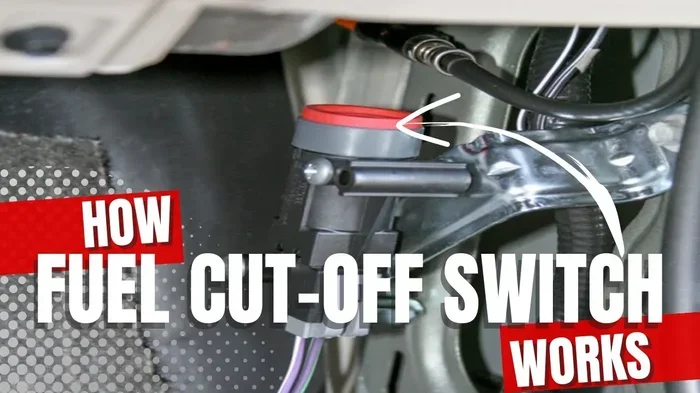
After the switch trips, you need to manually reset it. Most switches have a small red button on top that pops out when triggered. Pressing it back in restores fuel flow. It is a quick and easy process that anyone can do.
Do All Cars Have a Fuel Cut-Off Switch?
The short answer is no. Not all cars have a fuel cut-off switch. The presence of this safety feature depends on several factors, including the vehicle’s age, the manufacturer, the model year, and the market where it was sold.
Older cars from the 1960s and 1970s generally did not include fuel cut-off switches. At that time, automotive safety standards were much less strict. Manufacturers focused more on performance and style than on crash protection. If you own a vintage or classic car, there is a good chance it does not have one.
Modern cars sold in the United States, Europe, and other regulated markets almost always include a fuel cut-off switch or an equivalent safety mechanism. Government regulations have made these devices mandatory in many regions. However, some budget models or older used cars may still lack this feature.
Factors That Determine Whether a Car Has One
Several factors play a role in whether your car includes a fuel cut-off switch:
- Vehicle age: cars manufactured before the 1980s are less likely to have one.
- Manufacturer standards: brands like Ford, Chevrolet, and Toyota typically include them in most models.
- Market regulations: vehicles sold in countries with strict safety laws almost always have a switch.
- Vehicle type: SUVs and trucks may have additional safety features due to their higher rollover risk.
- Price segment: luxury and mid-range cars are more likely to include advanced safety components.
What Happens If Your Car Does Not Have One?
If your car lacks a fuel cut-off switch, you are not completely unprotected. Many vehicles use a fuel pump relay that can be triggered by the crash sensor system. In some cases, the fuel pump itself stops working after a collision due to electrical system shutdown.
However, these alternatives are not as reliable as a dedicated fuel cut-off switch. A relay or electrical shutdown may not always prevent fuel from reaching the engine in every crash scenario. This is why adding an aftermarket fuel shutoff valve can be a smart upgrade for older vehicles.
If you are unsure whether your car has one, checking is easy. Look behind the kick panel on the driver’s side, inside the trunk near the spare tire, or under the dashboard. If you find a small rectangular or circular device with a red button, you have found your fuel cut-off switch.
Where Is the Fuel Cut-Off Switch Located?
The location of the fuel cut-off switch varies by vehicle make and model. Manufacturers place the switch in a spot that is easy to access but protected from everyday bumps. Here are the most common locations you should check.
Behind the Driver’s Kick Panel
In many Ford and Chrysler vehicles, the switch sits behind the lower dashboard on the driver’s side. You may need to remove a small plastic cover or panel to access it. This location keeps the switch safe from minor impacts while remaining easy to reach in an emergency.
Inside the Trunk or Cargo Area
Some vehicles, especially those from the 1990s and early 2000s, place the switch in the trunk. Look near the spare tire or along the inner trunk wall. In SUVs and hatchbacks, the switch is often hidden behind a trim panel in the cargo area.
Under the Dashboard
A few models place the switch under the dashboard near the steering column. This spot is common in older General Motors vehicles. You may need to feel around with your hand to locate a small device with a raised button.
Near the Fuel Tank
In some trucks and larger vehicles, the switch is mounted near the fuel tank, usually along the frame rail underneath the car. This location is less common but still used by certain manufacturers.
Why Is the Fuel Cut-Off Switch Important?
The fuel cut-off switch is one of the most important safety features in your vehicle. It serves several critical purposes that protect both you and your passengers.
Preventing Fuel Leaks After a Collision
The biggest danger after a car crash is not the impact itself but what comes next. A ruptured fuel line can spray gasoline all over the car and the road. This creates a serious fire hazard. The fuel cut-off switch stops fuel flow immediately, reducing the risk of a post-crash fire.
Protecting Against Rollover Accidents
SUVs and tall vehicles have a higher risk of rollover. During a rollover, the fuel tank can be damaged, leading to a catastrophic fuel leak. The rollover valve or inertia switch cuts fuel delivery before this can happen. This is why many SUV manufacturers place extra emphasis on fuel system safety.
Adding Peace of Mind for Daily Driving
Even if you never get into an accident, knowing your car has a fuel cut-off switch gives you peace of mind. It is one of those features you hope you never need but are grateful to have when the moment comes.
How the Switch Relates to Fuel System Maintenance
Regular fuel system maintenance includes checking that all safety components work properly. A faulty fuel cut-off switch can cause your car to stall unexpectedly or fail to start after a minor bump. If your car suddenly dies and will not restart, a tripped switch could be the culprit.
You can easily check the switch by looking for the red button. If it is popped out, press it firmly back in. Then try starting the car again. If it starts, the switch was the problem. If it does not start, there may be another issue, and you should investigate further.
For those who enjoy hands-on car care, doing your own car diagnostics can help you identify fuel system issues quickly and save money on mechanic visits.
Fuel Cut-Off Switches in Different Vehicle Types
Different types of vehicles handle fuel shutoff in different ways. Let us explore how various vehicle categories approach fuel system safety.
Sedans and Compact Cars
Most modern sedans and compact cars include a fuel cut-off switch. These vehicles are designed with daily commuting and family safety in mind. The switch is usually located behind the kick panel or under the dashboard for easy access.
SUVs and Trucks
SUVs and trucks often have additional fuel safety features. Because of their higher center of gravity, rollover risk is greater. Many SUVs include both a fuel cut-off switch and a rollover sensor that triggers automatically. If you are shopping for a new SUV, check 7-seater options under 25 lakhs that come equipped with modern safety features.
Hybrid and Electric Vehicles
Hybrid vehicles add another layer of complexity to fuel system safety. Hybrid cars use both an electric motor and a combustion engine, which means they have both an electric fuel pump and a traditional fuel system. The fuel cut-off switch in a hybrid vehicle must account for both systems. In some hybrids, the high-voltage system also shuts down automatically after a collision, adding extra protection.
Understanding how hybrid systems interact with traditional fuel components can be complex. If you want to learn more about how hybrids manage fuel delivery, check out our guide on when a hybrid switches to gas.
Classic and Vintage Cars
Classic cars from before the 1980s often lack a fuel cut-off switch entirely. Owners of vintage vehicles should consider installing an aftermarket switch. These are relatively inexpensive and can be added to any car with a fuel line. It is one of the best safety upgrades you can make for an older vehicle.
Common Problems with Fuel Cut-Off Switches
Like any car component, fuel cut-off switches can develop problems over time. Being aware of these issues helps you catch them early and avoid bigger headaches.
Switch Trips Without Reason
Sometimes a fuel cut-off switch trips even when there has been no accident. A large pothole, a sharp bump, or even vigorous off-road driving can trigger the switch. If your car stalls and will not start, check the switch first. Press the red button to reset it and try starting again.
Switch Fails to Reset
In rare cases, the switch may not reset even after pressing the button. This could indicate a damaged mechanism or a problem with the fuel pump relay. If resetting does not work, you may need to replace the switch entirely.
Corrosion and Rust
Cars driven in wet or salty climates are prone to corrosion. The fuel cut-off switch can develop rust on its contacts, causing it to malfunction. If you live near the coast or drive through salted roads in winter, inspect the switch periodically for signs of corrosion.
Wiring Issues
The switch relies on electrical connections to communicate with the fuel pump relay. Over time, wires can become loose, corroded, or damaged. A faulty connection can prevent the switch from working properly, even when it has not tripped.
How to Test Your Fuel Cut-Off Switch
Testing your fuel cut-off switch is straightforward and does not require professional tools. Here is a simple step-by-step process you can follow at home.
- Locate the switch: Check behind the kick panel, in the trunk, or under the dashboard. Refer to your owner’s manual for the exact location.
- Inspect the button: Look at the red button on top of the switch. If it is popped out, the switch has been triggered.
- Reset the switch: Press the button firmly back into its normal position.
- Turn the ignition: Start the car and listen for the fuel pump priming sound. You should hear a brief hum from the rear of the car when you turn the key to the ON position.
- Check for fuel flow: Have someone turn the key to the ON position while you listen near the fuel tank. You should hear the fuel pump running for a few seconds.
- Take a test drive: Drive the car for a few minutes and make sure it runs smoothly without stalling.
If your car still does not start after resetting the switch, the problem may lie elsewhere. The fuel pump, fuel filter, or fuel pressure regulator could be at fault. At this point, it is wise to consult a professional mechanic or try DIY diagnostics to narrow down the issue.
Quick Tips for Fuel System Safety
Keeping your fuel system in good shape goes beyond just the cut-off switch. Here are some quick tips to improve overall fuel system safety.
- Inspect fuel lines regularly: Look for cracks, leaks, or signs of wear along the fuel lines under your car.
- Replace the fuel filter on schedule: A clogged filter can reduce fuel pressure and cause engine problems.
- Keep your fuel tank at least half full: This reduces condensation and keeps the fuel pump cool.
- Avoid running on empty: Driving with a near-empty tank can damage the fuel pump over time.
- Check the fuel cap seal: A loose or damaged fuel cap can cause fuel vapor leaks and trigger the check engine light.
- Know your owner’s manual: every vehicle is different. The manual contains specific information about your fuel system and safety features.
Expert Insights on Fuel System Safety
Automotive safety experts agree that the fuel cut-off switch is one of the most underrated safety features in modern cars. Many drivers go their entire lives without ever thinking about it, yet it plays a vital role in crash protection.
According to the National Highway Traffic Safety Administration (NHTSA), post-crash fires are a leading cause of fatalities in accidents that would otherwise be survivable. The fuel cut-off switch directly addresses this risk by stopping fuel flow immediately after an impact.
Mechanics also recommend that car owners familiarize themselves with the location of their fuel cut-off switch. In an emergency, you do not want to be searching for it while your car is leaking fuel. Make it a habit to know where it is before you need it.
If you own a vehicle that does not have a fuel cut-off switch, consider having one installed by a qualified mechanic. The cost is relatively low, and the safety benefit is enormous. It is a small investment that can make a big difference.
Common Mistakes People Make with Fuel Cut-Off Switches
Avoid these common mistakes to keep your fuel system working properly and your family safe.
- Ignoring a tripped switch: If your car stalls and the red button is popped out, do not just keep pressing it without investigating why it tripped in the first place.
- Assuming all cars have one: Not every vehicle includes a fuel cut-off switch. Always check your specific make and model.
- Forgetting to reset after a minor bump: A large speed bump or pothole can trip the switch. Always check if it has been triggered after rough driving.
- Neglecting fuel system maintenance: The switch is only one part of a larger fuel system. Regular maintenance of the entire system keeps your car running safely.
- Not consulting the owner’s manual: Every vehicle has unique fuel system components. The manual is your best resource for understanding your specific car.
Final Thoughts
The question of whether all cars have a fuel cut-off switch has a nuanced answer. While most modern vehicles include this important safety feature, older cars, certain budget models, and some classic vehicles may not. Understanding what your car has and how it works empowers you as a driver and a car owner.
Whether you are a seasoned mechanic or a casual driver, taking a few minutes to locate and understand your fuel cut-off switch is time well spent. It is a small component that can make a life-saving difference in the event of a collision. Combine this knowledge with regular fuel system maintenance and vehicle safety checks, and you will be well prepared for the road ahead.
Stay safe, stay informed, and never underestimate the importance of your car’s safety features. Your fuel cut-off switch may be small, but its role in protecting you and your loved ones is enormous.
Frequently Asked Questions
Can I drive my car if the fuel cut-off switch has tripped?
No, you should not drive the car until you have reset the switch and confirmed that fuel flow has been restored. Press the red button to reset it, then try starting the engine. If the car starts and runs normally, it is safe to drive. If it does not start, there may be another issue that needs attention.
How much does it cost to replace a fuel cut-off switch?
Replacement costs typically range from $50 to $200, depending on your vehicle make and model. The switch itself is relatively inexpensive, but labor costs can vary. Many mechanics can replace it in under an hour, making it a quick and affordable repair.
Can a faulty fuel cut-off switch cause my car to stall?
Yes, a faulty switch can trip randomly and cause your engine to stall without warning. If your car stalls frequently and the switch button is popped out, the switch may need to be replaced. A simple reset test can help you determine if the switch is the problem.
Do hybrid cars have a separate fuel cut-off switch?
Hybrid cars generally have a fuel cut-off switch similar to traditional vehicles, but they also include additional safety systems. The high-voltage electric system may shut down automatically after a collision. For more details on how hybrid fuel systems work, check our article on are hybrid cars good for long distance driving.
Where is the fuel cut-off switch on a Ford vehicle?
In most Ford vehicles, the fuel cut-off switch is located behind the driver’s side kick panel, just below the dashboard. It is usually a small rectangular device with a red reset button. If you cannot find it there, check the trunk area near the spare tire. Always consult your specific Ford owner’s manual for exact location details.
Can I install a fuel cut-off switch on an older car that does not have one?
Yes, you can install an aftermarket fuel cut-off switch on almost any vehicle. The process involves tapping into the fuel line and wiring the switch into the fuel pump circuit. It is a moderately difficult DIY project, but a qualified mechanic can do it quickly and affordably. It is one of the best safety upgrades for older vehicles that lack this feature.