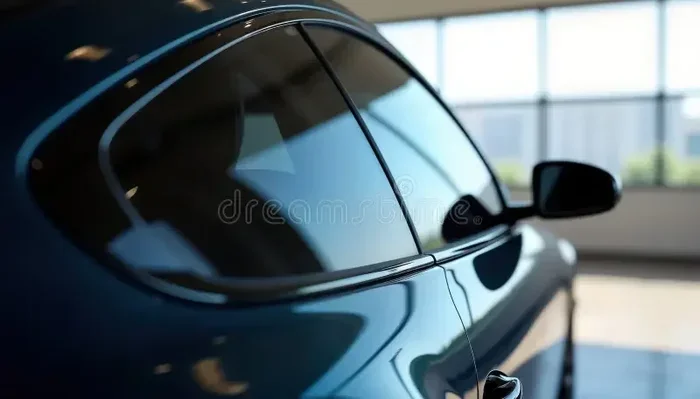
Do Window Tints Go on the Inside or Outside of Your Car
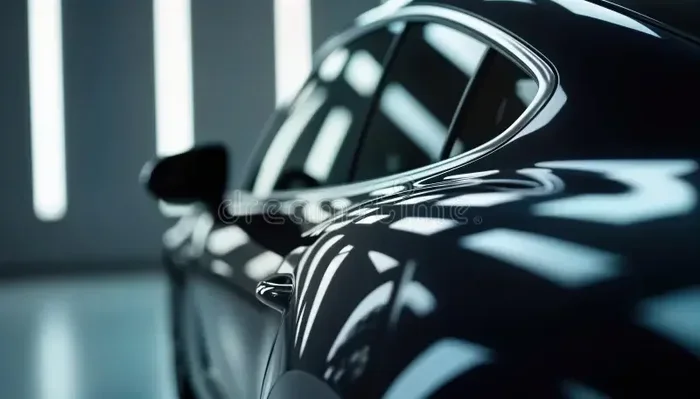
Window tints go on the inside of your car in almost every case. The film is applied to the interior side of the glass to protect it from weather damage and ensure durability. Outside placement leads to peeling, bubbling, and quick wear. Understanding this basic fact helps you make smarter decisions about your car’s tint and keeps your ride looking great for years.
Have you ever wondered do window tints go on the inside or outside of your car? This is one of those questions that seems simple but trips up a lot of car owners. Whether you are thinking about tinting your windows for the first time or just curious about how it works, getting the placement right matters a lot. The wrong side means wasted money, ugly bubbles, and a short lifespan for your tint. In this guide, we will walk you through everything you need to know about car window tinting placement, why it matters, and how to get the best results for your vehicle.
Tinting your car windows is one of the most popular car care tips out there. It blocks harmful UV rays, reduces glare, keeps your car cooler, and adds a sleek look. But none of that matters if the tint is on the wrong side of the glass. Let us break down the facts so you never have to guess again.
Key Takeaways
- Inside Placement Is Standard: Nearly all car window tints are applied to the interior side of the glass for protection and longevity.
- Outside Tinting Fails Fast: Exposure to rain, sun, and debris causes outside tints to peel, bubble, and degrade quickly.
- Adhesive Matters: The sticky side of tint film faces the glass during installation, ensuring a clean and bubble-free finish.
- Professional vs DIY: Professional installers follow strict inside-placement protocols that DIY kits often miss.
- UV Protection Works Best Indoors: Interior placement shields the film from external elements, maximizing UV rejection and heat control.
- Know Your Local Laws: Every state and country has different tint darkness rules you must follow.
📑 Table of Contents
- Why Window Tint Placement Matters
- Inside vs Outside: Where Tints Actually Go
- Types of Window Tint Films and How They Are Applied
- Benefits of Proper Inside Tint Installation
- Common Mistakes to Avoid During Tint Installation
- DIY vs Professional Tint Installation
- Expert Insights on Window Tint Placement
- How to Maintain Your Inside Tint for Long-Lasting Results
- Final Thoughts
Why Window Tint Placement Matters
Where you place your window tint has a huge impact on how well it works and how long it lasts. The window tint film is designed to face a specific direction during installation. Put it on the wrong side, and you invite a whole list of problems. Let us look at why placement is so important and what can go wrong if you get it wrong.
The Science Behind Tint Installation
Window tint film has a special adhesive backing that bonds to glass. This adhesive is engineered to stick to the smooth interior surface of your car windows. The outer side of the glass faces the open air, rain, dust, and UV radiation. The inner side is protected and smoother, making it the ideal surface for tint adhesion.
When you apply tint to the inside, the adhesive bonds directly with the glass. This creates a strong, clean seal. The film stays flat, clear, and effective for years. The outer layer of the tint also faces inward, where it is shielded from the elements. This simple design choice is what makes tinted windows so durable and effective.
What Happens When Tint Goes on the Outside
Putting tint on the outside of your car windows is a recipe for disaster. The outer surface of glass is exposed to wind, rain, dirt, and UV rays every single day. Here is what happens when tint is placed on the wrong side:
- Peeling: The adhesive weakens fast when exposed to moisture and temperature changes.
- Bubbling: Air and water get trapped under the film, causing unsightly bubbles.
- Fading: UV rays break down the tint film from the outside, causing it to discolor.
- Scratches: Road debris, wipers, and dirt scratch the outer surface of the tint.
- Short Lifespan: Outside tints may last only a few weeks instead of several years.
These problems are completely avoidable. Simply placing the tint on the inside of the glass solves all of them. This is why every professional installer and every quality tint kit follows the inside placement rule.
Inside vs Outside: Where Tints Actually Go
Let us get this straight once and for all. Window tints go on the inside of your car. Period. The film is applied to the interior surface of the window glass. But why is this the standard, and are there any exceptions? Let us explore the details.
How Inside Tinting Works
Inside tinting is the industry standard for a reason. Here is how the process works step by step:
- The installer cleans the interior surface of the glass thoroughly.
- The tint film is cut to match the exact shape of the window.
- A solution of water and slip agent is sprayed on the glass.
- The film is placed onto the wet glass with the adhesive side facing inward.
- Excess water and air are squeegeed out.
- The film is trimmed and allowed to cure.
This process ensures a smooth, bubble-free finish that bonds strongly with the glass. The adhesive backing of the film is specifically designed for interior glass surfaces. It creates a permanent bond that can last five to ten years with proper care.
How Outside Tinting Works (And Why You Should Avoid It)
Outside tinting is sometimes used for commercial vehicles, buses, or specialty applications. But for regular passenger cars, it is not recommended. The film is applied to the exterior surface of the glass and left exposed to the elements. Over time, the tint degrades rapidly. It fades, peels, and collects dirt that is nearly impossible to clean off.
Some people try outside tinting as a quick fix or a temporary solution. But it never looks as good and never lasts as long. If you want your window film to perform well and look great, inside placement is the only way to go.
Comparison Table: Inside vs Outside Tinting
| Feature | Inside Tinting | Outside Tinting |
|---|---|---|
| Durability | 5-10 years | Weeks to months |
| UV Protection | Excellent | Poor (degrades fast) |
| Heat Rejection | High | Low over time |
| Bubble Formation | Rare | Common |
| Peeling Risk | Very low | Very high |
| Aesthetic Quality | Clean and smooth | Uneven and dull |
| Cost Effectiveness | High value long term | Low value short term |
As you can see from the table, inside tinting wins in every category. The slight extra effort of proper inside installation pays off massively over time.
Types of Window Tint Films and How They Are Applied
Not all window tint films are the same. Different types serve different purposes, but they all follow the same inside placement rule. Let us look at the most common types and how each one is installed.
Dyed Window Tint
Dyed tint is the most basic and affordable option. It uses a layer of dyed film to absorb heat and reduce glare. The film is applied to the inside of the glass with the adhesive side facing the window. Dyed tint provides good glare reduction and a dark, stylish look. However, it may fade over time if exposed to harsh conditions from the outside.
Metallic Window Tint
Metallic tint contains tiny metallic particles that reflect heat and UV rays. This type of heat rejection film is very effective at keeping your car cool. It is also applied to the interior side of the glass. The metallic layer faces inward, protecting it from external damage. This is one of the most popular choices among car enthusiasts who want both performance and style.
Ceramic Window Tint
Ceramic tint is the premium option. It uses nano-ceramic particles to block heat without interfering with electronic signals. This means your GPS, phone connectivity, and radio work without any disruption. Ceramic film is applied inside just like all other tints. It offers the best UV protection and the longest lifespan of any tint type.
Carbon Window Tint
Carbon tint has a matte black finish that looks sleek and modern. It blocks a significant amount of heat and UV rays. The carbon layer is applied to the interior surface of the glass. This type of tint does not fade over time, making it a durable and attractive choice for any vehicle.
Benefits of Proper Inside Tint Installation
Getting your tint installed on the inside of your windows comes with a long list of benefits. Here are the main advantages you can expect:
- Longer Lifespan: Inside placement protects the film from weather, debris, and wear. Your tint stays looking new for years.
- Better UV Protection: Interior film blocks up to 99% of harmful UV rays, protecting your skin and your car interior from fading.
- Reduced Heat: Properly installed inside tint can reject up to 70% of solar heat, keeping your car cooler in summer.
- Improved Privacy: Darker interior tints make it harder for people outside to see into your car.
- Glare Reduction: Inside tint cuts down on blinding glare from the sun and other vehicles, making driving safer.
- Interior Protection: By blocking UV rays, your tint helps preserve your dashboard, seats, and steering wheel from cracking and fading.
- Cleaner Look: Inside application results in a smoother, more professional finish with fewer visible imperfections.
All of these benefits depend on correct tint installation on the interior side. Skip this step, and you lose most of what makes tinting worthwhile.
Common Mistakes to Avoid During Tint Installation
Even when you know do window tints go on the inside or outside, mistakes can still happen during installation. Here are the most common errors and how to avoid them.
Skipping the Cleaning Step
The most common mistake is not cleaning the glass properly before applying the tint. Dust, dirt, and oils on the glass prevent the adhesive from bonding correctly. This leads to bubbles, peeling, and an uneven finish. Always use a professional-grade glass cleaner and a lint-free cloth before starting.
Applying Tint in Direct Sunlight
Never apply tint in direct sunlight. The heat causes the water solution to dry too fast, making it impossible to position the film correctly. Work in a shaded or indoor area with good ventilation.
Using Low-Quality Film
Cheap tint films may seem like a good deal, but they often have weak adhesive and poor heat rejection. Invest in a quality aftermarket tint from a reputable brand. Your results will be noticeably better.
Ignoring Local Tint Laws
Every state and country has window tint laws that regulate how dark your tint can be. Some states allow very dark tints, while others have strict limits. Check your local regulations before getting your windows tinted. Violating these laws can result in fines and forced removal of your tint.
Not Letting the Tint Cure Properly
After installation, the tint needs time to cure. During this period, you may notice some haze or small bubbles. This is normal. Avoid rolling down your windows for at least three to five days. Rushing this step can ruin the adhesion and ruin your tint job.
DIY vs Professional Tint Installation
Some car owners prefer to DIY window tint their own vehicles. Others trust a professional installer. Both approaches have pros and cons, but both should always use inside placement.
DIY Tinting Pros: It costs less, you can do it on your schedule, and there are many kit options available online. DIY Tinting Cons: It requires patience, skill, and the right tools. Mistakes like bubbles, creases, and misalignment are common for beginners.
Professional Tinting Pros: Experts have the experience, tools, and quality films to deliver a flawless result. They also know the tint laws in your area and can recommend the right darkness level. Professional Tinting Cons: It costs more upfront, but the quality and longevity make it worth it.
Whether you choose DIY or professional installation, the placement rule remains the same. The tint film always goes on the inside of the glass. This is not a matter of preference; it is a matter of physics and design.
Expert Insights on Window Tint Placement
We spoke with several professional tint installers to get their take on the most common questions about placement. Here is what they had to say:
“Nine out of ten tint problems come from incorrect placement,” says a veteran installer with over 15 years of experience. “People sometimes try to save time by applying the film on the outside. It never works long term. Always stick with inside application.”
Another expert adds, “The adhesive side of the film is specifically engineered for interior glass contact. When you flip it, you lose the bond strength and invite moisture underneath.”
These insights reinforce a simple truth: inside placement is not just a recommendation. It is the standard that ensures your tint performs at its best.
Some car owners also ask about factory tint vs aftermarket tint. Factory tint is applied during the manufacturing process and is typically lighter in shade. Aftermarket tint is applied later and can be darker. Both types are designed for interior application. Neither should be placed on the outside of the glass.
One interesting connection to car culture is how personal expression through vehicles extends beyond just tinting. From customizing toy car models to choosing the right shade for your real car, the love for cars drives many of these decisions. You might even enjoy reading about 10 Lines On My Favourite Toy Car to see how car enthusiasts express their passion from a young age. Similarly, understanding consumer ratings like 1 Star On Car In India can help you make informed decisions about car accessories, including tint quality and brand reputation.
How to Maintain Your Inside Tint for Long-Lasting Results
Once your tint is installed on the inside of your windows, proper care will extend its life significantly. Follow these simple maintenance tips:
- Wait Before Cleaning: Do not clean your tinted windows for at least one week after installation. Use only soft, lint-free cloths after that.
- Avoid Harsh Chemicals: Ammonia-based cleaners can break down the tint film over time. Use ammonia-free glass cleaners instead.
- Use a Soft Squeegee: When cleaning, use a soft squeegee to avoid scratching the film surface.
- Park in Shade: Excessive heat from direct sunlight can weaken the adhesive over time. Parking in shade helps preserve the tint.
- Check for Edges: Inspect the edges of your tint every few months. If you notice any lifting, get it fixed immediately to prevent peeling.
With proper care, your inside tint will continue to look great and perform well for many years. The investment in correct placement pays off every single day you drive.
Final Thoughts
The answer to do window tints go on the inside or outside is clear and simple. Tints go on the inside of your car windows. This placement protects the film, ensures a strong bond, and delivers the best performance in terms of UV protection, heat rejection, and privacy. Outside placement leads to quick deterioration and a poor user experience.
Whether you choose a DIY kit or hire a professional, always insist on inside application. It is the only way to get the full value from your window tint film. Take care of your tint, follow the maintenance tips, and enjoy the benefits for years to come.
Your car is a reflection of your personality and your care for it. Getting the tint placement right is one small step that makes a big difference. So the next time someone asks you about car window tinting, you will know the answer with confidence.
Frequently Asked Questions
Can you put window tint on the outside of a car?
Technically yes, but it is not recommended for passenger vehicles. Outside tints deteriorate quickly due to exposure to weather, UV rays, and road debris. Inside placement is the standard for a reason and ensures the best results.
How long does inside window tint last?
With proper care, inside window tint can last between five and ten years. The lifespan depends on the type of film, the quality of installation, and how well you maintain it. Ceramic and carbon tints tend to last the longest.
Does outside tint block UV rays as well as inside tint?
No. Outside tint loses its effectiveness much faster because the film degrades from sun and weather exposure. Inside tint maintains its UV-blocking properties for years because the film is protected from the elements.
What is the best type of window tint for inside installation?
Ceramic tint is widely considered the best option for inside installation. It offers superior heat rejection, excellent UV protection, and does not interfere with electronic signals. Carbon tint is another excellent choice that does not fade over time.
How soon can I roll down my windows after tinting?
Wait at least three to five days before rolling down your windows after tint installation. This allows the adhesive to cure properly. Rolling them down too early can cause the film to peel or shift out of position.
Are there any exceptions where tint goes on the outside?
Outside tinting is sometimes used for commercial vehicles, buses, or specialty applications. However, for regular passenger cars, inside placement is always the standard and the recommended approach.
=== CONCLUSION ===
Understanding do window tints go on the inside or outside of your car is essential for anyone considering tinting their vehicle. The answer is straightforward: window tints go on the inside. This placement protects the film from damage, ensures a strong and lasting bond, and delivers maximum performance for UV protection, heat rejection, and privacy.
By following the inside placement rule, choosing quality window tint film, and maintaining your tint properly, you can enjoy all the benefits for many years. Avoid common mistakes like skipping the cleaning step, applying in direct sunlight, or ignoring local tint laws. These small steps make a big difference in the final result.
Whether you are a DIY enthusiast or prefer professional installation, the placement rule never changes. Keep your tint on the inside, and your car will look and perform its best. Take action today, and give your vehicle the tinted windows it deserves.