Does Keyless Entry Unlock All Doors On Modern Vehicles
Keyless entry systems on modern vehicles typically unlock all doors at once, but this depends on your car’s settings and design. Most factory-installed remote keyless entry systems send a signal to power door locks on every door, the trunk, and sometimes the fuel cap. However, some vehicles allow you to customize which doors unlock, and certain aftermarket systems may behave differently. Understanding how your keyless entry system works helps you use it safely and avoid common lockout mistakes.
You walk up to your car on a busy morning. You press the button on your key fob, and the doors swing open. But wait — do all the doors unlock? This is a question a lot of car owners ask, and the answer is not always as simple as yes or no.
Keyless entry has become a standard feature on most new vehicles. It offers incredible convenience. You no longer need to dig through your pockets for a physical key. But how exactly does this system work? And more importantly, does keyless entry unlock all doors on your vehicle? Let us break it all down.
The short answer is that most modern vehicles unlock all doors when you press the keyless entry button. However, there are exceptions, settings, and nuances that every car owner should understand. This guide covers everything you need to know about how keyless entry systems interact with your vehicle’s doors, locks, and security features.
Key Takeaways
- Most keyless entry systems unlock all doors simultaneously when you press the button on your key fob.
- Some vehicles offer customizable unlock settings that let you choose which doors open first or unlock individually.
- The trunk or tailgate is usually included in the keyless entry unlock sequence on most modern cars.
- Proximity-based smart keys use sensors to detect your presence and unlock doors automatically when you approach.
- Common problems include dead key fob batteries, signal interference, and faulty door lock actuators that can prevent full system operation.
- Aftermarket keyless entry systems may not unlock all doors the same way factory systems do.
- Safety features like child locks and lockout settings can override or limit keyless entry behavior on certain doors.
📑 Table of Contents
How Keyless Entry Systems Work
Before we dive into which doors unlock, it helps to understand the basic technology behind keyless entry. Once you know how the system sends and receives signals, the door behavior makes a lot more sense.
The Role of the Key Fob
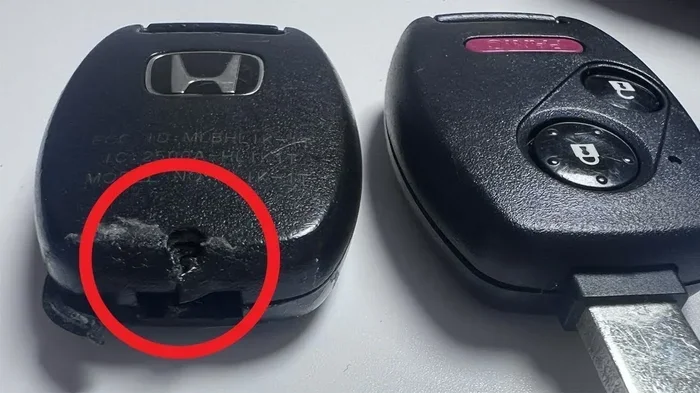
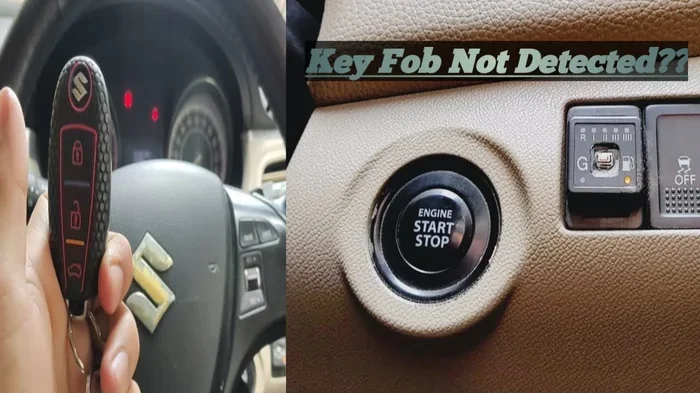
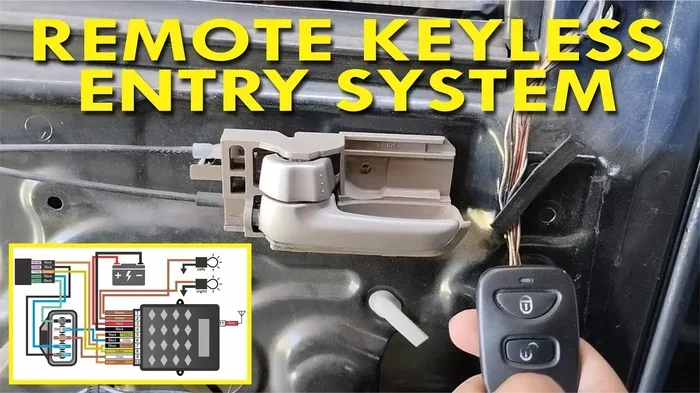
Your key fob is a small remote control device. It sends a coded radio signal when you press a button. This signal travels through the air to your vehicle’s remote keyless entry receiver. The car’s computer decodes the signal and triggers the power door locks to engage or disengage.
Modern key fobs use rolling code technology. This means the code changes every time you press the button. It prevents someone from copying your signal and gaining access to your car. This is a major vehicle security advancement that has made wireless entry much safer than older fixed-code remotes.
Proximity Sensors and Smart Keys
Many newer vehicles use smart key or proximity sensor technology. These systems do not require you to press a button at all. The car detects your key fob’s presence and unlocks the doors automatically when you touch the door handle.
This is often called passive entry or hands-free entry. It works through low-frequency radio signals between the key fob and the car’s antennas. The system checks if the key is within a certain range, usually about one to two meters. If it is, the doors unlock.
Quick Tip: Keep your key fob away from your body when parked in crowded areas. Other electronic devices or even other people’s key fobs can sometimes interfere with the signal and cause unexpected behavior.
What Happens Inside the Car
When the signal reaches your car, the door lock actuator is the component that actually does the physical work. It is a small electric motor attached to each door lock mechanism. When it receives the command, it pulls or releases the lock linkage. This causes the door to lock or unlock.
In most vehicles, all door lock actuators receive the same signal at the same time. This is why pressing one button typically unlocks every door simultaneously. But as we will see, this is not always the case.
Which Doors Does Keyless Entry Unlock?
This is the core question, and the answer depends on several factors. Let us look at the typical behavior and the exceptions.
Standard Factory Keyless Entry Behavior
In most modern vehicles, pressing the unlock button on your key fob sends a signal that unlocks all doors at once. This includes the front driver and passenger doors, the rear doors, and often the trunk release or tailgate.
Here is a typical unlock sequence you can expect:
- Driver door unlocks first (in some models)
- All other doors unlock within a fraction of a second
- Trunk or tailgate unlocks if it is part of the same system
- Fuel door may unlock separately or require its own button
The exact sequence varies by manufacturer. Some cars unlock all doors at the exact same instant. Others use a slight delay between the driver door and the rest. Both approaches are completely normal.
Vehicles With Selective Unlock Settings
Some vehicles allow you to customize which doors unlock when you press the button. This is often found in cars with driver memory settings. You can program the system to unlock only the driver door on the first press and all doors on the second press.
This feature is designed for safety. If you are parked in an unfamiliar or unsafe area, unlocking only the driver door lets you get in quickly without opening all passengers to the outside. You can then unlock the other doors once you feel secure.
Common Mistake: Many drivers do not realize their car has this setting. They think the system is broken when only one door opens. Check your owner’s manual for information on unlock mode settings in your vehicle.
Aftermarket Keyless Entry Systems
If you installed an aftermarket keyless entry system, the behavior may differ from your factory system. Aftermarket kits vary widely in quality and functionality. Some budget systems only unlock the front doors. Others unlock all doors and the trunk.
It is important to purchase systems from reputable brands and have them installed by a professional. A poorly installed system may not communicate properly with all door lock actuators. This can lead to inconsistent unlocking behavior.
Expert Insight: When shopping for an aftermarket system, look for one that supports all-door unlock functionality and integrates with your existing power door locks. Brands like Viper, Compustar, and DroneMobile offer reliable options with full-door coverage.
Keyless Entry and the Trunk or Tailgate
One of the most convenient features of keyless entry is the ability to open your trunk without using your hands. Most vehicles include the trunk in the universal unlock command. But there are some important details to know.
How Trunk Unlock Works
When you press the unlock button, the trunk release signal is sent along with the door lock signal. On most vehicles, the trunk pops open or unlatches. You still need to lift the trunk lid to open it fully.
Some vehicles offer a hands-free trunk feature. You wave your foot under the rear bumper sensor, and the trunk opens automatically. This works independently of the door unlock system but uses the same smart key detection technology.
When the Trunk Does Not Unlock
There are situations where the trunk might not respond to the keyless entry unlock command:
- The trunk has a separate lock that requires its own button
- The vehicle is in a child safety lock mode that restricts trunk access
- The key fob battery is low, and the signal is too weak to reach the trunk antenna
- The trunk latch mechanism is faulty or misaligned
If your trunk does not unlock with the other doors, check your owner’s manual. Some manufacturers intentionally separate the trunk lock for added vehicle security.
Safety and Security Features of Keyless Entry
Keyless entry is incredibly convenient, but it also comes with important safety and security considerations. Understanding these features helps you use your car’s lock system more effectively and stay safe.
Lockout Protection
Most modern vehicles have a lockout protection feature. If you press the lock button while inside the car, the doors lock but the power door locks inside the car still work. This prevents you from accidentally locking yourself out.
However, some older or budget vehicles do not have this feature. If you press the lock button from inside the car, you may get locked out. This is a common frustration and a leading reason people call roadside assistance.
Quick Tip: Always double-check that you have your key fob on you before closing the door. Many modern cars will warn you if you walk away with the fob still inside the vehicle.
Locking Behavior When Walking Away
Many vehicles with smart key technology lock automatically when you walk away. The proximity sensor detects that the key fob has moved beyond a certain distance from the car. The doors lock and the lights flash to confirm.
This feature is called walk-away auto lock. It is a great convenience, but it can also cause confusion. If you leave the key fob on the passenger seat and walk away, the car may not lock because the fob is still detected inside.
Security Vulnerabilities
While keyless entry is generally secure, there are known vulnerabilities. Relay attacks are a growing concern. In a relay attack, a thief uses two devices to extend the signal from your key fob to your car. One device picks up the fob’s signal inside your home, and the other relays it to the car near your driveway.
To protect against this, store your key fob in a signal-blocking pouch or faraday box at night. Some newer vehicles have built-in ultra-wideband technology that makes relay attacks much harder. If you own an older remote keyless entry car, consider upgrading your security measures.
Common Keyless Entry Problems and Solutions
Even the best keyless entry systems can run into problems. Here are the most common issues and how to fix them.
Dead Key Fob Battery
The most common reason for keyless entry failure is a dead battery in the key fob. When the battery is low, the signal weakens and may not reach the car’s receiver. You might notice you need to stand very close to the car for it to work.
Replacing the battery is usually simple. Most key fobs use a CR2025 or CR2032 coin cell battery. You can swap it out in about two minutes with a small flathead screwdriver.
Signal Interference
Electronic interference can disrupt your keyless entry signal. Other cars, parking garage systems, and even some household electronics can emit signals on similar frequencies. This causes the car to receive garbled or delayed commands.
If your doors do not respond consistently, try moving to a different spot before pressing the button. Standing near large metal structures or electronic equipment can also weaken your signal.
Faulty Door Lock Actuators
If only some doors unlock when you press the button, a door lock actuator may be failing. Each door has its own actuator. If one goes bad, that door will not respond to the unlock command while the others work fine.
You might hear a clicking or grinding sound when you press the unlock button. This is a telltale sign of a failing actuator. Replacing an actuator typically costs between $150 and $300 per door, depending on the vehicle model and labor rates.
Wiring and Electrical Issues
In rare cases, wiring problems can cause partial or complete keyless entry failure. Corroded connectors, damaged wires, or a blown fuse in the door lock circuit can prevent the signal from reaching all actuators.
If you have checked the fuses and actuators and the problem persists, it is time to consult a professional mechanic. Electrical diagnostics require specialized tools and expertise.
The Future of Keyless Entry Technology
The automotive industry is evolving rapidly, and keyless entry is at the forefront of that change. Several exciting developments are shaping the future of how we access our vehicles.
Biometric Entry Systems
Some luxury and tech-forward vehicles now offer biometric entry. Instead of a key fob, you use your fingerprint or facial recognition to unlock the car. This technology eliminates the need for any physical device and adds an extra layer of vehicle security.
While still relatively rare, biometric systems are expected to become more common in the next few years. They offer a seamless experience — your car recognizes you and unlocks before you even touch the door.
Mobile Phone as a Key
Many automakers now support using your smartphone as a digital key. Apple CarKey, Google Wallet, and manufacturer-specific apps allow you to lock, unlock, and start your car using your phone. This technology uses near-field communication or ultra-wideband to communicate with the vehicle.
The phone-as-a-key concept is incredibly convenient. You can share digital access with family members or friends without handing over a physical key fob. It also means one less device you need to carry.
Integration with Smart Home Systems
Future keyless entry systems may integrate directly with smart home automation. Imagine pulling into your driveway and your car communicating with your home to unlock the doors, turn on the lights, and adjust the thermostat — all before you step out of the vehicle.
This level of car automation is already being tested by several major automakers and technology companies. It represents the next frontier in connected vehicle technology.
Keyless Entry and Vehicle Maintenance
Keeping your keyless entry system in good working order is part of regular car care. A well-maintained system ensures you never get locked out and keeps your vehicle security at its best.
Regular Maintenance Tips
- Replace the key fob battery once a year or when you notice reduced range
- Clean the key fob regularly to prevent dirt and debris from affecting the buttons
- Test the unlock range periodically by standing a few feet away from the car
- Check the door lock actuators during routine maintenance visits
- Keep your owner’s manual accessible for troubleshooting guidance
Taking these simple steps can extend the life of your keyless entry system and prevent unexpected lockout situations. A little maintenance goes a long way toward keeping your daily routine smooth and stress-free.
Conclusion
So, does keyless entry unlock all doors on modern vehicles? In most cases, the answer is yes. Pressing the button on your key fob typically sends a signal that unlocks every door, the trunk, and sometimes even the fuel cap. However, your specific vehicle may have customizable settings, selective unlock options, or aftermarket systems that change this behavior.
Understanding how your keyless entry system works empowers you as a car owner. You can troubleshoot problems faster, use safety features more effectively, and get the most out of your vehicle’s convenience technology. Whether you drive a compact sedan or a full-size SUV, knowing your lock system’s behavior is an essential part of responsible car ownership.
Take a few minutes to review your vehicle’s settings and owner’s manual. Experiment with the unlock modes. Learn what is normal for your specific car. This small investment of time pays off every time you approach your vehicle with groceries in both hands and need those doors to open without a hitch.
With the right knowledge and a little maintenance, your keyless entry system will continue to serve you reliably for years to come. Drive safely, lock up smart, and enjoy the convenience that modern automotive technology provides.
Frequently Asked Questions
Does keyless entry unlock the rear doors on all vehicles?
In most vehicles, yes. Pressing the unlock button on your key fob sends a signal that unlocks all doors, including the rear doors. However, some vehicles have settings that allow only the front doors to unlock on the first press for safety reasons.
Can I unlock just one door with keyless entry?
Some vehicles offer this feature through their driver memory settings or a dedicated unlock button on the door panel. This allows you to unlock only the driver door while keeping the other doors locked. Check your owner’s manual for specific instructions for your vehicle model.
Why does my keyless entry sometimes only unlock the front doors?
This can happen if your vehicle has a selective unlock setting enabled. It can also indicate a failing door lock actuator on one or more rear doors. If the problem is sudden or consistent, have a mechanic inspect the electrical connections and actuators.
Is keyless entry safe from theft?
Modern keyless entry systems use rolling codes and encryption, making them generally safe. However, relay attacks are a known vulnerability where thieves amplify your key fob’s signal to unlock your car. Using a signal-blocking pouch and parking in a garage can reduce this risk significantly.
Does keyless entry unlock the fuel door?
On most vehicles, the fuel door does not unlock with the keyless entry system. It typically has its own separate lock mechanism. Some newer vehicles do include the fuel door in the universal unlock command, so check your owner’s manual to confirm your specific model’s behavior.
What should I do if my keyless entry stops unlocking all doors?
Start by replacing the battery in your key fob, as this is the most common cause. If that does not solve the problem, check for signal interference from nearby electronics. If the issue persists, inspect the door lock actuators and wiring, and consult a qualified mechanic for a full electrical diagnostic.