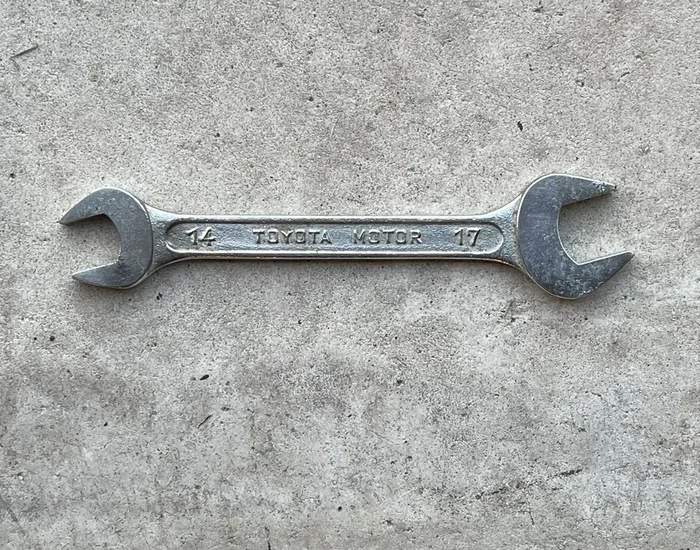
Does Toyota Use Metric or Standard Measurements Today
Toyota primarily uses the metric system for all its vehicles, parts, and specifications worldwide. While most measurements follow SI units, some legacy components and tools still reference standard (SAE) measurements. Understanding this difference helps Toyota owners, mechanics, and parts buyers make the right choices for maintenance and repairs.
Does Toyota Use Metric or Standard Measurements Today
When you walk into a Toyota dealership or open the hood of your favorite Toyota vehicle, one question often comes up: does Toyota use metric or standard measurements? This is a question that many car owners, DIY mechanics, and parts buyers ask, especially when they are trying to figure out which tools to buy or which parts to order. The answer might surprise you, but it is actually pretty straightforward once you understand how Toyota operates across the globe.
Toyota is one of the largest automakers in the world. With manufacturing plants in Japan, the United States, Thailand, and many other countries, the company needs a universal system. That system is the metric system. Almost every measurement in a Toyota vehicle, from bolt sizes to engine displacement, follows metric units. But there are some interesting exceptions and nuances worth exploring.
Understanding Metric vs Standard Measurements
Before we dive deeper into Toyota’s approach, let us quickly clarify what we mean by metric and standard. The metric system, also known as the International System of Units (SI), uses millimeters, centimeters, and meters for length. For weight, it uses grams and kilograms. This system is used by most countries around the world.
Standard measurements, also called imperial or SAE (Society of Automotive Engineers) measurements, use inches, feet, and pounds. This system is primarily used in the United States. When you hear someone talk about standard measurements in the automotive world, they usually mean SAE units.
So why does this distinction matter for Toyota? It matters because using the wrong measurement system can lead to stripped bolts, mismatched parts, and serious safety issues. If you are working on a Toyota vehicle, knowing which system applies is essential.
How Toyota Uses the Metric System
Toyota has fully embraced the metric system across its entire lineup. This includes every model from the Corolla to the Tacoma, from the Camry to the Land Cruiser. Every Toyota vehicle sold in the United States uses metric measurements for its mechanical components.
Here are some examples of where you will find metric measurements in Toyota vehicles:
- Bolt sizes: Nearly every bolt in a Toyota engine or chassis is metric. Common sizes include 10mm, 12mm, 14mm, and 17mm.
- Engine displacement: Toyota engines are measured in liters and cubic centimeters. A 2.5L engine or a 1.8L engine uses metric displacement.
- Torque specifications: When Toyota lists torque values in the owner’s manual, those values use Newton-meters (Nm), not foot-pounds.
- Tire pressure: Toyota tire pressure recommendations are listed in kilopascals (kPa) or bars, both metric units.
- Vehicle dimensions: Length, width, and height are all measured in millimeters or meters.
This is not unique to Toyota. Most global automakers use the metric system. But Toyota’s commitment to metric is especially strong because of its worldwide manufacturing footprint.
Why Toyota Chose Metric as Its Standard
Toyota adopted the metric system for several key reasons. First, Japan itself uses the metric system. Since Toyota is a Japanese company, metric was the natural choice from the very beginning. Second, metric simplifies international trade and manufacturing. When you build factories in over 50 countries, using one universal system saves time and reduces errors.
Third, the automotive industry as a whole moved toward metric decades ago. Today, even American automakers like Ford and Chevrolet use metric measurements in most of their vehicles. The days of purely SAE-based car manufacturing are largely behind us.
The Role of Global Manufacturing Standards
Toyota manufactures vehicles on every continent. Its factories in Japan, the United States, Mexico, Thailand, and Indonesia all produce cars using the same metric standards. This consistency is crucial for quality control and parts compatibility.
When Toyota builds a Camry in Kentucky, that vehicle uses the same metric bolt sizes and engine specifications as a Camry built in Aichi, Japan. This global uniformity makes it easier for Toyota to share parts across markets and reduce inventory costs.
Even Toyota’s hybrid technology follows metric standards. The hybrid battery packs, electric motors, and power control units all use metric specifications for their components. If you want to learn more about how Toyota’s hybrid systems work, check out our article on at what point does a hybrid switch to gas.
When Standard (SAE) Measurements Appear in Toyota Vehicles
While Toyota is overwhelmingly metric, there are a few situations where standard or SAE measurements still show up. Understanding these exceptions can save you time and frustration.
Older Toyota Models
Some older Toyota vehicles, particularly those manufactured before the 1980s, may have used a mix of metric and standard fasteners. Early Toyota trucks and classic cars sometimes incorporated SAE bolts in certain assemblies, especially those shared with American-made components.
If you are restoring a vintage Toyota, you may need both metric and standard tool sets. Always check the specific service manual for your model year to confirm which measurement system applies.
Aftermarket and Replacement Parts
The aftermarket parts market sometimes uses standard measurements. Certain brackets, clips, or accessories designed to fit Toyota vehicles might be manufactured using SAE dimensions. This is especially common with accessories made in the United States.
When shopping for aftermarket parts, always double-check the measurement system. A part listed as “fits Toyota vehicles” might still use standard dimensions in its mounting holes or fastener points.
Fastener Compatibility
In rare cases, some Toyota assemblies may include a standard fastener alongside metric ones. This usually happens when a component was sourced from a supplier that uses a different standard. These situations are uncommon in modern Toyotas but can still occur.
Why This Matters for Toyota Owners and Mechanics
Knowing whether Toyota uses metric or standard measurements is not just trivia. It has real-world implications for anyone who owns or services a Toyota vehicle.
Choosing the Right Tools
If you are building a home garage for Toyota repairs, your tool investment should lean heavily toward metric. A quality set of metric sockets, wrenches, and screwdrivers will cover the vast majority of Toyota repair jobs.
Here is a quick list of essential metric tools for Toyota owners:
- A 10mm to 19mm metric socket set
- A metric combination wrench set
- A torque wrench with metric Newton-meter settings
- A metric Allen key (hex key) set
- A tire pressure gauge that reads in kPa or bar
You do not need a full set of standard tools for Toyota work, but keeping a few SAE sizes on hand can be helpful for those rare instances where standard fasteners appear.
Ordering the Right Parts
When you order Toyota parts online or from a dealership, the part numbers are tied to metric specifications. If you are replacing a bolt, a gasket, or a sensor, the part will be designed for metric tolerances. Ordering the wrong type of part can lead to fitment issues.
Understanding Owner’s Manual Specifications
Toyota owner’s manuals list all specifications in metric units. Tire pressures, fluid capacities, torque values, and alignment specs are all in metric. If you are used to standard units, you will need to convert some values.
Quick Conversion Tips
Here are some common conversions that help Toyota owners bridge the gap between metric and standard:
- 1 inch = 25.4 millimeters
- 1 foot-pound = 1.355 Newton-meters
- 1 PSI = 6.895 kilopascals
- 1 pound = 0.453 kilograms
Keep a conversion chart in your garage or on your phone. It makes life much easier when you are cross-referencing specifications.
Toyota’s Measurement Standards Across Different Models
Let us take a closer look at how Toyota applies metric measurements across some of its most popular models.
Toyota Corolla
The Corolla is one of the best-selling cars in the world. Every Corolla, whether sold in Japan, Europe, or the United States, uses metric measurements throughout. Engine specs, body dimensions, and fastener sizes are all metric.
Toyota Tacoma
The Tacoma is a popular pickup truck in the United States. Despite being sold primarily in a country that traditionally uses standard measurements, the Tacoma is built entirely on a metric platform. All its bolts, engine components, and specifications follow metric standards.
Toyota Camry
The Camry is another globally sold sedan that uses metric units exclusively. Its 2.5L four-cylinder engine, hybrid powertrain, and chassis components all rely on metric specifications.
Toyota RAV4
The RAV4, Toyota’s compact SUV, follows the same metric-only approach. Whether it is a gasoline, hybrid, or plug-in hybrid variant, all measurements are metric.
The Future of Measurement Standards in Toyota
Toyota shows no signs of moving away from the metric system. In fact, as the company expands its electric vehicle lineup and introduces new technologies, metric standards will become even more important. Electric vehicles rely on precise metric tolerances for battery modules, motor mounts, and power electronics.
Global standards bodies continue to push for universal adoption of SI units. Toyota is already ahead of this curve. The company’s commitment to metric ensures that its vehicles remain compatible across markets and decades.
Common Mistakes Toyota Owners Make with Measurements
Even experienced car owners sometimes make mistakes when it comes to metric vs standard. Here are a few to avoid:
- Using standard sockets on metric bolts: This rounds bolt heads and makes removal difficult.
- Ignoring torque specifications: Over-tightening or under-tightening can damage components.
- Assuming all fasteners are the same: Always verify the measurement system before starting a repair.
- Guessing instead of consulting the manual: Toyota’s service manual is your best resource for exact specifications.
Expert Insights on Toyota Measurements
Industry professionals agree that the shift to metric was one of the most significant changes in automotive history. “Most modern vehicles, including Toyotas, are designed entirely around metric dimensions,” says automotive engineer Mark Stevens. “Trying to mix metric and standard in the same assembly is a recipe for problems.”
Toyota’s engineering teams follow strict guidelines to ensure every component meets metric specifications. This discipline is part of what makes Toyota vehicles so reliable and long-lasting.
How to Tell if a Toyota Part is Metric or Standard
If you are ever unsure about a part’s measurement system, here are some quick tips:
- Check the part number: Toyota part numbers are linked to metric specifications in the dealership database.
- Look for markings on the part: Many metric fasteners have markings like “M8” or “M10” stamped on them.
- Measure with a metric tool: A metric ruler or caliper will quickly tell you if a part is metric.
- Consult the Toyota service manual: Every Toyota model has a detailed service manual that lists all measurements in metric.
Conclusion
So, does Toyota use metric or standard measurements? The answer is clear: Toyota uses the metric system almost exclusively. From the smallest bolt to the largest engine component, Toyota vehicles are built on a metric foundation. This approach supports the company’s global manufacturing operations and ensures consistency across every model and market.
While you may encounter the occasional standard measurement in older models or aftermarket parts, these are the exception, not the rule. For Toyota owners and mechanics, investing in quality metric tools and learning the metric specifications for your vehicle is one of the best decisions you can make.
Understanding your Toyota’s measurement system empowers you to take better care of your vehicle. It helps you choose the right parts, use the correct tools, and follow proper specifications. The next time you pop the hood or order a replacement part, you will know exactly what measurement system to expect.
Frequently Asked Questions
Does Toyota use metric or standard measurements for engine bolts?
Toyota uses metric measurements for all engine bolts. Common sizes include 10mm, 12mm, 14mm, and 17mm. Always reach for your metric socket set when working on a Toyota engine.
Can I use standard tools on a Toyota vehicle?
You can use standard tools for a few tasks, but metric tools are essential for Toyota repairs. Using standard tools on metric bolts can damage the fasteners and surrounding components.
Are Toyota tire pressure readings in metric or standard?
Toyota lists tire pressure in metric units, typically kilopascals (kPa) or bars. Some older models may also show PSI, but the primary specification is metric.
Do Toyota hybrid vehicles use the same measurement system?
Yes, Toyota hybrid vehicles use the metric system for all mechanical and electrical specifications. The hybrid battery, motor, and power control units all follow metric standards.
Why does Toyota use metric instead of standard?
Toyota uses metric because it is a Japanese company, and Japan uses the metric system. Additionally, metric is the global standard for automotive manufacturing, making it easier to build and sell vehicles worldwide.
Where can I find the torque specifications for my Toyota?
Toyota owner’s manuals and service manuals list all torque specifications in Newton-meters (Nm), which is a metric unit. You can also find this information on the Toyota website or through your local dealer.
Key Takeaways
- Toyota uses the metric system: Nearly all Toyota vehicles use metric measurements for bolts, dimensions, and engine specs.
- SAE still appears in older models: Some older Toyota vehicles and certain aftermarket parts use standard (imperial) measurements.
- Global manufacturing demands metric: Toyota builds cars in dozens of countries, making metric the universal standard for consistency.
- Tools matter: Mechanics and DIYers need metric wrenches and sockets for most Toyota repairs.
- Hybrid technology follows metric too: Even Toyota hybrid systems use metric units for all electrical and mechanical specifications.
- Conversion is easy: Simple charts and tools help convert between metric and standard when needed.
Frequently Asked Questions
What is Does Toyota Use Metric or Standard Measurements??
Does Toyota Use Metric or Standard Measurements? is an important topic with many practical applications.