Does VW Own Ferrari And Why This Question Keeps Coming Up
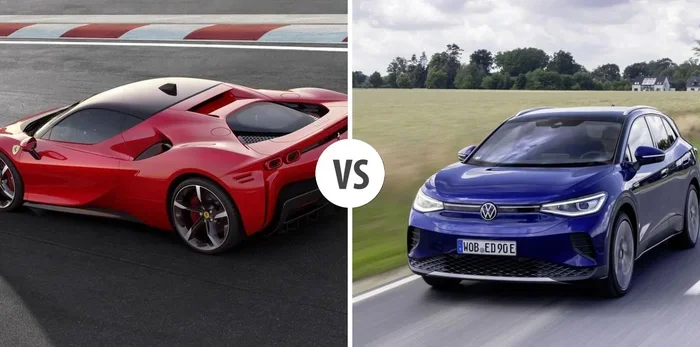
No, VW does not own Ferrari. Ferrari is owned by Exor, the Agnelli family’s investment company, and has been independent since its early days. Volkswagen owns brands like Porsche, Lamborghini, and Audi, but Ferrari sits outside their portfolio entirely.
Key Takeaways
- VW Does Not Own Ferrari: Ferrari is independently owned by Exor and the Agnelli family, not by Volkswagen or any VW Group entity.
- VW Owns a Massive Luxury Portfolio: VW Group controls brands like Porsche, Lamborghini, Audi, Bentley, and Bugatti, which fuels the confusion.
- The Porsche-VW Connection Causes Mix-Ups: Porsche is now part of VW Group, and many people confuse Porsche with Ferrari because both are premium sports car makers.
- Ferrari Has Its Own Unique Ownership Story: Ferrari split from Fiat in 2015 and became a standalone company listed on the stock exchange.
- Acquisition Rumors Drive the Question: Periodically, rumors surface about VW potentially buying Ferrari, which keeps the search interest alive.
- Ferrari’s Independence Shapes Its Brand: Being independent allows Ferrari to maintain its exclusive identity and racing heritage without corporate interference.
- Car Buyers Should Know the Facts: Understanding who owns what helps enthusiasts make informed decisions about luxury and sports car purchases.
📑 Table of Contents
- The Short Answer — Does VW Own Ferrari?
- A Brief History of Ferrari Ownership
- What VW Actually Owns in the Automotive World
- Why People Keep Asking If VW Owns Ferrari
- Could VW Ever Buy Ferrari?
- How Ferrari’s Ownership Affects Car Buyers
- Key Differences Between VW-Owned Brands and Ferrari
- Final Thoughts on VW and Ferrari
The Short Answer — Does VW Own Ferrari?
Let us get this out of the way right now. Does VW own Ferrari? The answer is a clear and definitive no. Volkswagen does not own Ferrari, has never owned Ferrari, and currently has no plans to buy Ferrari. Ferrari is a standalone luxury sports car manufacturer that operates independently on the stock market.
So why does this question pop up so often? The reason is simple. Volkswagen Group is one of the largest car companies in the world. They own a staggering number of brands. When people see that VW owns Porsche, Lamborghini, and Audi, they naturally start wondering about other luxury names. Ferrari sits right in that same premium space. The overlap in brand positioning creates a logical assumption that many people make. But assumption and fact are two very different things.
The truth is that Ferrari has a unique ownership story that sets it apart from almost every other luxury car brand. It has been controlled by the same Italian family for decades. That family has no intention of selling to VW or any other automaker. Understanding this story helps explain why the question persists and why the answer matters to car enthusiasts everywhere.
What People Get Wrong About Ferrari Ownership
Many car fans assume that all big luxury brands must belong to one giant corporation. This is true in some cases. For example, VW Group owns eleven major car brands. That is a huge portfolio. But Ferrari is not part of that group. Ferrari operates as its own publicly traded company. Its parent company is Exor, which is a holding company controlled by the Agnelli family. The Agnelli family has deep roots in Italian industry and has been involved with Ferrari since the very beginning.
Another common mistake is confusing Ferrari with Maserati. Maserati was owned by Fiat for many years and has changed hands multiple times. Some people lump all Italian luxury brands together and assume they share the same owner. They do not. Ferrari has always charted its own course.
A Brief History of Ferrari Ownership
To fully understand why VW does not own Ferrari, you need to know how Ferrari came to be and how its ownership evolved over the decades. The history is fascinating and full of twists that explain the brand’s independence today.
How Ferrari Became Its Own Brand
Enzo Ferrari founded the Ferrari racing team in 1929. He did not start building road cars right away. His focus was on racing. But as demand grew, Ferrari began producing street-legal cars in the late 1940s. These early road cars were funded by sales of racing cars and partnerships with other companies.
For many years, Ferrari did not have a single parent company. Enzo Ferrari maintained personal control over the brand. He was a fiercely independent figure who believed that Ferrari’s identity depended on staying free from outside corporate influence. This philosophy shaped the company’s culture and continues to influence its operations today.
Fiat’s Role in Ferrari’s Story
In 1969, Fiat, the Italian car manufacturer, bought a 50 percent stake in Ferrari. This was a major moment in Ferrari’s history. Fiat provided financial backing that helped Ferrari expand its road car lineup. But Enzo Ferrari retained significant control over the racing division and the brand’s direction.
Over the following decades, Fiat gradually increased its stake. By the 1980s, Fiat owned the majority of Ferrari. When Enzo Ferrari passed away in 1988, Fiat took on an even larger role in managing the company. However, the Ferrari brand remained distinct. It was not folded into Fiat’s mass-market operations. Ferrari kept its own identity, its own racing team, and its own design philosophy.
The Agnelli Family Connection
The Agnelli family has been one of the most powerful families in Italian business for over a century. They founded Fiat and built it into a global automotive giant. The Agnelli family has maintained a close relationship with Ferrari for generations.
Today, the Agnelli family controls Ferrari through their investment company called Exor. Exor is a holding company that owns stakes in many different businesses, from automotive to media to finance. Through Exor, the Agnelli family holds the largest voting stake in Ferrari’s parent company. This gives them effective control over Ferrari’s strategic decisions.
John Elkann, a member of the Agnelli family, serves as the chairman of Ferrari. He has been instrumental in guiding the company through its transition to a standalone public company while preserving its racing heritage and brand exclusivity.
What VW Actually Owns in the Automotive World
To understand why people confuse VW with Ferrari, it helps to look at what Volkswagen actually owns. VW Group has built an enormous luxury and sports car empire over the past few decades. The scope of their holdings is impressive and sometimes hard to keep track of.
VW Group’s Luxury Brand Portfolio
Volkswagen Group owns a remarkable collection of car brands. Here is a look at some of the major names under the VW umbrella:
- Audi: A premium German brand known for refined sedans and SUVs.
- Porsche: A legendary sports car maker that is now fully owned by VW.
- Lamborghini: The iconic Italian supercar brand known for its dramatic designs.
- Bentley: A British luxury brand that makes grand tourers and SUVs.
- Bugatti: The ultra-luxury French marque that produces the fastest cars in the world.
- Ducati: An Italian motorcycle manufacturer acquired by VW Group.
- SEAT and Skoda: More affordable brands that round out the portfolio.
That is a lot of brands. When you lay them out like this, it is easy to see why people assume VW must own Ferrari too. After all, VW owns Lamborghini, which is also an Italian brand. The connection seems logical. But Ferrari has always remained separate.
The Porsche-VW Relationship Explained
One of the biggest sources of confusion comes from the relationship between Porsche and Volkswagen. Porsche is now a fully owned subsidiary of VW Group. But the history is complicated. Porsche actually tried to buy VW Group in the mid-2000s. Eventually, the tables turned, and VW ended up acquiring Porsche instead.
Today, the Porsche and VW families are deeply intertwined. Porsche is a cornerstone brand within VW Group. This relationship adds another layer to the confusion surrounding Ferrari. People hear that VW owns Porsche and think, “If VW owns Porsche, maybe they own Ferrari too.” The answer is no. Porsche and Ferrari are completely separate companies with different owners.
How VW Built Its Luxury Empire
VW Group’s strategy over the past two decades has been to acquire premium and luxury brands. They started with Audi and then expanded into sports cars and ultra-luxury. Each acquisition added a new dimension to the group’s portfolio.
Lamborghini was acquired by VW Group in 1998 through its Audi division. Bentley was purchased by VW in 1998 as well. Bugatti came under VW ownership in 1998 too. These acquisitions were strategic moves to build a comprehensive luxury car lineup. But Ferrari was never on the table. The Agnelli family has shown no interest in selling, and VW has never made a serious bid for Ferrari.
Why People Keep Asking If VW Owns Ferrari
The question “Does VW own Ferrari” continues to generate search traffic and discussion online. Several factors contribute to the persistence of this question. Understanding these factors helps explain why the rumor keeps spreading.
The Porsche-VW Connection Confusion
As mentioned earlier, Porsche is now part of VW Group. Many casual car fans do not know this history. They see a Porsche and a Ferrari and assume they must share a parent company. Both brands make high-performance sports cars. Both are aspirational luxury names. The visual and emotional similarities create a mental shortcut that leads people to the wrong conclusion.
Add to this the fact that VW also owns Lamborghini, another Italian sports car brand. Now you have VW owning two Italian sports car makers. It is a small leap for someone to assume Ferrari might be the third. But Lamborghini and Ferrari have very different ownership structures and corporate histories.
Luxury Car Mergers and Rumors
The automotive industry has seen many mergers and acquisitions in recent years. Companies are constantly buying and selling brands. When a major deal happens, it generates headlines and speculation. People start wondering about other possible deals. Every few years, a rumor surfaces suggesting that VW might acquire Ferrari.
These rumors typically gain traction on car forums and social media. They spread quickly because they tap into a genuine curiosity about the luxury car market. But they rarely have any basis in fact. Ferrari’s board and the Agnelli family have consistently stated that Ferrari is not for sale. The rumors persist because the automotive world is always changing, and people love a good speculation story.
Social Media and Car Rumors
Social media platforms amplify car rumors like nothing else. A single post claiming that VW is about to buy Ferrari can go viral within hours. People share it without checking the facts. The emotional appeal of such a deal is enormous. Imagine a world where VW Group owns every major luxury and sports car brand. It sounds exciting, even if it is not real.
Car enthusiasts on platforms like Reddit, Instagram, and YouTube regularly discuss these rumors. The conversations drive search traffic and keep the question alive in Google’s autocomplete suggestions. This creates a cycle where the question keeps appearing in search results, which reinforces the idea that there might be something to it.
Ferrari’s Unique Position in the Market
Ferrari occupies a special place in the automotive world. It is not just a car brand. It is a symbol of racing heritage, Italian design, and exclusivity. Ferrari has a mystique that few other brands can match. This mystique makes people curious about who owns it and how it operates.
When a brand is as iconic as Ferrari, people naturally want to understand its business relationships. They wonder who its partners are, who its competitors are, and who might want to acquire it. VW is a natural point of curiosity because of its scale and its existing luxury holdings. The curiosity is understandable, even if the premise is incorrect.
Could VW Ever Buy Ferrari?
Now that we have established that VW does not own Ferrari, it is worth exploring a hypothetical question. Could VW ever buy Ferrari? This is a fun thought experiment that reveals a lot about both companies and the automotive industry as a whole.
The Business Case For a VW Ferrari Deal
On paper, adding Ferrari to VW Group’s portfolio would be a massive prestige move. Ferrari is one of the most valuable luxury brands in the world. Its brand equity is enormous. Owning Ferrari would give VW Group an unmatched position in the ultra-luxury sports car segment.
Ferrari’s margins are also incredibly strong. The company sells relatively few cars, but each car carries a huge profit margin. This financial profile would be very attractive to VW Group’s investors. A Ferrari acquisition could boost VW’s overall profitability and brand prestige in a single stroke.
However, there are significant barriers to such a deal. Ferrari is not a company that operates like a typical automotive business. It has a unique corporate structure, a fiercely independent culture, and a loyal fan base that values its independence. Any acquisition attempt would face enormous resistance.
The Business Case Against It
The biggest obstacle is simple: Ferrari is not for sale. The Agnelli family has made it clear repeatedly that they have no intention of selling Ferrari. Exor, the family’s holding company, views Ferrari as a crown jewel. Selling it would go against everything the family has built over generations.
There are also regulatory concerns. A VW acquisition of Ferrari would face intense scrutiny from antitrust authorities around the world. VW already owns a dominant position in many automotive segments. Adding Ferrari would raise questions about market concentration and competition. Regulatory hurdles alone could kill any deal before it started.
Cultural differences also pose a challenge. Ferrari operates with an Italian passion and racing-centric identity. VW Group is a German conglomerate with a more corporate and efficiency-driven culture. Integrating Ferrari into VW’s operations could dilute the very qualities that make Ferrari special. Ferrari’s independence is part of its brand DNA.
What Would It Mean for the Industry?
If VW somehow did acquire Ferrari, it would reshape the automotive landscape. VW would control the two most iconic Italian sports car brands: Lamborghini and Ferrari. This would give VW an unprecedented level of influence over the luxury sports car market.
Competitors like Mercedes-Benz, BMW, and Toyota would face a much stronger rival. The balance of power in the luxury car segment would shift dramatically. However, this scenario remains purely hypothetical. The Agnelli family’s commitment to Ferrari’s independence makes it extremely unlikely to ever happen.
How Ferrari’s Ownership Affects Car Buyers
You might wonder why Ferrari’s ownership matters to someone who is just looking to buy a car. The answer is that ownership shapes everything about a car brand, from its pricing strategy to its product lineup to its customer experience.
What This Means for Enthusiasts
Because Ferrari is independent, it operates with a high degree of autonomy. Ferrari makes its own decisions about which cars to build, how many to produce, and how to price them. This independence allows Ferrari to maintain its exclusive brand positioning. Ferrari does not need to answer to a parent company that might push for cost-cutting or volume production.
For car buyers, this means Ferrari continues to produce highly specialized, limited-production vehicles. The brand’s focus remains on racing heritage and ultimate performance. If Ferrari were part of a larger conglomerate, there might be pressure to diversify into more mainstream segments or to share technology and platforms with other brands. The current ownership structure protects Ferrari’s identity.
Should You Care Who Owns Ferrari?
For most car buyers, the answer is yes, at least to some degree. Who owns a car brand affects its long-term trajectory. Independent brands like Ferrari and Porsche tend to have stronger brand identities and more focused product strategies. Brands owned by large conglomerates may benefit from shared resources and technology, but they can also lose some of their individuality.
When you are investing in a luxury or sports car, understanding the ownership structure helps you evaluate the brand’s stability and direction. Ferrari’s independence gives it a unique position in the market. It is not swayed by the corporate priorities of a larger group. This independence is part of what makes Ferrari so special and so valuable.
Key Differences Between VW-Owned Brands and Ferrari
To further clarify the distinction, here is a quick comparison of how Ferrari differs from brands that VW actually owns:
- Ownership: Ferrari is owned by Exor and the Agnelli family. VW Group brands are owned by Volkswagen AG.
- Independence: Ferrari operates as a standalone public company. VW brands are fully integrated into the VW Group structure.
- Production Volume: Ferrari produces fewer than 10,000 cars per year. VW Group produces millions of cars annually across all its brands.
- Brand Focus: Ferrari focuses exclusively on ultra-premium sports cars. VW brands span economy, mainstream, premium, and ultra-luxury segments.
- Racing Heritage: Ferrari has a direct and ongoing connection to Formula 1 racing. VW Group brands participate in motorsport but do not have the same single-brand racing identity.
Final Thoughts on VW and Ferrari
The question “Does VW Own Ferrari” is one of the most common automotive ownership questions online. The answer is clear: Volkswagen does not own Ferrari, and there is no evidence that it ever will. Ferrari remains an independent company under the control of the Agnelli family through their holding company, Exor.
VW Group has built an impressive portfolio of luxury and sports car brands. Porsche, Lamborghini, Audi, Bentley, and Bugatti are all part of the VW family. But Ferrari stands apart. Its independence is not just a business arrangement. It is a core part of its identity and its appeal.
For car enthusiasts, understanding who owns what in the automotive world is essential. It helps you make informed buying decisions and appreciate the unique qualities of each brand. Ferrari’s independence ensures that it will continue to operate on its own terms, staying true to its racing roots and its commitment to exclusivity. The next time you see a rumor about VW buying Ferrari, you will know the real story.
Frequently Asked Questions
Who actually owns Ferrari?
Ferrari is owned by Exor, a holding company controlled by the Agnelli family. The Agnelli family has been connected to Ferrari since its earliest days. John Elkann, a member of the family, serves as Ferrari’s chairman. Ferrari is a publicly traded company, but the Agnelli family holds the largest voting stake.
Does VW Group own any Italian car brands?
Yes, VW Group owns Lamborghini, which is an Italian supercar brand. Lamborghini has been part of VW Group since 1998. It operates under Audi’s oversight within the VW Group structure. This is one reason people sometimes confuse Ferrari with VW-owned brands.
Why do people think VW owns Ferrari?
People make this assumption because VW owns several luxury and sports car brands including Porsche, Lamborghini, and Audi. Ferrari occupies the same premium space, so it seems logical that VW might own it too. Additionally, periodic rumors about a VW Ferrari acquisition spread online and fuel the confusion.
Has VW ever tried to buy Ferrari?
There is no credible evidence that VW has ever made a formal bid to acquire Ferrari. The Agnelli family has consistently stated that Ferrari is not for sale. Any rumors about a potential deal have been speculation without any official backing from either VW or Ferrari.
Is Ferrari a publicly traded company?
Yes, Ferrari became a standalone publicly traded company in 2016 when it was spun off from Fiat Chrysler Automobiles. It trades on the New York Stock Exchange under the ticker symbol RACE. Despite being public, the Agnelli family retains effective control through its voting stake.
What brands does VW actually own?
VW Group owns eleven major brands including Audi, Porsche, Lamborghini, Bentley, Bugatti, SEAT, Skoda, Ducati, and others. Each brand serves a different market segment from economy cars to ultra-luxury vehicles. Ferrari is notably absent from this list.