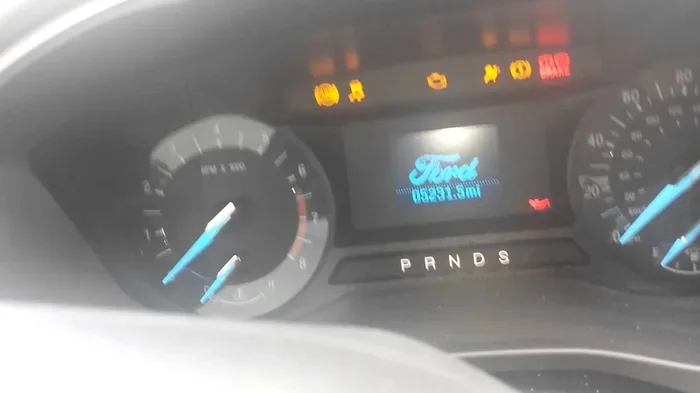
Ford Fusion Wont Start: Common Causes and Solutions
When your Ford Fusion won’t start, it can be frustrating and stressful. The most common reasons include a dead battery, a bad starter motor, fuel pump failure, or a worn-out ignition switch. This guide walks you through every likely cause, gives you step-by-step fixes, and helps you decide when to call a professional.
You turn the key or push the button on your Ford Fusion, and nothing happens. No engine roar. No dashboard lights. Just silence. It is a moment every driver knows too well, and it always seems to happen at the worst possible time.
A Ford Fusion that won’t start can point to many different problems. Some are simple and cheap to fix. Others need a trained mechanic. The good news is that most starting issues follow a pattern, and once you know what to look for, you can narrow things down fast.
In this article, we break down every common reason your Ford Fusion not starting might be happening. We cover battery problems, starter motor failures, fuel system issues, and even electronic gremlins that confuse newer models. By the end, you will know exactly what to check and what steps to take next.
Whether you drive a 2010 Fusion or a 2023 model, this guide gives you the knowledge to tackle the problem with confidence. Let us get into it.
Key Takeaways
- Dead battery is the #1 cause: Most Ford Fusion starting problems come from a weak or dead battery, especially in older models.
- Starter motor and ignition switch issues are common: These parts wear out over time and cause clicking or no-response symptoms.
- Fuel system problems can block startup: A clogged fuel filter or failing fuel pump will prevent your Fusion from firing up.
- Cold weather makes problems worse: Low temperatures reduce battery power and thicken oil, making it harder to turn the engine.
- Key fob battery matters too: A weak key fob battery can trick your car into thinking the wrong key is being used.
- Basic troubleshooting saves time and money: Many causes are easy to check at home with simple tools.
- Know when to see a mechanic: Some issues need professional diagnosis and repair to avoid further damage.
📑 Table of Contents
- Why Your Ford Fusion Won’t Start
- Dead or Weak Battery
- Starter Motor and Ignition Switch Problems
- Fuel System Issues
- Electrical and Electronic Problems
- Cold Weather and Ford Fusion Starting Problems
- How to Troubleshoot When Your Ford Fusion Won’t Start
- When to See a Mechanic
- Preventing Future Starting Problems
- Conclusion
Why Your Ford Fusion Won’t Start
Before we dive into each cause, it helps to understand how your car starts. When you turn the key or press the start button, a chain of events must happen in the right order. The battery sends power to the starter motor. The starter motor turns the engine. The fuel pump sends gas to the engine. The spark plugs ignite the fuel. If any one of these steps fails, your car will not start.
This is why Ford Fusion troubleshooting starts with simple checks. You need to figure out which part of the chain is broken. Is it the battery? The starter? The fuel system? Each cause has its own set of symptoms, and we will walk through them one by one.
Common Symptoms to Watch For
Your car often tells you what is wrong before it completely refuses to start. Here are the most common signs:
- No sound at all when you turn the key: This usually points to a battery problem or a bad connection.
- A single loud click but no engine turn: This often means the starter motor is failing.
- Rapid clicking noise: This is a classic sign of a weak battery that does not have enough power to engage the starter.
- Engine cranks but will not fire up: This suggests a fuel delivery issue or a spark problem.
- Dashboard lights are dim or flickering: This points to an electrical issue, often the battery or alternator.
- The key fob is not recognized: This can happen with a dead key fob battery or a faulty immobilizer system.
Pay close attention to what happens when you try to start your car. The sound, the dash lights, and the behavior of the key fob all give you clues. These details help you and any mechanic figure out the root cause faster.
Dead or Weak Battery
The battery is the most common reason a Ford Fusion wont start. It is also the easiest to check. Without a working battery, nothing else in the starting process can happen. The battery powers the starter motor, the ignition system, and all the electronics that tell your engine to fire up.
Signs Your Battery Is the Problem
Here is how to tell if your battery is causing the issue:
- The dashboard lights are very dim or do not come on at all.
- The headlights are much dimmer than usual.
- You hear a single click or rapid clicking when you turn the key.
- The car worked fine yesterday but will not start today.
- You have not driven the car in a while and the battery has drained.
What Causes Battery Failure
Batteries do not last forever. The average car battery lasts about three to five years. But several things can shorten that life:
- Leaving lights or accessories on: Even a dome light left on overnight can drain a battery completely.
- Corroded battery terminals: White or greenish buildup on the terminals blocks the electrical connection.
- Extreme temperatures: Both very hot and very cold weather strain your battery. Cold weather is especially hard because it reduces the battery’s ability to hold a charge.
- Short trips: If you only drive short distances, the alternator does not have enough time to fully recharge the battery.
- Old age: After four or five years, a battery simply loses its ability to hold a strong charge.
Quick Tip
Keep a pair of jumper cables in your trunk. They can save you from a roadside wait. Also, check your battery terminals every few months for any white or greenish buildup. A simple cleaning with a wire brush can keep the connection strong.
How to Fix a Dead Battery
If your battery is the culprit, here is what you can do:
- Try jump-starting the car with another vehicle or a portable jump starter.
- Clean the battery terminals with a wire brush and a baking soda solution.
- Check the battery voltage with a multimeter. A healthy battery should read 12.6 volts or higher.
- Replace the battery if it is more than four years old or if it does not hold a charge.
After jump-starting, drive your car for at least 20 to 30 minutes to let the alternator recharge the battery. If the battery keeps dying, the alternator might be failing, or something is drawing power when the car is off.
Starter Motor and Ignition Switch Problems
If your battery is good but your car still will not start, the next most common cause is the starter motor or the ignition switch. These parts work together to kick-start your engine, and when one fails, you get either silence or a single frustrating click.
How the Starter Motor Works
The starter motor is a small but powerful electric motor. When you turn the key or press the start button, the starter motor engages with the engine flywheel and cranks the engine. Without a working starter, the engine simply will not turn over, no matter how good your battery is.
Signs of a Failing Starter Motor
Watch for these warning signs:
- A single loud click when you turn the key: The starter is trying to engage but cannot.
- Grinding noise when starting: This means the starter gear is wearing out or not meshing properly with the flywheel.
- The starter works intermittently: Sometimes it works, sometimes it does not. This often points to a failing starter solenoid.
- No sound at all: A completely dead starter will not make any noise.
Ignition Switch Failure
The ignition switch is the part your key actually touches when you turn it. It sends the electrical signal that tells the car to start. Over time, the internal contacts wear out, and the switch fails to send that signal. This is a common issue on older Ford Fusion models, especially those with higher mileage.
If your ignition switch is bad, you might notice that your dashboard lights flicker when you turn the key, or the car sometimes starts and sometimes does not. These are clear signs that the ignition switch needs attention.
How to Fix Starter and Ignition Problems
Fixing a starter motor or ignition switch usually requires a professional mechanic. Here is what the process looks like:
- The mechanic tests the starter motor with a multimeter to confirm it is receiving power.
- If the starter is bad, it gets removed and replaced. On most Ford Fusion models, this takes one to two hours.
- The ignition switch is replaced by removing the steering column cover and swapping out the old switch.
- The cost for a new starter motor ranges from $300 to $500, including parts and labor.
- An ignition switch replacement typically costs between $150 and $300.
Common Mistakes
Many people assume a clicking noise means a dead battery. While a weak battery can cause clicking, a single loud click often points to a bad starter motor. Do not jump to conclusions. Test the battery first, and then look at the starter if the battery checks out.
Fuel System Issues
Your Ford Fusion needs fuel to run. If the fuel system fails to deliver gas to the engine, the car will crank but never start. Fuel system problems are common, especially on higher-mileage vehicles, and they can range from simple to complex.
Clogged Fuel Filter
The fuel filter keeps dirt and debris out of your engine. Over time, it gets clogged and restricts fuel flow. A clogged fuel filter is one of the most overlooked reasons a car will not start. Most Ford Fusion models have a replaceable fuel filter that should be changed every 30,000 to 40,000 miles.
Signs of a clogged fuel filter include:
- The engine cranks for a long time before starting.
- The car starts but stalls immediately.
- You notice a loss of power when accelerating.
- The fuel gauge reads normally, but the engine will not fire.
Failing Fuel Pump
The fuel pump pushes gas from the tank to the engine. When it fails, no fuel reaches the combustion chamber, and the engine will not start. A failing fuel pump often makes a whining noise from the back of the car, especially when you turn the key to the “on” position.
Fuel pump failure can happen from:
- Running the tank too low too often. This overheats the pump.
- Contaminated fuel or debris in the tank.
- Normal wear and tear after 100,000 miles or more.
- Electrical issues in the fuel pump circuit.
How to Diagnose Fuel System Problems
Here is a simple way to check if your fuel pump is working:
- Turn the key to the “on” position without starting the engine.
- Listen near the back of the car for a faint humming sound. That is the fuel pump priming.
- If you hear nothing, the fuel pump might be dead.
- You can also use a fuel pressure gauge to test the pressure at the fuel rail.
Replacing a fuel pump is not a cheap repair. The cost typically ranges from $400 to $800, depending on the model year and whether the pump is inside the fuel tank. This is definitely a job for a qualified mechanic.
Expert Insight
Mechanics often say that fuel pump problems are preventable. Simply keeping your tank at least a quarter full at all times can dramatically extend the life of your fuel pump. It is a small habit that saves you from a big repair bill.
Electrical and Electronic Problems
Modern Ford Fusion models are packed with electronic systems. While these systems make driving easier, they also add more things that can go wrong. Electrical and electronic gremlins can cause your car to refuse to start in ways that are not always obvious.
Faulty Alternator
The alternator charges your battery while the engine is running. If the alternator fails, the battery will slowly drain until it cannot power the starter anymore. A failing alternator often causes the battery warning light on the dashboard to glow, and you might notice the headlights dimming at idle.
Key signs of a bad alternator include:
- The battery warning light is on the dashboard.
- The car starts but dies shortly after.
- Electrical accessories like power windows work slowly.
- The battery is new but keeps dying.
Corroded or Loose Battery Connections
This is one of the simplest causes and one of the easiest to fix. Over time, battery terminals develop a white or greenish crusty buildup that blocks the electrical connection. Even if the battery is fully charged, a bad connection will prevent power from reaching the starter.
To fix this, simply disconnect the battery cables, clean the terminals with a wire brush, and reconnect them tightly. This takes about five minutes and costs nothing.
Immobilizer System Issues
Newer Ford Fusion models have an immobilizer system that prevents the engine from starting unless the correct key is detected. If the system does not recognize your key, the car will not start even though everything else looks fine.
This can happen when:
- The key fob battery is dead.
- The key fob is damaged or not programmed correctly.
- The immobilizer module has an electrical fault.
- You recently had a new key cut and it was not properly programmed.
If your Ford Fusion dashboard shows a key-shaped warning light, the immobilizer is the likely culprit. Try replacing the key fob battery first. If that does not work, you may need to visit a dealer for key programming.
Wiring Harness Problems
In rare cases, damaged wiring in the engine bay can cause starting failures. Rodents love to chew on wire insulation, and heat under the hood can cause wires to fray over time. A damaged wire in the starting circuit will break the chain of events needed to start the engine.
Cold Weather and Ford Fusion Starting Problems
Cold weather is a major factor in starting problems. When temperatures drop, your battery loses significant power. At the same time, engine oil thickens, making it harder for the engine to turn over. This double hit can leave even a healthy car struggling to start on a cold morning.
Ford Fusion owners in northern climates often deal with this issue every winter. Here is what you can do to prevent cold-weather starting problems:
- Use a battery blanket or heater: These devices keep the battery warm during cold nights.
- Check your battery before winter: Have a mechanic test the battery’s cold cranking amps (CCA) rating.
- Switch to a thinner oil: Synthetic oil flows better in cold temperatures and reduces engine strain during startup.
- Keep your tank at least half full: A fuller tank reduces condensation, which can freeze in the fuel lines.
- Park in a garage when possible: Even an unheated garage keeps the car warmer than outside.
If your Ford Fusion wont start in cold weather, the battery is usually the first thing to blame. A battery that tests fine in summer might fail completely in winter. This is why many owners replace their battery before the cold season hits.
How to Troubleshoot When Your Ford Fusion Won’t Start
When your car will not start, a systematic approach saves time and money. Here is a step-by-step troubleshooting guide you can follow at home.
Step 1: Check the Battery
Open the hood and look at the battery terminals. Are they clean and tight? Do the dashboard lights come on when you turn the key? If the lights are dim or absent, the battery is likely the problem.
Step 2: Listen for Sounds
Turn the key and pay attention. Do you hear a single click? Rapid clicking? Complete silence? Each sound tells a different story and points to a different cause.
Step 3: Check the Fuel Level
It sounds simple, but you would be surprised how often a low fuel tank causes a no-start condition. Some fuel pumps overheat when the tank is nearly empty.
Step 4: Try the Spare Key
If your key fob is not being recognized, try the spare key. If the spare works, the problem is likely a dead key fob battery or a programming issue.
Step 5: Check for Warning Lights
Look at your dashboard. Is there a battery warning light? A key-shaped icon? A check engine light? These warnings give you valuable clues about what is going on.
Step 6: Call for Help
If none of the above steps reveal the problem, it is time to call a tow truck or a mobile mechanic. Trying to force the issue can lead to expensive damage.
Quick Comparison of Common Causes
| Symptom | Likely Cause | Fix Difficulty |
|---|---|---|
| No sound at all | Dead battery or bad connection | Easy |
| Single loud click | Bad starter motor | Medium |
| Rapid clicking | Weak battery | Easy |
| Engine cranks but won’t fire | Fuel pump or spark plug issue | Hard |
| Key fob not recognized | Dead key fob battery or immobilizer | Easy |
| Starts sometimes, not always | Failing ignition switch or starter | Medium |
When to See a Mechanic
Not every starting problem is a DIY fix. Some issues require professional tools and expertise. Here are the situations where you should call a mechanic:
- The battery is good but the car still will not start: This points to a starter, ignition switch, or fuel system problem that needs professional diagnosis.
- You smell fuel or oil: A fuel leak or oil leak near the engine is dangerous and needs immediate attention.
- The check engine light is flashing: A flashing check engine light can indicate a serious misfire or catalytic converter issue.
- You have tried jump-starting and it does not work: If a jump start fails, the problem is likely not the battery alone.
- The car stalls immediately after starting: This could indicate a fuel delivery problem or an issue with the engine control module.
A good mechanic will use a diagnostic scanner to read error codes from your Ford Fusion’s computer. These codes can pinpoint the exact problem in minutes. Many auto parts stores offer free diagnostic scanning, so you can get a head start before visiting a repair shop.
When it comes to Ford Fusion repair costs, the average diagnosis fee ranges from $75 to $150. Common repairs like a new battery cost $100 to $250, while a starter motor replacement runs $300 to $500. Fuel pump replacements can cost $400 to $800. These numbers vary by location, model year, and labor rates in your area.
Expert Insight
Regular Ford Fusion maintenance is the best way to prevent starting problems. Follow the manufacturer’s recommended service schedule for battery checks, fuel filter replacements, and spark plug changes. A well-maintained Fusion will start reliably for years, even as it racks up mileage.
Preventing Future Starting Problems
The best way to deal with a Ford Fusion that won’t start is to prevent the problem from happening in the first place. A little preventive maintenance goes a long way.
- Replace your battery every three to five years: Do not wait for it to die. Replace it on a schedule to avoid surprises.
- Keep your terminals clean: Inspect them every few months and clean off any corrosion with a wire brush.
- Drive your car regularly: A car that sits for weeks can develop a drained battery and other issues.
- Keep your fuel tank at least a quarter full: This protects the fuel pump and prevents condensation buildup.
- Replace spark plugs on schedule: Worn spark plugs cause hard starts and poor performance.
- Use the right key fob battery: Replace the key fob battery once a year to avoid immobilizer issues.
- Address warning signs early: If your car is slow to start or makes unusual noises, get it checked before it becomes a no-start situation.
These simple habits will keep your Ford Fusion running strong and reduce the chances of a frustrating no-start day. Prevention is always cheaper and easier than repair.
Conclusion
A Ford Fusion that won’t start can be caused by many different things, but the most common culprits are a dead battery, a bad starter motor, fuel system issues, or electrical gremlins. By understanding the symptoms and following the troubleshooting steps in this guide, you can often identify the problem yourself and save time and money.
Start with the simplest checks first. Look at the battery. Listen for sounds. Check the fuel level. Work your way through the list methodically. Most starting problems have clear signs that point you in the right direction.
When DIY troubleshooting does not solve the problem, do not hesitate to call a professional. A qualified mechanic has the tools and experience to diagnose complex issues quickly. Regular maintenance and attention to warning signs will keep your Ford Fusion starting reliably for many miles to come.
Remember, a Ford Fusion not starting does not have to be a disaster. With the right knowledge and a calm approach, you can handle most starting problems with confidence. Keep this guide handy, share it with fellow Fusion owners, and never let a no-start situation catch you off guard again.
Frequently Asked Questions
Why does my Ford Fusion make a clicking noise but won’t start?
A rapid clicking noise usually means your battery is weak or dead. The starter motor is trying to engage but does not have enough power. A single loud click often points to a bad starter motor or a poor electrical connection. Try jump-starting the car first, and if that does not work, check the starter motor and battery terminals.
How much does it cost to fix a Ford Fusion that won’t start?
The cost depends entirely on the cause. A new battery typically costs $100 to $250. A starter motor replacement runs $300 to $500. Fuel pump repairs can cost $400 to $800. Ignition switch replacements are usually $150 to $300. Always get a quote from a trusted mechanic before authorizing repairs.
Can a dead key fob battery cause my Ford Fusion not to start?
Yes, absolutely. Newer Ford Fusion models with push-button start rely on the key fob to communicate with the car. If the key fob battery is dead, the car may not recognize the key and will refuse to start. Replacing the key fob battery with a CR2032 coin cell usually fixes this problem quickly and easily.
What should I do if my Ford Fusion won’t start in cold weather?
Cold weather is one of the most common reasons a Ford Fusion won’t start. First, try jump-starting the car. If that works, let the engine run for at least 20 minutes to recharge the battery. For recurring cold-weather issues, consider replacing the battery, switching to synthetic oil, or using a battery heater blanket during winter months.
How do I know if my fuel pump is bad in a Ford Fusion?
A failing fuel pump often makes a whining sound from the back of the car, especially when you turn the key to the “on” position. Other signs include the car cranking but not starting, loss of power under heavy load, and stalling at high speeds. If you suspect a bad fuel pump, have a mechanic test the fuel pressure with a gauge.
Is it safe to drive a Ford Fusion that has had starting problems?
It depends on the cause. If the problem was a dead battery and you got a jump start, it is generally safe to drive. However, if the car stalls while driving or the starting problem was caused by a fuel leak or electrical fault, it is not safe. Always have the car inspected by a professional before driving it again after a serious starting issue.