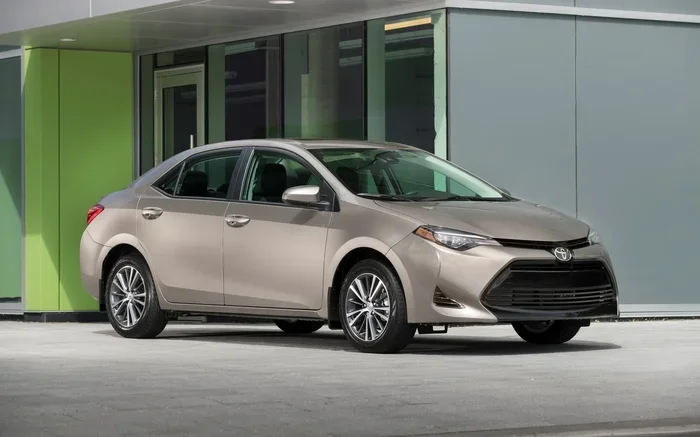
How Can I Make My Toyota Corolla More Fuel Efficient Today
Making your Toyota Corolla more fuel efficient is easier than you think. With a few simple maintenance habits, smarter driving techniques, and small upgrades, you can significantly improve your gas mileage and save money over time. This guide covers everything from basic car care to advanced fuel-saving strategies that work.
Want to squeeze every last mile out of a gallon? If you drive a Toyota Corolla, you already own one of the most reliable cars on the road. But even the best vehicles can lose fuel efficiency over time. The good news is that improving your Toyota Corolla fuel efficiency does not require expensive repairs or a mechanic on speed dial.
In this guide, we will walk you through practical steps that actually work. From simple car maintenance tips to driving habit changes, you will find actionable advice you can start using today. Whether you drive a older model or a brand new hybrid Toyota Corolla, these strategies apply.
Let us be real for a second. Fuel prices are not getting any cheaper. Every mile per gallon you gain saves you real money over the life of your car. And the best part? Most of these tips cost nothing or very little. You do not need to be a car expert either. If you can check your tire pressure, you can do most of what we recommend here.
Key Takeaways
- Regular maintenance like oil changes and air filter replacements keeps your Corolla running efficiently.
- Proper tire pressure can improve your MPG by up to 3%.
- Smoother driving habits such as avoiding rapid acceleration save fuel.
- Reducing excess weight in your car directly improves fuel economy.
- Small upgrades like aerodynamic accessories and fuel additives can help.
- Avoiding idling and using cruise control on highways boost mileage.
- Monitoring your fuel consumption helps you spot problems early.
📑 Table of Contents
- Understanding Fuel Efficiency in Your Toyota Corolla
- Simple Maintenance Tips for Better MPG
- Driving Habits That Improve Fuel Economy
- Upgrades and Modifications for Better Efficiency
- Common Mistakes That Kill Your Fuel Economy
- Tracking Your Fuel Efficiency Progress
- When to Seek Professional Help
- Conclusion
Understanding Fuel Efficiency in Your Toyota Corolla
Before we dive into fixes, let us talk about what fuel efficiency actually means. Fuel efficiency refers to how far your car travels on a given amount of fuel. Most people measure this as miles per gallon, or MPG. The higher your MPG, the less you spend at the gas station.
Your Toyota Corolla is designed to be a fuel-efficient car. That is one of the main reasons so many people buy it. But factory settings are not the end of the story. Over time, wear and tear, driving habits, and environmental factors all affect your fuel consumption. Understanding this helps you see why small changes matter so much.
What Affects MPG in a Toyota Corolla?
Several factors influence how many miles you get per gallon. Here are the biggest ones:
- Engine condition: A well-tuned engine burns fuel more cleanly and efficiently.
- Tire pressure: Underinflated tires create rolling resistance, which forces your engine to work harder.
- Driving style: Aggressive acceleration and hard braking waste fuel fast.
- Vehicle weight: Extra load means your engine burns more gas. If you are wondering about this, you can check Can I Put Too Much Weight In My Car for more details.
- Aerodynamics: Roof racks and open windows create drag that reduces efficiency.
- Fuel quality: Using the right octane level keeps your engine running smoothly.
Knowing these factors helps you prioritize which changes will give you the biggest mileage improvement. You do not need to fix everything at once. Start with the easiest wins and build from there.
Simple Maintenance Tips for Better MPG
Regular maintenance is the foundation of good fuel economy. Skipping service intervals might seem harmless, but small problems compound into big efficiency losses over time. The great thing is that most maintenance tasks are cheap and fast.
Keep Up With Oil Changes
Clean oil reduces friction inside your engine. When oil gets old and dirty, it does not lubricate as well. This means your engine works harder and burns more fuel. Stick to the oil change schedule in your owner manual. Using the recommended motor oil grade also matters. Thicker oil than your engine needs can reduce efficiency.
Replace Your Air Filter Regularly
A clogged air filter restricts airflow to your engine. Your engine then burns more fuel to produce the same power. Replacing a dirty air filter is one of the cheapest ways to improve fuel economy. You can do this yourself in about five minutes. If you are not sure how, you might want to do your own car diagnostics to check if your air filter is holding you back.
Check Your Oxygen Sensor and Spark Plugs
Your oxygen sensor tells your engine how much fuel to mix with air. When it fails, your engine can run rich, meaning it burns too much gas. Spark plugs also play a big role. Worn plugs cause incomplete combustion, which wastes fuel and reduces power. Replacing these parts is inexpensive and can noticeably boost your MPG.
Use the Right Fuel
Most Toyota Corolla models run perfectly fine on regular unleaded gasoline. You do not need premium fuel unless your owner manual specifically says so. Using a higher octane than needed wastes money without improving performance. If you are curious about octane levels, you can read more about Can I Put 88 Octane In My Car to understand fuel options better.
Driving Habits That Improve Fuel Economy
How you drive matters just as much as how you maintain your car. Changing a few habits can lead to noticeable improvements in your fuel efficiency within weeks.
Accelerate Gently and Smoothly
Jackrabbit starts are the enemy of fuel economy. When you slam the accelerator, your engine floods with fuel. Instead, press the gas pedal gently and steadily. You will use less fuel and your engine will thank you. Think of it as driving like you have a raw egg under the pedal. Smooth and gentle wins every time.
Maintain a Steady Speed
Constantly speeding up and slowing down wastes fuel. On highways, use cruise control to keep a steady speed. This is especially effective on flat terrain. However, be cautious on hilly roads where cruise control may cause unnecessary gear changes.
Avoid Excessive Idling
Idling gets zero miles per gallon. If you are parked for more than a minute, turn off your engine. Modern cars use less fuel restarting than idling for extended periods. This is a simple habit that adds up to real savings over time.
Use Cruise Control Wisely
Cruise control helps maintain a consistent speed, which improves mileage improvement on flat roads. But on hilly terrain, it can cause your engine to work harder by constantly adjusting speed. Use cruise control on highways and flat roads for the best results.
Plan Your Trips Smartly
Combining errands into one trip saves fuel. Cold starts use more gas, so running multiple stops in one outing is more efficient. Also, try to avoid peak traffic hours when possible. Stop-and-go traffic is one of the worst things for fuel economy.
Upgrades and Modifications for Better Efficiency
If you want to go beyond basic maintenance and driving habits, there are some upgrades that can help. These are not expensive, but they do require a bit of effort.
Install Low Rolling Resistance Tires
Specialized tires designed for fuel efficiency reduce rolling resistance. This means your engine does not have to work as hard to keep the car moving. While these tires cost a bit more upfront, the fuel savings over time can offset the extra cost. Just make sure to maintain proper pressure, because even the best tires lose efficiency when underinflated.
Add Aerodynamic Accessories
Roof racks and cargo carriers create drag. Even when empty, they reduce your fuel economy. Remove them when you are not using them. If you need a roof rack, consider a removable one that you can store inside your garage. You can also install splash guards yourself to improve airflow under your vehicle, which helps reduce drag.
Consider Fuel System Cleaners
Over time, carbon deposits build up in your fuel system. These deposits reduce engine efficiency. Using a quality fuel system cleaner can help remove buildup and restore performance. Look for cleaners that are compatible with your engine type. A clean fuel system means better combustion and better MPG.
Upgrade to a More Efficient Air Filter
High-flow air filters allow more air into your engine, which can improve combustion efficiency. These are inexpensive and easy to install. Just make sure to clean or replace them regularly, as a dirty high-flow filter can actually hurt performance.
Common Mistakes That Kill Your Fuel Economy
Some habits quietly destroy your Toyota Corolla fuel efficiency without you even realizing it. Here are the most common mistakes drivers make:
- Ignoring the check engine light: Even a small issue like a loose gas cap can trigger the light and reduce efficiency. If you notice the light, address it promptly.
- Carrying unnecessary weight: Every extra pound forces your engine to work harder. Clean out your trunk and remove items you do not need. For more on this topic, check Can I Put Too Much Weight In My Car.
- Using the wrong gear: Driving in too low a gear at high speeds strains your engine. Use the highest gear possible for your speed.
- Neglecting tire rotations: Uneven tire wear increases rolling resistance and reduces MPG. Rotate your tires every 5,000 to 7,500 miles.
- Overusing the AC: Air conditioning puts extra load on your engine. At low speeds, consider opening windows instead. At highway speeds, keep the windows up and use the AC, as open windows create more drag.
- Ignoring fuel injector cleaning: Dirty injectors spray fuel inefficiently. Periodic cleaning keeps them working properly.
Avoiding these mistakes alone can recover lost MPG and keep your Corolla running at its best. Many of these fixes are free or cost just a few dollars.
Tracking Your Fuel Efficiency Progress
How do you know if your changes are working? You need to track your fuel economy over time. Here is how to do it effectively.
Start by recording your MPG every time you fill up. Note the odometer reading and the number of gallons you purchased. After a few weeks, you will see patterns emerge. You can also use apps or even a simple spreadsheet to log your data.
If you want a more high-tech approach, you can download an app that monitors your fuel usage in real time. These tools give you instant feedback and help you identify which changes are making the biggest difference.
Tracking also helps you catch problems early. If your MPG suddenly drops, something is wrong. It could be a faulty sensor, a tire issue, or a fuel system problem. Catching it early saves you money and keeps your car running efficiently.
When to Seek Professional Help
Most fuel efficiency improvements are DIY-friendly. But sometimes, professional help is the right call. If you have tried all the tips above and your MPG is still poor, it might be time for a professional inspection.
A mechanic can check things like your fuel injector condition, engine timing, and exhaust system health. They can also run a full diagnostic to find hidden issues. Sometimes a sensor replacement or a minor repair makes a huge difference in your fuel consumption.
Do not ignore persistent problems. A small issue today can become an expensive repair tomorrow. And it will definitely hurt your fuel economy in the meantime.
Conclusion
Improving your Toyota Corolla fuel efficiency is within your reach. You do not need expensive parts or a dealership visit. Start with the basics: keep up with maintenance, watch your tire pressure, and adjust your driving habits. These simple steps alone can make a real difference.
From there, you can explore upgrades and habit changes that push your MPG even higher. Every small improvement adds up over months and years. You will save money, reduce emissions, and enjoy a better driving experience.
The best part is that none of this is complicated. You do not need to be a mechanic or a tech wizard. Just stay consistent, stay mindful, and your Toyota Corolla will reward you with better fuel economy every time you hit the road.
Frequently Asked Questions
How can I improve my Toyota Corolla’s fuel efficiency?
Start with regular maintenance like oil changes, air filter replacements, and tire pressure checks. Combine this with smoother driving habits such as gentle acceleration and steady speeds. These simple steps can noticeably improve your Toyota Corolla fuel efficiency within a few weeks.
What is the average MPG for a Toyota Corolla?
Most Toyota Corolla models average between 30 and 40 MPG depending on the year, engine type, and driving conditions. Hybrid models tend to achieve higher numbers. Your actual mileage will vary based on how you drive and how well you maintain the vehicle.
Does tire pressure really affect fuel economy?
Yes, absolutely. Underinflated tires create more rolling resistance, which forces your engine to burn extra fuel. Keeping your tires at the recommended pressure can improve your MPG by up to 3%. Check your tire pressure at least once a month.
Can I do my own car diagnostics to find fuel efficiency issues?
Yes, you can! Basic diagnostics like checking your air filter, oxygen sensor, and spark plugs are easy to do at home. For more guidance, you can read about Can I Do My Own Car Diagnostics to learn what to look for and how to fix common issues yourself.
Does removing excess weight from my car help save fuel?
Yes, it does. Extra weight makes your engine work harder, which increases fuel consumption. Clearing out unnecessary items from your trunk and cabin is one of the easiest ways to boost fuel economy. Every pound removed helps, especially in a smaller car like the Corolla.
How often should I change my air filter for best fuel efficiency?
Most experts recommend replacing your air filter every 12,000 to 15,000 miles, or more often if you drive in dusty conditions. A clean air filter allows better airflow to your engine, which improves combustion and boosts fuel efficiency. It is one of the cheapest and easiest maintenance tasks you can do.