How Do I Know If My Car Is in Sports Mode Right Now
How Do I Know If My Car Is in Sports Mode Right Now? You can tell by checking your dashboard display, listening for a louder engine sound, and feeling a sharper throttle response. Sports mode changes your car’s throttle, transmission, and steering to give you a more engaging drive. In this guide, we walk you through every sign, button, and setting so you can spot it instantly.
How Do I Know If My Car Is in Sports Mode Right Now? It is a question many drivers ask, especially if they just bought a new vehicle or borrowed someone else’s car. The answer is simpler than you might think. Most modern cars give you clear visual, audio, and physical cues that tell you exactly what driving mode you are in. Once you know what to look for, you will never second-guess it again.
Sports mode changes how your car feels, sounds, and performs. It adjusts the throttle, tightens the steering, shifts the transmission differently, and sometimes even changes the suspension. Whether you are driving a sedan, SUV, or truck, understanding these changes helps you get the most out of your vehicle. In this article, we break down every way you can tell if your car is in sports mode, how to activate it, and when it makes sense to use it.
We will also cover common mistakes, expert tips, and frequently asked questions. By the end, you will be a pro at spotting and using sports mode confidently. Let us dive in.
Key Takeaways
- Dashboard Display: Most modern cars show a “Sport” or “S” icon on the console display when sports mode is active.
- Engine Sound Changes: Your engine will sound louder and more aggressive, often with a sport exhaust note.
- Throttle Response: The pedal feels more sensitive, giving you an acceleration boost right away.
- Steering and Suspension: Steering feels heavier and tighter, and the sport suspension becomes stiffer for sporty handling.
- Transmission Shift Points: The gearbox holds higher RPM revs before shifting, keeping the engine in its power band.
- Drive Mode Selector: Many cars have a dedicated drive mode selector or sports mode button on the console or steering wheel.
- Use It Wisely: Sports mode is great for open roads but can reduce fuel efficiency and wear tires faster on daily commutes.
📑 Table of Contents
- What Sports Mode Actually Does
- Signs Your Car Is in Sports Mode Right Now
- How to Activate Sports Mode
- Sports Mode vs Normal Mode: A Side-by-Side Look
- When to Use Sports Mode and When to Avoid It
- Common Mistakes People Make with Sports Mode
- Expert Tips for Getting the Most Out of Sports Mode
- Does Sports Mode Damage Your Car?
- Key Takeaways
- Conclusion
What Sports Mode Actually Does
Before you can spot sports mode, you need to understand what it does to your car. Sports mode is a driving setting that reconfigures several systems at once. It is not just one change. It is a package of adjustments designed to make your car feel more responsive and engaging.
Different brands call it different things. Some use the term “sport mode,” others say “dynamic mode” or “performance mode.” But the core idea is the same. The car prioritizes responsiveness over comfort and fuel savings.
How the Engine Changes
When you switch on sports mode, the engine management system changes. It allows the throttle to open wider and faster. This means when you press the gas pedal, the car responds more quickly. You get an acceleration boost that makes passing and merging feel much easier.
The engine sound also changes. Many cars in sport mode produce a louder, more aggressive note. This comes from the engine revving higher and the sport exhaust system opening up. Even cars without a true sport exhaust will sound more present and lively.
How the Transmission Reacts
Your transmission shifts differently in sports mode. Instead of shifting early to save fuel, the gearbox holds higher RPM revs longer. This keeps the engine in its power band, where it produces the most torque and horsepower.
If your car has paddle shifters, sports mode often makes them more responsive. You can hold a lower gear longer and enjoy rev matching on downshifts. The result is a more connected and engaging driving experience.
Steering and Suspension Adjustments
Sports mode also affects how the car feels on the road. The steering feel becomes heavier and more precise. You will notice more feedback through the wheel, especially at higher speeds.
The suspension stiffness increases too. The car sits lower and firmer, reducing body roll during cornering. This is what people mean by sporty handling. The ride may be firmer, but the car feels more planted and confident.
Signs Your Car Is in Sports Mode Right Now
Now that you know what sports mode does, let us talk about how to spot it. There are several clear signs that your car has switched into this driving mode. You do not need to be a mechanic to notice them.
Check the Dashboard Display
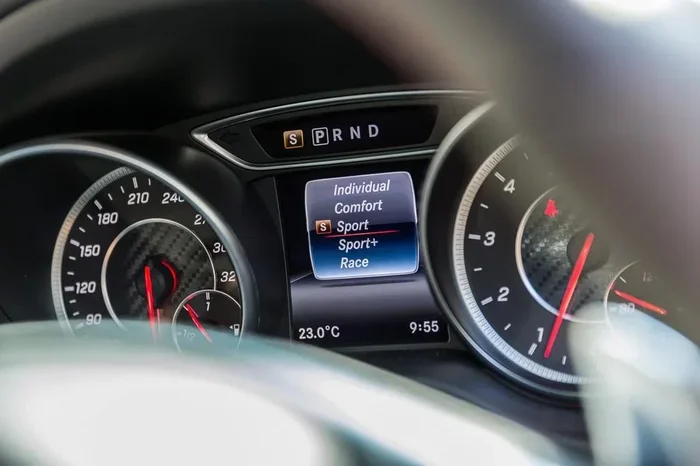
The easiest way to confirm your drive mode selector setting is to look at the dashboard. Most modern cars display the current driving mode on the console display or the instrument cluster. You might see the word “Sport,” the letter “S,” or a small icon that looks like a car with curved lines.
If your car has a full digital display, it may even show a color change. For example, the background might turn red or orange when sports mode is active. Check your owner’s manual if you are not sure what the symbol looks like for your specific model.
Listen to the Engine Sound
Your ears are one of the best tools for detecting sports mode. When you switch into this mode, the engine note becomes deeper and more aggressive. The engine sound sports mode produces is unmistakable once you have heard it.
You might also hear a sport exhaust crackle on deceleration. Some cars even mimic this sound through speakers if they do not have a true performance exhaust. Either way, the sound change is one of the most obvious indicators.
Feel the Throttle Response
Press the gas pedal gently and pay attention. In sports mode, the throttle response is much sharper. The car surges forward more eagerly compared to normal mode. This acceleration boost is one of the first things you will feel.
Even small moves of the pedal produce a bigger reaction. This is by design. The car wants to give you instant access to power whenever you ask for it.
Notice the Steering Weight
Turn the steering wheel slowly and feel the weight. In sports mode, the steering typically feels firmer and more weighted. You get better feedback from the road, which improves your sense of control.
This change in steering feel is subtle but noticeable. If your car has variable ratio steering or adaptive dampers, the difference becomes even more apparent.
Watch the Tachometer
Glance at the tachometer or RPM gauge. In sports mode, the engine often runs at higher RPM revs than it would in normal mode. The transmission shift points are delayed, meaning the car stays in lower gears longer.
This is why sports mode feels more lively. The engine is always closer to its peak power output, giving you better performance when you need it.
How to Activate Sports Mode
If your car is not currently in sports mode and you want to try it, the process is usually simple. Most vehicles make it easy to switch between driving modes.
Using the Drive Mode Button
Look for a button labeled “Drive Mode,” “Mode,” or “Sport.” It is often located on the center console, near the gear shifter, or on the steering wheel. Pressing it cycles through the available modes.
Common modes include Eco, Normal, Sport, and sometimes Sport+ or Individual. Each mode adjusts the car performance settings differently. Sport mode is usually the middle ground between comfort and full performance.
What If Your Car Does Not Have a Button?
Some older or base-model cars do not have a drive mode selector. In these cases, you may need to look for a lever or switch near the gear shifter. Pulling it or flipping it might engage a sport setting.
Manual transmission cars often feel like they are in a kind of “sport mode” already because the driver controls the paddle shifters and rev matching. However, some manuals still offer a sport suspension or throttle setting.
Sports Mode vs Normal Mode: A Side-by-Side Look
It helps to compare sports mode directly with normal mode. This makes the differences clear and easy to understand.
| Feature | Normal Mode | Sports Mode |
|---|---|---|
| Throttle Response | Soft and gradual | Sharp and immediate |
| Transmission Shifts | Early for fuel economy | Delayed, holds higher RPMs |
| Steering Weight | Light and comfortable | Firmer and more responsive |
| Suspension | Soft for comfort | Stiffer for sporty handling |
| Engine Sound | Quiet and muted | Louder and more aggressive |
| Fuel Economy | Better | Lower |
| Engine Braking | Mild | Stronger |
| Vehicle Stability Control | Standard intervention | Allows more wheel slip |
This table shows why sports mode feels so different. Every system in the car shifts toward performance. The trade-off is comfort and fuel economy, but the driving experience is much more engaging.
When to Use Sports Mode and When to Avoid It
Sports mode is not always the right choice. Knowing when to use it and when to leave it off will save you fuel, reduce wear, and keep your car running smoothly.
Best Situations for Sports Mode
Use sports mode when you are driving on open roads, winding highways, or track days. It is perfect for situations where you want full control and maximum responsiveness. Sport driving mode shines when you have room to enjoy the car’s full potential.
Other great times to use it include:
- Merging onto highways where you need quick acceleration
- Driving through curvy back roads
- Towing or hauling when you need more engine power
- Enjoying a weekend cruise with the top down
When Sports Mode Is a Bad Idea
Avoid sports mode in heavy traffic or during your daily commute. The firmer suspension and sharper throttle make stop-and-go driving tiring. You will also notice a drop in fuel economy, which adds up over time.
Wet or icy roads are another time to stay out of sports mode. The reduced vehicle stability control intervention can make the car harder to control on slippery surfaces. Stick to normal or eco mode when conditions are not ideal.
Common Mistakes People Make with Sports Mode
Even experienced drivers make mistakes when using sports mode. Here are the most common ones to avoid.
- Leaving it on all the time: This wears out your tires faster and kills your fuel economy. Use it only when you need the extra performance.
- Ignoring the warning signs: If your car shows a warning light while in sports mode, do not ignore it. Overheating or low oil pressure can happen under hard driving.
- Confusing sport mode with low gear: Some drivers think sports mode means the car is always in a low gear. It does not. The transmission still shifts, just at higher RPMs.
- Using it on rough roads: The stiffer sport suspension can make potholes and bumps much harsher. Avoid it on poorly maintained roads.
- Assuming all cars work the same: Every manufacturer tunes sports mode differently. What feels sporty in one car might feel mild in another.
Expert Tips for Getting the Most Out of Sports Mode
Want to really enjoy your car in sports mode? Here are some pro tips that make a big difference.
- Warm up your engine first. Let the car idle for a minute or two before switching modes. This ensures the oil is flowing and the engine is at the right temperature for performance driving.
- Use paddle shifters for full control. If your car has them, manual shifting in sports mode gives you the most engaging experience. You control the transmission shift points directly.
- Pay attention to tire grip. Sports mode puts more stress on your tires. Make sure your tread is in good shape and your tires are properly inflated.
- Monitor your temperature gauges. Hard driving in sport mode can raise engine and transmission temperatures. Keep an eye on them during long spirited drives.
- Pair it with good driving habits. Sports mode amplifies your inputs. Smooth inputs in sport mode feel amazing. Jerky inputs can upset the car.
- Check your console display regularly. Many cars show real-time driving dynamics data in sport mode, including G-forces and power output. Use this information to learn your car better.
These tips help you stay safe while enjoying everything sports mode has to offer. The key is balance. Use the mode when it adds value and switch back when it does not.
Does Sports Mode Damage Your Car?
A common concern is whether sports mode harms the vehicle. The short answer is no, not if you use it responsibly. Modern cars are engineered to handle the extra stress that comes with sport driving.
The engine, transmission, and brakes are all built to tolerate harder use. That said, constantly driving in sports mode does increase wear on certain components. Brake pads, tires, and transmission fluid may need attention more often.
The drive mode selector exists precisely for this purpose. Car makers designed it so you can switch between comfort and performance as needed. Use it as intended, and your car will reward you with a much more enjoyable driving experience.
Key Takeaways
- Dashboard Display: Most modern cars show a “Sport” or “S” icon on the console display when sports mode is active.
- Engine Sound Changes: Your engine will sound louder and more aggressive, often with a sport exhaust note.
- Throttle Response: The pedal feels more sensitive, giving you an acceleration boost right away.
- Steering and Suspension: Steering feels heavier and tighter, and the sport suspension becomes stiffer for sporty handling.
- Transmission Shift Points: The gearbox holds higher RPM revs before shifting, keeping the engine in its power band.
- Drive Mode Selector: Many cars have a dedicated drive mode selector or sports mode button on the console or steering wheel.
- Use It Wisely: Sports mode is great for open roads but can reduce fuel efficiency and wear tires faster on daily commutes.
Conclusion
So, how do I know if my car is in sports mode right now? The answer is all around you. Check the dashboard display, listen to the engine, feel the throttle, and notice the steering weight. These signs are clear and easy to spot once you know what to look for.
Sports mode is a powerful tool that transforms how your car drives. It makes the throttle sharper, the steering firmer, and the overall experience more engaging. Whether you are cruising on a highway or carving through mountain roads, knowing how to use and identify this mode gives you more control and confidence behind the wheel.
Use the tips in this guide to get the most out of your car every time you get behind the wheel. Switch modes intentionally, drive safely, and enjoy the ride. Your car was built to do more than just get you from point A to point B. Sports mode helps you unlock that full potential.
Frequently Asked Questions
Can I switch to sports mode while driving?
Yes, in most cars you can switch to sports mode while driving. The change happens instantly, and your car adjusts its settings on the fly. Just make sure you are in a safe situation before toggling any settings.
Does sports mode use more gas?
Yes, sports mode typically reduces fuel economy. The engine runs at higher RPMs and the throttle responds more aggressively, which burns more fuel. It is best to use this mode when you really want the extra performance.
What does the “S” on my gear shifter mean?
The “S” stands for “Sport.” It means your car is in sports mode or a manual-like mode where you can control the transmission shift points. The car will hold lower gears longer and keep the engine in its power range.
Is it okay to leave my car in sports mode overnight?
There is no harm in leaving the car in sports mode overnight. However, it is best practice to return to normal mode for daily driving. This preserves fuel, reduces wear, and keeps your ride comfortable.
Will sports mode make my car faster?
Sports mode does not increase your car’s top speed or add horsepower. What it does is make the car respond faster and feel more alive. The acceleration boost and sharper throttle response give the impression of more power.
Do all cars have a sports mode?
Not all cars have a dedicated sports mode. Many economy and base-model vehicles only offer Eco and Normal modes. However, most mid-range and premium vehicles include a drive mode selector with a sport option. Check your owner’s manual to confirm.