Does Car Insurance Cover Hail Damage to Your Vehicle
Yes, car insurance can cover hail damage, but only if you have comprehensive coverage. Standard liability policies do not pay for weather-related damage to your vehicle. This guide explains everything you need to know about hail damage car insurance, from filing a claim to understanding repair costs and deductibles.
Key Takeaways
- Comprehensive coverage is required: Only comprehensive car insurance pays for hail damage, not basic liability plans.
- Deductibles apply: You must pay your deductible before your insurer covers the rest of the repair cost.
- Paintless dent repair works well: This affordable method fixes most hail dents without repainting your car.
- File claims quickly: Prompt reporting helps speed up the insurance claim process and avoids disputes.
- Hail can total your car: Severe storms may cause enough damage to declare your vehicle a total loss.
- Prevention helps: Using car covers and parking strategically can reduce hail damage risk.
📑 Table of Contents
- What Is Hail Damage and How Does It Affect Your Vehicle?
- Does Your Car Insurance Cover Hail Damage?
- How to File a Hail Damage Insurance Claim
- Hail Damage Repair Costs and Options
- When Does Hail Damage Total Your Car?
- How to Prevent Hail Damage to Your Vehicle
- Common Mistakes to Avoid After Hail Damage
- Final Thoughts on Hail Damage and Car Insurance
What Is Hail Damage and How Does It Affect Your Vehicle?
Hail storms can turn a sunny day into a nightmare for car owners. Those tiny balls of ice can leave your vehicle looking like it went through a war. If you have ever walked out to your car after a storm and seen dozens of dents and cracks, you know the feeling. The big question is simple: does your car insurance cover hail damage? The answer depends on your policy, your coverage type, and the extent of the damage. In this article, we will walk you through everything you need to know about hail damage car insurance. We will cover what comprehensive coverage means, how to file a claim, what repairs cost, and when hail damage might total your car.
Understanding your car insurance policy can feel overwhelming. There are so many terms, conditions, and fine print to read. But knowing your coverage before a storm hits can save you a lot of stress and money. Whether you live in a region prone to severe weather or you are just curious about your policy, this guide has you covered. Let us dive into the details of how auto insurance works when hail strikes.
Hail damage comes in many forms. Some dents are tiny and barely noticeable. Others can be deep enough to crack your windshield or damage your body panels. The severity depends on the size of the hail, the wind speed, and how long the storm lasts. Here are the most common types of weather-related damage caused by hail:
- Dents and dings: Small to medium indentations on the hood, roof, and doors.
- Cracked or shattered windshield: A direct hit from large hail can break your glass.
- Paint damage: Hail can chip or scratch the paint, leading to rust over time.
- Window and mirror damage: Side mirrors and rear windows are also vulnerable.
- Body panel damage: Severe hail can dent or bend metal panels, affecting the car’s structure.
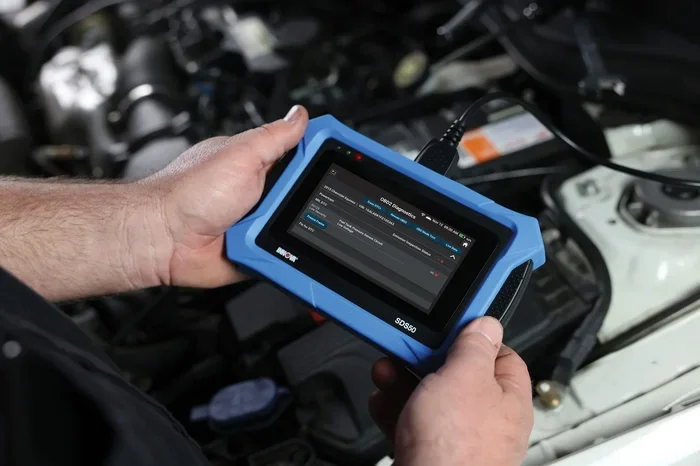
After a hailstorm, it is important to assess the damage as soon as possible. You can do your own car diagnostics to get a rough idea of the damage. Take photos from multiple angles and note every dent and crack. This documentation will be very helpful when you file your claim.
How Big Does Hail Need to Be to Cause Damage?
Even small hail can cause damage. Pea-sized hail (about a quarter inch) can leave minor dents. Marble-sized hail (about half an inch) can crack windshields and cause deeper dents. Golf ball-sized hail (1.75 inches) or larger can cause serious structural damage. The bigger the hail, the more expensive the repairs will be. Storms with strong winds are especially dangerous because the ice hits your car at higher speeds.
Does Your Car Insurance Cover Hail Damage?
The short answer is: it depends on your coverage. Most standard car insurance policies include liability coverage, which pays for damage you cause to others. But liability coverage does not pay for damage to your own car. To get coverage for hail damage, you need comprehensive coverage. This is also called “other than collision” coverage in some policies.
Comprehensive coverage pays for weather-related damage and other non-collision events. This includes hail, floods, fire, theft, and falling objects. If you have comprehensive coverage and your car gets damaged by hail, your insurer should pay for repairs minus your deductible.
What Is Comprehensive Coverage?
Comprehensive coverage is an optional add-on to your basic auto insurance policy. It covers damage to your car from events that are not caused by a collision with another vehicle. Here is what comprehensive coverage typically includes:
- Hail damage
- Flood damage
- Fire damage
- Theft and vandalism
- Falling objects like tree branches
- Earthquake damage
- Civil unrest damage
Not all drivers carry comprehensive coverage. If you have an older car with low market value, you might decide to drop it to save on premiums. But if you live in an area with frequent storms, keeping comprehensive coverage is a smart move. Think about how you would pay for repairs without it.
How Does a Deductible Work for Hail Damage Claims?
Your car insurance deductible is the amount you pay out of pocket before your insurance kicks in. For example, if you have a $500 deductible and your hail damage repair costs $3,000, your insurer pays $2,500 and you pay $500. Deductibles for comprehensive coverage usually range from $250 to $1,000. Choose a deductible you can afford to pay in an emergency.
Some policies offer a deductible waiver for certain types of claims. Check with your insurer to see if this option is available. A deductible waiver means you do not have to pay anything out of pocket for covered claims.
How to File a Hail Damage Insurance Claim
Filing a claim for hail damage is a straightforward process, but timing matters. The sooner you act, the better your chances of a smooth experience. Here is a step-by-step guide to help you through the process.
Step 1: Document the Damage
Before you call your insurer, take detailed photos and videos of all the damage. Capture every dent, crack, and scratch. Include close-up shots and wide-angle photos that show the overall condition of your vehicle. Write down the date and time of the storm if you know it. Keep any weather reports or news articles about the hailstorm as evidence.
Step 2: Contact Your Insurance Company
Call your insurance provider as soon as possible after the storm. Most companies have a 24-hour claims hotline. Report the damage clearly and provide all the documentation you gathered. Ask about your deductible and what to expect during the repair process.
Step 3: Get an Estimate
Your insurer may require an official estimate from a licensed auto body repair shop. You can also visit a dealership or an independent mechanic. The estimate should include the cost of all repairs, parts, and labor. Share this estimate with your insurance adjuster.
Step 4: Choose a Repair Shop
Most insurers let you choose where to repair your car. Some companies have preferred shops that offer direct billing, which means you do not pay anything upfront. You can also choose your own shop, but you may need to pay the deductible first and get reimbursed later.
Step 5: Get Your Car Repaired
Once the claim is approved, you can take your car in for repairs. Keep all receipts and paperwork. Follow up with your insurer if the process takes longer than expected. Being organized and proactive helps speed things along.
Hail Damage Repair Costs and Options
The cost of repairing hail damage varies widely. It depends on the size and number of dents, the type of car, and the repair method. Minor hail damage might cost a few hundred dollars. Severe damage can run into thousands. Here is a breakdown of common repair options and their costs.
Paintless Dent Repair (PDR)
Paintless dent repair is the most popular method for fixing hail dents. A technician uses special tools to gently push the dents out from behind the panel. This method does not require sanding, filling, or repainting. It is faster, cheaper, and preserves your car’s original paint. PDR costs typically range from $50 to $150 per dent.
Traditional Body Repair
For deeper dents or damage that has cracked the paint, traditional body repair may be necessary. This process involves sanding, filling, priming, and repainting the affected area. It costs more than PDR and takes longer. Traditional repairs can range from $200 to $1,000 per panel depending on the severity.
Windshield Replacement
If hail cracks or shatters your windshield, you will need a replacement. Windshield replacement typically costs between $200 and $400 for most vehicles. Many comprehensive policies cover windshield replacement with no deductible or a reduced deductible. Check your policy details to confirm.
When to Consider a Total Loss Claim
In some cases, the cost of repairs exceeds the value of the car. When this happens, your insurer may declare the vehicle a total loss. This is similar to what happens when hitting a deer totals your car. The insurer pays you the actual cash value of the vehicle, and you can use that money toward a replacement. Total loss claims are less common for hail damage but do happen with severe storms.
| Repair Type | Average Cost Range | Best For |
|---|---|---|
| Paintless Dent Repair | $50 – $150 per dent | Minor to moderate dents with intact paint |
| Traditional Body Repair | $200 – $1,000 per panel | Deep dents with paint damage |
| Windshield Replacement | $200 – $400 | Cracked or shattered windshields |
| Total Loss Settlement | Actual cash value of vehicle | Severe damage exceeding repair costs |
When Does Hail Damage Total Your Car?
Most hailstorms cause cosmetic damage that is repairable. But in extreme cases, the damage can be so extensive that the car is not worth fixing. Insurance companies use a simple formula to determine if a car is a total loss. If the cost of repairs plus your deductible exceeds the actual cash value of the vehicle, it is declared a total loss.
Several factors influence whether hail damage totals your car. The age and condition of the vehicle matter. An older car with low market value is more likely to be totaled than a newer one. The number and depth of dents also play a role. If the structural integrity of the car is compromised, the insurer may also consider it a total loss.
It is worth noting that weight and load can also affect how your car handles damage. For example, carrying too much weight in your car can weaken the structure over time, making it more susceptible to damage. Keep your vehicle within its recommended weight limits for the best protection.
What to Do If Your Car Is Totaled by Hail
If your insurer declares your car a total loss, you have options. You can accept the settlement and use it toward a new vehicle. You can also dispute the valuation if you believe it is too low. Gather evidence of your car’s value, such as recent maintenance records, similar listings in your area, and Kelley Blue Book values. Being prepared strengthens your position in negotiations.
How to Prevent Hail Damage to Your Vehicle
Prevention is always better than repair. While you cannot control the weather, you can take steps to reduce the risk of hail damage to your car. Here are some practical tips that every car owner should know.
1. Park in a Garage or Covered Area
The best protection is a solid roof over your car. If you have a garage, use it. If not, look for covered parking at shopping centers, parking garages, or carports. Even a carport can significantly reduce hail damage during a storm.
2. Use a Car Cover
Heavy-duty car covers can absorb the impact of small to medium-sized hail. Look for covers specifically designed for storm protection. They are not foolproof, but they can reduce the severity of dents and paint damage.
3. Monitor Weather Alerts
Pay attention to weather forecasts and storm warnings. If a hailstorm is predicted, move your car to a safe location ahead of time. Many weather apps send push notifications for severe weather alerts in your area. This simple habit can save you hundreds of dollars in repair costs.
4. Install Hail Guards or Screens
Some car owners install removable hail guards or screens over their windshields and sunroofs. These are especially popular in areas with frequent hailstorms. They are an affordable investment that can prevent costly windshield replacements.
5. Keep Your Insurance Updated
Review your auto insurance policy at least once a year. Make sure you have adequate comprehensive coverage. Update your policy if you have made modifications to your car or if its value has changed. Staying informed about your coverage ensures you are protected when the unexpected happens.
Common Mistakes to Avoid After Hail Damage
After a hailstorm, many car owners make mistakes that can cost them time and money. Here are some common errors to avoid:
- Waiting too long to file a claim: Delays can raise questions about the cause of the damage and may result in a denied claim.
- Not documenting the damage: Without photos and written records, it is harder to prove the extent of the damage.
- Choosing the cheapest repair shop: Low-cost shops may use inferior parts or techniques that do not last. Choose a reputable shop with good reviews.
- Ignoring minor damage: Small dents can lead to rust and corrosion over time. Fix them promptly to avoid bigger problems.
- Assuming all damage is covered: Read your policy carefully. Some policies have exclusions or limits that you should understand before filing a claim.
Final Thoughts on Hail Damage and Car Insurance
Hail damage is frustrating, but knowing your coverage makes a big difference. If you have comprehensive car insurance, hail damage is typically covered. Make sure you understand your deductible, your claim process, and your repair options. Document everything, act quickly, and choose a reputable repair shop.
Car insurance is designed to protect you from the unexpected. Storms are unpredictable, but your preparation does not have to be. Take the time to review your policy today so you are ready if a hailstorm ever hits. Being proactive now can save you from a headache later.
Living in an area with frequent storms means you need to be especially careful about your coverage. Talk to your insurance agent about your specific needs. Ask questions about your deductible, your limits, and any special endorsements that might benefit you. A few minutes of conversation now can save you thousands of dollars down the road.
Remember, your car is one of your biggest investments. Protecting it with the right insurance coverage is one of the smartest decisions you can make. Do not wait until after a storm to find out what your policy covers. Take action today and drive with confidence, knowing you are prepared for whatever weather comes your way.
Frequently Asked Questions
Does full coverage car insurance cover hail damage?
Full coverage typically includes both liability and comprehensive coverage. Comprehensive coverage pays for hail damage, so yes, full coverage usually covers hail damage to your vehicle. Check your specific policy to confirm the details.
Will filing a hail damage claim raise my insurance premium?
It depends on your insurer and your claims history. Many comprehensive claims are considered not-at-fault and may not raise your premium. However, frequent claims can still impact your rates. Contact your insurer to understand their specific policy.
How long do I have to file a hail damage insurance claim?
Most insurance companies recommend filing a claim as soon as possible after the damage occurs. While there is no strict deadline, delaying too long can complicate the process. Report the damage within a few days of the storm for the best results.
What if my hail damage claim is denied?
If your claim is denied, review the denial letter carefully. It may be missing documentation or fall under a policy exclusion. You can appeal the decision, provide additional evidence, or consult an insurance dispute attorney. Persistence often leads to a successful resolution.
Is paintless dent repair covered by insurance?
Yes, most comprehensive policies cover paintless dent repair as part of hail damage repairs. Your insurer pays for the repair minus your deductible. PDR is a preferred method because it is cost-effective and preserves your car’s original finish.
Can I rent a car while my hail damage claim is being processed?
Rental car coverage depends on your policy. Some comprehensive plans include rental reimbursement, while others do not. Check with your insurer to see if rental car coverage is available. If not, you may need to pay for a rental out of pocket while repairs are underway.