How Many Cars Does Ford Make a Year and Why It Matters
Ford Motor Company produces millions of vehicles annually across its global network of factories. Understanding Ford’s yearly output helps buyers gauge availability, compare it with competitors, and spot trends in the automotive market. This guide breaks down Ford’s production numbers, factory locations, and what they mean for consumers.
Ford Motor Company has been building cars for over a century. The company started with the Model T and now manufactures everything from pickup trucks to SUVs. But one question keeps coming up: how many cars does Ford make a year? The answer is more interesting than you might think.
Ford’s annual production numbers tell a big story about the global auto industry. They show which models people want, where demand is strongest, and how Ford competes with rivals like Toyota, Chevrolet, and Honda. Whether you are a car buyer, an investor, or just curious, knowing Ford’s yearly output gives you valuable context.
In this article, we will walk through Ford’s production numbers in detail. We will explore where Ford builds its vehicles, which models drive the highest output, and why these numbers matter to you as a consumer. Let us dive in.
Key Takeaways
- Ford produces around 1.5 to 2 million vehicles per year globally, depending on market demand and supply chain conditions.
- Ford operates major assembly plants in the United States, Mexico, China, and Europe to meet worldwide demand.
- The Ford F-Series dominates production and accounts for a huge share of Ford’s annual output.
- Production numbers directly impact car availability and pricing for buyers in different markets.
- Ford has shifted focus toward SUVs and trucks while reducing sedan production in recent years.
- Understanding Ford’s output helps buyers make smarter purchasing decisions and time their buys strategically.
📑 Table of Contents
- Ford’s Production Numbers Over the Years
- Where Does Ford Manufacture Its Cars?
- Popular Ford Models That Drive Production Numbers
- How Ford’s Output Compares to Other Automakers
- Why Ford’s Annual Production Matters to Buyers
- The Future of Ford’s Manufacturing
- Common Mistakes Buyers Make When Researching Production Numbers
- Expert Insights on Ford’s Production Strategy
- Key Takeaways
- Conclusion
Ford’s Production Numbers Over the Years
Ford’s yearly production has changed a lot over the decades. In the early days, Ford produced millions of Model T cars. At its peak, the company built a new car every few seconds on the assembly line. Those days are long gone, but Ford still remains one of the largest automakers in the world.
Recent Annual Production Figures
In recent years, Ford has produced roughly 1.5 to 2 million vehicles annually. The exact number changes based on several factors. Supply chain disruptions, semiconductor shortages, and shifting consumer demand all play a role. In 2022 and 2023, for example, global chip shortages slowed production across the entire industry, and Ford was no exception.
Here is a quick look at Ford’s approximate annual production in recent years:
- 2019: Around 2.3 million vehicles globally
- 2020: Around 1.8 million vehicles (pandemic impact)
- 2021: Around 1.6 million vehicles (chip shortage effects)
- 2022: Around 1.7 million vehicles (recovery phase)
- 2023: Around 1.8 to 2 million vehicles (gradual recovery)
These numbers show a clear pattern. Ford’s production dips during global crises and recovers when conditions improve. The company has shown resilience, but it is not immune to outside forces.
How Ford Measures Its Output
Ford measures production in units. A unit can be any vehicle, from a pickup truck to a compact car. The company tracks output across all its global factories. Ford also reports production by segment, including passenger cars, SUVs, trucks, and commercial vehicles. This breakdown helps analysts understand where Ford focuses its efforts.
One important thing to note: Ford’s numbers include vehicles sold worldwide. The company does not just count cars made for one country. This global approach means Ford’s production numbers reflect a complex web of demand across different markets.
Where Does Ford Manufacture Its Cars?
Ford operates assembly plants in many countries. The company has a truly global manufacturing footprint. Let us explore the key locations where Ford builds its vehicles.
United States Manufacturing Plants
The United States is Ford’s home market and its largest production base. Ford runs several major factories across the country. The Dearborn Truck Plant in Michigan is famous for building the Ford F-Series trucks. The Kansas City Assembly Plant produces the Ford Explorer and Ford Bronco. The Chicago Assembly Plant focuses on the Ford Explorer and Ford Police Interceptor Utility.
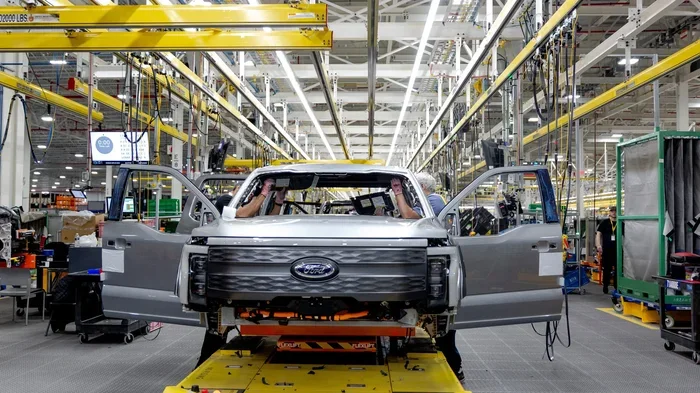
These plants employ thousands of workers and run multiple shifts to maximize output. Ford has invested heavily in modernizing its US facilities with advanced robotics and automation. This helps the company maintain high production volumes while ensuring quality.
International Manufacturing Hubs
Ford also manufactures vehicles outside the United States. In Mexico, Ford operates plants in Cuautitlán and Chihuahua. These facilities produce cars for both the North American and Latin American markets. Ford’s Mexican plants are especially known for building compact cars and crossovers.
In China, Ford has joint ventures with local automakers. The Changan Ford and Jiangling Motors partnerships help Ford produce vehicles tailored to Chinese buyers. Ford also has manufacturing operations in Thailand, India, and Vietnam to serve the growing Southeast Asian market.
In Europe, Ford has reduced its manufacturing footprint in recent years. The company closed several plants but still maintains operations in Romania and Russia (pre-2022). Ford’s European strategy now focuses more on importing vehicles and building a smaller number of high-demand models.
Popular Ford Models That Drive Production Numbers
Not all Ford models are created equal when it comes to production volume. Some models drive the bulk of Ford’s annual output. Understanding which models dominate gives you insight into Ford’s priorities.
The Ford F-Series: King of Production
The Ford F-Series is the best-selling truck line in the United States. Models like the Ford F-150, F-250, and F-350 account for a massive share of Ford’s total production. The F-Series alone can represent nearly 40 percent of Ford’s annual output. This is a remarkable figure and shows just how important trucks are to Ford’s business.
Ford builds F-Series trucks at multiple US plants. The Dearborn Truck Plant and the Kansas City Assembly Plant are the primary facilities. The high demand for F-Series trucks means these plants run almost constantly.
SUVs and Crossovers
SUVs have become a huge part of Ford’s lineup. The Ford Explorer, Ford Bronco, and Ford Escape are among the most popular models. Ford has shifted significant resources toward SUV production in recent years. This shift reflects consumer preferences. Buyers in the US and around the world prefer SUVs over sedans.
Ford also produces several 7-seater vehicles that appeal to families. If you are looking for a large family vehicle, you might want to check out 7-seater cars in India below 10 lakhs to see how Ford’s offerings compare in that segment. Ford’s 7-seater options, like the Endeavour, cater to specific markets where large families need extra seating.
Compact Cars and Hatchbacks
Ford still produces compact cars, though in smaller numbers than before. The Ford Fiesta and Ford Focus were once mainstays of Ford’s passenger car lineup. In many markets, Ford has shifted toward hatchbacks and crossovers. For those interested in Ford’s smaller vehicles, you can explore 4-cylinder hatchback cars in India to see how Ford’s engine options compare with competitors.
Ford’s compact car production is more regional. The company focuses on markets where small cars sell well, such as India and parts of Europe. In the US, demand for compact cars has declined, so Ford produces fewer of them.
Engine Displacement and Production Choices
Ford offers engines across a wide range of displacements. From small 3-cylinder EcoBoost engines to powerful V8s, Ford covers many segments. The 1500cc to 2000cc range is particularly popular in emerging markets. If you want to understand how Ford’s engine options fit into the broader market, take a look at 1500cc to 2000cc cars in India for a detailed comparison.
Ford’s engine choices directly affect production planning. The company must balance supply for different engine types across its global network. This complexity is one reason why Ford’s production numbers can vary from year to year.
How Ford’s Output Compares to Other Automakers
Ford is not the largest automaker in the world. Companies like Toyota, Volkswagen, and Hyundai produce more vehicles annually. But Ford holds a strong position, especially in the truck and SUV segments.
Ford vs. Toyota
Toyota produces significantly more vehicles than Ford each year. Toyota’s annual output often exceeds 10 million units. Ford’s numbers are much smaller in comparison. However, Ford dominates in specific segments, particularly full-size trucks. The Ford F-Series outsells most Toyota models in the US market.
Ford vs. General Motors
General Motors (GM) is another major US automaker. GM’s production numbers are similar to Ford’s, though GM sometimes produces more vehicles globally. Both companies compete closely in the truck and SUV segments. Their annual output shapes the competitive landscape of the American auto industry.
Ford vs. Foreign Competitors
When compared to global giants like Volkswagen and Hyundai, Ford’s production is modest. However, Ford’s strength lies in its focus on key markets. The company does not try to produce everything everywhere. Instead, Ford targets markets where it has the strongest brand presence and demand.
Why Ford’s Annual Production Matters to Buyers
You might wonder why Ford’s production numbers should matter to you as a car buyer. The answer is straightforward. Production volume affects availability, pricing, and model variety.
Availability and Wait Times
When Ford produces a large number of a particular model, that model is easier to find at dealerships. High-production models like the Ford F-150 are widely available. Low-production or niche models may have longer wait times. If you want a specific Ford vehicle, checking production trends can help you set realistic expectations.
Pricing and Negotiation
High production volumes can lead to better pricing for buyers. When Ford builds many units of a model, there is more supply. More supply often means less competition among buyers. This can give you more negotiating power at the dealership. On the flip side, low-production models may carry premium prices due to scarcity.
Model Lineup Decisions
Ford’s production numbers reveal which models the company is investing in. If Ford is producing more SUVs and trucks, it signals a shift away from sedans. As a buyer, this information helps you make informed decisions. You can align your purchase with Ford’s future direction rather than buying a model that might be discontinued.
The Future of Ford’s Manufacturing
Ford is investing heavily in the future of car manufacturing. The company is expanding its electric vehicle lineup. The Ford Mustang Mach-E and Ford F-150 Lightning are key parts of this strategy. Ford plans to build more electric vehicles at its existing factories.
Ford has also announced investments in battery technology. The BlueOval SK battery plants in Kentucky and Tennessee will support Ford’s EV production goals. These facilities will help Ford increase its annual output of electric vehicles in the coming years.
Ford’s production strategy is evolving. The company is focusing on profitability over volume in some segments. This means Ford may produce fewer total vehicles in the future but focus on higher-margin models like trucks and EVs. For buyers, this shift could mean more choices in popular segments and fewer options in declining ones.
What This Means for You
If you are planning to buy a Ford, staying informed about production trends is smart. Ford’s shift toward EVs and trucks means these segments will see more investment and innovation. Sedan buyers may find fewer options over time. Planning your purchase around these trends can help you get the best value.
Common Mistakes Buyers Make When Researching Production Numbers
Many buyers make mistakes when they try to understand automaker production numbers. Here are a few to avoid.
- Confusing production with sales: Production numbers and sales numbers are different. Ford may produce 2 million vehicles but sell fewer or more depending on market conditions.
- Ignoring regional differences: Ford’s production varies by region. The company builds different models in different countries based on local demand.
- Overestimating the impact of one model: While the F-Series dominates, Ford’s total output includes many models. One model does not tell the whole story.
- Assuming production numbers are static: Ford’s output changes every year based on demand, supply chain, and strategic decisions.
Expert Insights on Ford’s Production Strategy
Industry experts often highlight Ford’s adaptive approach to manufacturing. Ford has shown it can pivot quickly when market conditions change. During the pandemic, Ford temporarily shut down plants to protect workers and later retooled facilities to produce ventilators. This flexibility is a strength.
Experts also note that Ford’s focus on the US market gives it an advantage. The US is Ford’s largest and most profitable market. By concentrating production there, Ford can serve American buyers efficiently while managing costs. However, this focus also means Ford is vulnerable to US-specific challenges like tariffs and supply chain disruptions.
Looking ahead, most analysts agree that Ford’s production strategy will continue to evolve. The shift toward electric vehicles will require new factories, new skills, and new supply chains. Ford is well-positioned for this transition thanks to its strong brand and established manufacturing base.
Key Takeaways
- Ford produces around 1.5 to 2 million vehicles per year globally, depending on market conditions.
- Ford’s production has fluctuated due to pandemic impacts, chip shortages, and shifting demand.
- The Ford F-Series is the biggest contributor to Ford’s annual output, especially in the US market.
- Ford manufactures vehicles across multiple continents, including the US, Mexico, China, and Southeast Asia.
- Production numbers affect vehicle availability, pricing, and buyer negotiating power.
- Ford is investing in electric vehicles and plans to increase EV production in the coming years.
- Understanding Ford’s output helps buyers make smarter, more informed purchasing decisions.
Conclusion
So, how many cars does Ford make a year? The answer is roughly 1.5 to 2 million vehicles globally, though this number varies based on many factors. Ford’s production is a complex operation that spans multiple countries, factories, and model lines. The company’s focus on trucks and SUVs shapes its output more than any other factor.
For car buyers, Ford’s production numbers offer valuable insights. They reveal which models are easy to find, which are in short supply, and where Ford is heading next. Whether you are shopping for a new F-150 or considering a Ford Escape, understanding production trends gives you an edge.
Ford has been building cars for over a century, and its production story is far from over. The company is adapting to new technologies, shifting consumer preferences, and a rapidly changing auto industry. One thing is certain: Ford will continue to be a major force in global car manufacturing for years to come.
Keep an eye on Ford’s annual reports and production updates. The numbers tell a story, and that story is always evolving. Whether you are a Ford fan or just starting your car search, knowing how many cars Ford makes a year helps you understand the bigger picture of the automotive world.
Frequently Asked Questions
How many cars does Ford make in a year exactly?
Ford produces approximately 1.5 to 2 million vehicles annually. The exact number varies each year based on demand, supply chain conditions, and global market factors. In recent years, production has been affected by semiconductor shortages and pandemic-related disruptions.
Which Ford model has the highest production volume?
The Ford F-Series, especially the F-150, has the highest production volume of any Ford model. It is the best-selling truck in the United States and accounts for a large share of Ford’s total annual output. The Ford Explorer and Ford Escape also contribute significantly to production numbers.
Where does Ford manufacture most of its vehicles?
Ford manufactures the majority of its vehicles in the United States. Key plants include the Dearborn Truck Plant, Kansas City Assembly Plant, and Chicago Assembly Plant. Ford also has significant manufacturing operations in Mexico, China, and Southeast Asia.
Has Ford reduced its car production in recent years?
Yes, Ford has reduced production of sedans and compact cars in many markets. The company has shifted focus toward SUVs, trucks, and now electric vehicles. This strategic shift reflects changing consumer preferences and market demand trends.
How does Ford’s production compare to Toyota’s?
Toyota produces significantly more vehicles than Ford each year, often exceeding 10 million units. Ford’s production is smaller but focused on key segments like trucks and SUVs where it has strong market positions, especially in North America.
Will Ford increase production in the future?
Ford plans to increase production of electric vehicles significantly in the coming years. The company is investing in new battery plants and retooling existing factories for EV production. However, total vehicle output may not increase dramatically as Ford focuses more on profitability and market-specific strategies.