How Many Porsche Carrera GT Supercars Were Actually Made
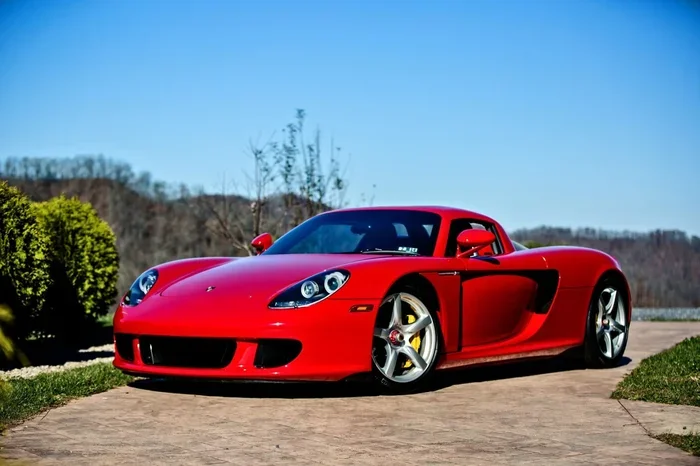
The Porsche Carrera GT is one of the most sought-after supercars ever built, with only a small number of units produced during its short production run. So, how many Porsche Carrera GT units rolled off the assembly line? The answer is surprisingly low, which is a big part of what makes this car so special and valuable today.
The Porsche Carrera GT stands as one of the most iconic supercars ever to roll out of Stuttgart. If you are a car enthusiast, you have probably seen this machine in videos, magazines, or maybe even in person at a car show. But there is one question that keeps coming up in forums and among collectors: how many Porsche Carrera GT units were actually made?
The answer might surprise you. This is not a car that was mass produced. Porsche built a very limited number of Carrera GTs, and that scarcity is a huge part of its legend. In this article, we will dive deep into the production numbers, the story behind the car, and why it remains one of the most desirable exotic cars on the planet.
Whether you are a collector, a casual fan, or just curious about Porsche GT cars, this guide covers everything you need to know about the Carrera GT production run and what makes it so special.
Key Takeaways
- Exact Production Numbers: Porsche built approximately 1,270 Porsche Carrera GT units worldwide, making it an ultra rare car.
- Short Production Window: The car was made from 2004 to 2007, lasting only about three years before production ended.
- V10 Engine Power: The Carrera GT features a massive 5.7-liter V10 engine that delivers 605 horsepower and 435 lb-ft of torque.
- Racing Heritage: The design originated from a Porsche Le Mans racing prototype concept, giving it genuine street legal race car DNA.
- Collector Value: Today, Porsche Carrera GT prices continue to climb, with well-maintained examples selling for well over $1 million.
- Manual Transmission Option: It was one of the last V10 supercars offered with a manual gearbox, appealing to driving purists.
- Carbon Fiber Construction: The lightweight carbon fiber monocoque chassis helped make the Carrera GT incredibly fast and agile.
📑 Table of Contents
- The Story Behind the Porsche Carrera GT
- Production Numbers: How Many Porsche Carrera GT Units Were Made
- What Made the Porsche Carrera GT So Special
- Key Specs and Features of the Porsche Carrera GT
- Why the Porsche Carrera GT Remains So Valuable Today
- Common Mistakes to Avoid With the Porsche Carrera GT
- Key Takeaways
- Conclusion
The Story Behind the Porsche Carrera GT
The Porsche Carrera GT did not just appear out of nowhere. It has a fascinating origin story that traces back to Porsche racing heritage. Understanding where this car came from helps explain why it was made in such small numbers.
From Le Mans Prototype to Street Car
The Carrera GT started life as a racing prototype. Porsche was developing a Le Mans prototype car for competition in the early 2000s. The concept was a mid-engine, V10 powered machine built for endurance racing. However, Porsche decided not to pursue the Le Mans program, and the prototype was shelved.
But Porsche saw potential in the design for a street legal supercar. The company took that racing prototype and transformed it into what would become the Carrera GT. This is one of the reasons the car feels so raw and track focused. It was literally born from a race car concept.
Why Porsche Chose to Build It
Porsche wanted to create a car that could compete with the Ferrari Enzo and the Mercedes-Benz SLR McLaren. The goal was to build an extreme performance vehicle that showcased Porsche engineering at its absolute best. The result was a car that combined race car technology with everyday usability.
The Carrera GT was never meant to be a mass market vehicle. Porsche built it as a halo car, a machine that would elevate the brand and demonstrate what the company could do at the highest level. That philosophy shaped every decision, from the engine to the carbon fiber chassis.
Production Numbers: How Many Porsche Carrera GT Units Were Made
Now let us get to the heart of the matter. Exactly how many Porsche Carrera GT supercars did Porsche produce?
The Official Count
Porsche built approximately 1,270 Porsche Carrera GT units worldwide. This number includes all models sold across every market. The production run spanned from 2004 to 2007, giving the car a relatively short but impactful presence on the market.
Here is a quick breakdown of the production timeline:
- 2004: Production begins. Early units are delivered to customers and press.
- 2005: Full production year. Most units are sold during this period.
- 2006: Production continues at a steady pace. Demand remains strong.
- 2007: Final production year. The last Carrera GT units roll off the line.
Why So Few Were Built
The low production number was by design. Porsche did not want to dilute the exclusivity of the Carrera GT. Building too many units would have hurt the car’s status as a premium exotic car. The company also faced strict emissions regulations and evolving safety standards that made continued production more expensive.
Additionally, the Carrera GT was a complex car to build. The carbon fiber monocoque chassis and the hand-assembled V10 engine required significant labor and expertise. These factors naturally limited how many units Porsche could produce each year.
Production by Region
The Porsche Carrera GT was sold in markets around the world, but the distribution was not even. The largest share of units went to the United States, followed by Europe and Asia. Some markets received very few units, which adds to the rarity of the car in certain regions.
| Region | Approximate Units |
|---|---|
| United States | ~500+ |
| Europe | ~400+ |
| Asia / Middle East | ~200+ |
| Other Markets | ~170+ |
| Total Worldwide | ~1,270 |
These numbers are approximate and based on available data from Porsche and industry reports. The exact count may vary slightly depending on the source.
What Made the Porsche Carrera GT So Special
The Carrera GT is not just rare because of low production numbers. The car itself is extraordinary in many ways. Let us look at what set this supercar apart from the competition.
The V10 Engine
At the heart of the Porsche Carrera GT is a naturally aspirated 5.7-liter V10 engine. This engine was originally developed for Porsche marine applications before being adapted for the Carrera GT. It produces 605 horsepower and 435 lb-ft of torque, making it one of the most powerful naturally aspirated engines ever put into a production car.
The engine revs to an impressive 8,400 RPM and delivers a linear power curve that makes it a joy to drive. Unlike many modern supercars that rely on turbochargers, the Carrera GT uses pure atmospheric power. This gives it a unique sound and throttle response that enthusiasts still rave about today.
The Carbon Fiber Chassis
Porsche used a carbon fiber monocoque chassis for the Carrera GT. This was a bold choice at the time and is one of the reasons the car weighs only about 2,800 pounds. The lightweight construction, combined with the powerful V10, gave the Carrera GT incredible performance figures.
The car can accelerate from 0 to 60 mph in just 3.5 seconds and has a top speed of 205 mph. These numbers were competitive with the best supercars of its era, and in some areas, they still hold up today.
The Manual Transmission
One of the most notable features of the Porsche Carrera GT is the available 6-speed manual transmission. In 2004, most high-end supercars were switching to automatic or dual-clutch transmissions. Porsche kept the manual option, and it is a big reason why driving purists love this car so much.
The manual gearbox is mechanical and precise. It connects you to the car in a way that modern automatic transmissions simply cannot match. For many owners, the manual transmission is the main reason they chose the Carrera GT over other exotic cars.
Rear Mid-Engine Layout
The Carrera GT uses a rear mid-engine layout, which places the engine behind the driver but ahead of the rear axle. This configuration provides excellent weight distribution and handling balance. The result is a car that feels incredibly agile and responsive on both the street and the track.
This layout is common in race cars, and the Carrera GT feels like a street legal race car because of it. The driving experience is raw, engaging, and unmatched by many modern supercars.
Key Specs and Features of the Porsche Carrera GT
Let us take a closer look at the technical details that make the Carrera GT such a remarkable machine.
Engine Specifications
- Engine Type: 5.7-liter V10, naturally aspirated
- Horsepower: 605 hp
- Torque: 435 lb-ft
- Redline: 8,400 RPM
- Transmission: 6-speed manual (optional)
- Layout: Rear mid-engine, rear-wheel drive
Performance Figures
- 0 to 60 mph: 3.5 seconds
- Quarter Mile: 11.3 seconds
- Top Speed: 205 mph
- Curb Weight: Approximately 2,800 lbs
Design and Materials
- Chassis: Carbon fiber monocoque
- Body: Lightweight composite panels
- Brakes: Carbon ceramic brakes
- Wheels: 19-inch forged alloy wheels
Every component of the Carrera GT was chosen with performance in mind. Even the interior is stripped down compared to modern luxury cars. The focus is on driving, not comfort. This is a car that rewards skilled drivers and punishes mistakes, which is exactly what makes it so special.
Why the Porsche Carrera GT Remains So Valuable Today
If you are thinking about buying a Carrera GT or just curious about its value, the current market tells a clear story. These cars are worth more than ever.
Rising Prices on the Collector Market
Porsche Carrera GT prices have been climbing steadily over the past decade. Well-maintained examples regularly sell for over $1 million at auction. Some of the rarest variants and low-mileage units have fetched even higher prices. The trend shows no signs of slowing down.
The combination of low production numbers, racing heritage, and raw driving dynamics makes the Carrera GT a blue-chip exotic car. Collectors view it as a trophy asset that will continue to appreciate in value.
What to Look for When Buying
If you are in the market for a Porsche Carrera GT, here are some tips to keep in mind:
- Check the maintenance records: A well-documented service history adds significant value.
- Inspect the carbon fiber components: Look for any cracks or damage that could be expensive to repair.
- Verify the mileage: Low-mileage examples command premium prices.
- Confirm originality: Matching numbers and original parts are highly valued by collectors.
- Get a pre-purchase inspection: Have a qualified Porsche specialist examine the car thoroughly.
The Carrera GT in Popular Culture
The Porsche Carrera GT has appeared in several movies, video games, and car magazines. It was famously driven by Paul Walker in the movie “Fast & Furious.” This exposure helped cement the Carrera GT’s status as a cultural icon among exotic car enthusiasts.
The car also appears in popular racing video games like Gran Turismo and Forza, introducing a new generation of fans to its thrilling driving experience. This cultural presence continues to fuel demand and interest in the model.
Common Mistakes to Avoid With the Porsche Carrera GT
If you own or are considering a Carrera GT, there are some common pitfalls you should be aware of.
Neglecting Regular Maintenance
The Carrera GT is a high-performance machine that requires diligent upkeep. Skipping oil changes, brake inspections, or fluid flushes can lead to expensive repairs down the road. Staying on top of the maintenance schedule is essential for preserving the car’s value and reliability.
Driving It Too Hard Without Warming Up
The V10 engine and carbon ceramic brakes need proper warm-up before pushing the car to its limits. Cold starts and hard driving can cause unnecessary wear and potentially damage components. Take a few minutes to let the car warm up before any spirited driving sessions.
Ignoring Storage Conditions
Because the Carrera GT is an exotic car with carbon fiber and leather interior components, proper storage matters. Keep the car in a climate-controlled environment away from direct sunlight and moisture. This preserves both the exterior paint and the interior materials.
Key Takeaways
- Exact Production Numbers: Porsche built approximately 1,270 Porsche Carrera GT units worldwide, making it one of the rarest supercars of its generation.
- Short Production Window: The car was made from 2004 to 2007, lasting only about three years before Porsche ended the production run.
- V10 Engine Power: The 5.7-liter naturally aspirated V10 engine delivers 605 horsepower and a thrilling driving experience that few cars can match.
- Racing Heritage: The design originated from a Porsche Le Mans racing prototype, giving the Carrera GT genuine street legal race car DNA.
- Collector Value: Today, Porsche Carrera GT prices continue to climb, with well-maintained examples selling for well over $1 million.
- Manual Transmission Option: It was one of the last V10 supercars offered with a manual gearbox, appealing to driving purists and enthusiasts.
- Carbon Fiber Construction: The lightweight carbon fiber monocoque chassis helped make the Carrera GT incredibly fast, light, and agile.
Conclusion
The Porsche Carrera GT is more than just a supercar. It is a piece of automotive history. With only about 1,270 units ever produced, it stands as one of the rarest and most desirable Porsche GT cars ever made. The combination of a naturally aspirated V10 engine, a carbon fiber chassis, and a racing pedigree makes it a true driver’s car in every sense of the word.
Whether you are a collector looking for your next exotic car or simply a fan of high performance vehicles, the Carrera GT represents everything that makes Porsche special. The production numbers are low, the demand is high, and the legacy continues to grow with each passing year.
If you ever have the chance to see one in person, take it. These machines are becoming increasingly rare, and the opportunity to experience the Porsche Carrera GT up close is something you will not forget. This is a car that deserves its place among the greatest supercars ever built, and its story is far from over.
What Was the Porsche Carrera GT Production Run?
The Porsche Carrera GT was produced from 2004 to 2007, spanning approximately three model years. During this short window, Porsche built a total of around 1,270 units worldwide. The limited production run was intentional, as Porsche wanted to maintain the exclusivity and desirability of the car.
Why Is the Porsche Carrera GT So Expensive?
The Carrera GT commands high prices because of its rarity, racing heritage, and exceptional performance. With only about 1,270 units ever made, supply is extremely limited. Combined with rising demand from collectors and its status as a modern classic, the value of the Carrera GT has continued to appreciate over time.
Was the Porsche Carrera GT Available With an Automatic Transmission?
No, the Porsche Carrera GT was only available with a 6-speed manual transmission. There was no automatic or dual-clutch option offered. This manual-only approach was a deliberate choice by Porsche to preserve the raw, engaging driving experience that enthusiasts love about the car.
How Fast Is the Porsche Carrera GT?
The Carrera GT can accelerate from 0 to 60 mph in approximately 3.5 seconds and has a top speed of 205 mph. The naturally aspirated 5.7-liter V10 engine produces 605 horsepower, making it one of the fastest and most powerful cars of its era. Its lightweight carbon fiber construction helps explain the impressive performance figures.
What Makes the Porsche Carrera GT Different From Other Porsche GT Cars?
The Carrera GT is unique because it was developed from a Le Mans racing prototype concept, giving it genuine race car DNA. Most other Porsche GT cars are based on production platforms, but the Carrera GT was built from the ground up as an extreme performance machine. Its V10 engine, carbon fiber chassis, and manual-only transmission set it apart from all other Porsche models.
Is the Porsche Carrera GT a Good Daily Driver?
While the Carrera GT can be driven daily, it is not designed for comfortable everyday use. The car has a stiff ride, minimal comfort features, and requires regular maintenance. Most owners treat it as a weekend toy or collector car rather than a daily driver. That said, it is mechanically reliable if properly maintained and cared for.
Frequently Asked Questions
What is How Many Porsche Carrera GT Were Made??
How Many Porsche Carrera GT Were Made? is an important topic with many practical applications.