How Does Audi Keyless Entry Work The Complete Breakdown
Audi keyless entry lets you unlock and start your car without ever taking the key fob out of your pocket or bag. The system uses RFID technology, proximity sensors, and encrypted signals to authenticate your smart key and grant access. This comfort access feature makes getting in and driving your Audi faster, easier, and more secure than traditional keys.
Have you ever walked up to your Audi with your hands full of groceries and watched the doors unlock on their own? It feels like magic. But behind that smooth experience is a clever system of sensors, signals, and security features working together in seconds.
Audi keyless entry is one of the most convenient features in modern vehicles. It lets you lock, unlock, and start your car without ever digging for a key. Whether you are in a parking lot, carrying bags, or just running a quick errand, the system has you covered.
In this guide, we will break down exactly how Audi keyless entry works. We will look at the technology inside the key fob, the sensors on the car, and the security measures that keep your vehicle safe. By the end, you will understand every part of the process and know how to keep your system running smoothly.
Key Takeaways
- Audi keyless entry uses smart key fobs with embedded chips that communicate wirelessly with the car.
- Proximity sensors in the door handles detect the key fob when you approach the vehicle.
- Push button start replaces the traditional ignition key turn for a seamless driving experience.
- Encrypted rolling codes prevent signal theft and unauthorized access to your Audi.
- Battery replacement in the key fob is simple and should be done every 1-2 years.
- Comfort access allows hands-free trunk opening and door unlocking at certain distances.
- Common issues like weak fob batteries or signal interference are easy to troubleshoot at home.
📑 Table of Contents
- What Is Audi Keyless Entry?
- The Technology Behind Audi Keyless Entry
- How Hands-Free Access Works Step by Step
- Keyless Entry vs Traditional Key Systems
- Common Audi Keyless Entry Problems and Fixes
- How to Maintain Your Audi Keyless Entry System
- Expert Tips for Getting the Most Out of Audi Keyless Entry
- The Future of Audi Keyless Entry
- Conclusion
What Is Audi Keyless Entry?
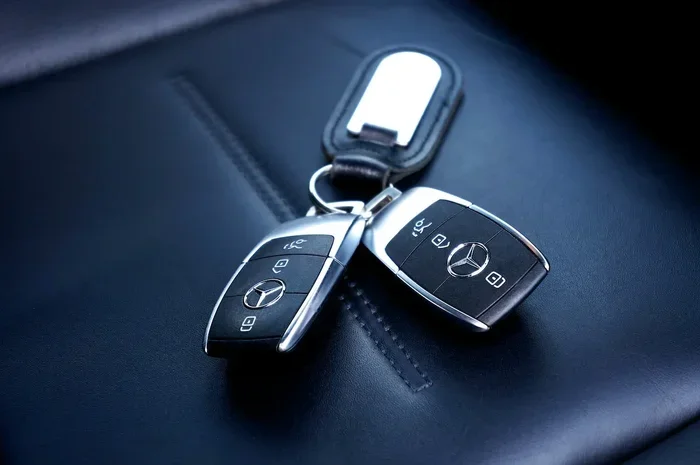
Audi keyless entry is a hands-free system that lets you access and start your vehicle without inserting a physical key. Instead, you carry a small device called a smart key fob. The car detects the fob when you are nearby and allows you to unlock the doors and start the engine with a button press.
This system is part of Audi’s Comfort Access package. It uses RFID technology and proximity sensors to recognize your key fob. When the car confirms the fob is authentic, it unlocks the doors and allows the engine to start. The whole process takes just a few seconds.
Many people confuse keyless entry with keyless go. Keyless entry means you can unlock the doors without a key. Keyless go goes further. It lets you start the engine without inserting the fob into a slot. Most modern Audi models come with both features standard.
How the Key Fob Works
The key fob is the small remote you carry in your pocket or bag. Inside it is a tiny chip that sends a unique encrypted signal to the car. This signal is not the same every time. It uses a rolling code system that changes with each use.
Here is how the fob communicates with your Audi:
- The fob sends a low-frequency signal when it is near the car.
- The car’s antennas pick up this signal.
- The car checks the signal against its stored code.
- If the codes match, the car unlocks the doors or allows engine start.
This vehicle authentication process happens in milliseconds. You never have to press a button to unlock the doors if you have Comfort Access enabled. Just walk up to the car and the doors pop open.
The Technology Behind Audi Keyless Entry
Audi keyless entry relies on several pieces of technology working together. Let us look at each one in detail.
RFID Technology
RFID stands for Radio Frequency Identification. It is the same basic technology used in contactless payment cards and library books. Your Audi smart key has an RFID chip inside it. The car has RFID readers built into the door handles and the dashboard.
When you walk up to your Audi, the door handle sensors send out a low-energy radio wave. This wave activates the chip inside your fob. The fob responds with its unique ID code. The car checks this code and grants access if it matches.
Proximity Sensors
Proximity sensors are small devices placed in the door handles, trunk lid, and sometimes the front bumper. They detect when your key fob is within a certain range. Most Audi models detect the fob from about 1 to 1.5 meters away.
These sensors work using ultra-wideband (UWB) technology in newer Audi models. UWB is more precise than older systems. It can tell exactly how far away the fob is. This helps prevent someone from tricking the car into unlocking from far away.
Encrypted Rolling Codes
Security is a big part of Audi keyless entry. The system uses encrypted rolling codes to keep your car safe. A rolling code means the signal changes every time you use it. Even if someone intercepts the signal, it will not work the next time.
Here is why this matters:
- Old fixed codes could be copied by thieves with signal scanners.
- Rolling codes make each signal unique and single-use.
- The car and fob both stay in sync through a shared algorithm.
- If a signal is intercepted, it becomes useless after one use.
This anti-theft system makes Audi keyless entry very secure. It is much harder to break into than older key-based systems.
The Immobilizer System
Even if someone gets into your car, they still cannot drive it without the correct fob. Audi vehicles have an immobilizer system. This is a security feature that prevents the engine from starting unless the correct smart key is detected inside the cabin.
The immobilizer works with the push button start system. When you press the start button, the car checks for the fob’s authentication code. If the code is correct, the engine starts. If not, the car stays locked and will not fire up.
How Hands-Free Access Works Step by Step
Let us walk through exactly what happens when you approach your Audi with the key fob in your pocket. The process is fast and seamless.
Step 1: You Approach the Vehicle
As you walk toward your Audi, the door handle sensors begin scanning for your key fob. The sensors use low-frequency radio waves to detect the fob. This happens even if the fob is buried inside your jacket or bag.
Step 2: The Car Identifies the Fob
Once the sensor picks up the fob’s signal, the car’s computer checks the encrypted code. It confirms the fob is authorized for this specific vehicle. This driver recognition process takes less than a second.
Step 3: The Doors Unlock
If the fob is authenticated, the car unlocks the doors automatically. You may notice the mirrors folding in and the interior lights turning on. Some Audi models also flash the headlights briefly to confirm access.
Step 4: You Start the Engine
Sit down, press the push button start, and the engine fires up. The car checks that the fob is inside the cabin before allowing the engine to start. As long as the fob is within range, you are good to go.
Step 5: Driving and Locking
When you turn off the engine and step out, the car stays running for a short time. Once the fob moves outside the vehicle, the car locks itself automatically. This auto-lock feature adds an extra layer of convenience and security.
Keyless Entry vs Traditional Key Systems
How does Audi keyless entry compare to old-school keys? Let us look at the main differences.
| Feature | Keyless Entry | Traditional Key |
|---|---|---|
| Unlocking Method | Hands-free proximity detection | Manual key insertion |
| Starting Engine | Push button start | Turn ignition key |
| Security Level | Encrypted rolling codes | Physical key cut |
| Convenience | Very high | Moderate |
| Signal Range | 1 to 1.5 meters | Requires direct contact |
| Risk of Signal Theft | Low (rolling codes) | Very low (no signal) |
| Battery Dependent | Yes (fob battery) | No |
Both systems have their strengths. Traditional keys cannot be hacked because they use no electronic signal. But Audi keyless entry offers far greater convenience and modern security features. Most drivers prefer the hands-free experience.
Common Audi Keyless Entry Problems and Fixes
Audi keyless entry is reliable, but it can have issues from time to time. Here are the most common problems and how to fix them.
Key Fob Battery Dies
The most common issue is a dead key fob battery. When the battery gets low, the fob may not send a strong enough signal to reach the car. You might have to press the unlock button multiple times or hold it very close to the door handle.
To fix this, replace the battery. Most Audi fobs use a CR2032 coin cell battery. You can swap it out in about two minutes with a small flathead screwdriver.
Signal Interference
Sometimes, signal interference from other electronics can block the fob from communicating with the car. This is rare but can happen near large radio towers or in parking garages with lots of electronic equipment.
If this happens, try moving closer to the door handle sensor. You can also try taking the fob out of your pocket and holding it directly against the sensor area.
Fob Not Detected After Battery Replacement
If you replace the battery and the car still does not detect the fob, the fob may need to be reprogrammed. This is simple to do in most Audi models. Just sit in the car with the fob, press and hold the engine start button for a few seconds, and the car will re-sync with the fob.
Water Damage to the Fob
Water can damage the internal electronics of your key fob. If your fob gets wet, remove the battery and let the fob dry completely before putting the battery back in. If it still does not work, you may need a replacement fob from your Audi dealer.
How to Maintain Your Audi Keyless Entry System
Taking care of your Audi keyless entry system is easy. A little maintenance goes a long way in keeping everything working smoothly.
Replace the Fob Battery Regularly
Most Audi key fob batteries last about 1 to 2 years. Do not wait until the fob stops working completely. Replace the battery at the first sign of weakness. You will notice the range getting shorter before the fob dies entirely.
Keep the Fob Away from Strong Magnets
Strong magnets can interfere with the RFID chip inside your fob. Avoid placing the fob near large speakers, magnetic phone mounts, or heavy machinery. This helps preserve the signal quality over time.
Store the Fob Properly
When you are at home, store your smart key fob in a safe place. Some people use signal-blocking pouches to prevent relay attacks. These pouches block external signals from reaching your fob, adding an extra layer of security.
Update Your Vehicle Software
Audi occasionally releases software updates that improve the keyless entry system. Keep your vehicle’s software up to date by visiting your dealer or using the Audi connect service. Updates can fix bugs and improve the signal range of your fob.
Expert Tips for Getting the Most Out of Audi Keyless Entry
Audi keyless entry is designed to make your life easier. Here are some expert tips to help you get the most from the system.
- Keep a spare fob in a safe place. If your main fob is lost or damaged, the spare will get you back on the road quickly.
- Learn your fob’s range for your specific Audi model. Some models have a longer detection range than others.
- Use the trunk sensor for hands-free trunk opening. Just wave your foot under the rear bumper to open it.
- Disable the auto-lock feature if you prefer manual locking. This setting is usually found in the vehicle’s convenience menu.
- Charge your fob battery at the first sign of weakness. A low battery can cause intermittent issues with hands-free access.
These small habits can extend the life of your Audi keyless entry system and keep it performing at its best for years to come.
The Future of Audi Keyless Entry
Audi keyless entry technology continues to evolve. Newer models are incorporating ultra-wideband (UWB) technology for even more precise fob detection. This reduces the risk of relay attacks and improves the overall signal range.
Some Audi models now offer digital key features. This lets you use your smartphone as your smart key fob. You can share access with friends and family right from your phone. The future of keyless go is heading toward a completely key-free experience.
As vehicle authentication technology improves, we can expect even tighter security and more seamless integration with smart home systems. Audi is leading the way in making keyless entry smarter, safer, and more convenient with every new model year.
Conclusion
Audi keyless entry is a brilliant blend of convenience and security. From the moment you walk up to your car to the second you start the engine, the system works silently in the background. The smart key fob, proximity sensors, encrypted rolling codes, and push button start all come together to create a smooth, key-free experience.
Understanding how the system works helps you appreciate the technology and take better care of it. Replace your fob battery on schedule, store the fob safely, and keep your vehicle software updated. With these simple habits, your Audi keyless entry system will serve you reliably for many years.
The next time you walk up to your Audi and the doors unlock on their own, you will know exactly what is happening behind the scenes. And that is a pretty satisfying feeling.
Frequently Asked Questions
Can I use Audi keyless entry if my key fob battery is dead?
Yes, most Audi models have a backup method. Place the dead fob against the start button or a specific spot on the steering column. The car will read the fob through direct contact and allow you to start the engine. Check your owner’s manual for the exact location.
How far away does my key fob need to be for the car to detect it?
Most Audi models detect the key fob from about 1 to 1.5 meters away. Newer models with ultra-wideband technology may have a slightly longer and more precise detection range. The exact distance depends on your specific Audi model and year.
Is Audi keyless entry vulnerable to relay attacks?
Audi uses encrypted rolling codes and advanced signal authentication to reduce the risk of relay attacks. However, no system is completely immune. Using a signal-blocking pouch for your fob at home adds an extra layer of protection against signal theft.
How often should I replace my Audi key fob battery?
Most Audi key fob batteries last between 1 and 2 years. Replace the battery at the first sign of a weak signal, such as needing to hold the fob closer to the door handle. Using a quality CR2032 battery helps ensure consistent performance.
Can I get a replacement key fob if I lose mine?
Yes, you can get a replacement smart key fob from your Audi dealer. They will program the new fob to match your vehicle’s security system. This process may take some time and could involve a fee. It is a good idea to keep a spare fob in a safe place.
Does Audi keyless entry work in all weather conditions?
Yes, Audi keyless entry is designed to work reliably in all weather conditions, including rain, snow, and extreme heat. The door handle sensors are sealed to prevent water damage. Cold weather may slightly reduce battery life in the fob, so keep an eye on signal strength during winter months.