How to Get Rid of TPMS Light Without a Trip to the Mechanic
A TPMS light can feel alarming, but most of the time, it is a simple fix you can handle yourself. This guide walks you through the exact steps to reset, troubleshoot, and prevent your TPMS light from coming back. You will learn the common causes, the tools you need, and when it is smart to call a professional instead.
A TPMS light on your dashboard can spike your heart rate every single time it pops up. You are driving along, minding your own business, and suddenly that little horseshoe-shaped icon with an exclamation mark lights up. It is annoying, confusing, and honestly a bit stressful. But here is the good news. In most cases, you do not need to rush to the mechanic or spend hundreds of dollars just to make that light go away.
This guide will show you exactly how to get rid of TPMS light issues right from your driveway. Whether it is a simple pressure drop, a dead sensor battery, or a glitch that needs a reset, we have got you covered. By the end of this article, you will know what causes the light, how to fix it yourself, and how to keep it from coming back. Let us dive in.
Key Takeaways
- Quick Reset Works: Most TPMS lights turn off with a simple reset button or driving cycle.
- Low Pressure Is the #1 Cause: Checking your tire pressure first can save you a lot of trouble.
- You Do Not Need a Mechanic: With basic tools and our guide, you can fix this at home.
- Battery Life Matters: TPMS sensor batteries last 5-10 years and need replacement eventually.
- Prevention Is Easy: Regular tire checks keep the TPMS light off for good.
- Know When to Stop: Some issues need a professional OBD2 scanner or sensor replacement.
📑 Table of Contents
- Understanding the TPMS Light
- Common Reasons Your TPMS Light Comes On
- Step-by-Step Guide to Resetting Your TPMS Light
- DIY Troubleshooting When the Light Won’t Turn Off
- Preventing TPMS Light Issues Before They Start
- When to See a Professional Instead of DIY
- TPMS Light and Your Car Model
- Key Takeaways
- Conclusion
Understanding the TPMS Light
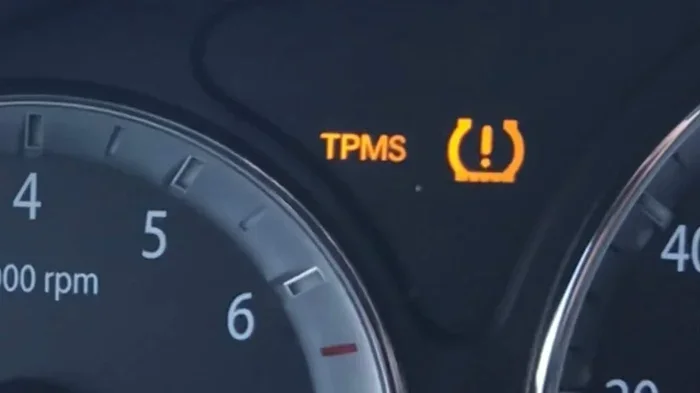
Before you can fix something, you need to understand what it does. The Tire Pressure Monitoring System, or TPMS, is a safety feature in your car. It watches the air pressure inside your tires and alerts you when something is off. The light usually looks like a horseshoe with an exclamation point in the middle. Sometimes it shows as “TPMS” in text form.
The system uses small sensors inside each tire or on the valve stems. These sensors send pressure data to your car’s computer. When the pressure drops below a safe level, the TPMS light turns on. This is a safety feature. Under-inflated tires can cause poor fuel economy, uneven wear, and even blowouts. So the light is actually trying to help you.
There are two types of TPMS systems. Direct TPMS has physical sensors inside each tire. Indirect TPMS uses your car’s wheel speed sensors to detect differences in tire size caused by low pressure. Both systems trigger the same dashboard warning, but they work differently. Knowing which one your car has can help you troubleshoot faster.
Common Reasons Your TPMS Light Comes On
The TPMS light does not just turn on randomly. There is always a reason behind it. Understanding these reasons is the first step toward a fix. Here are the most common causes:
Low Tire Pressure
This is the number one reason. A slow leak, temperature change, or simply not checking your tires for a while can cause pressure to drop. Even a few PSI below the recommended level can trigger the light. Cold weather is a big culprit too. Air inside tires contracts when temperatures fall, which can drop pressure enough to set off the TPMS warning.
Dead TPMS Sensor Battery
TPMS sensors run on small batteries that last between 5 and 10 years. When the battery dies, the sensor cannot send data. Your car then assumes a problem and lights up the dashboard. This is very common in older vehicles. If your car is 7 years or older, a dead battery might be the real issue.
Temperature Changes
Seasonal shifts can mess with your tire pressure. In winter, the air inside tires shrinks. In summer, it expands. If you drove through a sudden cold front, your TPMS light might just be reacting to the temperature drop, not an actual leak.
Sensor or System Malfunction
Sometimes the sensors themselves fail. They get damaged from road debris, corrosion, or normal wear. A malfunctioning TPMS module in the car’s computer can also cause false warnings. In these cases, the light stays on even when your tires are perfectly fine.
After a Tire Change or Rotation
If you recently got new tires, rotated them, or replaced a sensor, the system might need a reset. The TPMS light often comes on after maintenance because the system has not recognized the new sensor or pressure readings yet.
Using a Spare Tire
Spare tires, especially full-size ones, sometimes do not have TPMS sensors. If you put on a spare, the system will detect a missing sensor and trigger the TPMS warning. This is normal and usually goes away once you switch back to your regular tires.
Step-by-Step Guide to Resetting Your TPMS Light
Now for the part you have been waiting for. How do you actually turn off that annoying light? Here is a simple step-by-step process you can follow at home. Most of these methods work for both direct and indirect TPMS systems.
Method 1: The Manual Reset Button
Many cars have a TPMS reset button hidden somewhere. It is usually under the steering column, near the gear shift, or inside the glove box. Look for a button labeled “TPMS” or a symbol that looks like a horseshoe with an exclamation mark.
Here is how to use it:
- Turn the ignition to the “on” position but do not start the engine.
- Press and hold the TPMS reset button until the dashboard light blinks three times.
- Release the button and start the engine.
- Drive the car for about 20 minutes at speeds above 30 mph.
- The light should turn off automatically once the system recalibrates.
Method 2: The Driving Cycle Reset
If your car does not have a reset button, you can try a driving cycle reset. This method works by letting the system relearn the correct tire pressure values.
- Check and inflate all tires to the recommended PSI. You can find this number on the driver’s side door jamb sticker.
- Drive the car at a steady speed of 50 mph for about 10 minutes.
- Turn off the engine and let the car sit for at least 20 minutes.
- Restart the car and check if the TPMS light has turned off.
Method 3: Using an OBD2 Scanner
An OBD2 scanner is a handy tool for any car owner. You can plug it into the diagnostic port under your steering column. The scanner reads error codes from your car’s computer and can reset the TPMS system. Some basic scanners cost under $30 and are well worth the investment.
Here is the process:
- Plug the OBD2 scanner into the diagnostic port.
- Turn the ignition on.
- Follow the scanner’s menu to find the TPMS reset option.
- Select “Clear Codes” or “Reset TPMS.”
- The scanner will erase the warning and turn off the light.
Method 4: Check Your Tire Pressure First
Before trying any reset, always check your tire pressure with a reliable tire pressure gauge. A simple handheld gauge costs a few dollars and takes about two minutes. If any tire is low, inflate it to the recommended level first. Sometimes the TPMS light turns off on its own within a few miles of driving after you fix the pressure.
Quick Tip: Keep a tire pressure gauge in your glove box at all times. Check your tire pressure once a month. This one habit can prevent most TPMS light issues before they even start.
DIY Troubleshooting When the Light Won’t Turn Off
You have tried resetting the light, but it keeps coming back. What now? Do not panic. There are a few more things you can check and try before calling a mechanic.
Inspect All Four Tires Visually
Look closely at each tire. Check for nails, screws, cuts, or bulges. Even a tiny puncture can cause a slow leak that drops pressure enough to trigger the TPMS warning. Run your hand along the tire surface to feel for anything unusual. Also, check the valve stems for cracks or leaks. A damaged valve stem is a common and easy-to-fix cause.
Check for Temperature-Related Pressure Drops
If the light came on during a cold snap, try inflating your tires to 3-5 PSI above the recommended level. As the tires warm up from driving, the pressure will naturally decrease to the right level. This trick often turns off the TPMS light when temperature is the culprit.
Replace the TPMS Sensor Battery
If your car is older and the light started appearing out of nowhere, the sensor battery might be dead. Replacing a TPMS sensor battery is doable at home if you have the right tools. You will need a TPMS sensor replacement kit, which costs around $10 to $20 per sensor. The process involves removing the tire from the wheel, replacing the battery inside the sensor, and reprogramming the sensor.
However, keep in mind that some newer sensors are sealed and non-replaceable. In those cases, you need to replace the entire sensor unit. Check your vehicle’s manual or look up your specific model online to see which type you have.
Check for Electrical Issues
Sometimes the problem is not the tires at all. It is the electrical system. If you have recently installed accessories like a 12V to 230V car inverter or a 12V DC to 220V AC car power inverter, these devices can sometimes interfere with your car’s electrical signals. The TPMS system shares the same onboard computer network, and power fluctuations from aftermarket devices can cause false warnings. Try disconnecting any aftermarket electrical devices and see if the light goes away.
Look for Wheel Speed Sensor Problems
Indirect TPMS systems rely on wheel speed sensors. These sensors also feed data to your ABS and traction control systems. If a wheel speed sensor is dirty or damaged, it can trigger the TPMS light even when tire pressure is fine. Cleaning the sensors or replacing them is usually a straightforward fix.
Expert Insight: Many car owners confuse TPMS issues with other dashboard warnings. If your TPMS light flashes for 60-90 seconds and then stays solid, it usually indicates a sensor malfunction rather than a pressure problem. This distinction is important when deciding whether to DIY or visit a shop.
Preventing TPMS Light Issues Before They Start
The best way to deal with a TPMS light is to never have one in the first place. Prevention is simple and only takes a few minutes each month. Here is how to keep your TPMS system happy and your light off.
Check Tire Pressure Monthly
Set a reminder on your phone to check your tire pressure every month. Use a quality digital gauge for the most accurate readings. Check the tires when they are cold (before driving) for the most reliable numbers. The recommended PSI is printed on the driver’s side door jamb, not on the tire sidewall.
Invest in a Good Tire Pressure Gauge
A cheap pencil-style gauge is okay for a quick check, but a digital gauge gives you precise readings. Some digital gauges even store readings for multiple tires, which makes comparison easy. Spending $10-15 on a good gauge can save you hundreds in mechanic bills over the life of your car.
Keep Your Valves in Good Shape
Valve stems are the weakest point in most tires. They dry out, crack, and leak over time. Replace your valve stems every 2-3 years or whenever you get new tires. A set of new valve stems costs just a few dollars and can prevent slow leaks that trigger the TPMS warning.
Watch Your Temperature Changes
In cold weather, tire pressure drops by about 1 PSI for every 10-degree drop in temperature. If a big cold front is coming, check your tire pressure a day early and add a little extra air. This proactive step can prevent the light from turning on during the worst weather.
Rotate Your Tires Regularly
Tire rotation keeps wear even across all four tires. Uneven wear can cause pressure differences that confuse the TPMS system. Most manufacturers recommend rotating tires every 5,000-7,500 miles. This is also a great time to inspect the tires for damage and check the valve stems.
Be Careful with Aftermarket Accessories
If you install devices like a 200 watt LED light for car or other electrical accessories, make sure they are properly wired. Poor wiring can create electrical noise that interferes with the TPMS sensors. Always use fuses and relays when adding aftermarket electrical components to your vehicle.
When to See a Professional Instead of DIY
There is no shame in calling a mechanic. Some TPMS issues are beyond a simple reset or pressure check. Here are the signs that it is time to seek professional help:
- The TPMS light stays on after you have tried all the reset methods and confirmed your tire pressure is correct.
- Multiple warning lights appear on your dashboard at the same time. This could indicate a deeper electrical or computer issue.
- You hear a clicking or humming sound coming from a tire. This could mean a failing sensor or a more serious internal tire problem.
- Your car is pulling to one side or vibrating while driving. These symptoms suggest a mechanical issue beyond the TPMS system.
- You have replaced all the sensor batteries and the light still does not go off. The TPMS control module itself might need reprogramming or replacement.
A professional mechanic has access to advanced diagnostic tools like a TPMS relearn tool and professional-grade OBD2 scanners. They can pinpoint exactly which sensor is failing and replace it correctly. If your car is still under warranty, visiting a dealer might be the best route since TPMS repairs could be covered.
Also, keep in mind that driving with the TPMS light on for a short time is generally safe if your tire pressure is actually fine. However, you should not ignore it for long. The light exists for a reason. Under-inflated tires reduce fuel efficiency, increase tire wear, and compromise handling and safety.
TPMS Light and Your Car Model
Different car models handle TPMS warnings in slightly different ways. For example, owners of smaller passenger cars in the 1500cc to 2000cc range in India often encounter TPMS warnings due to temperature swings and road conditions. These vehicles are popular for daily commuting, and their TPMS systems are sensitive to even small pressure changes. If you drive one of these models, regular pressure checks are especially important to keep the TPMS light off.
Similarly, if you have added electrical accessories like a power inverter to run devices while driving, the added electrical load can sometimes confuse the TPMS system. Always make sure your electrical upgrades are compatible with your car’s onboard systems to avoid false warnings and unnecessary trips to the mechanic.
Key Takeaways
- Check Pressure First: Most TPMS light issues come down to low tire pressure. A quick check with a gauge solves the problem in many cases.
- Reset Methods Are Simple: Whether you use a reset button, driving cycle, or OBD2 scanner, resetting the system is straightforward at home.
- Sensor Batteries Have a Lifespan: Plan for battery replacement every 5-10 years to avoid surprise warnings.
- Prevention Beats Cure: Monthly tire pressure checks and valve stem maintenance keep the TPMS system running smoothly.
- Know Your Limits: Some issues need professional tools. Do not hesitate to visit a mechanic when DIY methods do not work.
- Electrical Accessories Matter: Aftermarket devices can interfere with TPMS. Proper installation and wiring are essential.
Conclusion
Dealing with a TPMS light does not have to be a stressful experience. In the vast majority of cases, the fix is simple, fast, and free. You can reset the system yourself, check your tire pressure, and get back on the road in under 30 minutes. The key is knowing what to look for and following the right steps.
Start with the simplest solution. Check your tire pressure and inflate any low tires. Then try the reset method that works best for your car model. If the light comes back, move on to the troubleshooting steps we covered. And remember, prevention is your best friend. A few minutes of regular maintenance each month can keep that annoying dashboard light off for good.
The next time your TPMS light comes on, do not panic. You now have the knowledge and the tools to handle it yourself. Save the mechanic visit for the issues that truly need professional attention. Your wallet and your time will thank you.
Frequently Asked Questions
What does the TPMS light look like on the dashboard?
The TPMS light looks like a horseshoe shape with an exclamation mark in the center. On some vehicles, it displays the letters “TPMS” in text form. The light is usually yellow or amber and appears on the dashboard instrument cluster. It often comes on as a steady glow or may flash for 60-90 seconds before staying solid.
Can I drive with the TPMS light on?
You can drive short distances with the TPMS light on, especially if your tire pressure is actually fine. However, you should not ignore it for long. The light means your car has detected a pressure issue or sensor problem. Driving on under-inflated tires can reduce fuel efficiency, cause uneven tire wear, and increase the risk of a blowout. Always check your tire pressure as soon as the light appears.
How much does it cost to fix a TPMS light?
The cost varies widely depending on the cause. A simple pressure check and reset costs nothing. Replacing a TPMS sensor battery runs about $10 to $20 per sensor. Replacing the entire sensor unit costs between $50 and $250 per sensor. Professional TPMS reprogramming or module replacement can range from $100 to $300. Most of these fixes are well within a DIY budget if you are comfortable working on your car.
Why does my TPMS light come on in cold weather?
Cold weather causes the air inside your tires to contract, which lowers the tire pressure. A temperature drop of just 10 degrees Fahrenheit can reduce pressure by about 1 PSI. If your tires were already near the low-pressure threshold, a cold front can push them below it and trigger the TPMS light. Adding a little extra air before cold weather hits usually prevents this.
How long do TPMS sensor batteries last?
TPMS sensor batteries typically last between 5 and 10 years, depending on the vehicle and driving conditions. The battery is not rechargeable, so when it dies, you need to replace the sensor or the battery. If your car is more than 7 years old and the TPMS light keeps coming on without a clear pressure issue, a dead battery is the most likely cause.
What should I do if the TPMS light flashes and then stays on?
A flashing TPMS light followed by a steady glow usually indicates a malfunction in the TPMS system itself, not just low pressure. This could mean a failed sensor, a wiring issue, or a problem with the TPMS control module. Try a reset first, but if the light persists, you should have a professional diagnose the issue with an OBD2 scanner or TPMS relearn tool.
=== CONCLUSION ===
Now you know exactly how to handle a TPMS light without ever leaving your driveway. From simple pressure checks to sensor battery replacements, you have all the tools and knowledge you need. The TPMS light is your car’s way of looking out for you, and with the right approach, you can keep it working properly and keep it off your dashboard.
Remember to check your tire pressure monthly, reset the system after any tire changes, and replace sensor batteries on schedule. These small habits make a big difference. And when the light does come on, stay calm and work through the steps in this guide. You have got this.