Auto Window Tint Benefits: Top Reasons to Tint Your Car
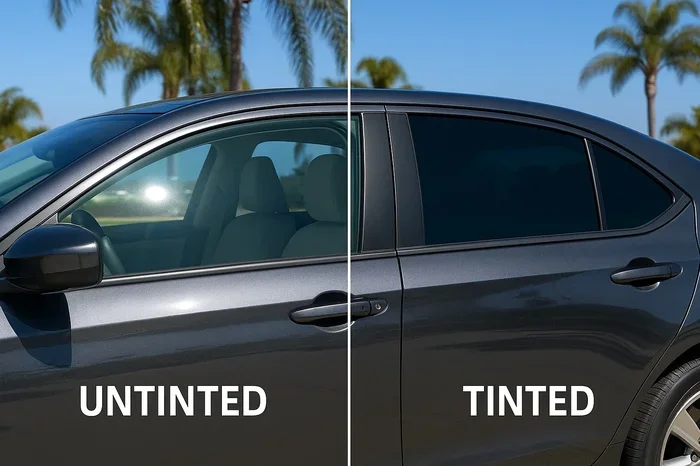
Auto window tint offers far more than just a sleek look for your car. It blocks harmful UV rays, keeps your cabin cooler, reduces glare, and adds a layer of privacy and security. Whether you drive daily or hit the road occasionally, auto window tint is one of the best upgrades you can make for your vehicle.
Have you ever sat inside a hot car and thought, “There has to be a better way”? You are not alone. Millions of car owners deal with sun glare, fading interiors, and unbearable heat every single day. The solution is simpler than you might think. Auto window tint is one of the most practical and affordable upgrades you can make to your vehicle.
Tinting your car windows is not just about style. It is about protection, comfort, and long-term value. Whether you drive a daily commuter or a family SUV, the benefits of car window tinting are hard to ignore. In this article, we will walk you through every major benefit of automotive window film. By the end, you will know exactly why tinting your car is worth every penny.
Let us be real for a second. Not all window tints are created equal. Some block heat better than others. Some offer superior UV protection, while others focus on privacy. This guide will help you understand what auto window tint can do for you and how to choose the right option. We will also cover common mistakes so you do not waste your money. Let us get into it.
Key Takeaways
- UV Protection: Auto window tint blocks up to 99% of harmful ultraviolet rays, shielding your skin and your car’s interior.
- Heat Rejection: Quality window film can reject up to 70% of solar heat, keeping your car cooler and more comfortable.
- Glare Reduction: Tinted windows reduce sun and headlight glare, making driving safer and less tiring.
- Privacy and Security: Darker tints add privacy and make it harder for thieves to see inside your vehicle.
- Interior Protection: Window film helps prevent fading and cracking of your seats, dashboard, and trim.
- Safety Benefits: In a crash, tint film can help hold shattered glass together, reducing injury risk.
- Resale Value: A professionally tinted car can look better and hold its value longer.
📑 Table of Contents
Why Auto Window Tint Matters for Your Car
Your car windows are more vulnerable than you might think. The glass in your vehicle lets in a lot of sunlight, and that sunlight carries more than just warmth. It carries ultraviolet radiation, infrared heat, and visible light that can damage both you and your car over time. Automotive window film acts as a protective barrier that addresses all of these issues.
Think about how much time you spend in your car. Maybe it is your daily commute. Maybe it is road trips with the family. Either way, you are exposed to sun damage every time you drive. Car window tinting creates a shield that reduces this exposure significantly. It is one of those upgrades that you do not think about much until you realize how much better your driving experience becomes.
The good news is that window tint laws have become more flexible in many states. You can find a shade level that works for your needs and stays within legal limits. This means you do not have to choose between looking great and staying compliant. More on that later in this guide.
The Hidden Damage Sunlight Causes Inside Your Car
Here is something most people do not think about. Sunlight causes fading. It fades your seats, your dashboard, and your steering wheel over time. The UV rays that pass through untreated glass break down the dyes and materials in your car’s interior. After a few years, you might notice that your black seats have turned a faded gray. That is sun damage at work.
Beyond fading, sunlight also heats up your car’s interior to extreme temperatures. On a hot summer day, the temperature inside a car can reach well over 150 degrees Fahrenheit. That is not just uncomfortable. It is hard on your electronics, your leather seats, and even your health. Heat rejection from quality window film can reduce this dramatically.
The Top Benefits of Auto Window Tint
Now let us get to the good stuff. There are many reasons to tint your car windows, and each one adds real value to your driving experience. Here are the biggest benefits of auto window tint.
1. UV Protection for Your Skin and Your Car
This is arguably the most important benefit of automotive window film. Harmful ultraviolet rays can cause skin damage and even increase your risk of skin cancer. When you drive with your arm resting on the window, you are getting a direct dose of UV radiation. Over years, this adds up.
High-quality car window tinting blocks up to 99 percent of UV rays. That means your skin stays safer every time you drive. It also means your car’s interior ages much more slowly. Your dashboard, seats, and console will look newer for longer. This alone makes auto window tint a smart investment for your health and your vehicle.
2. Heat Rejection and Cabin Comfort
Nobody likes getting into a hot car in the summer. The steering wheel burns your hands, and the seats feel like a sauna. Heat rejection is one of the standout features of modern window tint technology. A good quality film can reject up to 70 percent of solar heat.
What does this mean for you? Your car cools down faster. Your cabin temperature stays more comfortable, even on the hottest days. You do not need to blast the air conditioning as hard, which can actually improve your fuel economy over time. Less strain on your AC system means fewer repairs down the road. That is a win-win situation.
If you live in a hot climate, automotive window film is practically a necessity. Even if you live somewhere with mild summers, you will still notice the difference. Your car just feels more comfortable to be in.
3. Glare Reduction for Safer Driving
Glare from the sun or from oncoming headlights at night can be dangerous. It strains your eyes and makes it harder to see the road clearly. Glare reduction is one of the most practical benefits of auto window tint.
When you tint your windows, the film reduces the amount of light that enters your car. This makes it easier to see during bright, sunny drives. It also helps at night when headlights from cars behind you or across intersections can be blinding. Less eye strain means you arrive at your destination feeling less tired. That is a safety benefit that many people overlook.
4. Privacy and Security
Let us talk about privacy. When your windows are clear, people can see right into your car. Your belongings are on display, and that can make your vehicle a target for theft. Privacy tint solves this problem by making it harder for people to see inside.
Beyond privacy, there is a security angle too. When thieves cannot see valuables in your car, they are less likely to break in. This is especially useful if you often leave items in your vehicle. A dark tint shade adds a layer of discretion that clear windows simply cannot provide.
Just remember that window tint laws vary by state and country. You will need to choose a tint percentage that is legal for your front side windows. Many places allow darker tints on rear windows, so there is still plenty of room for privacy.
5. Interior Protection and Longevity
Your car’s interior is a big investment. New seats, a fresh dashboard, and clean trim all cost money. Interior protection is one of the most underrated benefits of car window tinting. The UV film blocks the rays that cause fading, cracking, and warping of your interior materials.
Leather seats are especially vulnerable to sun damage. Over time, UV exposure can dry them out and cause them to crack. The same goes for plastic dashboards and vinyl trim. A good automotive window film preserves the look and feel of your interior for years. If you ever plan to sell your car, a well-preserved interior adds to its overall value.
6. Safety and Shatter Resistance
Here is a benefit that surprises many people. Auto window tint can actually make your car safer in the event of an accident. The film adds a thin but strong layer to your glass. If your window breaks, the tint film helps hold the pieces together.
This means fewer sharp shards of glass flying around inside your car. It also means that broken windows are less likely to shatter completely, which can reduce the risk of injury. While window tint is not a replacement for safety glass, it adds an extra layer of protection that is well worth having.
Types of Auto Window Tint Films Available
Not all window tint is the same. There are several types of automotive window film on the market, and each one has its own strengths. Understanding your options helps you make the best choice for your needs.
Dyed Window Film: This is the most common and affordable type. It uses a layer of dye to absorb heat and reduce glare. Dyed film offers good privacy but may fade over time. It is a solid choice for budget-conscious car owners.
Metalized Window Film: This type contains tiny metal particles that reflect heat and add strength to the glass. Metalized auto window tint is more durable and offers better heat rejection than dyed film. The downside is that it can interfere with electronic signals, like GPS or cell phone reception.
Carbon Window Film: Carbon film does not contain metal, so it does not interfere with electronics. It offers excellent heat rejection and a matte finish that many people love. Carbon window film is also very durable and resists fading well.
Ceramic Window Film: This is the premium option. Ceramic automotive window film uses nano-ceramic particles to block heat without darkening the glass. It offers the best UV protection, heat rejection, and clarity of any tint type. It is also the most expensive, but the performance is unmatched.
| Tint Type | Heat Rejection | UV Protection | Signal Interference | Price Range |
|---|---|---|---|---|
| Dyed Film | Moderate | Good | None | Budget-Friendly |
| Metalized Film | High | Very Good | Possible | Mid-Range |
| Carbon Film | High | Excellent | None | Mid to High |
| Ceramic Film | Highest | Excellent | None | Premium |
Your choice depends on your budget and your priorities. If you want the best heat rejection and UV protection without worrying about signal issues, ceramic film is the way to go. If you are on a tighter budget, dyed or carbon film still offers great benefits.
How to Choose the Right Auto Window Tint
Picking the right auto window tint can feel overwhelming with so many options. Here are some tips to help you decide.
Check Your Local Laws First: Before you do anything, look up the window tint laws in your area. Every state has different rules about how dark your tint can be, especially on front side windows. Getting caught with illegal tint can mean a fine and a ticket, so this step is essential.
Think About Your Priorities: Do you care most about heat rejection, UV protection, privacy, or all of the above? Make a list of what matters to you and use that to narrow down your options. If you live in a very hot area, prioritize heat rejection. If you spend a lot of time driving, focus on glare reduction and UV protection.
Choose a Professional Installer: DIY tint kits are available, but professional installation makes a huge difference. A skilled installer ensures there are no bubbles, peeling edges, or misalignment. The longevity and performance of your automotive window film depend heavily on how well it is applied.
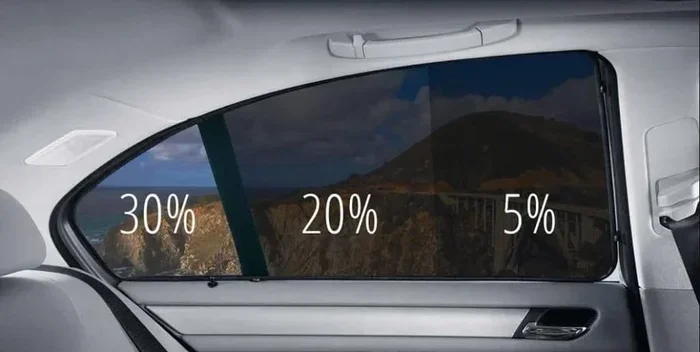
Consider the Tint Percentage: Tint percentage refers to how much light the film allows through. A 5 percent tint is very dark and offers maximum privacy. A 50 percent tint is lighter and still provides good heat rejection and UV protection. Choose a percentage that balances your needs with legal requirements.
Quick Tips for Choosing the Best Tint
- Always ask about the warranty offered by the installer or manufacturer.
- Higher-quality films last longer and perform better over time.
- Do not choose the darkest shade just for looks. Consider function first.
- Ask about the Visible Light Transmission (VLT) rating before purchasing.
- Read reviews and ask for recommendations from friends who have tinted their cars.
Common Mistakes to Avoid When Tinting Your Car
Tinting your car is a great investment, but mistakes can cost you money and leave you unhappy with the results. Here are some common pitfalls to watch out for.
Skipping the Research: Not all tint shops are the same. Some use low-quality materials, and others cut corners during installation. Do your homework. Read reviews, ask questions, and compare prices before committing to a shop.
Ignoring Legal Limits: This cannot be stressed enough. Every state has specific window tint laws about darkness and reflectivity. Ignoring these laws can lead to fines, mandatory removal, and even failed vehicle inspections. Always stay within legal limits.
Choosing Price Over Quality: It is tempting to go with the cheapest option, but low-quality window film fades, bubbles, and peels much faster. A slightly higher upfront cost saves you money in the long run because you will not need to replace it as soon.
Not Caring for the Tint Properly: After installation, you need to wait a few days before rolling down your windows. Harsh cleaners and rough cloths can damage the film. Follow the aftercare instructions provided by your installer to get the longest life out of your auto window tint.
Expert Insight: The Long-Term Value of Quality Tint
Professional detailers and automotive experts agree on one thing. Quality automotive window film pays for itself over time. The protection it offers to your skin, your interior, and your overall driving comfort means you get more value from your vehicle. Think of it as an investment, not just an expense.
A well-maintained tint can last anywhere from five to ten years, depending on the type of film and how well it is cared for. During that time, you enjoy cooler temperatures, better UV protection, less glare, and enhanced privacy every single day. That is a lot of value from a single upgrade.
Final Thoughts: Is Auto Window Tint Worth It?
The short answer is yes. Auto window tint is one of the most worthwhile upgrades you can make to your car. It protects your health, preserves your interior, improves driving comfort, and adds a layer of safety and security. The benefits go far beyond aesthetics.
Whether you choose a budget-friendly dyed film or invest in premium ceramic window film, you will notice the difference right away. Your car will feel cooler, look better, and stay in better condition for years to come. With the right choice of automotive window film and a professional installation, you are setting yourself up for a better driving experience every single day.
So go ahead and explore your options. Talk to a reputable car window tinting shop near you. Ask questions, compare options, and make an informed decision. Your future self will thank you every time you get into a cooler, more comfortable, and better-protected car.
Auto window tint is not just a car accessory. It is a smart, practical choice that enhances your vehicle in multiple ways. Do not wait another sunny day to experience the difference for yourself.
Frequently Asked Questions
How long does auto window tint last?
The lifespan of auto window tint depends on the type of film and how well it is maintained. High-quality ceramic or carbon films can last seven to ten years. Dyed films typically last three to five years. Proper aftercare, like avoiding harsh cleaners and waiting before rolling down windows, helps extend the life of your tint significantly.
Is car window tinting legal everywhere?
Window tint laws vary by state and country. Most places allow a certain level of darkness on rear windows but have stricter rules for front side windows. Always check your local regulations before getting your car tinted to avoid fines or the need to remove the film.
Can I tint my car windows myself?
DIY window tint kits are available and can save money, but professional installation usually delivers better results. A skilled installer ensures smooth application, no bubbles, and proper edge sealing. For the best performance and longevity, professional installation is highly recommended.
Does auto window tint affect visibility at night?
The impact on night visibility depends on the tint percentage you choose. Lighter tints, such as 50 percent or higher, have minimal effect on nighttime driving. Darker tints can reduce visibility in low-light conditions. Always choose a shade that balances your privacy needs with safe driving visibility.
How much does it cost to tint car windows?
The cost of car window tinting varies based on the type of film, the number of windows, and the quality of installation. Budget options can start around $100, while premium ceramic films with professional installation can range from $400 to $800 or more. Think of it as an investment in your car’s comfort and protection.
Will window tint bubble or peel over time?
Low-quality films are more prone to bubbling and peeling, especially in hot climates. High-quality automotive window film from reputable brands resists bubbling and fading much better. Choosing a trusted installer and following proper aftercare instructions greatly reduces the risk of these issues.