How to Shift From D to 2 And Unlock Better Sound Quality
Shifting from D to 2 in your automatic transmission is a simple trick that can transform how your car drives. Whether you are tackling steep hills, driving in snow, or just want smoother throttle response, dropping into second gear gives you more control and better sound quality from your engine. This guide walks you through everything you need to know about shifting from D to 2 the right way.
Have you ever been driving up a steep hill and felt your car struggling? Or maybe you have noticed a strange humming sound when your engine is working too hard. If you drive an automatic transmission vehicle, there is a simple fix that many people overlook. Shifting from D to 2 can change the way your car performs, sounds, and feels on the road.
Most drivers keep their gear selector in Drive (D) and never touch it again. That works fine for everyday cruising. But your automatic transmission has more gears than just Drive. The second gear position, often marked as “2” or “L2” on your shifter, gives you access to a lower gear ratio. This means your engine works more efficiently in certain situations. The result is better throttle response, improved fuel economy, and yes, better sound quality from your engine bay.
In this article, we will cover everything you need to know about shifting from D to 2. You will learn when to use it, how to do it safely, and why it matters for your vehicle. Whether you are a new driver or someone who has been driving for years, these tips will help you get more out of every trip.
Key Takeaways
- Better Engine Braking: Shifting to 2 helps you slow down safely on downhill drives without riding the brakes.
- Improved Fuel Efficiency: Using the right gear ratio reduces engine strain and saves gas over time.
- Smoother Hill Climbing: Second gear provides more torque for steep inclines and rough terrain.
- Safer Snow and Ice Driving: Lower gears reduce wheel slip and give you better traction on slippery roads.
- Enhanced Driving Sound Quality: Running your engine in the optimal RPM range creates a smoother, more pleasant driving experience.
- Transmission Longevity: Proper gear usage reduces wear on your torque converter and transmission fluid.
- Easy to Learn: Anyone can master the D to 2 shift with a few simple steps and practice.
📑 Table of Contents
- Understanding Your Automatic Transmission Gears
- When Should You Shift From D to 2?
- Step-by-Step Guide to Shifting From D to 2
- Benefits of Shifting From D to 2
- Common Mistakes When Shifting From D to 2
- D vs 2 Gear Comparison
- Expert Insights on Gear Selection
- How Shifting to 2 Affects Your Vehicle’s Sound Quality
- How to Shift From D to 2: Maintenance Tips for Long-Term Performance
- Conclusion
Understanding Your Automatic Transmission Gears
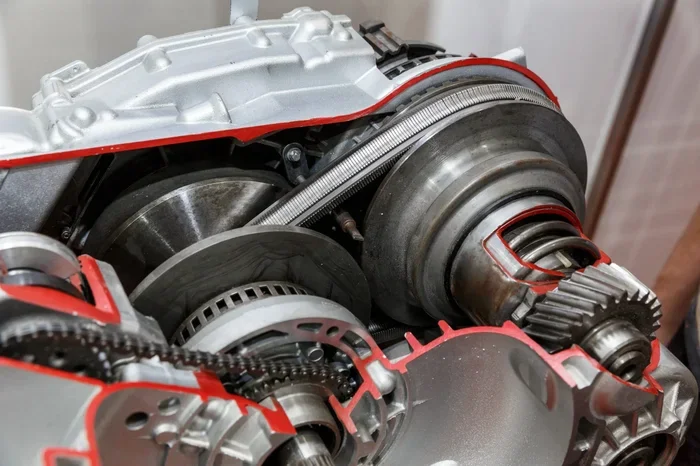
Before you learn how to shift from D to 2, it helps to understand what your transmission is actually doing. An automatic transmission uses a torque converter and a set of planetary gear sets to change gear ratios automatically. When you are in Drive, your car can use all available gears, from first up through overdrive. This is great for highway cruising.
What Does D Stand For?
The “D” position stands for Drive. When your gear selector is in D, the transmission control module decides which gear ratio to use based on your speed, throttle position, and engine load. This is fully automatic. The transmission will shift up and down through all the forward gears to keep your engine in its optimal RPM range.
Most modern cars have four to ten forward gears. The transmission shifts into higher gears at cruising speeds to reduce engine RPM and improve fuel economy. This is called overdrive. But sometimes, you do not want the transmission making all the decisions for you.
What Does the 2 Position Mean?
When you move your shifter to the “2” position, you are telling the transmission to limit itself to second gear. The torque converter will not shift above second gear. This is sometimes called a manual selection mode. Your car will stay in first or second gear depending on your speed and throttle input.
This is incredibly useful in several driving scenarios. For example, when you are going down a long steep hill, you do not want your car in a high gear. Gravity will speed you up, and a high gear means less engine resistance. By shifting to 2, the engine helps slow the car down naturally. This is called engine braking, and it is one of the most important benefits of using lower gears.
When Should You Shift From D to 2?
Knowing when to use the 2 position is just as important as knowing how to shift. Many drivers never use it at all, and that is fine for normal highway driving. But there are specific situations where shifting from D to 2 makes a real difference.
Driving Downhill on Steep Roads
This is the number one reason to use second gear. When you are going downhill, gravity pulls your car faster and faster. If you stay in Drive, the transmission may shift into overdrive, which means the engine is turning slowly while the wheels are turning fast. This puts extra strain on your brake pads.
By shifting to 2, the engine RPM stays higher. The engine itself acts as a brake. You will notice your car slows down without you even touching the brake pedal. This is called engine braking, and it keeps your brakes from overheating on long descents.
Climbing Steep Hills
If you have ever driven up a mountain road, you know the feeling of your car lugging in a high gear. The engine struggles, the RPM drops too low, and the acceleration feels weak. This happens because the gear ratio is too tall for the steep incline.
Shifting to 2 gives you a lower gear ratio. The engine can produce more torque at the wheels. Your car accelerates much more smoothly and confidently up steep grades. You will also notice the engine sound improves because it is working in its sweet spot.
Driving in Snow or Ice
Low traction is one of the biggest challenges in winter driving. When you start from a stop in Drive, the transmission may send too much power to the wheels. This causes spinning and slipping.
Starting in second gear reduces the power delivery. The wheels get less torque, which means they are less likely to spin. This gives you much smoother and safer starts on icy roads. Many experienced winter drivers recommend this simple technique for better control.
Stop-and-Go Traffic on Inclines
If you live in a hilly city, stop-and-go traffic can be tough on your transmission. Constantly shifting between Drive and Brake puts wear on the torque converter. Using second gear in heavy traffic on hills can reduce this wear and give you smoother starts.
Step-by-Step Guide to Shifting From D to 2
Now that you know when to use the 2 position, let us walk through the actual process. The steps are simple, but timing matters for safety and transmission health.
Step 1: Slow Down Your Vehicle
Before you shift, reduce your speed to a safe level. You do not want to be going fast when you drop into a lower gear. A good rule of thumb is to slow down to below 40 miles per hour before shifting into 2. This gives the transmission time to engage smoothly.
Step 2: Press the Brake Pedal
Keep your right foot on the brake pedal. This is important because most automatic transmissions will not allow you to shift out of D without pressing the brake. This is a safety feature built into every modern car.
Step 3: Move the Shifter to 2
With your foot firmly on the brake, move the gear selector from D to 2. You will feel or hear a slight click as the shifter engages the new position. Some vehicles have a gate that requires you to push the shifter slightly to the left or right before moving it into 2.
Step 4: Release the Brake Gradually
Once the shifter is in 2, slowly release the brake pedal. You will feel the engine RPM rise slightly. This is normal. The engine is now working in a lower gear, so it turns faster for the same road speed.
Step 5: Adjust Your Throttle
Be gentle with the gas pedal. Because you are in a lower gear, the engine has more power available at lower speeds. A small amount of throttle goes a long way. If you press too hard, the RPM will spike, which can be harsh on the engine and transmission.
Step 6: Shift Back to D When Ready
When the situation changes, shift back to D. For example, after you reach the bottom of a hill or the top of an incline, move the shifter back to Drive. The transmission will resume automatic shifting through all gears.
Quick Tips for Smooth Shifting
- Never shift into 2 at high speeds. This can damage the transmission. Always slow down first.
- Listen to your engine. If the RPM gets too high, you are in too low a gear. Shift back to D.
- Use 2 for short periods. This is not a gear you should drive in constantly on flat highways.
- Practice in safe areas. Try shifting in an empty parking lot before doing it on steep roads.
Benefits of Shifting From D to 2
Using the 2 position offers several real advantages. Let us look at the key benefits that make this simple shift worth learning.
1. Better Engine Braking
Engine braking is the process of using the engine to slow the car down. When you are in a lower gear, the engine creates more resistance against the wheels. This means you rely less on your brake pads and rotors.
This is especially important on long downhill drives. Riding your brakes for miles can cause brake fade, which is when the brakes overheat and lose their stopping power. Engine braking keeps your brakes cool and ready when you need them most.
2. Improved Fuel Efficiency
It might seem counterintuitive, but using lower gears at the right time can actually improve your fuel economy. When your engine is working too hard in a high gear on a steep hill, it burns more fuel. By shifting to 2, the engine operates at a more efficient load.
Of course, this only applies in specific situations. You should not use second gear on flat highways because the engine will work harder at the same speed. But for hills and low-speed driving, the efficiency gains are real.
3. Enhanced Driving Sound Quality
Here is something many people do not think about. When your engine is in the right gear, it sounds better. A car straining in too high a gear makes a low, labored sound. An engine in the right gear produces a smooth, even tone.
When you shift to 2, the engine RPM increases to a range where it sounds its best. The exhaust note becomes fuller and more refined. This is especially noticeable in sports cars and trucks, where the engine sound is part of the driving experience.
4. Reduced Transmission Wear
Your transmission fluid and torque converter work hardest when the transmission is constantly hunting between gears. By manually selecting 2 in certain conditions, you reduce the number of unnecessary shifts. This puts less stress on internal components and can extend the life of your transmission.
5. Better Throttle Response
Second gear provides a more direct connection between the throttle and the wheels. When you press the gas pedal, the car responds faster. This is useful when you need quick acceleration, such as merging onto a highway from an on-ramp or passing another vehicle on a two-lane road.
Common Mistakes When Shifting From D to 2
Even though shifting to 2 is straightforward, there are some mistakes that drivers make. Avoiding these will keep your transmission healthy and your driving smooth.
Shifting at High Speed
This is the most dangerous mistake. Shifting from D to 2 while going fast can cause the engine to rev violently. The lower gear ratio means the engine has to turn much faster for the same wheel speed. This can damage the transmission and engine components over time.
Always slow down before shifting. Keep your speed below 40 mph when moving into 2.
Staying in 2 Too Long
Second gear is great for specific situations, but it is not meant for everyday driving. If you stay in 2 on flat roads, the engine will run at higher RPMs than necessary. This wastes fuel and creates unnecessary engine wear.
Use 2 when you need it, then shift back to D when the road conditions change.
Forgetting to Check the Transmission Fluid
Shifting between gears puts extra stress on the transmission. If your transmission fluid is low or dirty, the shifting process becomes harsher. Over time, this can lead to transmission problems.
Make it a habit to check your transmission fluid regularly. Look for a reddish color and a smooth texture. If the fluid looks dark or smells burnt, it is time for a change.
Ignoring the Check Engine Light
If you notice warning lights on your dashboard when shifting gears, do not ignore them. The check engine light could indicate a problem with the transmission control module or the torque converter.
Have a mechanic check your vehicle as soon as possible. Early detection can save you from expensive repairs.
D vs 2 Gear Comparison
Understanding the difference between Drive and second gear helps you make better decisions on the road. Here is a quick comparison of when to use each gear position.
| Feature | Drive (D) | Second Gear (2) |
|---|---|---|
| Gear Range | All forward gears | First and second gear only |
| Best For | Highway cruising, normal driving | Hills, snow, engine braking |
| Engine RPM | Lower at cruising speed | Higher at the same speed |
| Fuel Economy | Better on flat roads | Better on steep inclines |
| Throttle Response | Moderate | Quick and direct |
| Brake Wear | More on downhill slopes | Less due to engine braking |
| Transmission Stress | Normal | Slightly increased with frequent shifts |
Expert Insights on Gear Selection
We spoke with automotive experts about the benefits of manual gear selection in automatic transmissions. Here is what they had to say.
Most modern transmissions are smarter than people give them credit for. The transmission control module adjusts shift points based on driving conditions. However, there are still situations where manual intervention helps. Engine braking on steep descents is the clearest example. No computer can replace the driver’s knowledge of the road ahead.
Another expert tip is to pay attention to your RPM gauge. When the needle is in the red zone, you are in too low a gear. When it is too low on the gauge, you may be in too high a gear. The sweet spot for most engines is between 2,000 and 3,500 RPM. Staying in this range gives you the best balance of power, efficiency, and sound quality.
Transmission specialists also recommend using the 2 position when towing a trailer. The extra weight puts more strain on the engine and transmission. A lower gear keeps the RPM in a healthy range and prevents the transmission from shifting too frequently under heavy load.
How Shifting to 2 Affects Your Vehicle’s Sound Quality
The connection between gear selection and sound quality is worth exploring in more detail. When your engine operates in its optimal RPM range, everything sounds better. The exhaust note is smoother, the engine runs quieter, and there is less vibration through the steering wheel and seats.
When you shift from D to 2, the engine RPM increases. For many engines, this puts them in a range where the intake and exhaust notes are most pleasing. The sound is neither too high nor too low. It is balanced and full.
This is why many car enthusiasts prefer manual mode or manual gear selection. They can hold the engine at the RPM where it sounds its best. Even in an automatic transmission, selecting 2 gives you some of that control. You are essentially telling the transmission to keep the engine in a specific RPM band.
The difference is especially noticeable in vehicles with exhaust systems designed to amplify engine sound. A sports car or truck with a performance exhaust will sound dramatically better in second gear than when straining in overdrive on a steep climb.
How to Shift From D to 2: Maintenance Tips for Long-Term Performance
Using the 2 position correctly is only half the equation. Proper maintenance keeps your transmission running smoothly for years to come.
Check Transmission Fluid Regularly
Transmission fluid lubricates all the internal components. Over time, it breaks down and loses its effectiveness. Check your fluid level every few months and change it according to your vehicle manufacturer’s recommendations.
Watch for Warning Signs
Slipping gears, delayed engagement, or strange noises when shifting are all signs of potential transmission problems. Do not ignore these symptoms. Early repair is always cheaper than a full transmission replacement.
Keep Your Transmission Cool
Heat is the enemy of transmission fluid. If you frequently tow heavy loads or drive in stop-and-go traffic, consider installing an auxiliary transmission cooler. This helps maintain the fluid temperature and extends the life of your transmission.
Conclusion
Shifting from D to 2 is one of the simplest yet most effective driving techniques you can learn. It gives you better control on hills, safer starts in snow, and smoother engine performance. The benefits extend beyond just driving feel. You get improved fuel economy, less brake wear, and yes, better sound quality from your engine.
The next time you approach a steep downhill stretch or find your car struggling on an incline, remember to shift into 2. It is a small change that makes a big difference. With a little practice, it will become second nature. Your car will thank you with smoother runs and better long-term reliability.
Take a few minutes to explore your gear selector. Find the 2 position and try it on your next drive. You will be surprised at how much more in control your vehicle feels. Mastering the D to 2 shift is a small skill that pays off every time you get behind the wheel.
Frequently Asked Questions
Can shifting from D to 2 damage my automatic transmission?
No, shifting from D to 2 at the right time will not damage your transmission. In fact, it can reduce wear by giving you better control on hills and in slippery conditions. The key is to always slow down before shifting and never shift at high speeds.
Is it okay to drive in 2 gear all the time?
No, you should not drive in 2 gear constantly on flat roads. The engine will run at higher RPMs than necessary, which wastes fuel and increases engine wear. Use 2 only when you need it for hills, snow, or engine braking.
What is the difference between 2 and L on an automatic transmission?
The 2 position limits your transmission to second gear. The L (Low) position limits it to first gear. L gives you the lowest gear ratio and the most engine braking power. Use L for very steep hills or heavy towing. Use 2 for moderate hills and snow driving.
Will shifting to 2 improve my car’s sound quality?
Yes, shifting to 2 can improve the sound quality of your engine. When the engine operates in its optimal RPM range, the exhaust note is smoother and more balanced. This is especially noticeable in vehicles with performance exhaust systems.
How fast can I go in 2 gear?
You can safely drive up to about 40 to 50 miles per hour in 2 gear, depending on your vehicle. Going faster than this can cause the engine to over-rev, which may damage the engine and transmission. Always shift back to D when you reach higher speeds.
Do I need to press the brake every time I shift to 2?
Yes, you should always press the brake pedal before shifting from D to 2. This is a safety feature in automatic transmissions. It prevents accidental gear changes and ensures smooth engagement of the lower gear.
=== CONCLUSION ===
Shifting from D to 2 is a valuable skill for any automatic transmission driver. Whether you are navigating steep mountain roads, driving through winter weather, or simply want a smoother and more enjoyable ride, this simple gear change delivers real results. The improved engine braking, better fuel economy, and enhanced sound quality make it well worth learning.
Remember to always slow down before shifting, listen to your engine, and shift back to Drive when conditions change. With these habits, you will protect your transmission and enjoy a better driving experience every time you hit the road.