Is Street Parking Free The Real Answer Might Surprise You
Is street parking free? The answer is not as simple as yes or no. Many drivers assume street parking costs nothing, but hidden fees, time limits, and local regulations can change everything. Whether you are in a busy city or a quiet suburb, understanding street parking rules saves you money and avoids costly tickets. This guide breaks down everything you need to know about free parking spots, metered zones, and the real cost of parking on the street.
Is street parking free? That is a question almost every driver asks at some point. You pull up to a blank stretch of road, see no sign, and think, “Great, I can park here for free.” But then you get a ticket two hours later. What happened?
The truth is that street parking is rarely as simple as it looks. Many factors decide whether a spot costs money or not. Time of day, location, city rules, and even the color of the curb all play a role. In this article, we will break down the real answer to the question of is street parking free. You will learn about parking meter fees, hidden costs, local regulations, and smart tips to find free parking spots every time.
Whether you are a daily commuter, a visitor exploring a new city, or just someone tired of getting parking tickets, this guide has you covered. Let us dive into the world of street parking and uncover what most drivers never think to ask.
Key Takeaways
- Street parking is not always free: Many areas have hidden fees, time limits, and permit requirements that drivers overlook.
- Metered parking zones charge by the hour: Always check the meter signs before leaving your vehicle on a busy street.
- Residential areas may allow free parking: But permit zones and time restrictions still apply in many neighborhoods.
- Street cleaning days mean you must move: Ignoring these schedules leads to expensive parking tickets and towing.
- Disabled parking spots have strict rules: Only vehicles with proper placards or plates can use these spaces.
- Overnight parking rules vary widely: Some cities allow it for free while others ban it entirely on certain streets.
- Knowing local parking regulations saves money: A few minutes of research can prevent costly fines and towing fees.
📑 Table of Contents
- What Does “Is Street Parking Free” Actually Mean?
- The Rules Behind Free Street Parking
- How Metered Parking Works
- Hidden Costs of Street Parking You Might Not Know
- Street Parking Rules by City
- Tips for Finding Free Street Parking
- Common Mistakes Drivers Make With Street Parking
- Expert Insights on Street Parking
- How to Avoid Parking Tickets on the Street
- The Future of Street Parking
- Conclusion
What Does “Is Street Parking Free” Actually Mean?
When people ask if street parking is free, they usually mean one thing. Can I park my car on the road without paying any money? The simple answer is sometimes. But the full picture is much more complex than that.
Street parking refers to any vehicle space located on a public road, sidewalk edge, or roadside area. These spaces are managed by local governments, usually the city or county. Each municipality sets its own rules for parking on public streets.
Some streets offer free parking all day long. Others charge fees during business hours but go free at night and on weekends. Then there are streets where parking is never free, even after dark. The key is understanding that free parking does not mean no rules. It just means no money changes hands.
Why Most Drivers Assume Street Parking Is Free
Here is why so many people get confused. When you see an empty parking spot on a residential street, there is no meter, no pay station, and no attendant watching. Your brain naturally assumes it must be free. And in many cases, you would be right.
But assumptions lead to mistakes. A street might have time limits that are not obvious from the curb. There could be a permit zone that only residents know about. Or the street might be in a special parking district that charges fees during certain hours. Without checking the signs, you are taking a gamble every time you park on the street.
The lesson here is simple. Never assume a spot is free just because there is no meter. Always look for parking signs, curb colors, and time restriction markers before you leave your car.
The Rules Behind Free Street Parking
Understanding street parking regulations is the first step to avoiding fines. Every city has its own set of rules, but most follow a similar framework. Let us look at the common rules that determine whether a parking spot is truly free or not.
Time Limits and Duration Rules
Many free street parking spots come with hidden time limits. You might be allowed to park for two hours, four hours, or eight hours. After that time expires, you must move your car. If you stay too long, you risk getting a ticket.
These time limits are often posted on signs near the parking area. They can also be marked with painted numbers on the curb or pavement. In some cities, time limits are enforced more strictly during business hours and relaxed at night.
For example, a downtown street might allow free parking for up to two hours from 8 AM to 6 PM. After 6 PM and before 8 AM, the same spot might have no time limit at all. This is a common pattern in urban areas where businesses need turnover in their parking spaces during the day.
Residential Permit Zones
If you live in a city, your neighborhood might be a residential permit zone. In these areas, only residents with a valid parking permit can park on the street for free. Visitors may need to pay a fee or are limited to a short stay.
Permit zones are designed to keep parking spots available for local residents. They prevent commuters and tourists from filling up neighborhood streets. If you do not have a permit, you could get a ticket even if there is no meter in sight.
Some cities offer temporary visitor permits that you can purchase online or at local shops. These allow guests to park legally for a day or two. Always check if your parking area is a permit zone before you leave your car.
Street Cleaning Schedules
Here is a rule that catches many drivers off guard. Street cleaning days mean you must move your vehicle. Even if the spot is otherwise free, parking during a scheduled street cleaning sweep can result in a fine.
Street cleaning signs usually display the days and times when cleaning occurs. They also show how long you cannot park in that spot. In some areas, street cleaning happens weekly. In others, it might be twice a month or even daily on busy routes.
A quick tip is to note the street cleaning schedule for any street you park on regularly. Set a reminder on your phone if needed. This small habit can save you from an unexpected parking ticket.
How Metered Parking Works
Metered parking is the most obvious form of paid street parking. You have probably seen those metal poles on the side of the road with a screen and a coin slot. These are parking meters, and they control the cost and duration of your street parking session.
Types of Parking Meters
Not all meters are the same. Cities use several types of parking meter systems today. Traditional coin-operated meters are still common in many areas. You insert coins or bills, set the time, and display the receipt on your dashboard.
Modern cities are moving toward digital and app-based systems. These allow you to pay for parking using your smartphone. You enter the meter number, choose your duration, and the app handles the payment. Some systems even send you a reminder when your parking time is about to expire.
There are also pay-and-display machines. These are standalone kiosks where you buy a parking ticket and place it on your windshield. The ticket shows the start time and the expiration time. Parking enforcement officers check these tickets to make sure you have paid for the time you are parked.
When Meters Are Free
Here is some good news. Many cities offer free parking during certain hours. After business hours, meters often go free. Weekends and holidays are also common times for free metered parking.
For instance, a meter that charges $2 per hour from 9 AM to 6 PM on weekdays might be completely free after 6 PM and all day Sunday. This is great news if you need to run an evening errand or shop on the weekend.
Always check the meter sign for the hours of enforcement. The sign will clearly state when meters are active and when they are free to use. This information is right there for anyone to read, but many drivers skip right past it.
Hidden Costs of Street Parking You Might Not Know
Even when street parking appears to be free, there can be hidden costs. These are not always about money either. Sometimes the cost is your time, your convenience, or even your vehicle’s safety.
Parking Ticket Fines
The most obvious hidden cost is the parking ticket. A single ticket can cost anywhere from $20 to $100 or more depending on the city and the violation. If you ignore the ticket, the fine can double or triple. In some cases, your vehicle can be towed and impounded.
Common reasons for street parking tickets include exceeding time limits, parking in a permit-only zone, parking during street cleaning hours, and blocking a fire hydrant. Even if you think the spot is free, a missing or overlooked sign can cost you dearly.
To avoid tickets, make it a habit to scan for parking signs before you leave your vehicle. Take a quick photo of the sign with your phone. This way, you have proof of the rules if you ever get a ticket you believe is unfair.
Towing and Impound Fees
If your car gets towed, the costs go way beyond a simple ticket. Towing fees can range from $100 to $300 or more. Impound lot storage fees add another $20 to $50 per day. Retrieving your vehicle can end up costing hundreds of dollars.
Towing usually happens when a vehicle is parked illegally, blocking traffic, or abandoned. Even if you thought the spot was free, if it was actually restricted, your car could be towed with no warning in some jurisdictions.
The best way to avoid towing is to understand the parking rules for every street you park on. When in doubt, find a different spot or ask a local business owner about the parking situation.
Vehicle Damage and Safety Risks
Free street parking is not always safe. Cars parked on the street are more vulnerable to damage than those in garages. Dooring accidents, where a parked car is hit by a car door opening, are common in urban areas.
Other risks include vandalism, broken glass, and scratches from passing vehicles. In some neighborhoods, street parking can expose your car to weather damage, falling debris, or even theft.
To reduce these risks, park in well-lit areas, avoid spots near sharp turns or intersections, and remove all valuables from your vehicle. A little extra caution can save you from expensive repairs and insurance claims.
Street Parking Rules by City
Parking rules vary dramatically from one city to another. What is free in one place might cost money in another. Let us look at how street parking works in different types of cities.
Large Metropolitan Areas
In big cities like New York, Los Angeles, Chicago, and San Francisco, street parking is rarely free for long. Metered spots dominate the landscape, and parking enforcement is strict. These cities rely on parking revenue to fund transportation infrastructure.
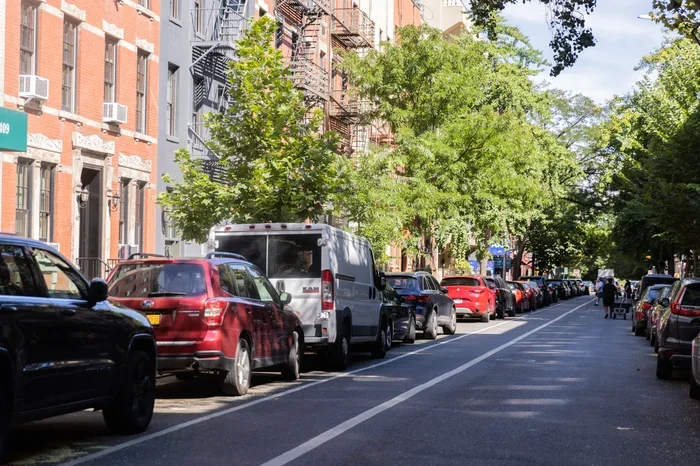
In New York City, for example, many street parking spots are free but have alternate side parking rules. You must move your car on certain days for street cleaning. Some spots are metered and charge fees throughout the day. Parking in a bus lane, fire lane, or school zone can result in an immediate ticket.
San Francisco uses a modern parking system called SFpark. Prices adjust based on demand, and drivers can check real-time availability through an app. This system aims to reduce circling for parking, which is a major source of traffic congestion.
Smaller Cities and Suburbs
In smaller cities and suburbs, street parking is more likely to be free. Residential streets often have no meters or time limits. However, even in these areas, there are usually some rules to follow.
Suburban streets may have designated visitor parking areas, HOA parking restrictions, or time limits near schools and parks. Always check for signs even in quieter neighborhoods. What feels like a free spot could be a shared driveway or a private property line you did not notice.
Some suburbs offer free parking in public lots as an alternative to street parking. These lots are often located near shopping centers, transit stations, and parks. They can be a great option if street parking is scarce or restricted in your area.
Tourist Destinations and Downtown Areas
Tourist-heavy areas often have complex parking rules. Free street parking might be available on side streets but not on main roads. Time limits are common to keep spots available for visitors rather than long-term parkers.
In many tourist towns, you will find free parking on Sundays or after certain evening hours. Some cities offer free parking during off-peak seasons to attract visitors. Checking the local tourism website or visitor center can provide helpful parking tips for your destination.
Tips for Finding Free Street Parking
Finding free street parking does not have to be a frustrating experience. With a little planning and the right tools, you can locate free spots consistently. Here are some practical tips to help you park without paying.
Use Parking Apps and Online Tools
Several apps and websites can help you find free parking spots in real time. Apps like Parkopedia, SpotHero, and Google Maps show parking availability and pricing information. Some apps even let you reserve a spot in advance.
Google Maps is a surprisingly good tool for finding parking. When you search for a destination, the app often shows nearby parking options, including street parking and garages. You can also check reviews from other users who have parked in the area.
Many city websites also provide parking maps and guides. These resources show which streets have meters, which areas are permit-only, and when free parking hours apply. Taking five minutes to check these resources before you head out can save you a lot of hassle.
Park During Off-Peak Hours
One of the best ways to find free street parking is to park during off-peak hours. Early mornings, evenings, and weekends often have more open spots than midday or weekday rush hours.
If you can adjust your schedule slightly, you will have an easier time finding a free spot. For example, running errands early in the morning on a Saturday is usually much easier than trying to park on a busy Tuesday afternoon.
Off-peak parking also means less competition for spots, less risk of getting a ticket, and less stress overall. It is a win-win for your schedule and your wallet.
Look for Residential Streets Away from Downtown
Downtown areas are almost always the hardest places to find free parking. If you are willing to walk a bit further, residential streets a few blocks away often offer free and unrestricted parking.
Just make sure the residential street is not a permit zone. Check for signs that mention resident parking permits or time restrictions. If there are no such signs, you have likely found a free spot.
A good strategy is to park a few blocks from your destination and walk the rest of the way. This gives you more options and often saves you from the stress of circling the same block multiple times.
Check for Free Parking Days and Special Programs
Many cities offer free parking days during holidays, special events, or promotional periods. Some cities also have programs that provide free parking for certain groups, such as seniors, veterans, or low-income residents.
Follow your city’s parking authority on social media or sign up for their newsletter. They often announce free parking events and changes to parking rules before they take effect. Staying informed helps you take advantage of these opportunities.
Common Mistakes Drivers Make With Street Parking
Even experienced drivers make mistakes when it comes to street parking. Knowing the common errors can help you avoid them and park with confidence.
The first mistake is not reading the signs. This seems obvious, but many drivers skip right past the small text on parking signs. Every detail matters, from time limits to permit requirements to seasonal restrictions.
The second mistake is ignoring curb colors. Different curb colors mean different things. Red curbs usually mean no stopping or parking at all. Yellow curbs are often for loading and commercial vehicles. White curbs are typically for short stops like picking up passengers. Green curbs indicate limited-time parking, and blue curbs are reserved for disabled persons.
The third mistake is assuming all streets in a neighborhood follow the same rules. This is not true. One block can have completely different parking regulations than the next block over. Always check the signs on the specific street where you plan to park.
The fourth mistake is forgetting about street cleaning days. You park on a street you have used dozens of times before, but today is the one day the street gets cleaned. Suddenly, you come back to a ticket on your windshield. This is an easy mistake to make and an easy one to prevent with a simple reminder.
The fifth mistake is overstaying your welcome. Even in free parking areas, there are usually time limits. If you leave your car in the same spot for days, you could be considered a long-term parker and receive a ticket or have your vehicle towed.
Expert Insights on Street Parking
Urban planning experts agree that street parking is one of the most complex aspects of city life. According to transportation researchers, the cost of street parking goes far beyond the price tag on a meter.
Dr. Susan Handy, a transportation researcher at UC Davis, explains that free street parking creates its own set of problems. When parking is free and abundant, more people choose to drive. This increases traffic congestion, air pollution, and demand for road space. Cities that charge for parking, even modest fees, tend to have better traffic flow and more available spots.
Professor Donald Shoup, an urban planning expert at UCLA, has spent decades studying parking policy. His research shows that properly priced street parking reduces cruising for spots, which accounts for up to 30% of downtown traffic in some cities. He argues that free parking is actually a hidden subsidy that comes with real costs to the community.
These insights do not mean every driver should pay for parking. They do mean that understanding the full picture of street parking helps us make better decisions as drivers and as community members.
How to Avoid Parking Tickets on the Street
Nobody wants a parking ticket. They are expensive, annoying, and can add up quickly if you get them regularly. Here are some practical steps to keep your record clean and your wallet full.
- Read every sign. Before you leave your car, walk around and read all the parking signs in the area. Look for time limits, permit requirements, and special restrictions.
- Check the date and time. Some restrictions only apply on certain days or during certain hours. A sign might say “No parking 8 AM to 6 PM weekdays” which means it is fine to park at 7 PM.
- Set a timer on your phone. If you are parking in a time-limited zone, set an alarm to remind you when your time is up. This is especially helpful when you are running errands and lose track of time.
- Take a photo of the signs. This gives you proof of the parking rules if you ever dispute a ticket. It only takes a few seconds and can save you a lot of money.
- Know your local parking authority. Every city has a parking enforcement agency. Visit their website to learn about local rules, appeal processes, and payment options for tickets.
- Park in well-lit areas at night. This reduces the risk of damage to your vehicle and makes it easier for enforcement officers to see your license plate and dashboard display.
The Future of Street Parking
Street parking is changing rapidly. Technology is transforming how we find, pay for, and manage on-street parking spaces. Here are some trends that are shaping the future of street parking.
Smart parking sensors are being installed in many cities. These sensors detect whether a parking spot is occupied or empty. They send real-time data to apps and digital displays, helping drivers find available spots faster. This technology reduces circling, saves fuel, and cuts down on traffic congestion.
Dynamic pricing is another growing trend. Instead of fixed rates, some cities adjust parking meter prices based on demand. Spots in high-demand areas cost more during peak hours and less during off-peak times. This helps balance supply and demand and keeps spots available for everyone.
Automated enforcement is also on the rise. License plate recognition cameras can now identify parked vehicles and check whether they have paid or are in violation. This reduces the need for officers to walk the streets and allows for more consistent enforcement.
Some cities are experimenting with free parking programs to encourage local shopping and reduce car dependency. These programs use parking guidance systems to direct drivers to available free spots, reducing the need to cruise for parking.
As these technologies continue to evolve, the question of is street parking free will become even more nuanced. Drivers will need to stay informed and adapt to changing rules and systems. But one thing will remain constant: understanding parking regulations always works in your favor.
Conclusion
So, is street parking free? The real answer might surprise you. In many cases, street parking is free but comes with rules, time limits, and restrictions that drivers often overlook. The key is knowing those rules before you park.
Whether you are dealing with metered parking, residential permit zones, or street cleaning schedules, a little knowledge goes a long way. Understanding street parking regulations helps you avoid costly tickets, towing fees, and the frustration of coming back to a parking violation on your windshield.
Use the tips in this guide to find free parking spots confidently. Check the signs, use parking apps, park during off-peak hours, and always be aware of local rules. These small habits can make a big difference in your parking experience.
Next time you pull up to a street and wonder, “Is street parking free here?” take a moment to look around. Read the signs, check the curb color, and note any time restrictions. That few seconds of attention can save you time, money, and a whole lot of headaches.
Street parking does not have to be stressful. With the right information and a little preparation, you can park like a pro and enjoy the freedom of the open road. Happy parking.
Frequently Asked Questions
Can I park for free on any street at night?
Not necessarily. While many cities offer free parking after business hours, some streets have 24-hour meter enforcement or overnight restrictions. Always check the parking signs for the specific street before you leave your vehicle at night.
How do I know if a street is a permit zone?
Look for signs at the entrance of the block or along the curb. Permit zones are usually marked with signs that display the allowed hours and permit requirements. If you do not see a sign, the street is likely not a permit zone, but it is always best to double-check.
What happens if I park during street cleaning hours?
You will likely receive a parking ticket. Street cleaning enforcement is strict in most cities. The signs will show the days and times when cleaning occurs. If you see a street cleaning sign, find a different spot or plan to move your car during the scheduled time.
Are there apps that show free street parking in real time?
Yes. Apps like Parkopedia, SpotHero, and Google Maps can show parking availability and pricing in real time. Some cities also have their own official parking apps that display free and paid zones. These tools are especially helpful when visiting a new city.
Do I need to pay for parking on holidays?
It depends on the city and the specific parking zone. Some cities offer free parking on national holidays, while others maintain regular rates. Check the parking meter signs or the city parking authority website for holiday parking rules in your area.
What is the difference between free parking and unrestricted parking?
Free parking means you do not pay money to park, but there may still be time limits or other restrictions. Unrestricted parking means there are no time limits, no fees, and no special requirements. A free parking spot can still have rules, so always read the signs carefully before you leave your car.