What Is the Maximum Capacity of a Sedan Car Explained
The maximum capacity of a sedan refers to the total number of passengers and the amount of cargo a sedan can safely carry. Most sedans comfortably seat five passengers with a trunk that holds between 12 and 16 cubic feet of luggage. Understanding your sedan’s limits helps you plan road trips, stay safe, and make the most of your vehicle’s interior space.
Have you ever wondered how much your sedan can really hold? Whether you are planning a family road trip or just trying to fit all your grocery bags in one trip, knowing the maximum capacity of a sedan makes a big difference. Many car buyers focus on horsepower and fuel economy, but capacity is just as important in daily life.
The maximum capacity of a sedan covers two main things: how many people can sit inside safely and how much stuff you can stash in the trunk and cabin. These numbers vary widely depending on the sedan size, model year, and design. In this guide, we break down everything you need to know about sedan car capacity in plain, simple terms.
By the end of this article, you will understand passenger limits, trunk measurements, weight ratings, and practical tips to get the most out of your sedan. Let us dive right in.
Key Takeaways
- Standard sedan capacity: Most sedans seat five passengers and carry 12-16 cubic feet of trunk space.
- Size matters: Compact sedans hold less than full-size sedans, which offer the most room for passengers and cargo.
- Legal vs. comfort: The legal passenger limit is usually five, but cramming more people is unsafe and illegal in most states.
- Maximizing storage: Proper packing techniques and seat folding can significantly increase your sedan’s usable space.
- Weight limits: Every sedan has a gross vehicle weight rating that affects how much load it can safely carry.
- Know your car: Check your owner’s manual for the exact capacity ratings specific to your sedan model.
📑 Table of Contents
What Does Maximum Capacity of a Sedan Actually Mean?
Understanding Passenger and Cargo Limits
When we talk about the maximum capacity of a sedan, we are really talking about two separate numbers. The first is the passenger seating limit, which tells you how many people can sit in the car legally and safely. The second is the cargo capacity, which covers both the trunk and any interior space you can use for bags, boxes, or other items.
Most sedans follow a standard layout. There are two front seats and three rear seats, giving a total of five passenger positions. This is the maximum occupancy for nearly all sedans on the road today. The sedan trunk capacity typically ranges from about 12 cubic feet in compact models to 16 cubic feet or more in full-size sedans.
It is important to understand that these numbers are not just suggestions. They are based on strict engineering and safety standards. Every sedan is designed with a specific vehicle capacity rating that accounts for seat strength, seatbelt availability, and structural integrity.
Why Capacity Matters for Car Buyers
Knowing the maximum capacity of a sedan helps you make smarter buying decisions. If you have a family of five, you need a sedan that comfortably fits everyone with room to spare. If you frequently carry luggage or sports equipment, trunk space becomes a top priority.
Capacity also affects your daily driving experience. A sedan with generous sedan interior space feels less cramped and more comfortable on long drives. On the other hand, a sedan that is too small for your needs can feel restrictive and frustrating.
Here are a few reasons why understanding sedan car capacity matters:
- Safety: Overloading a sedan beyond its rated capacity is dangerous and can affect handling and braking.
- Comfort: Proper capacity planning ensures every passenger has enough legroom and personal space.
- Legal compliance: Exceeding the posted passenger limit can result in fines and points on your license.
- Insurance: Overloading may void certain insurance coverage in the event of an accident.
- Vehicle longevity: Consistently exceeding weight limits puts extra stress on tires, suspension, and brakes.
How Many Passengers Can a Sedan Hold?
Standard Seating in Most Sedans
The standard answer to “how many people fit in a sedan” is five. This is the sedan passenger limit that manufacturers design for. Every sedan sold in the United States comes with at least five seat belts: two in the front and three in the rear.
The passenger seating arrangement in a sedan typically includes:
- Front driver seat – adjustable for height, tilt, and slide
- Front passenger seat – same adjustability as the driver seat
- Rear left seat – often the widest rear seat
- Rear center seat – usually the smallest and least comfortable
- Rear right seat – similar to the left rear seat
The legroom in sedans varies by model. Compact sedans like the Honda Civic offer about 40 inches of rear legroom. Full-size sedans like the Toyota Camry or Hyundai Sonata provide closer to 42-43 inches. This extra space makes a noticeable difference on long drives.
Legal Occupancy vs. Comfort Capacity
Here is something many people do not think about. The legal passenger limit for a sedan is five. This is the number printed on your vehicle registration and the number your insurance covers. Putting six or more people in a five-seat sedan is illegal in most states.
But legal is not the same as comfortable. Even with five passengers, a compact sedan can feel tight. The sedan comfort capacity is often less than the legal maximum, especially for taller adults in the back seat. If you are buying a sedan for a growing family, always test the rear seats with real people before you decide.
Quick Tips for Seating More Passengers Safely
- Never exceed the five-passenger limit in a standard sedan.
- Make sure every passenger has access to a seat belt.
- Keep children in appropriate car seats or boosters.
- Avoid placing items on seats that could become projectiles in a sudden stop.
- Distribute weight evenly across the vehicle for better handling.
Common Mistakes That Reduce Passenger Comfort
Many sedan owners make simple mistakes that reduce the effective maximum capacity of a sedan. Stuffing too many bags in the cabin pushes passengers into each other. Placing heavy items on the rear shelf reduces rear visibility and shifts the vehicle’s center of gravity.
Another common error is ignoring the rear seat folding options. Some sedans allow the rear seats to fold down partially, which can create more sedan cargo room for tall items. But this also reduces passenger capacity if someone needs to sit back there.
Trunk Space and Cargo Capacity in Sedans
Average Trunk Sizes Across Sedan Types
The sedan trunk capacity is one of the most practical numbers to know. It tells you how much luggage, groceries, or gear you can carry without cramming everything into the cabin. Here is a general breakdown of what to expect:
- Compact sedans (like the Toyota Corolla or Honda Civic) typically offer 12 to 14 cubic feet of trunk space.
- Mid-size sedans (like the Honda Accord or Nissan Altima) usually provide 15 to 16 cubic feet.
- Full-size sedans (like the Toyota Avalon or Dodge Charger) can offer 16 cubic feet or more.
- Luxury sedans (like the BMW 5 Series or Mercedes-Benz E-Class) often have 14 to 17 cubic feet, sometimes with power trunk lids.
These numbers represent the sedan storage space available when the rear seats are upright. The actual usable space can be less if the trunk has an irregular shape or a spare tire taking up room.
Maximizing Your Sedan’s Storage Space
Want to get every last inch out of your sedan’s sedan cargo room? Here are some practical strategies that work:
- Use organizers: Trunk bins and seat-back organizers keep items from rolling around and make better use of vertical space.
- Fold the rear seats: Many sedans allow the rear seat backs to fold down. This creates a long, flat floor for taller items like luggage or furniture.
- Stack smartly: Place heavier, flatter items on the bottom and lighter, bulkier items on top.
- Use every nook: The space under the trunk floor, behind the rear seats, and even the glove box all count toward your total sedan luggage capacity.
- Invest in slim storage: Collapsible or stackable containers make the most of irregular trunk shapes.
Quick Tips for Trunk Organization
Keeping your sedan’s trunk organized saves time and reduces stress. Here are a few quick tips that make a real difference:
- Keep an emergency kit in the trunk at all times, including a flashlight, first-aid supplies, and a blanket.
- Use a trunk mat to protect the carpet and make cleaning easier.
- Store seasonal items like winter blankets or summer beach gear in dedicated bags.
- Regularly purge items you no longer need. A lighter trunk also improves fuel economy.
- Measure your trunk before buying new luggage or storage bins to ensure a proper fit.
Maximum Capacity of a Sedan by Size Category
The maximum capacity of a sedan varies significantly depending on the size category. A compact sedan and a full-size sedan can differ by as much as 30 to 40 percent in total cargo volume. Understanding these differences helps you choose the right sedan for your lifestyle.
Compact Sedans
Compact sedans are the most popular sedans in the United States. They offer a great balance of fuel economy, maneuverability, and everyday practicality. The compact sedan capacity typically includes five passenger seats and a trunk of about 12 to 14 cubic feet.
Examples include the Toyota Corolla, Honda Civic, and Mazda3. These cars are perfect for singles, couples, or small families who do not need a lot of cargo space on a regular basis. Their sedan interior space is adequate for daily commuting but can feel tight on longer road trips with full occupancy.
Mid-Size Sedans
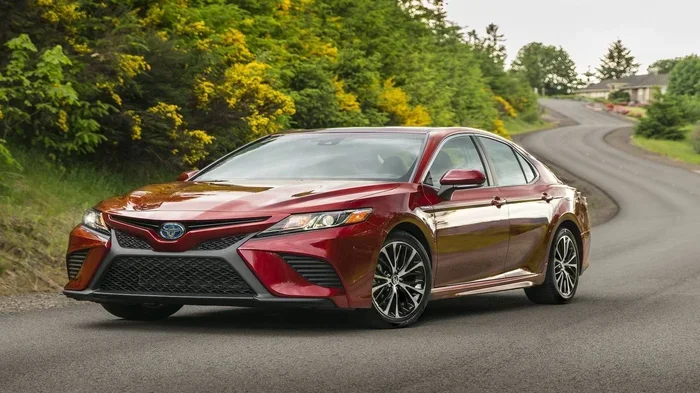
Mid-size sedans step up in every dimension. The mid-size sedan capacity typically offers five seats with 15 to 16 cubic feet of trunk space. Models like the Honda Accord, Toyota Camry, and Hyundai Sonata are among the best sellers in this category.
These sedans provide excellent legroom in sedans for both front and rear passengers. The sedan seating configuration is the same five-seat layout, but the extra room makes all the difference for taller adults. Mid-size sedans are ideal for families of four who also need regular cargo capacity.
Full-Size Sedans
Full-size sedans offer the most generous full-size sedan capacity of any sedan category. Models like the Toyota Avalon, Dodge Charger, and Chrysler 300 provide spacious interiors with trunks of 16 cubic feet or more.
The sedan dimensions in a full-size sedan translate to real-world comfort. Rear passengers enjoy extra legroom and headroom. The trunk can easily accommodate multiple large suitcases for a family vacation. If you want the highest sedan cargo room in a sedan format, a full-size model is your best bet.
Sedan Capacity Comparison Table
| Sedan Category | Passenger Capacity | Trunk Volume (cu ft) | Max Cargo Weight (lbs) | Best For |
|---|---|---|---|---|
| Compact Sedan | 5 passengers | 12-14 | 800-1000 | Daily commuting, couples, small families |
| Mid-Size Sedan | 5 passengers | 15-16 | 900-1100 | Families of four, road trips |
| Full-Size Sedan | 5 passengers | 16+ | 1000-1200 | Large families, long-distance travel |
| Luxury Sedan | 5 passengers | 14-17 | 900-1100 | Comfort-focused drivers, professionals |
As you can see from the comparison table, all sedans share the same five-passenger maximum occupancy. The main differences lie in trunk volume and overall interior space. A full-size sedan gives you the most sedan storage space and sedan luggage capacity in the sedan segment.
Factors That Affect a Sedan’s Capacity
Interior Dimensions and Legroom
The maximum capacity of a sedan is directly tied to its interior dimensions. A sedan with a longer wheelbase generally offers more rear legroom. The width of the cabin also matters, especially for passengers who need extra shoulder room.
Manufacturers measure sedan interior space in several ways. Headroom, legroom, hip room, and shoulder room all contribute to how comfortable passengers feel. A sedan that looks spacious from the outside may still feel tight in the rear if the roofline slopes too much or the seats are positioned too far forward.
When shopping for a sedan, always sit in the back seat yourself. Bring a tall friend or family member along. You will quickly learn whether the sedan comfort capacity matches your real-world needs.
Vehicle Weight and Load Limits
Every sedan has a gross vehicle weight rating (GVWR), which is the maximum total weight the vehicle can safely carry. This includes the weight of the vehicle itself, all passengers, cargo, and any accessories.
The sedan weight capacity is typically around 800 to 1,200 pounds, depending on the model. This means that if you have four passengers averaging 150 pounds each (600 pounds total), you have about 200 to 600 pounds left for cargo. Exceeding this limit can strain the engine, brakes, and suspension.
Here is a simple way to think about it:
- Passenger weight: About 150 pounds per adult on average.
- Cargo weight: A medium suitcase weighs about 30-50 pounds.
- Accessories: Roof racks, cargo organizers, and child seats all add weight.
Staying within your sedan’s vehicle capacity rating is essential for safe driving and long-term vehicle health.
Seating Configuration and Layout
The standard sedan seating configuration is a 2+3 layout: two front seats and three rear seats. This layout has been the industry standard for decades and works well for most families.
Some sedans offer additional features that affect capacity. Split-fold rear seats allow you to create more flat cargo area when needed. Adjustable rear seatbacks let you recline the backrest for extra comfort or tilt it forward for more vertical cargo space.
A few sedans also come with rear seat USB chargers, climate controls, and sunshades. These features do not change the maximum capacity of a sedan in terms of numbers, but they do affect how comfortable and practical that capacity feels in real life.
Expert Tips for Maximizing Your Sedan’s Capacity
Quick Tips to Get the Most Out of Your Sedan
Getting the most from your sedan’s capacity does not require any special tools or modifications. Here are some quick tips that make an immediate difference:
- Fold down the rear seats whenever you need to carry tall or oversized items.
- Use the space above the rear seat backs for soft items like jackets or pillows.
- Keep a collapsible cargo organizer in the trunk for everyday use.
- Remove the trunk floor spare tire cover to gain a few extra inches of depth.
- Plan your packing before you load the car to avoid wasted space.
Common Mistakes That Waste Sedan Capacity
Many sedan owners unknowingly waste valuable sedan cargo room every day. Here are the most common mistakes to avoid:
- Overpacking the cabin: Putting bags on the rear seats reduces passenger comfort and safety. Keep cargo in the trunk whenever possible.
- Ignoring vertical space: Many people only think about floor space. Use the vertical area behind the rear seats and under the trunk floor.
- Leaving the spare tire in place: If you use a tire repair kit instead, you gain significant trunk depth.
- Not using seat-back pockets: The pockets on the back of the front seats are perfect for small, flat items like maps, tablets, or books.
- Forgetting about the glove box and center console: These small spaces add up and can hold a surprising number of items.
Expert Insights on Sedan Capacity
Automotive experts agree that understanding your sedan’s maximum capacity of a sedan is one of the most overlooked aspects of car ownership. According to vehicle engineers, most sedans are designed with about 10 to 15 percent of their total interior volume reserved for structural elements like seat frames, insulation, and wiring.
This means the actual usable space is always less than the raw interior dimensions suggest. When comparing sedans, look beyond the published numbers. Test the sedan interior space with real items you carry regularly. Bring your typical luggage, grocery bags, or sports equipment to the dealership and see how everything fits.
Safety experts also emphasize that the sedan passenger limit exists for a reason. Each seat is engineered to absorb crash forces and protect its occupant. Adding extra passengers beyond the rated capacity puts everyone at risk. The center rear seat, in particular, is the safest position in a sedan because it is the farthest from any potential impact.
Key Takeaways for Sedan Capacity
- The maximum capacity of a sedan is five passengers for virtually all modern sedans.
- Trunk space ranges from 12 to 17 cubic feet depending on the sedan size category.
- Weight limits and load ratings are just as important as passenger and cargo numbers.
- Proper packing techniques can increase your effective cargo capacity by 20 to 30 percent.
- Always check your owner’s manual for the exact capacity ratings specific to your model.
Conclusion
The maximum capacity of a sedan is a topic that matters more than most car buyers realize. From the five-passenger sedan passenger limit to the trunk sedan storage space that fits your family’s luggage, every number plays a role in your daily driving experience. Whether you drive a compact sedan or a full-size sedan, understanding your vehicle’s limits helps you stay safe, comfortable, and organized.
Use the tips and strategies in this guide to make the most of your sedan’s sedan cargo room and passenger space. Plan ahead, pack smart, and never exceed your vehicle’s rated capacity. Your sedan is designed to carry five people and a specific amount of cargo. Respecting those limits keeps everyone safe and your car running smoothly for years to come.
Now that you know the maximum capacity of a sedan, take a moment to check your own vehicle’s specifications. Open the owner’s manual, look at the door jamb sticker, and familiarize yourself with the numbers. A little knowledge goes a long way toward safer, smarter driving.
Frequently Asked Questions
How many people can legally ride in a sedan?
The legal passenger limit for a sedan is five people. This includes the driver and four passengers. Every passenger must have access to a functioning seat belt. Exceeding this limit is illegal in most states and can result in fines or citations.
What is the average trunk size of a sedan?
The average trunk size of a sedan ranges from 12 to 16 cubic feet. Compact sedans typically offer 12 to 14 cubic feet, while full-size and luxury sedans can provide 16 cubic feet or more. This is enough space for two to three large suitcases or several grocery bags.
Can you fit more than five people in a sedan?
No. It is both unsafe and illegal to fit more than five people in a standard five-seat sedan. The vehicle is engineered for five occupants, and adding extra passengers compromises safety in a collision. Always follow the manufacturer’s rated passenger capacity.
How does the maximum capacity of a sedan compare to an SUV?
A sedan typically seats five passengers with 12 to 16 cubic feet of trunk space. An SUV can seat five to seven passengers and offers significantly more cargo room, often 30 to 80 cubic feet or more with seats folded. Sedans are more fuel-efficient and easier to park, but SUVs win on raw capacity.
What is the gross vehicle weight rating for a typical sedan?
A typical sedan has a gross vehicle weight rating between 3,500 and 5,000 pounds. This includes the vehicle’s own weight plus all passengers, cargo, and accessories. You can find your specific sedan’s GVWR on the sticker inside the driver’s door frame or in the owner’s manual.
Does folding the rear seats increase the maximum capacity of a sedan?
Folding the rear seats increases your cargo capacity significantly but reduces your passenger capacity to four. This is useful for transporting tall or oversized items. Always remember that folded seats are not designed to protect passengers in a crash, so no one should ride in the cargo area.