Why Is No Windshield Fluid Coming Out And How To Fix It
When your windshield fluid stops spraying, it can ruin your driving visibility fast. Why Is No Windshield Fluid Coming Out usually comes down to a few common culprits like an empty reservoir, a clogged nozzle, or a broken pump. This guide walks you through every possible cause and gives you clear, step-by-step fixes you can do at home. You will also learn when it is smart to call a professional and how to stop the problem from coming back. By the end, you will feel confident tackling this annoying car issue on your own.
Nothing is more frustrating than you hit the windshield wiper lever and nothing happens. Your windshield fluid just sits there with no spray coming out. You are squinting through a dirty windshield, and suddenly driving feels unsafe. Why Is No Windshield Fluid Coming Out is a question almost every driver asks at some point. The good news is that the answer is usually simple, and the fix is often something you can do in your driveway. This article breaks down every possible reason your washer system has stopped working. We will also walk you through easy fixes, tell you when to call a mechanic, and share tips to prevent the problem from ever happening again. Whether it is winter or summer, this guide has you covered.
Your windshield cleaning system is one of the most important safety features on your vehicle. Clear windshield visibility is not just about comfort. It is about driving safety for you and everyone on the road. When fluid stops spraying, dirt and grime build up fast. This can seriously block your view, especially at night or in bad weather. Understanding how this system works and what causes it to fail puts you ahead of the problem. Let us dive into the most common reasons your washer fluid is not coming out.
Key Takeaways
- Low or empty fluid is the #1 cause: Check your washer fluid reservoir first before anything else.
- Clogged nozzles are super common: A simple pin or compressed air can clear them in seconds.
- Frozen fluid in winter is a real problem: Always use the right windshield washer fluid for the season.
- A broken washer pump needs replacement: This is a fix a mechanic can handle quickly and affordably.
- Prevention saves time and money: Regular car maintenance keeps your windshield cleaning system working perfectly.
- Know when to call a pro: Hidden leaks and electrical issues are not DIY-friendly jobs.
📑 Table of Contents
Common Reasons Why Windshield Fluid Stops Coming Out
Why Is No Windshield Fluid Coming Out can be traced back to a handful of root causes. Each one is different, but they all lead to the same annoying result. Let us look at the most common reasons and what triggers them.
Empty or Low Washer Fluid Reservoir
This is the simplest and most common reason. Over time, you use up your windshield washer fluid without realizing it. The washer fluid reservoir sits under your hood, and it can be easy to forget about until the spray stops. A low washer fluid level means there is nothing left to pump out. This is especially true if you drive a lot or use your washers frequently. In winter, fluid gets used up faster because you need more sprays to clear salt and grime. Always check your fluid level first. It takes five seconds and saves a lot of trouble.
Clogged Washer Nozzles
The tiny holes on your spray nozzle can get blocked by dirt, wax, or dried fluid. Even a small bit of debris can stop the spray completely. This happens more often than you might think. Dust and road grime build up around the nozzle tips over time. Sometimes a thin film of hardened washer fluid forms inside the nozzle opening. This blocks the flow entirely. If fluid is in the reservoir but not spraying, a clogged nozzle is very likely the cause. The fix is usually quick and easy. We will cover that in the fixes section below.
Frozen Washer Fluid in Cold Weather
If you live in a cold climate, frozen washer fluid is a real possibility. Water-based fluid freezes at temperatures below 32 degrees Fahrenheit. When fluid inside the reservoir, lines, or nozzles freezes, it cannot move. Your pump may still run, but nothing comes out. Using the wrong type of fluid for the season is the main cause of this problem. Summer fluid or plain water will freeze fast in winter. Always make sure you are using windshield washer fluid rated for the temperatures you face. We will talk more about choosing the right fluid later in this article.
Broken Washer Fluid Pump
The washer fluid pump is the small electric motor that pushes fluid from the reservoir through the lines and out the nozzles. Over time, this pump can wear out or burn out. If you hear a humming sound but no fluid sprays, the pump might be dead. A broken pump can happen from running the system dry too many times. It can also fail from age or electrical issues. Replacing a pump is not a huge job, but it does require some basic mechanical skill. We will cover when to DIY and when to call a professional.
Cracked or Disconnected Washer Fluid Hose
The washer fluid hose carries fluid from the pump to the nozzles. This rubber line can crack, split, or come loose over time. When that happens, fluid leaks out before it reaches the spray tips. You might notice wet spots under your hood or a drop in fluid level without using the washers. A damaged washer fluid line means the system loses pressure. Even if the pump works fine, fluid cannot reach the nozzles. This is a less common cause but still worth checking, especially on older vehicles.
Faulty Washer Fluid Level Sensor
Some vehicles have a washer fluid level sensor that detects when the reservoir is low. If this sensor fails, it can sometimes prevent the pump from activating. The system thinks the fluid is empty even when the reservoir is full. This is a rare issue, but it does happen. A faulty sensor usually triggers a warning light on your dashboard. If you see that light and no fluid sprays, the sensor might be the problem.
How To Diagnose the Problem Step by Step
Before you start replacing parts, you need to figure out exactly what is wrong. Diagnosing the issue saves you time and money. Follow these steps in order to narrow down the cause.
Check the Fluid Level First
Open your hood and locate the washer fluid reservoir. It usually has a blue or white cap with a windshield symbol on it. Pull the cap off and look inside. Is the fluid visible? Is it below the minimum line? If the reservoir is empty, that is your answer. Refill it and test the spray again. This is the first thing you should always check. Do not skip this step, even if you think you recently filled up.
Test the Nozzles and Spray Pattern
Have someone turn on the washer system while you watch the nozzles. Do you see any fluid dripping from the tips? Is the spray weak or uneven? If fluid drips but does not spray, the nozzles are likely clogged. If nothing comes out at all, the problem is further up the system. Check the hoses, pump, and reservoir in that order.
Listen for the Pump Activating
When you activate the windshield wipers and washers, listen carefully. Do you hear a humming or buzzing sound under the hood? That sound is the washer fluid pump running. If you hear nothing, the pump may not be getting power. This could be a blown fuse, a bad relay, or a wiring issue. If you hear the pump but still no fluid, the pump might be weak or the lines might be blocked.
Use This Symptom-to-Cause Chart
| Symptom | Most Likely Cause | Fix Difficulty |
|---|---|---|
| No fluid at all, reservoir is empty | Low washer fluid | Very Easy |
| Fluid drips but does not spray | Clogged washer nozzle | Easy |
| Pump hums but no fluid comes out | Frozen washer fluid or fluid blockage | Easy to Medium |
| No sound, no spray | Broken washer fluid pump or electrical issue | Medium |
| Fluid leaks under the car | Washer fluid hose damage or leak | Medium |
| Warning light on, no spray | Washer fluid level sensor failure | Harder |
Quick Tip: Always start your diagnosis from the simplest explanation. Nine times out of ten, Why Is No Windshield Fluid Coming Out is because the reservoir is empty. Do not jump to expensive repairs before checking the basics.
Easy Fixes You Can Do at Home
Most causes of no washer fluid spray are easy to fix without a mechanic. Here are the most common fixes and how to do them yourself.
Refilling the Reservoir the Right Way
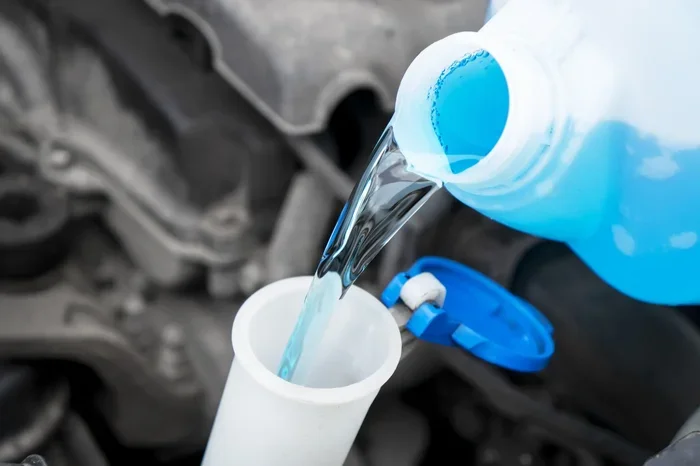
If your washer fluid reservoir is empty, refilling it is the first step. Buy a quality windshield washer fluid from any auto parts store. Open the cap on the reservoir and pour the fluid in slowly. Do not overfill. Leave a little room for expansion, especially in warm weather. Once filled, replace the cap and test the spray. If the system was just low, this fix should solve the problem immediately. Always use proper washer fluid refill products. Do not use plain water, especially in winter. Water can freeze and crack the reservoir.
Clearing Clogged Nozzles
A clogged washer nozzle is one of the easiest problems to fix. Start by inspecting the nozzle tips for visible dirt or wax. Use a thin pin or needle to gently clear each hole. Blow compressed air through the nozzle to push out any remaining debris. If the clog is deeper, you can use a can of air compressor to force fluid back through the line. Another trick is to aim a cup of warm water at the nozzle from the back side. This softens any hardened fluid blocking the opening. After clearing, test the spray. The pattern should be strong and even.
Thawing Frozen Washer Fluid
If you suspect frozen washer fluid, do not keep pressing the washer lever. Running the pump dry can burn it out. Move your vehicle to a warm garage or sheltered area if possible. Let the car warm up naturally. You can also pour warm (not hot) water over the reservoir and hoses to speed up thawing. Once the fluid is liquid again, test the system. Going forward, always use winter windshield washer fluid with antifreeze properties. These fluids are rated to work in temperatures as low as negative 20 or even negative 40 degrees. Check the label on the bottle before you buy.
Replacing a Damaged Washer Fluid Hose
If you find a crack or disconnect in the washer fluid hose, replacement is straightforward. Buy a matching hose from an auto parts store. Use clamps to secure the new hose at both ends. Make sure the connections are tight to prevent future leaks. This fix takes about 15 minutes and costs just a few dollars for the hose. It is one of the most satisfying DIY repairs you can do.
Common Mistakes to Avoid:
- Using plain water instead of washer fluid: Water freezes in winter and can grow algae in summer. Always use proper windshield washer fluid.
- Running the pump dry: This burns out the washer fluid pump and leads to expensive replacement.
- Using high-pressure water on nozzles: This can damage the nozzle tips or push debris deeper into the lines.
- Ignoring small leaks: A tiny drip today becomes a big problem tomorrow. Fix small leaks right away.
Expert Insight: Many drivers do not realize that the type of windshield washer fluid they use matters a lot. Summer formulas clean better but freeze in winter. Winter formulas contain methanol to prevent freezing but are less effective at cleaning bugs and grime. For year-round use, an all-season formula is the best compromise. Keep a spare jug in your trunk, especially during long road trips.
When to Call a Professional Mechanic
Some problems are beyond a simple DIY fix. Knowing when to call a professional saves you time, money, and frustration. Here are the situations where you should seek expert help.
Signs of a Failing Washer Fluid Pump
If you hear a clicking or grinding noise when you activate the washers, the washer fluid pump may be failing. If the pump makes no sound at all, it could be completely dead. Replacing a pump involves locating it under the vehicle or in the engine bay, disconnecting electrical connectors, and removing mounting bolts. This is manageable for a skilled DIYer, but if you are not comfortable working with electrical components, a mechanic can do it quickly and safely.
Hidden Leaks in the System
If you notice your washer fluid level drops without using the washers, you likely have a washer fluid leak. Finding hidden leaks can be tricky. The lines run through tight spaces under the hood, and cracks can be very small. A professional mechanic has the tools and experience to trace leaks accurately. They can also pressure-test the system to find even tiny leaks you might miss at home.
Electrical Issues and Blown Fuses
If the pump gets no power, the problem could be a blown fuse, a bad relay, or a wiring fault. These electrical issues require some diagnostic knowledge. A mechanic can check the fuse box, test the relay, and trace wiring problems with a multimeter. If you are not familiar with automotive electrical systems, it is best to let a professional handle this.
Quick Tip: Before you visit a mechanic, check your fuse box first. A blown fuse is the cheapest and easiest fix. Refer to your vehicle owner’s manual to find the washer system fuse. Replacing a fuse costs almost nothing and takes two minutes.
Preventing Windshield Fluid Problems in the Future
The best way to deal with Why Is No Windshield Fluid Coming Out is to prevent the problem from happening in the first place. A little regular car maintenance goes a long way.
Choosing the Right Washer Fluid for Your Climate
Not all windshield washer fluid is the same. In summer, choose a formula that cuts through bugs, tree sap, and road grime. In winter, always use a fluid with antifreeze protection. Check the temperature rating on the bottle. Pick a fluid rated for temperatures lower than what you typically experience in your area. If you live in a place with harsh winters, invest in a high-quality winter formula. It is one of the cheapest vehicle maintenance items you can buy, and it prevents a lot of headaches.
Seasonal Maintenance Tips
Make it a habit to check your washer fluid reservoir at every other gas fill-up. This keeps the level topped off and prevents you from running dry. In the fall, before winter hits, flush the old fluid out of the system and refill with winter-grade windshield washer fluid. In the spring, check your spray nozzles for clogs caused by winter salt and road debris. A quick cleaning session in early spring can prevent problems all summer long. Also, inspect your washer fluid hose connections once a year. Tighten any loose fittings and replace any cracked hoses before they become a bigger issue.
Understanding Your Windshield Washer System
Knowing how your windshield cleaning system works helps you understand why things go wrong. The system has a few key components that all work together. The washer fluid reservoir holds the fluid. The washer fluid pump pushes it through the system. The washer fluid hose carries the fluid from the pump to the front of the vehicle. The spray nozzle tips spray the fluid onto the windshield. When you activate the washers, the pump turns on, fluid flows through the hose, and shoots out of the nozzles. If any part of this chain fails, you get no spray. Understanding this simple flow helps you troubleshoot faster. Start at the beginning of the chain and work your way to the end.
Regular vehicle maintenance keeps every part of this system in good shape. Check fluid levels, inspect hoses, clean nozzles, and listen for unusual sounds from the pump. These small habits add up to a reliable windshield cleaning system that keeps you safe on the road. Clear windshield visibility is not a luxury. It is a necessity for safe driving every single day.
Now you know the answer to Why Is No Windshield Fluid Coming Out and exactly how to fix it. Whether it was a simple refill, a quick nozzle cleaning, or knowing when to call a mechanic, you are prepared. Keep your windshield washer fluid topped up, use the right formula for the season, and do regular checks. Your windshield wipers and washer system will keep working reliably for years to come. Stay safe, keep your glass clear, and enjoy the confidence of knowing you can handle this problem on your own.
Frequently Asked Questions
Can I use water instead of windshield washer fluid?
You can, but it is not recommended. Plain water freezes in cold weather and can crack your washer fluid reservoir and lines. It also does not clean as well as proper windshield washer fluid. Always use the right formula for your climate.
How much does it cost to replace a washer fluid pump?
The cost is usually between $50 and $150 for parts and labor combined. The pump itself is inexpensive. The labor cost depends on how hard it is to access on your specific vehicle. It is one of the more affordable car repairs you can do.
Why does my windshield fluid come out but not spray?
This usually means your spray nozzles are clogged. Dirt, wax, or dried fluid blocks the tiny openings. Use a pin or needle to clear the nozzles carefully. You can also try compressed air to blow out the blockage.
How often should I refill my windshield washer fluid?
There is no set schedule. Check your fluid level every few weeks and refill as needed. If you drive a lot or face dirty road conditions, you will use more fluid. Make it part of your regular car maintenance routine.
Can a frozen washer fluid pump get damaged?
Yes, running the pump when the fluid is frozen can burn it out. Always thaw the fluid first before using the washer system. Use a winter-grade formula to prevent freezing in the first place.
Is it safe to drive with no windshield washer fluid?
It is not safe, especially in bad weather. Without fluid, your windshield wipers cannot clean dirt, bugs, or grime effectively. Your windshield visibility drops, which increases the risk of accidents. Keep your fluid topped up at all times.