Can You Gate-Check a Car Seat Here Is Everything You Need
Yes, you can gate-check a car seat at most major airlines. Gate-checking your car seat saves you from lugging it through the airport and onto the plane. It is a convenient option for families traveling with babies and toddlers. However, there are specific rules, risks, and tips you should know before heading to the airport. This guide covers everything you need about gate-checking a car seat so you can travel with confidence.
Traveling with a baby is both exciting and exhausting. One of the biggest questions parents ask is, can you gate-check a car seat? The short answer is yes, but there is a lot more to it than a simple yes or no. Whether you are flying for a weekend getaway or a long family vacation, knowing the rules around gate-checking a car seat can save you time, money, and stress.
Every year, millions of families fly with young children. Navigating airports with a stroller, diaper bag, and a car seat can feel overwhelming. That is where gate-checking comes in. Instead of checking your car seat at the baggage counter, you bring it all the way to the airplane door. The crew then takes it and store it in the cargo hold. When you land, they bring it right back to the jet bridge. It sounds simple enough, but there are important details you need to know before you fly.
Key Takeaways
- Gate-checking is allowed: Most major airlines let you gate-check your car seat at no extra cost.
- Check airline rules first: Each airline has its own car seat policy, so always verify before flying.
- Use a gate check bag: A protective bag reduces the risk of damage during handling.
- Arrive early: Give yourself extra time at the gate to check the car seat properly.
- Label your car seat: Attach a luggage tag with your contact info to avoid mix-ups.
- Know the risks: Gate-checked car seats can sustain damage from rough handling by airport staff.
- Travel with a plan B: Consider renting a car seat at your destination if you want to avoid hassle.
📑 Table of Contents
- What Does Gate-Checking a Car Seat Mean?
- Which Airlines Allow You to Gate-Check a Car Seat?
- How to Gate-Check Your Car Seat Properly
- Benefits of Gate-Checking a Car Seat
- Risks and Downsides to Watch Out For
- Expert Tips for Traveling with a Car Seat
- Common Mistakes Parents Make When Gate-Checking a Car Seat
- The TSA and Car Seat Screening Process
- How to Choose the Right Car Seat for Travel
- What to Do If Your Car Seat Gets Damaged
- Final Thoughts on Gate-Checking a Car Seat
What Does Gate-Checking a Car Seat Mean?
Gate-checking is the process of handing over your large items, like a car seat or stroller, right at the airport gate. You do this just before boarding the plane. Unlike checking luggage at the ticket counter, gate-checking happens at the last possible moment. The airline staff takes your items and places them in the cargo area of the plane.
When you check a car seat at the airport, you are essentially telling the airline to transport it safely from your departure gate to your arrival gate. Most airlines treat gate-checked items with care, but they are still handled by ground crew. This means there is always a small chance of damage.
The gate check process works like this. You arrive at the gate with your car seat attached to your stroller or carried separately. Before boarding, you hand the car seat to the gate agent. They give you a tag, similar to a luggage tag, so you can identify your item when you land. After the plane lands, the item is returned to the jet bridge near the exit door.
Why Do Parents Gate-Check Car Seats?
Many parents choose to gate-check a car seat because it frees up their hands. Car seats are bulky and heavy. Carrying one through a busy airport while managing a baby, diaper bag, and carry-on luggage is no easy task. By checking your car seat at the airport gate, you can move around more freely and comfortably.
Another reason is that some airlines do not allow car seats in the cabin unless you have a separate seat for your child. In those cases, gate-checking becomes the most practical option. It also helps you avoid the hassle of finding a place to store the car seat on the plane.
Which Airlines Allow You to Gate-Check a Car Seat?
Can you gate-check a car seat on every airline? The answer is mostly yes. The vast majority of major airlines in the United States and around the world allow gate-checking car seats. However, each airline has its own airline car seat policy, and the rules can vary slightly. Let us look at some of the most popular airlines and what they allow.
Major U.S. Airlines
Delta Air Lines allows passengers to gate-check car seats and strollers for free. You can bring your car seat to the gate and check it there. Delta also provides a car seat luggage tag at the gate to help identify your item.
American Airlines also permits gate-checking of car seats. Their policy states that car seats are allowed both at the gate and at the aircraft door. American Airlines encourages families to arrive early so there is enough time to check bulky items.
United Airlines allows families to bring car seats to the gate. United crew members will take the car seat and store it safely. They also offer a complimentary gate check bag for car seats and strollers in many cases.
Southwest Airlines is known for being family-friendly. They allow two free checked bags for families traveling with children. A car seat counts as one of these free checked items. You can gate-check it without paying any extra fees.
International Airlines
International carriers also generally allow gate-checking car seats. Airlines like British Airways, Emirates, and Air Canada welcome families and provide options for traveling with baby. However, always check the specific airline’s car seat travel tips and policies before your trip. Rules may differ based on your destination and the aircraft type.
| Airline | Gate-Check Allowed? | Fee | Car Seat Tag Provided? |
|---|---|---|---|
| Delta Air Lines | Yes | Free | Yes |
| American Airlines | Yes | Free | Yes |
| United Airlines | Yes | Free | Sometimes |
| Southwest Airlines | Yes | Free | Yes |
| British Airways | Yes | Free | Varies |
| Emirates | Yes | Free | Yes |
How to Gate-Check Your Car Seat Properly
Can you gate-check a car seat without any preparation? Technically yes, but preparing ahead of time makes the process much smoother. Here is a step-by-step guide to gate-checking your car seat the right way.
Step 1: Check the Airline’s Policy Before You Fly
Every airline has its own set of rules. Before your trip, visit the airline’s website and look up their car seat gate check policy. Some airlines have specific rules about car seat dimensions, weight limits, and types of car seats allowed. For example, some airlines may not accept booster seats for gate-checking. Knowing the rules in advance prevents surprises at the airport.
Step 2: Attach a Car Seat Luggage Tag
One of the most important steps is labeling your car seat. Attach a car seat luggage tag with your name, phone number, and email address. This ensures that if your car seat ends up in the wrong place, the airline can return it to you quickly. Many airlines provide these tags at the gate, but it is smart to bring your own as a backup.
Step 3: Use a Gate Check Bag
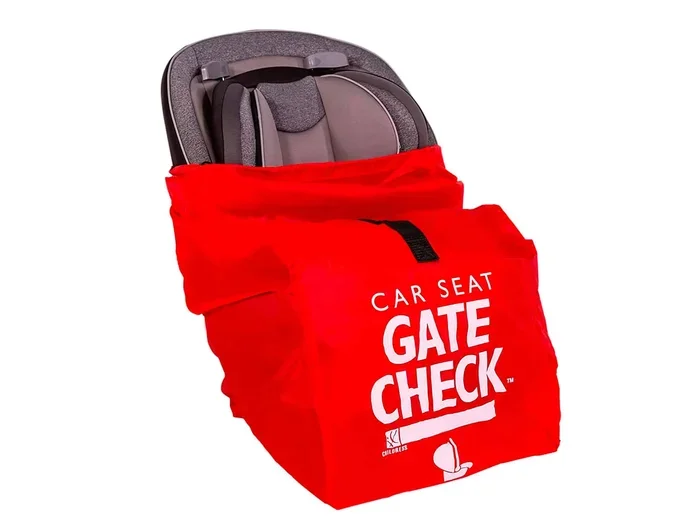
A gate check bag is a large, padded bag designed to protect your car seat during transport. These bags are made of heavy-duty fabric and have extra padding on all sides. They shield the car seat from dirt, scratches, and impacts during handling.
Using a car seat protection bag is highly recommended. It adds a layer of defense against the rough handling that car seats sometimes receive from airport staff. You can buy reusable gate check bags online or at baby stores for around $20 to $40. They are worth every penny.
Step 4: Remove All Accessories Before Checking
Before handing over your car seat, remove any detachable parts. This includes cup holders, head supports, and straps that can be unclipped. Pack these small accessories in your carry-on bag. This prevents them from getting lost or damaged during the gate check process.
Step 5: Arrive at the Gate Early
Give yourself plenty of time at the gate. Rushing through the gate-check process can lead to mistakes. Aim to arrive at the gate at least 20 to 30 minutes before boarding. This gives you time to hand over the car seat, get your tag, and board the plane without stress.
Benefits of Gate-Checking a Car Seat
Gate-checking a car seat offers several advantages for traveling families. Here are the key benefits that make this option so popular.
- Hands-free movement: You can carry your baby, diaper bag, and carry-on without being weighed down by a bulky car seat.
- No extra fees: Most airlines do not charge a fee for gate-checking a car seat. It counts as a free checked item.
- Convenient pickup: After landing, the car seat is brought right to the jet bridge. You do not need to wait at the baggage carousel.
- Protects the car seat from cabin damage: Keeping the car seat out of the cabin reduces the risk of it being stepped on or stained by other passengers.
- Easier boarding: Without a car seat in tow, boarding the plane is faster and less stressful for everyone.
How Gate-Checking Compares to Checking at the Counter
You might wonder whether it is better to gate-check or check your car seat at the ticket counter. Here is a quick comparison to help you decide.
| Factor | Gate-Check | Counter Check |
|---|---|---|
| Cost | Free | Free |
| Pickup Location | Jet bridge at arrival gate | Baggage carousel |
| Time Spent Carrying Car Seat | Only through the terminal | Through the terminal and to the counter |
| Risk of Damage | Low to moderate | Moderate to high |
| Convenience | High | Medium |
As you can see, gate-checking is generally the more convenient option. You avoid the long walk to the baggage claim area, and your car seat arrives faster.
Risks and Downsides to Watch Out For
While gate-checking a car seat is generally safe, it is important to understand the risks involved. Being aware of these downsides helps you prepare and protect your car seat.
Potential for Damage
Car seats that are gate-checked are handled by airport staff. These workers move quickly and deal with hundreds of bags and items every day. Despite their best efforts, car seat damage can occur. Scratches, dents, and broken parts are not uncommon after a flight. This is why using a gate check bag is so important.
Loss or Misplacement
Although rare, car seats can sometimes be misplaced by airlines. This is another reason to always attach a car seat luggage tag with your contact information. The tag makes it much easier for the airline to reunite you with your car seat if it gets lost.
Not All Car Seats Are Accepted
Some airlines have restrictions on the types of car seats they accept for gate-checking. For example, booster seats may not be allowed because they do not provide enough protection during cargo transport. Always check with your airline to confirm what types of car seat travel equipment they accept.
Time Pressure at the Gate
Gate-checking adds a step to your boarding process. If you are running late, this can create stress. Make sure to build extra time into your airport routine so you can handle the gate check without rushing.
Expert Tips for Traveling with a Car Seat
Experienced parents and travel experts share valuable car seat travel tips that can make your next trip much easier. Here is what the pros recommend.
Invest in a Travel-Friendly Car Seat
Some car seats are designed specifically for travel. They are lighter, more compact, and easier to carry. Look for travel car seats that weigh under 15 pounds and come with a carrying strap. These models make gate-checking even more convenient.
Know Your Car Seat Manual
Before flying, read your car seat manual. Some manufacturers have specific guidelines about air travel and cargo storage. Following these guidelines ensures your car seat remains safe and in good condition.
Consider a Car Seat Rental at Your Destination
If you are flying to a destination where you will have a car for only a short time, consider renting a car seat there. Many rental car companies and baby gear rental services offer car seats for a daily fee. This eliminates the need to bring your own and worry about car seat damage during the flight.
Pack Essentials in Your Carry-On
When you gate-check your car seat, make sure your carry-on bag has everything you need for the flight. Pack diapers, wipes, a change of clothes, snacks, and any medications. You do not want to be stuck without essentials if your checked items are delayed.
Board Early When Possible
Many airlines offer early boarding for families with young children. Take advantage of this perk. Boarding early gives you more time to settle in, store your carry-on, and say goodbye to your gate-checked car seat without feeling rushed.
Inspect Your Car Seat After Every Flight
When you pick up your car seat at the gate, inspect it carefully before leaving the airport. Check for any visible damage, loose parts, or missing accessories. If something is wrong, report it to the airline immediately. Most airlines have a process for handling claims for damaged gate-checked items.
Use the Stroller Gate-Check Strategy
If you are also gate-checking a stroller, do it at the same time as your car seat. Many parents use a travel system that combines a stroller and car seat. Checking both together streamlines the process and saves you from making multiple trips to the gate.
Common Mistakes Parents Make When Gate-Checking a Car Seat
Avoid these common mistakes to ensure a smooth experience when you check your car seat at the airport.
- Not labeling the car seat: Forgetting to attach a luggage tag is the number one mistake parents make. Always label your car seat with your contact details.
- Arriving too late: Rushing to the gate at the last minute increases the chance of missing your boarding call or handing over the car seat too late.
- Using a damaged car seat: Never gate-check a car seat that is already damaged or past its expiration date. A worn-out car seat may not survive the trip.
- Leaving accessories attached: Detachable parts can get lost during handling. Remove them and pack them in your carry-on.
- Not bringing a gate check bag: Skipping the protective bag leaves your car seat vulnerable to scratches and dents.
The TSA and Car Seat Screening Process
Before you even reach the gate, your car seat goes through TSA screening. The Transportation Security Administration requires that all checked bags and items, including car seats, pass through security screening. You can carry your car seat through the TSA checkpoint, but it will need to be X-rayed.
If the X-ray machine does not provide a clear image, TSA officers may perform a physical inspection. This is normal and happens frequently. To speed up the process, try to keep your car seat clean and free of excessive accessories. Some parents recommend using a TSA-friendly car seat that is easy to inspect without disassembly.
Remember that TSA rules apply to all airport gate agents and security checkpoints. Follow their instructions, and you will move through the process quickly.
How to Choose the Right Car Seat for Travel
Not all car seats are created equal when it comes to travel. If you fly frequently with your baby, choosing the right seat makes a big difference. Look for car seats that are labeled as travel-friendly or flying-approved. These models tend to be lighter and more compact.
Convertible car seats are great for everyday use but can be heavy for travel. Infant-only car seats are lighter and often come with a base that stays in the car. For frequent flyers, a lightweight travel system can be a game-changer. It combines an infant car seat with a stroller that fits easily in the overhead bin or gets gate-checked without hassle.
When shopping for a travel car seat, consider the weight, dimensions, and ease of installation. Read reviews from other traveling parents. Their car seat travel tips and real-world experiences can guide you toward the best choice.
What to Do If Your Car Seat Gets Damaged
Despite your best efforts, car seat damage can still happen. If your gate-checked car seat arrives in poor condition, here is what you should do.
- Document the damage: Take photos of all visible damage before leaving the airport.
- Report it immediately: Go to the airline’s baggage service office or customer service desk. File a damage report while you are still at the airport.
- Keep all receipts: If you need to buy replacement parts or a new car seat, save your receipts. Airlines may reimburse you for reasonable expenses.
- Follow up: Contact the airline within a few days if you have not received a response. Be polite but firm in your claim.
Most airlines take responsibility for damaged gate-checked items. However, the process can take time. Being prepared and knowing the steps helps you get resolved faster.
Final Thoughts on Gate-Checking a Car Seat
Can you gate-check a car seat? Absolutely. It is a practical, convenient, and often free way to transport your car seat when you fly. By understanding airline policies, preparing your car seat properly, and following expert tips, you can make the gate check process smooth and stress-free.
Traveling with a baby takes planning, but it does not have to be overwhelming. A little preparation goes a long way. Whether you are a first-time parent or a seasoned traveler, knowing how to gate-check your car seat gives you one less thing to worry about. So pack your bags, label your car seat, and enjoy your trip with peace of mind.
The next time you head to the airport, remember these tips. Your car seat will be in good hands, and you will have the freedom to move through the terminal with ease. Safe travels to you and your little one.
Frequently Asked Questions
Can you gate-check a car seat for free?
Yes, most major airlines allow you to gate-check a car seat at no extra cost. It is considered a free checked item, similar to a stroller. Always confirm with your specific airline before flying to avoid any surprises.
Do I need a gate check bag for my car seat?
A gate check bag is not required, but it is highly recommended. The bag protects your car seat from scratches, dirt, and damage during handling. It is a small investment that can save you from dealing with a damaged car seat after your flight.
Can I bring my car seat on the plane instead of gate-checking it?
This depends on the airline and whether your child has their own seat. Most airlines allow car seats in the cabin if there is an available seat. However, if cabin space is limited, you may be asked to gate-check it. Check your airline’s policy ahead of time.
What happens if my gate-checked car seat gets lost?
Lost car seats are rare but can happen. Attach a luggage tag with your contact details to increase the chances of recovery. If your car seat is lost, contact the airline’s baggage service office immediately. Most airlines will locate and return lost items within a few days.
Can I gate-check a booster seat?
Some airlines do not allow booster seats for gate-checking because they lack the structural integrity needed for cargo transport. Check with your airline before flying to confirm their policy on booster seats and other types of child restraints.
How early should I arrive at the gate to gate-check my car seat?
Arrive at the gate at least 20 to 30 minutes before boarding. This gives you enough time to hand over the car seat, get your tag, and board the plane without rushing. Arriving early also ensures you do not miss your boarding call.
=== CONCLUSION ===
Can you gate-check a car seat? Yes, you absolutely can, and it is one of the smartest moves traveling parents can make. Gate-checking a car seat keeps your hands free, saves you money, and makes navigating the airport so much easier. With the right preparation, a protective bag, and a clear understanding of airline policies, the entire process becomes second nature.
Remember to label your car seat, arrive at the gate early, and inspect your car seat after every flight. These small steps protect your investment and give you peace of mind. Whether you are flying across town or across the world, knowing how to handle your car seat at the airport makes all the difference. Safe and happy travels to you and your family.