How Do I Get My Key Fob to Work After the Battery Dies
Dealing with a dead key fob battery is frustrating, but it is a simple fix you can handle yourself. This guide walks you through everything you need to know about how do I get my key fob to work after the battery dies, from choosing the right replacement battery to reprogramming your remote. You will learn quick troubleshooting tricks, common mistakes to avoid, and expert tips to keep your key fob running smoothly for years.
There is nothing more annoying than standing by your car, pressing the button on your key fob, and getting nothing in return. You know the battery is dead. You know what needs to happen. But somehow, getting it working again feels harder than it should be.
The good news is that how do I get my key fob to work after the battery dies is a question with a straightforward answer. In most cases, you just need a new battery, a few simple tools, and about ten minutes of your time. This guide covers every step in detail, so you never have to wait for a locksmith or waste money on unnecessary replacements.
Whether you drive a compact sedan or a larger vehicle, the process is very similar. We will walk you through identifying the dead battery, replacing it correctly, reprogramming the fob, and fixing common issues that pop up afterward. By the end, you will feel confident handling this yourself every single time.
Key Takeaways
- Replace the battery easily: Most key fobs use a CR2032 coin cell battery, and swapping it out takes just a few minutes.
- Reprogramming is often needed: After a battery change, some vehicles require you to reset or reprogram the key fob to restore full function.
- Troubleshoot before replacing: Signal issues, water damage, or worn buttons can mimic a dead battery, so always check the root cause first.
- Preventive care extends lifespan: Keeping your key fob dry, clean, and stored properly can double its useful life.
- Know when to seek help: If basic steps do not work, a dealership or locksmith can diagnose deeper electronic issues.
- Keep a spare battery handy: Storing a replacement CR2032 battery in your glove box saves you from being stranded.
📑 Table of Contents
- Understanding How Your Key Fob Works
- Signs Your Key Fob Battery Is Dying
- How to Replace Your Key Fob Battery
- How to Reprogram Your Key Fob After Battery Replacement
- Troubleshooting When Your Key Fob Still Will Not Work
- Preventive Tips to Keep Your Key Fob Working Longer
- Common Mistakes People Make With Key Fobs
- Expert Insights on Key Fob Maintenance
- When to Call a Professional
- Final Thoughts
Understanding How Your Key Fob Works
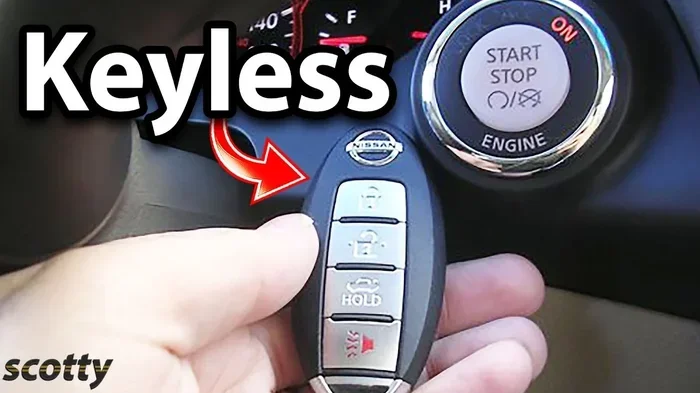
A key fob is a small wireless remote that communicates with your car using radio frequency signals. When you press a button, the fob sends a coded signal to a receiver inside your vehicle. The receiver validates the code and performs the action, whether that is locking the doors, unlocking the trunk, or starting the engine.
Inside every key fob, there is a small circuit board, a battery, and a tiny antenna. The battery powers the circuit, and the antenna sends the signal. When the battery weakens or dies, the signal becomes too weak to reach your car. That is why your car key fob stops working when the battery is low.
What Kind of Battery Does Your Key Fob Use?
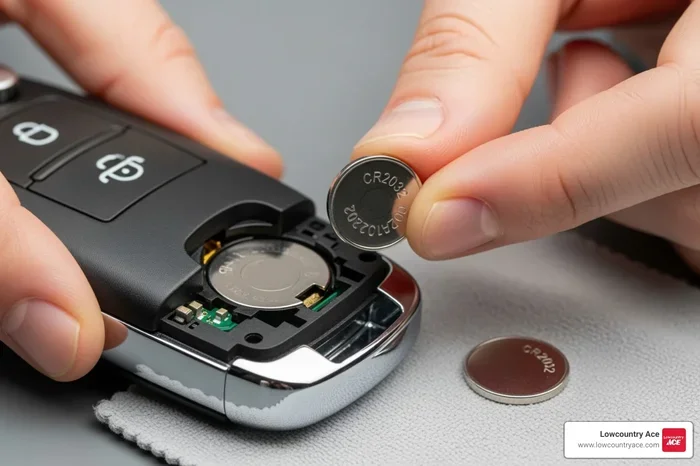
Most modern key fobs use a CR2032 coin cell battery. This is a small, flat, silver-colored battery that you can find at any grocery store, pharmacy, or auto parts shop. Some older models may use CR2025 or CR2016 batteries, but CR2032 is by far the most common.
Before you buy a replacement, check your vehicle owner manual. It will list the exact battery type your fob needs. Using the wrong battery size can damage the fob or prevent it from working properly.
How Long Does a Key Fob Battery Last?
A typical key fob battery lasts between two and four years, depending on how often you use it. If you constantly press the buttons or live in a cold climate, the battery may drain faster. Cold weather reduces battery efficiency, which is why many people notice fob problems during winter months.
Keeping track of when you replaced the battery last helps you stay ahead of the problem. Some people write the replacement date on the battery with a marker. This simple habit saves a lot of guesswork later.
Signs Your Key Fob Battery Is Dying
Catching a weak battery early saves you from being locked out of your car. Watch for these common warning signs that your key fob battery replacement is coming soon.
- Reduced range: You have to stand closer to the car for the fob to work. If you used to unlock the doors from twenty feet away and now you need to be right next to the lock button, the battery is fading.
- Intermittent response: The fob works sometimes but not others. This inconsistency is a classic sign of a low battery.
- Delayed reaction: When you press the button, there is a noticeable pause before the car responds. This delay means the signal is weak.
- Dashboard warning: Many newer vehicles display a warning message on the dashboard when the key fob battery is low. Do not ignore this alert.
- Multiple presses needed: You find yourself pressing the button two or three times to get a response. This is a clear red flag.
If you notice any of these signs, replace the battery right away. Waiting too long can leave you stranded with a completely dead fob.
How to Replace Your Key Fob Battery
Replacing the battery in your key fob is one of the easiest car maintenance tasks you can do. You do not need any special tools or technical skills. Here is exactly how to do it.
Step 1: Gather Your Supplies
You will need a replacement CR2032 battery, a small flathead screwdriver or a thin plastic prying tool, and a clean, dry surface to work on. Avoid using metal tools that could scratch or damage the fob casing.
Pro tip: Keep a spare CR2032 battery in your glove box at all times. You never know when you will need it, and having one on hand saves a trip to the store.
Step 2: Open the Key Fob
Most key fobs have a small seam running along the edge. Insert the flathead screwdriver or plastic prying tool into the seam and gently twist. The two halves of the fob will pop apart. Be careful not to force it too hard, as the internal circuit board is fragile.
If your fob does not have a visible seam, look for a small release button or latch on the back. Some fobs use a twist-and-pull mechanism, where you twist the metal key blade to release the back cover.
Step 3: Remove the Old Battery
Once the fob is open, you will see the old battery sitting in a small compartment. Note which side is facing up, as you need to place the new battery in the exact same orientation. The positive side (marked with a plus sign) usually faces up.
Use the screwdriver to gently pry the old battery out. Do not use your fingers, as oils from your skin can corrode the battery contacts over time.
Step 4: Insert the New Battery
Take your new CR2032 battery and place it in the compartment with the positive side facing up, just like the old battery. Press it down gently until it clicks into place. Make sure it sits flat and secure.
Double-check the orientation before closing the fob. A battery placed upside down will not work, and you will have to open it up again.
Step 5: Snap the Fob Back Together
Align the two halves of the fob and press them together firmly until they click. Make sure the seam is even all the way around. If the fob does not close properly, the button pads may not align, and the fob will not work correctly.
Test the fob immediately after closing it. Stand near your car and press the lock and unlock buttons. If the car responds, you are all set. If not, move on to the reprogramming section below.
How to Reprogram Your Key Fob After Battery Replacement
In many vehicles, replacing the battery does not require any reprogramming. The fob should work immediately. However, some car models lose their programming when the battery is removed. If your fob is not responding after a battery change, you need to reprogram it.
Method 1: The Self-Reprogramming Method
Many modern cars have a self-programming feature. Here is the general process:
- Sit inside your car and close all the doors.
- Turn the ignition to the “On” position without starting the engine.
- Press and hold the lock button on the fob for five seconds.
- Turn the ignition off, then back to “On” within ten seconds.
- Release the lock button.
- Press the lock button again within five seconds.
- The doors should lock, confirming the fob is reprogrammed.
The exact steps vary by vehicle make and model. Always refer to your owner manual for the specific reprogramming sequence for your car.
Method 2: Using the Dealer or Locksmith
If the self-programming method does not work, you can visit your car dealership or a professional locksmith. They have specialized diagnostic tools that can reprogram your key fob quickly. This usually costs between $50 and $150, depending on your vehicle.
Before you pay for professional reprogramming, try searching online for your specific car model and year. Many forums and video tutorials walk you through the exact steps for your vehicle.
Method 3: The Emergency Key Override
Most key fobs come with a hidden mechanical key blade. You can use this blade to physically unlock your car door if the fob is completely unresponsive. Once inside, you can use the manual lock and unlock switches on the doors to operate the vehicle.
This is a great backup method to know about. If your fob battery dies while you are away from home, the mechanical key saves the day. Keep the blade accessible and never lose it.
Troubleshooting When Your Key Fob Still Will Not Work
You replaced the battery, you tried reprogramming, and your key fob still not working. What now? Do not panic. There are several other reasons a fob might fail, and most of them are easy to fix.
Check for Water or Moisture Damage
If your fob has been exposed to water or excessive moisture, the circuit board may be corroded. Water damage is one of the most common causes of persistent fob failure. Open the fob and inspect the circuit board for any green or white residue, which indicates corrosion.
If you see corrosion, gently clean the board with a cotton swab dipped in rubbing alcohol. Let it dry completely before inserting the new battery. If the damage is severe, you may need to replace the entire fob.
Inspect the Buttons and Circuit Board
Over time, the rubber buttons on your fob can wear out or stick. If a button feels mushy or does not spring back, it may need to be replaced. You can buy replacement button pads online for most popular car models.
Also, check the small gold contacts on the circuit board. If they are dirty or oxidized, clean them gently with an eraser or a cloth dampened with rubbing alcohol.
Signal Interference and Range Issues
Sometimes the problem is not the fob at all. Other electronic devices can interfere with the radio signal between your fob and the car. If you are standing near a large building, a cell tower, or other electronic equipment, try moving to a different location and pressing the button again.
Some aftermarket car accessories, such as a 12V to 230V car inverter or a 12V DC to 220V AC car power inverter, can occasionally cause electromagnetic interference that disrupts your fob signal. If you recently installed any such device, try turning it off and testing the fob again.
When the Fob Needs to Be Replaced Entirely
If none of the above steps work, your fob may be at the end of its lifespan. Electronic components wear out over time, especially after several years of daily use. In this case, you will need to purchase a new fob and have it programmed to your vehicle.
Replacement fobs range from $20 to $100 for basic models and $100 to $400 or more for luxury vehicles with advanced features. Check with your dealership for the exact price for your car model.
Comparing Key Fob Battery Replacement vs. Full Fob Replacement
| Factor | Battery Replacement | Full Fob Replacement |
|---|---|---|
| Cost | $1 to $5 for the battery | $20 to $400+ for the fob |
| Time Required | 5 to 10 minutes | 30 minutes to several hours |
| Skill Level Needed | Very basic | Basic to moderate |
| Success Rate | 90% of dead fob cases | 100% if fob is faulty |
| Risk | Very low | Low, but programming errors possible |
Always try battery replacement first. It costs almost nothing and solves the problem in the vast majority of cases. Only move to full fob replacement if the battery swap and reprogramming do not restore function.
Preventive Tips to Keep Your Key Fob Working Longer
Taking care of your key fob can significantly extend its lifespan and reduce the frequency of battery replacements. Here are some simple habits that make a big difference.
- Keep the fob dry: Water is the enemy of electronics. Avoid leaving your fob in the rain, in a wet pocket, or near liquids. If it does get wet, dry it immediately with a soft cloth.
- Store it properly: Do not place your fob near strong magnets, microwave ovens, or other sources of electromagnetic interference. A dedicated pocket or compartment in your bag works best.
- Avoid extreme temperatures: Excessive heat or cold can drain the battery faster and damage the internal components. Do not leave your fob on the dashboard in direct sunlight or in a freezing car overnight.
- Replace the battery proactively: Do not wait for the fob to stop working completely. Replace the battery every two to three years to avoid being caught off guard.
- Keep a spare fob: Having a backup fob saved in your home can save you a lot of stress if your primary fob fails unexpectedly.
These small habits take almost no effort but can save you significant time and money over the life of your vehicle. Think of them as basic car care routines, just like checking your oil or tire pressure.
Common Mistakes People Make With Key Fobs
Avoid these common mistakes that cause unnecessary key fob problems and premature battery drain.
- Using the wrong battery type: Always match the battery type exactly. A CR2025 will not fit properly in a fob designed for CR2032, even if they look similar.
- Forcing the fob open: If the fob does not open easily, stop and look for the correct release mechanism. Forcing it can break the plastic clips and damage the circuit board inside.
- Touching the battery with bare fingers: Skin oils can corrode the battery and the contacts over time. Use a tissue or cloth when handling the battery.
- Ignoring the reprogramming step: If your car requires reprogramming after a battery change and you skip it, the fob will not work. Always check if reprogramming is needed.
- Buying cheap, low-quality batteries: Generic batteries may seem like a bargain, but they often have a shorter lifespan and inconsistent voltage. Stick with trusted brands like Energizer or Duracell.
By avoiding these mistakes, you keep your key fob in great shape and avoid the frustration of a fob that stops working for no apparent reason.
Expert Insights on Key Fob Maintenance
Automotive technicians who work on key fobs daily share a few insights that most car owners do not know.
First, the placement of the fob matters more than most people realize. Many cars have a specific spot on the driver’s side door pillar or center console where you can place a dead fob to start the car using the backup RFID signal. Check your owner manual for this hidden feature. It can save you in an emergency when the battery dies unexpectedly.
Second, some vehicles allow you to extend the fob signal range by holding the button down for a longer press. This is not always obvious, but it works on many models from Toyota, Honda, Ford, and Chevrolet. Consult your manual or search online for your specific model.
Third, regular cleaning of the fob prevents button wear. A quick wipe with a damp cloth once a month keeps the buttons responsive and the exterior looking new. This is especially important for fobs that get heavy daily use.
Finally, if you drive a 1500CC to 2000CC car in India or any other common vehicle segment, replacement fobs are widely available and affordable. You do not need to go to the dealership for every fob issue. Many local auto shops carry compatible fobs and can program them on the spot for a fraction of the dealership price.
When to Call a Professional
There are times when a key fob issue goes beyond a simple battery swap. If you have replaced the battery, tried reprogramming, and the fob still does not work, it is time to call in the experts.
Signs that you need professional help include:
- The fob works intermittently even with a brand-new battery.
- The car does not recognize the fob at all, even when placed near the start button.
- You see visible damage to the circuit board or antenna inside the fob.
- Multiple fobs for the same vehicle stopped working at the same time.
- The car’s security system is flashing or showing error messages.
A professional locksmith or dealership technician has the tools and expertise to diagnose deeper electronic issues. They can also program new fobs, replace damaged antennas, and reset your car’s security system if needed.
Most professionals offer fair pricing for key fob services, and many can come to your location. This convenience is worth the cost when DIY solutions have failed.
Final Thoughts
Learning how do I get my key fob to work after the battery dies is one of the most useful skills you can develop as a car owner. It saves you time, money, and the stress of being locked out of your vehicle. The process is simple, affordable, and something you can handle in minutes from your own home.
Remember to replace your battery proactively, keep a spare on hand, and take good care of your fob to extend its life. If problems persist after a battery change, reprogramming or professional help is usually all that is needed. With the knowledge in this guide, you are fully equipped to handle any key fob issue that comes your way.
Stay prepared, stay proactive, and never let a dead key fob battery slow you down again. Your car is always ready to go, as long as your fob is working properly.
Frequently Asked Questions
How long does a key fob battery last before it needs replacing?
Most key fob batteries last between two and four years, depending on usage frequency and climate. If you use your fob multiple times per day, the battery may drain faster. Cold weather also shortens battery life, so consider replacing it more often during winter months.
Can I use a rechargeable battery in my key fob instead of a disposable CR2032?
It is not recommended. Rechargeable batteries typically have a lower voltage than disposable CR2032 cells, which can cause inconsistent fob performance. Stick with a standard CR2032 battery for reliable operation and consistent signal strength.
Why does my key fob work from far away sometimes but not others?
Signal range can be affected by nearby electronic devices, physical obstructions, and battery strength. If the battery is weak, the signal weakens too. Try replacing the battery first, and if the problem continues, check for interference from aftermarket car electronics or nearby power sources.
Is it safe to open my key fob and replace the battery myself?
Yes, it is completely safe and very straightforward. You do not need any special tools beyond a small flathead screwdriver or plastic prying tool. Just be gentle when opening the fob to avoid damaging the internal circuit board or plastic clips.
What should I do if my key fob gets wet?
Remove the battery immediately and open the fob to let it air dry. Use a soft cloth to pat away any moisture, and let the fob sit in a dry place for at least 24 hours before reinserting the battery. If the circuit board shows signs of corrosion, clean it gently with rubbing alcohol before reinstalling the battery.
How much does it cost to replace a key fob if the battery fix does not work?
A replacement key fob typically costs between $20 and $100 for standard vehicles, and $100 to $400 or more for luxury models. Programming fees at a dealership or locksmith usually range from $50 to $150. Always check with your local auto shop for the best price before visiting the dealership.