Car Ac Control Panel The Ultimate Guide For Owners
The car ac control panel is the brain behind your vehicle’s cooling system, letting you adjust temperature, fan speed, and airflow with ease. Understanding how this unit works helps you troubleshoot issues, save on repairs, and keep your ride comfortable all year round. This guide covers everything from basic functions to advanced upgrades in simple, practical terms.
Your car ac control panel sits right on the dashboard, and it is one of the most used features in any vehicle. Whether you are battling summer heat or fighting winter fog, this small panel does the heavy lifting. Yet most drivers rarely think about it until something goes wrong.
So what exactly is this control unit, and why should you care? Simply put, it is the command center for your entire cooling and heating system. It tells the compressor when to kick on, adjusts fan speed, and directs airflow to the right vents. When it works well, you barely notice it. When it fails, you notice fast.
This guide breaks down everything you need to know about your car ac control panel. We will walk through how it works, common problems, maintenance tips, replacement advice, and modern upgrades. By the end, you will feel confident diagnosing issues and keeping your system running smoothly.
Key Takeaways
- Core Function: The car ac control panel manages temperature, fan speed, and airflow distribution throughout your cabin.
- Common Issues: Blown fuses, faulty relays, and worn sensors are the top reasons your ac panel stops working correctly.
- Maintenance Matters: Regular cleaning and timely filter replacements extend the life of your ac control unit significantly.
- Replacement Tips: Always match the panel to your car model, year, and trim level before purchasing.
- Modern Features: Newer vehicles offer smart climate control, dual-zone settings, and digital displays for better comfort.
- Professional Help: Complex electrical faults, refrigerant leaks, and wiring issues need a certified technician.
- Cost Savings: Knowing your panel’s basics helps you avoid unnecessary shop visits and DIY-friendly fixes.
📑 Table of Contents
- What Is a Car AC Control Panel and How Does It Work
- Common Car AC Control Panel Problems and How to Fix Them
- How to Maintain Your Car AC Control Panel
- Choosing the Right Replacement AC Control Panel
- When to Call a Professional for AC Panel Issues
- Car AC Control Panel Upgrades and Modern Features
- Understanding Your AC System Beyond the Control Panel
- Cost Considerations for AC Control Panel Repairs and Replacements
- Final Thoughts on Your Car AC Control Panel
What Is a Car AC Control Panel and How Does It Work
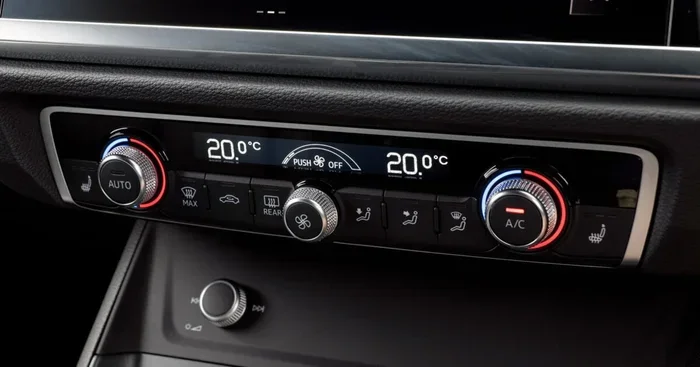
The car ac control panel is the interface between you and your vehicle’s climate system. It houses buttons, knobs, sliders, or digital screens that let you set your preferred temperature and airflow. Think of it as the remote control for your car’s comfort zone.
When you turn the dial or press a button, the panel sends an electrical signal to various components. These signals tell the ac compressor to engage, direct the blend door to mix hot and cold air, and control the blower motor speed. It is a simple process, but many parts work together behind the scenes.
The Main Components of Your AC Control Panel
Every ac control unit has a few essential parts that work together. Understanding these helps you troubleshoot problems faster.
- Temperature Knob or Slider: Controls how hot or cold the air gets by adjusting the blend door.
- Fan Speed Selector: Regulates the blower motor speed from low to high or auto settings.
- Mode Selector: Directs airflow to your face, feet, windshield, or a combination of these.
- AC Button: Engages the compressor to start the cooling cycle.
- Recirculation Button: Pulls air from inside the cabin instead of outside for faster cooling.
- Digital Display (Modern Cars): Shows exact temperatures, fan speeds, and system status on a screen.
How Signals Travel Through the System
Here is a simple way to think about it. You press the ac button on your car ac control panel. That button sends a tiny electrical current through wiring to the ac relay. The relay then powers the compressor clutch, which starts the cooling cycle. At the same time, the panel tells the blower motor to push air through the vents.
All of this happens in seconds. The temperature sensor in your dashboard feeds data back to the panel, so the system adjusts automatically in auto mode. This feedback loop is what keeps your cabin at a steady, comfortable temperature.
Types of AC Control Panels
Not all panels are the same. Older vehicles often use manual knobs and buttons. These are simple, durable, and easy to fix. Newer cars feature digital or touch-sensitive panels that connect to a central computer module. Some luxury vehicles even have dual-zone or tri-zone controls, letting each passenger set their own temperature.
Automatic climate control panels go a step further. They use multiple sensors to monitor cabin temperature, humidity, and even sunlight levels. The system then adjusts everything on its own. You just set your desired temperature and let the car do the work.
Common Car AC Control Panel Problems and How to Fix Them
Like any electrical component, your ac control panel can develop issues over time. Some problems are simple to fix. Others need a bit more attention. Let us look at the most common ones.
Panel Lights Not Working
If the buttons or knobs on your car ac control panel do not light up at night, the problem is usually a small bulb or LED. In older cars, these are replaceable. In newer models, the entire panel assembly may need to come out for a bulb swap. Check your fuse box first, as a blown ac fuse often causes this issue.
Buttons or Knobs That Feel Loose or Unresponsive
Worn-out knobs are a common complaint. Over time, the plastic gears inside the knob wear down, and it spins without actually changing the setting. Replacing the knob is usually cheap and easy. For digital panels, unresponsive buttons often mean a loose connection or a failing control module behind the dashboard.
AC Blows Warm Air Even When the Panel Is Set to Cool
This is one of the most frustrating problems. Often, it is not the panel itself but a downstream issue. A low refrigerant level, a faulty ac compressor, or a stuck blend door can all cause warm air. However, if the panel does not send the right signal, the compressor may never engage. Testing the wiring and relay can help you pinpoint the cause.
Fan Speed Stuck on One Setting
If your blower motor only works on one speed, the problem could be the fan speed resistor or the control panel’s output. A simple test with a multimeter can tell you whether the panel is sending the right signal. If the panel is fine, the resistor or motor itself is likely the culprit.
Strange Smells or Noises From the Panel Area
A musty smell often means mold or mildew buildup in the cabin air filter or evaporator. Clicking noises when you change settings can indicate a failing relay or a loose component behind the dashboard. Both issues are worth addressing early before they get worse.
How to Maintain Your Car AC Control Panel
Good maintenance keeps your car ac control panel working reliably for years. Most upkeep tasks are simple and do not require a mechanic.
Keep the Panel Clean
Dust and crumbs build up around buttons and knobs over time. Use a soft, damp cloth to wipe the panel surface regularly. For tight spaces between buttons, a cotton swab dipped in mild soapy water works great. Avoid spraying liquid directly onto the panel, as moisture can seep inside and damage the electronics.
Check Fuses and Relays Periodically
Your vehicle’s fuse box contains several fuses dedicated to the ac system. A blown fuse is the number one cause of ac panel failure. Refer to your owner’s manual to locate the correct fuse. Replacing it costs almost nothing and takes just a few minutes.
Run Your AC System Regularly
Even in winter, run your ac for about ten minutes every few weeks. This keeps the compressor lubricated and prevents seals from drying out. It also exercises the entire ac control panel, keeping electrical contacts clean and responsive.
Replace the Cabin Air Filter
A clogged cabin air filter restricts airflow and puts extra strain on the blower motor. Most manufacturers recommend replacing this filter every 12,000 to 15,000 miles. A fresh filter improves air quality, cooling efficiency, and the overall health of your ac system.
Inspect Wiring Connections
Vibrations from driving can loosen electrical connections behind the dashboard. If you notice intermittent issues with your ac control panel, a loose connector might be the cause. A visual inspection with the panel removed can reveal corroded or disconnected wires. Tightening or cleaning these connections often solves mysterious electrical gremlins.
Choosing the Right Replacement AC Control Panel
Sometimes repairs are not enough, and you need a full replacement. Whether your panel is physically damaged or suffers from internal electronic failure, picking the right replacement matters.
Match Your Vehicle Year, Make, and Model
Car ac control panels are not universal. They are designed specifically for each vehicle model, year, and trim level. Always verify the part number before purchasing. Your owner’s manual or a quick search using your vehicle identification number will give you the exact match.
OEM vs. Aftermarket Panels
OEM (Original Equipment Manufacturer) panels are built by the same company that made your car. They fit perfectly and match the original quality. Aftermarket panels are more affordable and come from third-party manufacturers. Quality varies widely, so stick with reputable brands and read customer reviews before buying.
Digital vs. Analog Panels
If your car originally had a manual analog panel, you might consider upgrading to a digital one. Digital panels offer more precise temperature control, automatic modes, and sometimes even remote start integration. However, installation can be more complex, and you may need to adapt wiring or add a control module.
Installation Tips for DIYers
If you are comfortable working behind the dashboard, replacing an ac control panel is a manageable DIY project. Here are some steps to follow:
- Disconnect the negative battery terminal for safety.
- Remove the dashboard trim panels around the ac unit.
- Unplug the wiring harness connected to the old panel.
- Remove any mounting screws or clips holding the panel in place.
- Install the new panel and reconnect the wiring harness.
- Reattach the trim panels and reconnect the battery.
- Test all buttons, knobs, and display functions before driving.
Take your time and photograph each step before you disassemble anything. These photos will be a lifesaver when you need to put everything back together.
When to Call a Professional for AC Panel Issues
Not every problem should be a DIY fix. Some issues with your car ac control panel require the skills of a trained technician. Knowing when to call for help saves time, money, and frustration.
Complex Electrical Faults
If you have checked fuses, relays, and wiring but your panel still does not work, the problem may be deeper in the electrical system. A professional mechanic has diagnostic tools that can read error codes from your vehicle’s computer. These tools pinpoint exactly which component has failed.
Refrigerant Leaks
Low refrigerant is one of the most common reasons an ac system stops cooling. However, finding and repairing a refrigerant leak requires special equipment and certification. A licensed technician can safely handle refrigerant and repair leaks in the condenser, evaporator, or ac compressor.
Failed Control Module
In modern vehicles, the ac control panel connects to a larger climate control module. If this module fails, the entire system goes dark. Replacing a control module involves programming and calibration that most DIYers are not equipped to handle. A professional ensures the new module is properly configured.
Wiring Harness Damage
Rats, moisture, and age can damage the wiring harness behind your dashboard. Repairing damaged wires requires tracing each circuit and soldering or replacing sections of wiring. This is delicate work best left to experienced technicians.
Car AC Control Panel Upgrades and Modern Features
If you own an older vehicle, upgrading your ac control panel can bring modern comfort and convenience to your daily drive.
Automatic Climate Control Retrofits
Some aftermarket companies offer automatic climate control kits that work with older vehicles. These kits include a digital control panel, additional sensors, and a smart control module. They automatically adjust temperature and fan speed based on cabin conditions. The result is a more comfortable ride without constant manual adjustments.
Dual-Zone and Multi-Zone Upgrades
Dual-zone ac systems let the driver and passenger set different temperatures. This is a game-changer for couples or families with different comfort preferences. Aftermarket dual-zone kits are available for many popular models. Installation is more involved but the comfort payoff is significant.
Smartphone Integration and Remote Start
Some modern ac control panels connect to your smartphone through an app. You can pre-cool your car before you get in on a hot day. Remote start systems also engage the ac automatically when you start the engine from a distance. These features are becoming more affordable and easier to install.
Upgraded Blower Motors and Resistors
If your current ac system feels weak, upgrading to a higher-performance blower motor can make a big difference. Aftermarket motors often move more air at lower speeds, improving cooling without running the compressor as hard. Pair this with a quality cabin air filter, and your cooling performance will noticeably improve.
Understanding Your AC System Beyond the Control Panel
Your car ac control panel is just one piece of a larger puzzle. To truly understand how your cooling system works, it helps to know the other major components.
- AC Compressor: The heart of the system. It pumps refrigerant through the loop and enables cooling.
- Condenser: Located in front of the radiator, it releases heat from the refrigerant into the outside air.
- Evaporator: Inside the dashboard, it absorbs heat from the cabin air, creating the cool air you feel.
- Thermal Expansion Valve: Regulates the flow of refrigerant into the evaporator for efficient cooling.
- Cabin Air Filter: Traps dust, pollen, and debris before they enter the cabin through the vents.
- AC Refrigerant: The chemical fluid that absorbs and releases heat as it cycles through the system.
When any of these components fail, the ac control panel may still light up and respond to your inputs. But the system will not produce cold air. This is why accurate diagnosis is so important. Always trace the problem from the panel outward to find the true root cause.
Cost Considerations for AC Control Panel Repairs and Replacements
Understanding the cost upfront helps you make informed decisions about your car ac control panel repairs.
Minor fixes like replacing a fuse or a relay cost between $10 and $30 for parts. A new blower motor resistor typically runs $50 to $150 with labor. If the control panel itself needs replacement, you can expect to pay $200 to $600 for the part, depending on your vehicle. Professional installation adds another $100 to $300 in labor costs.
For luxury or European vehicles, replacement panels can cost significantly more. Always get a detailed quote before committing to a repair. Comparing prices across local shops and online parts suppliers can save you a substantial amount.
Final Thoughts on Your Car AC Control Panel
Your car ac control panel is more than just a collection of buttons and knobs. It is the command center that keeps you comfortable in every season. Taking care of it through regular maintenance, quick troubleshooting, and timely repairs pays off in the long run.
Whether you drive a simple compact or a luxury SUV, understanding how your panel works gives you confidence. You will know when to handle a fix yourself and when to call in the pros. Keep your panel clean, check your fuses, and never ignore warning signs like weak airflow or unusual noises.
A well-maintained ac control panel means a cooler car in summer, a defogged windshield in winter, and a more enjoyable driving experience every day. Take the time to learn your system, and it will reward you with years of reliable comfort.
Frequently Asked Questions
Why is my car AC control panel not turning on?
A dead panel is often caused by a blown fuse, a faulty relay, or a disconnected wiring harness. Start by checking the fuse box for a blown ac fuse. If the fuses are fine, the control module behind the panel may need professional diagnosis.
Can I drive my car with a broken AC control panel?
Yes, you can still drive safely, but you will lose control over your cabin temperature and airflow. In hot weather, this can be uncomfortable and even unsafe if your windshield fogs up. Get it repaired as soon as possible.
How much does it cost to replace a car AC control panel?
The replacement cost typically ranges from $200 to $600 for the part, plus $100 to $300 for labor. Luxury vehicles may cost more. Always get quotes from multiple shops to ensure a fair price.
What is the difference between manual and automatic AC control panels?
Manual panels require you to set the temperature and fan speed yourself. Automatic panels use sensors and a control module to adjust everything on their own. Automatic panels offer more convenience and consistent comfort.
How often should I have my AC control panel inspected?
A visual inspection during your annual service or oil change is a good habit. If you notice any issues like unresponsive buttons, weak airflow, or strange noises, have it checked right away to prevent bigger problems.
Can I upgrade my old car with a modern digital AC control panel?
Yes, aftermarket digital control panels are available for many older vehicles. However, installation can be complex and may require wiring adaptations. Consult a qualified installer to determine compatibility with your specific model.
=== CONCLUSION ===
Your car ac control panel is a small but essential part of your daily driving experience. From adjusting fan speeds to engaging the compressor, it manages everything that keeps your cabin comfortable. Understanding how it works, recognizing common problems, and performing basic maintenance can save you time and money.
Whether you are a DIY enthusiast or prefer to leave repairs to the pros, this guide gives you the knowledge to make smart decisions about your ac system. Keep your panel clean, stay on top of fuse checks, and never ignore warning signs. A little attention goes a long way toward ensuring your ac control unit keeps you cool and comfortable for years to come.